How Smart Water Systems Improve Municipal Water Management
Municipal water management faces increasing pressure from population growth, aging infrastructure, and climate change. Traditional water systems often struggle with inefficiencies, water loss, and reactive maintenance. Smart water systems offer a transformative solution by integrating advanced technologies to optimize every aspect of the water cycle. These systems leverage real-time data, automation, and intelligent analytics to enhance operational efficiency, ensure water quality, and promote sustainability. Our focus at Shanghai Yimai Industrial Co., Ltd. is on providing the foundational components and integrated solutions that empower municipalities to build and maintain these advanced water infrastructures.
Understanding Smart Water Systems
Smart water systems are comprehensive networks that utilize sensors, meters, communication technologies, and data analytics to monitor and control water distribution and treatment processes. This integration allows for a proactive approach to water management, moving beyond conventional methods. Such systems typically include smart meters for consumption tracking, leak detection sensors, and automated control valves. The goal is to create a responsive and resilient water infrastructure.
The core of a smart water system lies in its ability to collect and analyze vast amounts of data. This data provides actionable insights into water flow, pressure, quality, and consumption patterns. For instance, real-time pressure monitoring can identify anomalies that indicate a pipe burst, enabling rapid response. This capability directly reduces water loss and minimizes service disruptions.
Enhancing Operational Efficiency with Smart Technology
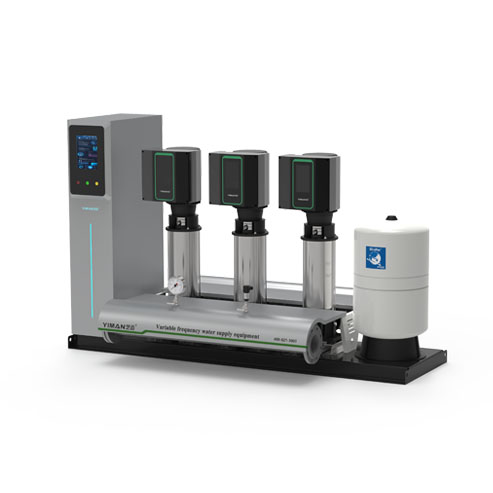
Operational efficiency is a primary benefit of implementing smart water systems in municipal settings. By automating processes and providing real-time data, these systems significantly reduce manual labor and optimize resource allocation. This leads to substantial cost savings and improved service delivery. For example, our Intelligent Digital Driven VFD Booster System (Flow: 5 ~ 900+ m³/h, Head: 15 ~ 200 m, Power: 0.37 kW ~ 22 kW) exemplifies how variable frequency drives can precisely match pump output to demand, minimizing energy consumption.
Automated leak detection is another critical aspect. Traditional methods often involve extensive manual inspections, which are time-consuming and inefficient. Smart sensors, strategically placed throughout the network, can pinpoint leaks with high accuracy. This allows maintenance crews to address issues quickly, preventing significant water loss and infrastructure damage. The ability to respond proactively to leaks reduces emergency repair costs and conserves valuable water resources.
Ensuring Water Quality and Safety
Maintaining high water quality is paramount for municipal water suppliers. Smart water systems integrate advanced sensors that continuously monitor various water parameters, such as pH levels, turbidity, and chlorine residuals. These sensors provide real-time alerts if any parameter deviates from acceptable standards, allowing for immediate intervention. This proactive monitoring helps prevent contamination incidents and ensures public health.
Furthermore, smart systems can track the origin and movement of water throughout the network. This traceability is crucial for identifying potential sources of contamination and isolating affected areas quickly. For instance, a direct drinking water system, with its multi-media filtration, UV disinfection, and ozone cycle disinfection, effectively removes organic matter, heavy metals, bacteria, and viruses. This comprehensive approach ensures safe, healthy, and high-quality drinking water for residents.
Optimizing Water Resource Management
Effective water resource management is essential for long-term sustainability, especially in regions facing water scarcity. Smart water systems provide the tools to monitor water levels in reservoirs, groundwater sources, and distribution networks. This data enables municipalities to make informed decisions about water allocation, conservation efforts, and drought management strategies. By understanding consumption patterns, water utilities can implement targeted conservation programs.
For example, smart metering allows for granular data collection on water usage by individual households and businesses. This information helps identify areas of high consumption or potential waste. Municipalities can then educate consumers and incentivize water-saving behaviors. The integration of such data with weather forecasts and population trends enables more accurate demand forecasting, ensuring a stable and sustainable water supply.
Enhancing Infrastructure Resilience and Maintenance
Aging water infrastructure is a significant challenge for many municipalities, leading to frequent breakdowns and costly repairs. Smart water systems incorporate predictive maintenance capabilities, which use data from sensors and historical performance to anticipate equipment failures. This allows for scheduled maintenance and replacement, preventing unexpected outages and extending the lifespan of assets.
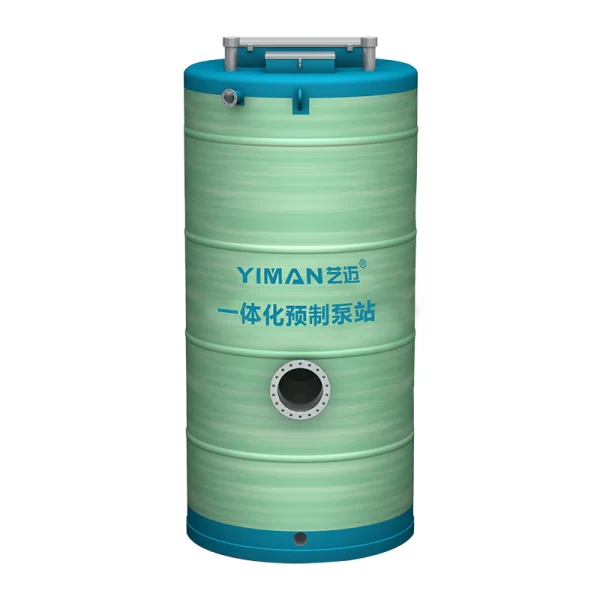
Our Prefabricated Pump Station, with its water hammer protection and fiberglass-reinforced plastic construction, offers enhanced durability and reduced leakage risks. Its intelligent operation and easy maintenance contribute to overall system resilience. These stations are designed for quick installation and long service life, making them ideal for modern municipal infrastructure projects.
| Feature | Traditional Water System | Smart Water System | Key Improvement |
|---|---|---|---|
| Data Collection | Manual, infrequent | Real-time, continuous | Immediate insights for decision-making |
| Leak Detection | Reactive, labor-intensive | Proactive, sensor-based | Reduced water loss by up to 20-30% |
| Maintenance | Corrective | Predictive | Minimized downtime and costs |
| Water Quality | Periodic sampling | Continuous monitoring | Enhanced public health protection |
| Resource Management | Estimation | Data-driven optimization | Improved water allocation and conservation |
Real-World Applications of Smart Water Systems
The application of smart water systems extends across various municipal functions, from water supply and distribution to wastewater management. In urban areas, smart systems help manage peak demand, ensuring consistent pressure and flow even during high-usage periods. In rural settings, these systems can optimize irrigation schedules, reducing water waste in agriculture.
Consider the role of Prefabricated pump station in modern water infrastructure. These compact, integrated units are designed for easy installation and provide reliable water transfer. They are particularly useful in areas where traditional pump houses are impractical or too costly to build. Similarly, Sewage water elevating system are crucial for managing wastewater in areas where gravity drainage is not feasible, such as subway stations or underground shopping malls. These systems prevent sewage backups and ensure proper waste disposal, protecting public health and the environment.
Overcoming Challenges in Smart Water System Implementation
Implementing smart water systems presents several challenges, including initial investment costs, data security concerns, and the need for skilled personnel. However, the long-term benefits often outweigh these initial hurdles. Municipalities can explore various funding models, including public-private partnerships, to finance these projects. Data encryption and robust cybersecurity protocols are essential to protect sensitive information.
Training and upskilling the workforce are also critical. Water utility staff need to be proficient in operating and maintaining advanced digital systems. This includes understanding data analytics, sensor technologies, and automated control mechanisms. Investing in human capital ensures the successful adoption and sustained operation of smart water infrastructure.
The Future of Municipal Water Management
The future of municipal water management is undeniably smart. As technology continues to advance, we anticipate even more sophisticated solutions that further enhance efficiency, sustainability, and resilience. Artificial intelligence and machine learning will play an increasingly important role in predictive analytics, enabling water systems to anticipate problems before they occur. The integration of blockchain technology could also enhance data security and transparency in water transactions.
We are committed to driving this evolution by developing and supplying cutting-edge equipment. Our range of products, from Electric Motor and Centrifugal Pump to advanced waste treatment systems, forms the backbone of intelligent water infrastructure. We believe that by embracing smart technologies, municipalities can build a more secure and sustainable water future for their communities.
Expert Insight on Water Infrastructure Development
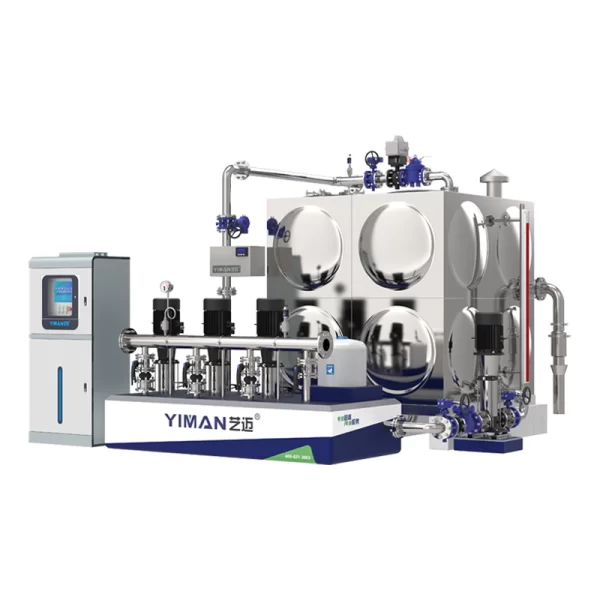
The global demand for clean water continues to rise, placing immense pressure on existing municipal water infrastructures. Our experience indicates a clear trend towards modular and integrated solutions. For instance, the Modular Integrated Water Plant, capable of producing up to 50,000 m³/day, offers a highly efficient and scalable solution for urban and rural water supply. Its technical advantages, such as unattended intelligent operation and effluent turbidity of ≤0.1 NTU, significantly exceed national standards. This modular approach allows for rapid deployment and adaptation to varying demands, making it a cornerstone for future water security. We have observed that clients adopting these integrated systems experience a significant reduction in operational complexities and a marked improvement in water quality outcomes.
About the Author
The content optimization specialists at Shanghai Yimai Industrial Co., Ltd. are dedicated to providing insightful and authoritative information on industrial solutions. With extensive experience in water management, pumping systems, and waste treatment technologies, our team combines deep technical knowledge with practical industry expertise. We strive to deliver content that is accurate, reliable, and directly addresses the challenges faced by our industrial clients.
Contact Our Specialists
We invite you to explore our comprehensive range of smart water solutions. Contact our specialists to discuss how our advanced systems can be tailored to meet your specific municipal water management needs. We are ready to provide detailed information and support for your projects.
FAQs
Q1: What are the primary components of a smart water system?
A1: A smart water system typically comprises smart meters, various sensors (for pressure, flow, quality), data communication networks, and a central data analytics platform. These components work in conjunction to provide real-time monitoring and control capabilities.
Q2: How do smart water systems help reduce water loss?
A2: Smart water systems utilize advanced sensors and analytics to detect leaks and pipe bursts in real-time. This enables rapid identification and repair, significantly reducing non-revenue water loss. They also optimize pressure management, which further minimizes leakage.
Q3: What are the long-term benefits of investing in smart water infrastructure?
A3: Long-term benefits include reduced operational costs, improved water quality and safety, enhanced resource conservation, extended infrastructure lifespan through predictive maintenance, and increased resilience against disruptions. These systems contribute to sustainable municipal water management.
Q4: Can smart water systems be integrated with existing infrastructure?
A4: Yes, many smart water systems are designed for modular integration, allowing them to be phased into existing infrastructure. This approach minimizes disruption and allows municipalities to upgrade their systems progressively, leveraging current assets.
Q5: How does a VFD booster system contribute to smart water management?
A5: A VFD (Variable Frequency Drive) booster system, such as our Intelligent Digital Driven VFD Booster System, optimizes pump performance by adjusting motor speed to match demand. This reduces energy consumption, maintains stable pressure, and extends equipment life, all critical aspects of efficient smart water management.
Keywords
Keyword: smart water systems, municipal water management, water infrastructure, water quality, operational efficiency