
Building an Energy-Efficient Water Pumping System
Water pumping systems are fundamental to various industrial, agricultural, and municipal operations. However, these systems often consume substantial amounts of energy, leading to high operational costs and significant environmental impact. Building an Energy-Efficient Water Pumping System is not merely a cost-saving measure; it represents a commitment to sustainability and operational excellence. We aim to provide a comprehensive guide for optimizing these systems, ensuring maximum efficiency with minimal energy consumption. Our approach focuses on smart design, advanced technology, and meticulous maintenance to achieve these goals.
Understanding Energy Consumption in Pumping Systems
The energy footprint of a water pumping system is determined by several factors, including pump selection, motor efficiency, system design, and operational practices. Inefficient components or suboptimal configurations can lead to considerable energy waste. For instance, oversized pumps or those operating far from their best efficiency point (BEP) consume more power than necessary. Similarly, older motors with lower efficiency ratings contribute to higher electricity bills. Understanding these energy drivers is the first step toward optimization.
Key Components for Efficiency
Achieving an energy-efficient system requires careful consideration of each component. The pump, motor, and control system all play critical roles in overall performance. Integrating high-efficiency components from the outset minimizes energy losses and maximizes operational savings over the system’s lifespan. We focus on selecting reliable, high-performance equipment that meets stringent energy standards.
Selecting the Right Pump Type
The choice of pump significantly impacts energy efficiency. Different applications demand different pump types. For example, Centrifugal Pump are widely used for various applications due to their versatility and robust performance. Within this category, single-stage end suction volute pumps are often chosen for clean water applications. Our ES/CS series Single-stage end suction volute pump, for instance, features a CFD-based hydraulic design, ensuring efficiency that meets the GB19762-2007 energy-saving evaluation value. This design reduces energy consumption while maintaining optimal flow rates and head.
For applications requiring higher heads and lower flow rates, vertical pump are often more suitable. Our Vertical Multi-Stage Centrifugal Pump, with a maximum head of 350 meters and a flow rate of 335 m³/h, is designed for high-pressure applications like high-rise building pressurization and industrial process water systems. These pumps are engineered to minimize energy loss through optimized impeller and casing designs.
High-Efficiency Motors
The motor driving the pump is another critical factor. Older, less efficient motors can account for a significant portion of a system’s energy consumption. Upgrading to high-efficiency motors, such as IE3 or IE4 rated models, can yield substantial energy savings. Our YBX3 and YBX4 series explosion-proof three-phase electric motors offer energy efficiencies up to IE5, ensuring maximum power conversion with minimal waste. These motors are designed to operate reliably in demanding industrial environments. If you’re interested in this topic, check out our article 《High Efficient Three-phase Asynchronous Motor: The Industrial Buyer’s Guide to IE4 Motors and Wholesale Procurement》.
| Motor Series | Energy Efficiency | Protection Grade | Cooling Method | Application |
|---|---|---|---|---|
| YBX3 Series | IE3 / IE4 / IE5 | IP55 | IC411 | General Industrial |
| YBX4 Series | IE3 / IE4 / IE5 | IP55 | IC411 | Hazardous Environments |
| IE4 Series | IE4 | IP55 | IC411 | High Efficiency Applications |
Advanced Control Systems
Variable Frequency Drives (VFDs) are indispensable for energy-efficient pumping systems. VFDs adjust motor speed to match demand, preventing pumps from operating at full capacity when not required. This dynamic control significantly reduces energy consumption, especially in systems with fluctuating flow requirements. Our Intelligent Digital Driven VFD Booster System offers precise control over flow (5 to 900+ m³/h) and head (15 to 200 m), with a maximum overload capacity of 120%. This system ensures that the pump only uses the energy needed for the current demand, leading to considerable savings.
System Design and Optimization
Beyond individual components, the overall system design plays a crucial role in energy efficiency. Proper piping, minimal bends, and appropriate sizing reduce friction losses and ensure smooth operation. Regular system audits and maintenance also contribute to sustained efficiency.
Hydraulic System Design
A well-designed hydraulic system minimizes pressure drops and turbulence, which directly translates to lower energy requirements. This involves selecting pipe diameters that balance flow velocity with friction losses, optimizing valve types, and reducing the number of elbows and fittings. Computational Fluid Dynamics (CFD) analysis, which we employ in our pump designs, helps identify and mitigate potential inefficiencies before physical installation.
Integrated Pumping Solutions
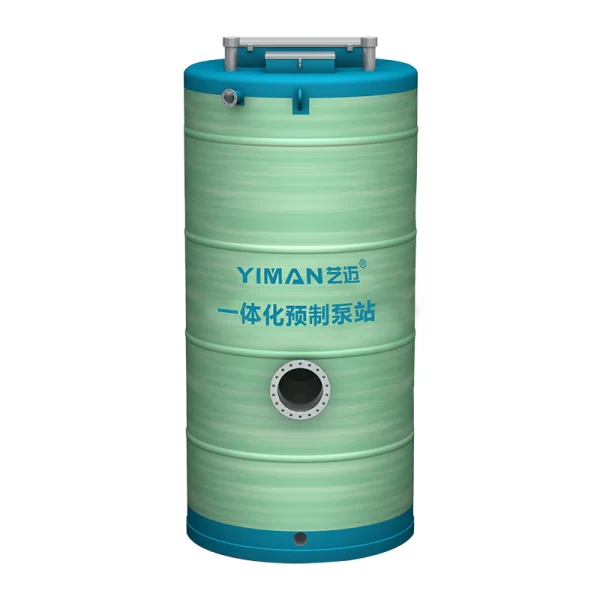
For complex applications, integrated solutions offer superior energy efficiency and ease of management. For example, Prefabricated pump station integrate pumps, motors, and control systems into a compact, pre-assembled unit. Our Prefabricated Pump Station features water hammer protection, fiberglass-reinforced plastic construction, and intelligent operation, making it highly efficient and easy to maintain. These stations are ideal for urban sewage collection and industrial wastewater treatment, offering processing capacities from 50 to 100,000 m³/day.
Another example is the Integrated Room Pump Station, designed for secondary water supply facilities. This system offers easy installation, compact design, and intelligent leakage protection, ensuring energy savings and reliable performance in residential and commercial settings. Its robust design allows for unattended operation, reducing labor costs and enhancing overall efficiency.
From Our Field Engineers: Practical Tips for System Efficiency
“During a recent project involving a municipal water supply upgrade, we identified that an existing pump was operating at 70% of its rated capacity for most of the day. By replacing it with a smaller, more appropriately sized Centrifugal Pump and integrating a VFD, we reduced energy consumption by 35%. The initial investment was recouped within two years through energy savings alone. Always assess actual demand versus installed capacity.”
Maintenance Practices for Sustained Efficiency
Even the most efficiently designed system can lose performance over time without proper maintenance. Regular checks and proactive interventions are essential to sustain energy efficiency.
Routine Inspections and Monitoring
Implementing a routine inspection schedule helps identify potential issues before they escalate. This includes checking for leaks, monitoring pump vibrations, and assessing motor temperatures. Early detection of problems like cavitation or bearing wear can prevent significant energy losses and costly repairs. Modern systems, like our Intelligent Digital Driven VFD Booster System, offer internal CAN and external RS485 communication methods for remote monitoring, enabling real-time performance tracking and predictive maintenance.
Impeller Trimming and Coating
For centrifugal pumps, impeller trimming can optimize performance for specific flow and head requirements, especially if the pump is slightly oversized for the application. Applying specialized coatings to impellers and casings can also reduce friction, improving hydraulic efficiency. These subtle modifications can lead to measurable energy savings.
Seal and Bearing Maintenance
Worn seals and bearings increase friction and can lead to energy waste. Regular inspection and replacement of these components ensure smooth operation and prevent energy losses. Our Heat Conducting Oil Pump utilizes both mechanical and gland seals to minimize leakage and maintain efficiency under high-temperature conditions up to 350°C.
The Role of Smart Technology
The integration of smart technology is transforming water pumping systems, making them more adaptive and energy-efficient. These technologies provide real-time data, enabling informed decision-making and automated adjustments.
IoT and Data Analytics
Internet of Things (IoT) sensors can collect vast amounts of data on pump performance, motor status, and system pressures. This data, when analyzed, provides insights into operational patterns and potential inefficiencies. Predictive analytics can forecast maintenance needs, preventing unexpected breakdowns and ensuring continuous optimal performance. This proactive approach minimizes downtime and maximizes energy efficiency.
Remote Control and Automation
Automated control systems can adjust pump operations based on demand fluctuations, energy prices, or other environmental factors. This level of automation reduces the need for manual intervention and ensures that the system always operates at its most efficient point. Our VFD Controlled Booster System, for instance, can adjust pressure with an accuracy of ≤0.01 MPa, responding dynamically to changes in water demand.
Conclusion
Building an Energy-Efficient Water Pumping System requires a holistic approach, encompassing careful component selection, intelligent system design, and diligent maintenance. By embracing high-efficiency pumps and motors, advanced control systems, and smart technologies, industries can significantly reduce energy consumption and operational costs. We are dedicated to providing solutions that not only meet current demands but also contribute to a sustainable future. Our commitment to innovation and quality ensures that our pumping systems deliver superior performance and long-term value.
Expert Insight
The future of water pumping systems lies in integrated, intelligent solutions that leverage data to achieve unprecedented levels of efficiency. We foresee a growing demand for systems that can adapt autonomously to changing conditions, minimizing human intervention and maximizing energy savings. For example, combining the precise control of an Intelligent Digital Driven VFD Booster System (with flow rates up to 900+ m³/h and pressure adjustment accuracy of ≤0.01 MPa) with the robust design of a Prefabricated Pump Station (processing capacities up to 100,000 m³/day) will become the industry standard. This synergy will not only reduce operational expenses but also enhance system reliability and environmental stewardship, aligning with global sustainability goals.
About the Author
The content optimization specialists at Shanghai Yimai Industrial Co., Ltd. are dedicated to providing expert insights and practical solutions for industrial pumping and waste treatment systems. With extensive experience in engineering and product development, our team ensures that all information is accurate, authoritative, and directly applicable to real-world challenges. We continuously research and implement the latest technologies to help our clients achieve optimal efficiency and sustainability in their operations.
FAQs
Q1: What are the primary benefits of an energy-efficient water pumping system?
A1: The primary benefits include reduced electricity costs, lower carbon emissions, extended equipment lifespan due to optimized operation, and enhanced system reliability. An energy-efficient water pumping system also contributes to corporate sustainability goals.
Q2: How much energy can be saved by upgrading to a VFD-controlled system?
A2: Significant energy savings are possible with VFD-controlled systems. Depending on the application and current operational inefficiencies, savings can range from 20% to 50%. Our VFD Controlled Booster System can achieve precise pressure adjustments, directly translating to substantial energy reductions.
Q3: What role does pump selection play in overall system efficiency?
A3: Pump selection is crucial. Choosing a pump that is properly sized and designed for the specific application’s flow and head requirements prevents oversizing, which leads to unnecessary energy consumption. For instance, selecting the correct Centrifugal Pump type is fundamental.
Q4: Are there specific materials that enhance the efficiency of pumps?
A4: Yes, the materials used in pump construction impact efficiency and longevity. For example, corrosion-resistant materials like Stainless Steel in our Stainless steel single screw pump prevent degradation, maintaining hydraulic performance over time. Optimized impeller materials also reduce friction losses.
Q5: How frequently should an energy-efficient water pumping system be maintained?
A5: Maintenance frequency depends on the system’s operational intensity and environment. However, regular inspections, typically quarterly or semi-annually, are recommended. Proactive maintenance, including monitoring and addressing minor issues promptly, prevents larger energy-wasting problems.
Keywords
Keyword: Building an Energy-Efficient Water Pumping System
Long-Tail Keywords: energy-efficient water pumping system design, VFD controlled booster system, high-efficiency electric motors, sustainable pumping solutions, industrial water pump optimization