
What Happens When a Pump Runs Dry: Causes, Consequences, and Prevention
When a pump operates without sufficient fluid, it experiences a condition known as running dry. This scenario poses significant risks to the pump’s mechanical integrity and operational efficiency. Understanding the causes and consequences of dry running is crucial for maintaining industrial systems and preventing costly damage. We delve into the mechanics of dry running, its detrimental effects, and effective strategies for prevention, ensuring the longevity and reliability of pumping equipment.
Causes of Pump Dry Running
Several factors can lead to a pump running dry, each stemming from issues with fluid supply or system design. Identifying these root causes is the first step in implementing effective preventive measures.
Insufficient Fluid Supply
The most direct cause of a pump running dry is an inadequate or interrupted fluid supply. This often occurs when the fluid source, such as a tank or reservoir, empties unexpectedly. A low liquid level in the suction tank means the pump cannot draw enough fluid to maintain its prime. This situation can arise in various applications, from simple water transfer to complex chemical processing. For instance, in a municipal water supply system, a sudden drop in reservoir levels due to unmonitored consumption or a pipe burst can leave pumps without water.
Blocked Suction Line
A blockage in the suction line restricts fluid flow to the pump. Debris, sediment, or foreign objects can accumulate in pipes, filters, or strainers, impeding the intake of fluid. This reduction in flow eventually starves the pump, causing it to run dry. Regular inspection and cleaning of suction lines and associated components are essential to prevent such blockages. Our experience shows that ignoring minor pressure drops in suction lines often leads to more severe dry running incidents.
Closed Suction Valve
An inadvertently closed or partially closed suction valve prevents fluid from reaching the pump. This human error or mechanical malfunction can quickly lead to dry running, especially in systems where valves are not clearly labeled or regularly checked. Proper operational procedures and clear labeling of valves are vital to mitigate this risk. In complex industrial setups, automated valve control systems with interlocks can prevent pumps from starting against a closed suction valve.
Air or Vapor Entrainment
Air or vapor entering the pump’s suction side can disrupt the fluid column, leading to a loss of prime and dry running. This can happen due to leaks in the suction piping, improper priming procedures, or cavitation caused by excessive suction lift or high fluid temperatures. Air pockets prevent the pump from effectively moving liquid, causing it to operate in a dry or semi-dry state. We recommend careful system design to minimize air ingress and ensure proper venting during startup.
Pump Malfunctions
Internal pump malfunctions, such as a damaged impeller or a faulty mechanical seal, can also contribute to dry running conditions. While not directly causing a lack of fluid, these issues can impair the pump’s ability to create the necessary suction or maintain pressure, leading to a perceived dry running state. For example, a severely worn impeller may not generate enough head to draw fluid effectively, even with an adequate supply.
Consequences of Dry Running Pumps
The repercussions of a pump running dry extend beyond immediate operational failure, often resulting in significant damage and costly downtime. Understanding these consequences highlights the importance of prevention.
Overheating and Mechanical Seal Failure
When a pump runs dry, the absence of fluid prevents proper cooling and lubrication of internal components, particularly the mechanical seal. Fluid normally dissipates heat generated by friction and provides a thin film for lubrication. Without this, the seal faces rapidly overheat, leading to premature wear, cracking, and eventual failure. A damaged mechanical seal results in leakage and requires immediate replacement, which is a common and expensive repair.
Bearing Damage
Pump bearings rely on proper lubrication and cooling to function correctly. Dry running can cause bearings to overheat due to increased friction and lack of thermal dissipation from the pumped fluid. This excessive heat degrades bearing lubricants, leading to increased wear, vibration, and ultimately, bearing failure. Such failures can cause catastrophic damage to the pump’s rotating assembly.
Impeller and Casing Wear
The impeller and casing are designed to operate with fluid flowing through them. When dry running occurs, these components can experience increased friction and impact from any remaining abrasive particles, leading to accelerated wear. In some cases, the impeller can rub against the casing, generating heat and causing material erosion. This reduces pump efficiency and requires costly component replacement.
Cavitation and Vibration
Even in a seemingly dry run, residual fluid or vapor can lead to severe cavitation. This phenomenon involves the formation and collapse of vapor bubbles within the pump, generating intense shockwaves. These shockwaves cause pitting and erosion on the impeller and casing surfaces, leading to structural damage and increased noise and vibration. Prolonged cavitation significantly shortens pump lifespan.
Motor Overload and Failure
The motor driving the pump is designed to operate under specific load conditions. When a pump runs dry, the motor may experience reduced load (in centrifugal pumps) or increased load (in positive displacement pumps), depending on the pump type and system. In centrifugal pumps, running dry can cause the motor to overspeed and draw excessive current if not properly protected, leading to overheating and potential burnout. In positive displacement pumps, the lack of lubrication and increased friction can cause the motor to stall or overload.
Preventing Pump Dry Running
Proactive measures are essential to safeguard pumps from the damaging effects of dry running. Implementing robust monitoring and control systems significantly enhances operational reliability.
Level Control Systems
Installing reliable level sensors and switches in fluid reservoirs and tanks prevents pumps from operating when fluid levels are too low. These systems can automatically shut down the pump or trigger an alarm, alerting operators to a potential dry running condition. For instance, a float switch or an ultrasonic level transmitter can provide continuous monitoring. This is particularly important for Prefabricated pump station and Sewage Water Elevating System where continuous fluid levels are critical.
Flow Switches and Pressure Sensors
Flow switches detect the absence of fluid flow, while pressure sensors monitor discharge pressure. A sudden drop in flow or pressure can indicate dry running. These devices can be integrated into the pump control system to initiate an emergency shutdown. For example, a differential pressure switch across the pump can detect a lack of pressure build-up, signaling a dry run.
Priming Systems
Many pumps, especially centrifugal types, require priming before operation to ensure the casing and suction line are filled with fluid. Automatic priming systems, such as vacuum pumps or self-priming designs, can prevent dry running by ensuring the pump is always ready to handle liquid. Our Self-priming pump are engineered to automatically re-prime, significantly reducing the risk of dry running.
Regular Maintenance and Inspection
Scheduled maintenance includes checking suction lines for blockages, inspecting mechanical seals for wear, and verifying proper operation of valves and sensors. Proactive maintenance helps identify and address potential issues before they lead to dry running. This also involves training personnel on proper pump operation and troubleshooting. Regular inspections are vital for systems like the Heat Conducting Oil Pump, which handles high-temperature fluids and requires meticulous care.
Utilizing Advanced Pump Technologies
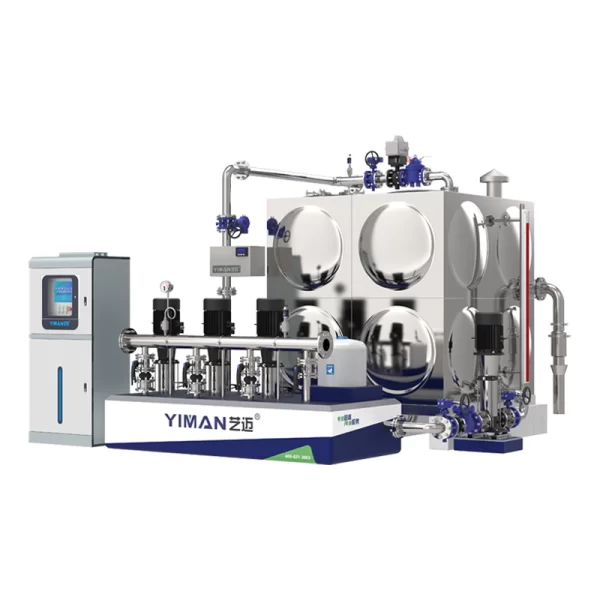
Modern pumps often incorporate features designed to prevent dry running. For example, some pumps have built-in dry run protection, which automatically detects the absence of fluid and shuts down the pump. Variable Frequency Drive (VFD) systems can also be programmed to monitor pump load and shut down if the load drops below a certain threshold, indicating a dry running condition. Our Intelligent Digital Driven VFD Booster System, for instance, includes advanced protection features to prevent such occurrences.
Real-World Application: Preventing Dry Running in a Water Treatment Plant
Consider a large water treatment facility utilizing multiple pumps for various stages of filtration and distribution. One particular stage involves a series of Vertical Multi-Stage Centrifugal Pump responsible for high-pressure filtration. In the past, this plant faced frequent dry running incidents due to fluctuating raw water levels and occasional blockages in the intake screens. Each incident led to costly repairs, primarily mechanical seal replacements and impeller damage.
To address this, we implemented a comprehensive solution involving:
1. Automated Level Control: Installed ultrasonic level sensors in the raw water intake basin, integrated with the pump control system. If the water level dropped below a predefined minimum, the system would automatically shut down the affected pumps and send an alert to operators.
2. Flow Monitoring: Integrated flow meters on the discharge side of each vertical multi-stage centrifugal pump. A sustained lack of flow, even if the pump was running, triggered an immediate shutdown.
3. Preventive Maintenance Schedule: Implemented a strict schedule for cleaning intake screens and inspecting suction lines, reducing the likelihood of blockages.
The results were significant: dry running incidents decreased by 90% within the first six months, leading to a substantial reduction in maintenance costs and downtime. This real-world example demonstrates the effectiveness of combining monitoring technology with diligent maintenance practices.
Selecting Pumps with Built-in Protection
When specifying new pumping equipment, prioritizing models with integrated dry running protection can offer significant long-term benefits. These features often include:
- Thermal Overload Protection: Motors with thermal sensors that shut down the pump if internal temperatures exceed safe limits.
- Current Monitoring Relays: Devices that detect abnormal current draw, indicative of a dry running condition, and trip the motor.
- Integrated Dry Run Sensors: Specialized sensors that directly detect the presence or absence of fluid within the pump casing.
For example, our Single stage end suction volute pump models are often equipped with advanced motor protection and can be integrated with external monitoring systems to prevent dry running. This ensures operational safety and extends the pump’s service life. We also offer VFD Controlled Booster System: Intelligent Pressure Management for Energy and Water Savings which inherently offers protection against dry running by monitoring system parameters.
From Our Field Engineers: Practical Tips
Our field engineers have encountered countless scenarios where dry running has caused significant damage. Here are some practical tips they emphasize:
- Verify System Design: Always ensure that suction piping is correctly sized and free from air traps. Proper design minimizes the chances of air entrainment.
- Pre-Startup Checklist: Develop and follow a detailed pre-startup checklist that includes verifying fluid levels, opening suction valves, and checking for any visible leaks.
- Operator Training: Ensure all personnel operating pumps are thoroughly trained on the risks of dry running and the proper procedures to prevent it. Ignorance is a major contributor to preventable failures.
- Audible Alerts: In addition to automated shutdowns, consider implementing audible alarms for dry running conditions, especially in noisy environments, to ensure immediate operator attention.
- Buffer Tanks: For intermittent fluid supplies, consider installing small buffer tanks upstream of the pump to provide a temporary supply during brief interruptions.
These simple yet effective practices can make a substantial difference in preventing dry running and protecting your investment.
Expert Insight: The Future of Pump Protection
The trend in industrial pumping systems is towards greater automation and intelligence, significantly enhancing protection against conditions like dry running. Modern systems increasingly integrate IoT capabilities, allowing for real-time monitoring and predictive maintenance. For example, our Intelligent Digital Driven VFD Booster System offers advanced diagnostics and remote monitoring, enabling operators to identify potential issues before they escalate into dry running. This proactive approach minimizes downtime and extends equipment lifespan. Furthermore, the development of self-diagnosing pumps with embedded sensors will make dry running a far less common and less damaging occurrence in the future. This aligns with the broader industry movement towards smart manufacturing and Industry 4.0.
About the Author
Our team at Shanghai Yimai Industrial Co., Ltd. comprises seasoned engineers and content specialists dedicated to providing authoritative insights into industrial pumping solutions. With decades of collective experience in pump design, manufacturing, and application, we are committed to sharing practical knowledge that helps businesses optimize their operations and extend the lifespan of their critical equipment. We focus on delivering accurate, reliable, and actionable information, reflecting our deep expertise and commitment to industry best practices.
FAQs
Q1: What are the immediate signs that a pump is running dry?
A1: Immediate signs include unusual noises such as screeching or grinding, increased vibration, a sudden drop in discharge pressure, and rapid temperature rise in the pump casing or motor. Operators might also notice a lack of fluid discharge despite the pump running.
Q2: Can all types of pumps be damaged by dry running?
A2: Yes, virtually all types of pumps are susceptible to damage from dry running, though the specific failure modes may vary. Centrifugal pumps typically suffer from mechanical seal and bearing failure due to overheating, while positive displacement pumps can experience severe wear and seizure of internal components due to lack of lubrication.
Q3: How often should dry run protection systems be tested?
A3: We recommend testing dry run protection systems at least quarterly, or more frequently in critical applications. Regular testing ensures that sensors, switches, and automatic shutdown mechanisms are functioning correctly and will respond effectively when a dry running condition occurs. This proactive approach prevents unexpected failures.
Q4: Is it possible to repair a pump after it has run dry?
A4: Yes, repairs are often possible, but the extent and cost depend on the severity of the damage. Common repairs include replacing mechanical seals, bearings, impellers, and sometimes the motor. In severe cases, the pump may require a complete overhaul or replacement, which underscores the importance of prevention.
Q5: What role do VFDs play in preventing pump dry running?
A5: VFDs (Variable Frequency Drives) can play a crucial role by monitoring the motor’s current draw and power consumption. When a centrifugal pump runs dry, its load typically drops significantly, leading to a decrease in current. A VFD can be programmed to detect this low-current condition and shut down the pump, preventing damage. This intelligent control contributes to energy savings and extends equipment life.
Keywords
Keyword: What Happens When a Pump Runs Dry, pump dry running, pump damage, mechanical seal failure, pump protection