
Why Mechanical Seals Fail in Water Pumps: Common Causes and Prevention
Understanding Mechanical Seals in Water Pumps
Mechanical seals are critical components in water pumps, designed to prevent fluid leakage along the rotating shaft. They maintain the integrity of the pumping system, ensuring efficient operation and preventing environmental contamination. Without effective sealing, pumps can experience significant performance degradation and potential damage. Our focus is on enhancing the reliability of these seals to support continuous industrial operations.
The Critical Role of Mechanical Seals
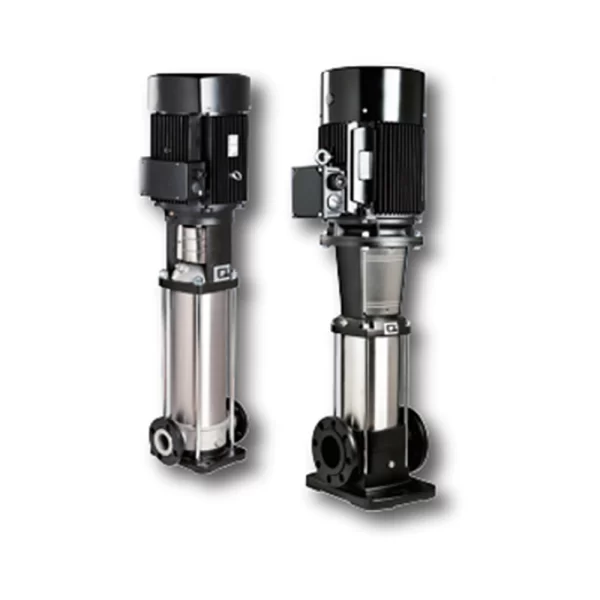
Mechanical seals form a dynamic barrier between the rotating shaft and the stationary pump housing. This barrier is crucial for containing the pumped fluid, whether it is water, chemicals, or other liquids, within the pump casing. A properly functioning mechanical seal prevents costly leakage, maintains system pressure, and protects the pump’s internal components from external contaminants. The reliability of a pump often hinges on the integrity of its mechanical seal. For instance, in a Heat Conducting Oil Pump, the mechanical seal must withstand high temperatures and specific fluid properties to prevent dangerous leaks. Similarly, in a Vertical Multi-Stage Centrifugal Pump, the seal is essential for maintaining high pressures across multiple stages.
Types of Mechanical Seals Used in Water Pumps
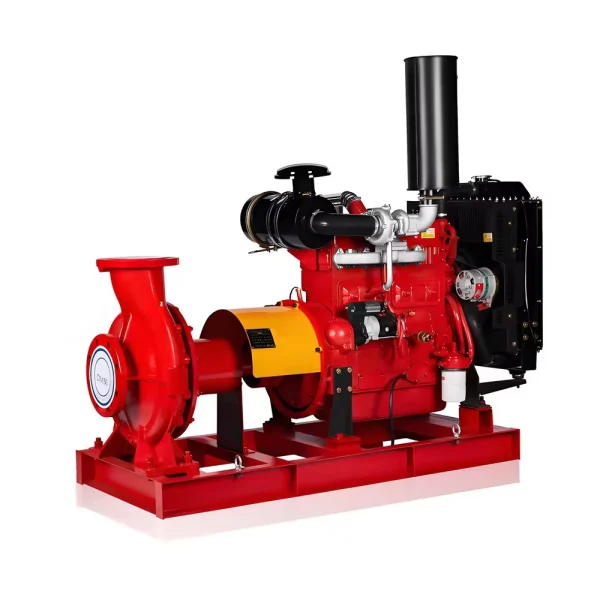
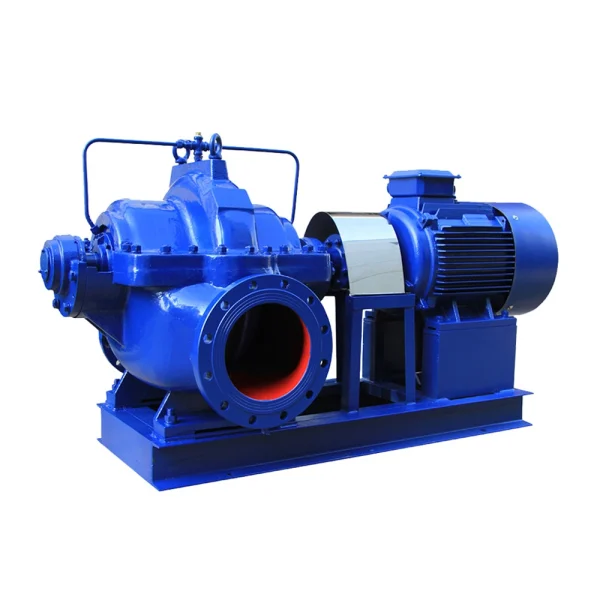
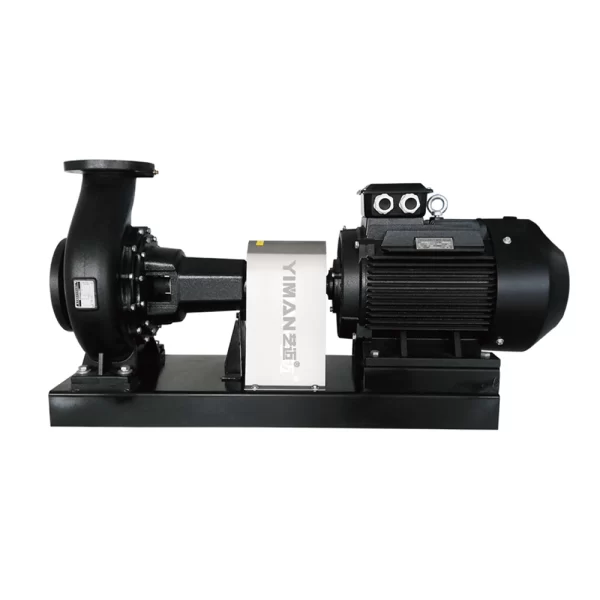
Various types of mechanical seals are employed in water pumps, each suited to specific operating conditions and fluid characteristics. The most common types include pusher and non-pusher seals, balanced and unbalanced seals, and cartridge seals. Pusher seals use springs to maintain contact between the seal faces, while non-pusher seals rely on bellows. Balanced seals are designed to reduce the closing force on the seal faces, extending their lifespan in high-pressure applications. Cartridge seals are pre-assembled units that simplify installation and reduce the risk of errors. Selecting the correct seal type is paramount for optimal pump performance and longevity. Our range of pumps, including the Single stage end suction volute pump and Split casing double suction pump, incorporates seals chosen for their specific application demands, ensuring maximum reliability.
Primary Causes of Mechanical Seal Failure
Mechanical seal failures account for a significant percentage of pump downtime and maintenance costs. Understanding the root causes of these failures is essential for implementing effective prevention strategies. We analyze various factors that contribute to mechanical seal failure, from initial installation to operational conditions.
Improper Installation and Alignment
Incorrect installation is a leading cause of mechanical seal failure. Misalignment between the pump shaft and motor, improper setting of the seal faces, or inadequate compression can lead to excessive wear and premature failure. Precision during installation is critical. For example, if the shaft of a Stainless steel single screw pump is not perfectly aligned, it can induce stress on the mechanical seal, causing it to fail much faster than its designed lifespan. We emphasize adherence to strict installation protocols to minimize these risks.
Operating Conditions Beyond Design Limits
Operating a water pump outside its specified design parameters, such as excessive pressure, temperature, or speed, can severely compromise mechanical seal integrity. Each seal is engineered for a particular range of conditions. When these limits are exceeded, the seal faces can overheat, deform, or crack, leading to leakage. For instance, a pump designed for clean water might fail quickly if subjected to abrasive fluids without a suitable seal upgrade. We ensure our pumps, such as the Single Stage In-Line Circulation Pump, are equipped with seals robust enough for their intended operating conditions, but proper application remains vital.
Material Incompatibility and Chemical Attack
The materials used in mechanical seals must be compatible with the pumped fluid. If the seal faces, O-rings, or secondary seals are exposed to chemicals that cause corrosion, dissolution, or degradation, failure is inevitable. Chemical attack can weaken the seal structure, leading to leaks and eventual breakdown. Careful consideration of fluid chemistry, including pH levels and the presence of aggressive compounds, is necessary during seal selection. Our engineers meticulously select seal materials to match the specific chemical properties of the fluids handled by our pumps.
Inadequate Lubrication and Dry Running
Mechanical seals rely on a thin film of fluid between their faces for lubrication and cooling. Inadequate lubrication, often caused by dry running or insufficient flush, results in increased friction, rapid heat generation, and accelerated wear of the seal faces. Dry running, even for short periods, can cause immediate and catastrophic failure. This is particularly problematic in applications where intermittent operation or suction issues can lead to temporary loss of fluid contact. Ensuring a continuous and adequate fluid film is paramount for seal longevity.
Abrasive Particles and Contamination
The presence of abrasive particles or contaminants in the pumped fluid can cause significant wear and damage to mechanical seal faces. These particles can score the delicate seal surfaces, creating pathways for leakage. Common contaminants include sand, silt, rust, and process debris. Effective filtration and proper fluid management are crucial to protect mechanical seals from such damage. For applications involving potentially abrasive fluids, specialized seals with harder face materials or external flush systems are often required.
Vibration and Shaft Deflection
Excessive vibration or shaft deflection can lead to misalignment and premature wear of mechanical seals. Vibrations can be caused by various factors, including unbalanced impellers, cavitation, bearing issues, or improper pump mounting. Shaft deflection, often due to improper pump or motor alignment, places undue stress on the seal, preventing proper face contact and leading to leakage. Regular maintenance and proper installation practices, such as ensuring precise alignment, are essential to mitigate these issues.
Identifying Symptoms of Mechanical Seal Failure
Early detection of mechanical seal failure symptoms can prevent more severe pump damage and costly downtime. Recognizing these signs allows for timely intervention and repair.
Visible Leakage and Drips
The most obvious sign of a failing mechanical seal is visible leakage from the pump stuffing box. While some seals are designed for minimal weepage, excessive dripping or a steady stream of fluid indicates a significant problem. Leakage rates exceeding manufacturer specifications, typically measured in drops per minute, warrant immediate investigation. Addressing these leaks promptly can prevent further damage to the pump and surrounding equipment.
Increased Power Consumption
A failing mechanical seal can lead to increased friction between the seal faces, requiring the pump motor to expend more energy to maintain operation. This increased friction translates directly into higher power consumption. Monitoring power consumption trends can serve as an early indicator of seal degradation, even before visible leakage occurs. A noticeable increase in the energy required to operate the pump, without a corresponding change in fluid output, often signals an impending seal issue.
Unusual Noises and Vibrations
Mechanical seal failure can manifest as unusual noises, such as grinding, squealing, or rubbing sounds, originating from the seal area. These noises typically indicate excessive friction or contact between dry or damaged seal faces. Increased vibration levels, beyond normal operating parameters, can also point to seal problems, often linked to misalignment or damaged components. Regular vibration analysis can help detect these issues early.
Overheating of the Seal Area
Friction generated by damaged or improperly lubricated mechanical seal faces can lead to significant heat buildup in the seal chamber. An abnormally hot seal area, detectable through infrared thermometers or even by touch, is a clear sign of impending or ongoing failure. Overheating can cause thermal degradation of seal materials, leading to further damage and accelerated failure. Proper cooling and lubrication are vital to prevent this.
Best Practices for Preventing Mechanical Seal Failure
Preventing mechanical seal failure involves a combination of careful selection, precise installation, and diligent maintenance. Adhering to best practices can significantly extend seal life and improve overall pump reliability.
Proper Selection of Seal Materials and Design
Choosing the right mechanical seal for a specific application is the first and most crucial step in prevention. This involves considering the fluid type, temperature, pressure, shaft speed, and presence of solids. Selecting appropriate seal face materials (e.g., silicon carbide, tungsten carbide, carbon graphite), elastomer types, and seal configurations (e.g., single, double, balanced) ensures compatibility and optimal performance. Our experts assist clients in selecting the ideal seals for their specific pumping needs, whether it’s for a Vertical Multi-Stage Centrifugal Pump or a Heat Conducting Oil Pump.
Adherence to Installation Procedures
Accurate installation is paramount. Following manufacturer guidelines precisely, including proper cleaning of components, correct measurement of setting distances, and precise alignment of the pump and motor, minimizes installation-related failures. Using specialized tools and ensuring trained personnel perform installations can drastically reduce errors. We recommend consulting detailed installation manuals and, if necessary, seeking professional assistance to ensure correct setup.
Maintaining Optimal Operating Conditions
Operating pumps within their specified design limits is critical for seal longevity. This includes maintaining stable fluid temperatures and pressures, avoiding cavitation, and preventing dry running. Implementing control systems that monitor and regulate pump operation can help ensure conditions remain within acceptable ranges. For example, a VFD Controlled Booster System can help maintain stable pressure, reducing stress on mechanical seals.
Regular Monitoring and Predictive Maintenance
Implementing a robust monitoring and predictive maintenance program can identify potential seal issues before they escalate into major failures. This includes routine inspections for leakage, temperature monitoring of the seal area, and vibration analysis. Technologies such as acoustic emission sensors can detect early signs of seal face wear. Regular monitoring allows for scheduled maintenance, preventing unplanned downtime. For more on optimizing pump systems, consider reading 《Optimizing Three-Phase Asynchronous Motor Reliability in Pump Systems: A Technical Guide》.
Effective Filtration and Fluid Management
Protecting mechanical seals from abrasive particles and contaminants is crucial. Utilizing appropriate filtration systems for the pumped fluid can remove harmful solids. For fluids with inherent abrasives, such as wastewater, employing seals designed for slurries or implementing external flush plans can provide additional protection. Proper fluid management ensures that the seal faces receive adequate lubrication and cooling.
The Impact of Mechanical Seal Reliability on Water Pump Performance
The reliability of mechanical seals directly influences the overall performance, efficiency, and operational costs of water pumps. Investing in high-quality seals and proper maintenance yields significant long-term benefits.
Reducing Downtime and Maintenance Costs
Frequent mechanical seal failures lead to increased pump downtime, resulting in lost production and higher maintenance expenses. Each failure requires labor for diagnosis, parts replacement, and reinstallation. By improving seal reliability, we significantly reduce the frequency of repairs, minimize unscheduled outages, and lower overall maintenance costs. This contributes to a more predictable and cost-effective operation.
Enhancing Operational Efficiency and Safety
Reliable mechanical seals ensure that pumps operate at their peak efficiency by preventing fluid loss and maintaining system pressure. Leaking seals can reduce pump output and increase energy consumption. Furthermore, preventing leaks enhances workplace safety by minimizing exposure to potentially hazardous fluids and reducing slip hazards. This is particularly important in industrial settings where fluid integrity is critical. For insights into energy efficiency, see 《Building an Energy-Efficient Water Pumping System》.
Extending Equipment Lifespan
By protecting the pump’s internal components from leakage and contamination, reliable mechanical seals contribute to the extended lifespan of the entire pumping unit. Reduced wear on bearings, shafts, and other critical parts means less frequent need for major overhauls or complete pump replacements. This translates into a higher return on investment for pumping equipment.
FAQs
What is the most common reason for mechanical seal failure?
Improper installation and operating conditions beyond design limits are frequently cited as the most common reasons for mechanical seal failure. Misalignment, incorrect setting, and exposure to excessive temperatures or pressures place undue stress on the seal, leading to premature wear and leakage. Adhering to precise installation procedures and understanding pump operating envelopes are crucial for preventing these issues.
How can I tell if my mechanical seal is failing?
Key indicators of a failing mechanical seal include visible fluid leakage from the pump, increased power consumption by the motor, unusual noises such as grinding or squealing, and an elevated temperature in the seal area. Regular monitoring of these parameters can help detect issues early, allowing for timely intervention before a complete breakdown occurs.
Can a mechanical seal be repaired, or does it always need replacement?
In most cases, mechanical seals are designed as replaceable components rather than repairable ones. While some minor issues might be addressed, significant wear, cracks, or material degradation typically necessitate a full replacement of the seal unit. Attempting to repair a damaged seal often leads to recurring problems and can compromise pump reliability.
What role does water quality play in seal longevity?
Water quality significantly impacts mechanical seal longevity. Abrasive particles like sand or silt can cause rapid wear on seal faces, while corrosive chemicals can degrade seal materials. Poor water quality necessitates seals made from harder, more resistant materials or the implementation of effective filtration systems to protect the seal from damage.
How often should mechanical seals be inspected or replaced?
The inspection and replacement frequency for mechanical seals vary widely based on the pump’s application, operating conditions, fluid type, and seal design. For critical applications, seals may be inspected during routine pump maintenance, typically every 6 to 12 months. Replacement is often performed proactively based on predictive maintenance data or at specified intervals recommended by the manufacturer, or immediately upon signs of failure.
Call to Action
Explore Shanghai Yimai Industrial Co., Ltd.’s range of high-performance pumps featuring robust mechanical seals designed for durability and reliability. Contact us today for expert consultation and customized pumping solutions to optimize your operations and prevent costly downtime.
Keywords
Mechanical seal failure, water pump seals, pump maintenance, seal leakage, pump reliability, industrial pumps, seal troubleshooting, dry running, abrasive wear, seal installation, Shanghai Yimai Industrial Co., Ltd.