Home vs. Industrial Booster Pump Systems: A Comprehensive Comparison Guide
Booster pump systems are essential for maintaining adequate water pressure in various settings. Choosing the correct system for residential or industrial use is critical for optimal performance and efficiency. This guide provides a detailed comparison to help you understand the differences and make an informed decision.
Understanding the Core Function of Booster Pump Systems
What is a Booster Pump System and How Does it Work?
A booster pump system increases water pressure and flow to meet demand. It typically consists of a pump, a motor, and a control system. When water pressure drops below a set point, the pump activates, drawing water from a supply and pushing it through the plumbing system at a higher pressure. This ensures a consistent and reliable water supply.
Why Adequate Water Pressure is Crucial for Different Applications
Consistent water pressure is vital for daily comfort and operational efficiency. In homes, it ensures strong showers and efficient appliance operation. In industrial environments, stable pressure supports manufacturing processes, cooling systems, and critical safety equipment. Inadequate pressure can lead to system failures, production delays, and compromised safety.
Key Differences Between Home and Industrial Booster Pumps
Residential and industrial booster pump systems differ significantly in their design, performance, and application. These differences stem from varying demands for flow rate, pressure, durability, and control.
Performance Metrics: Flow Rate, Head, and Power Requirements
Residential booster pumps typically handle lower flow rates and heads, designed for household water demands. A common residential unit might provide a flow rate of 5 to 15 cubic meters per hour (m³/h) and a head of 20 to 40 meters (m). Their power requirements are generally modest, ranging from 0.37 kW to 1.5 kW.
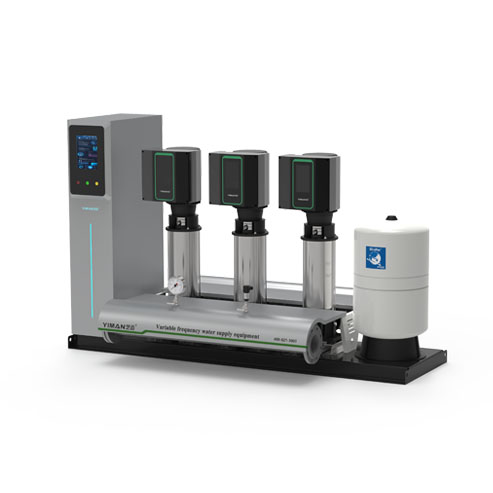
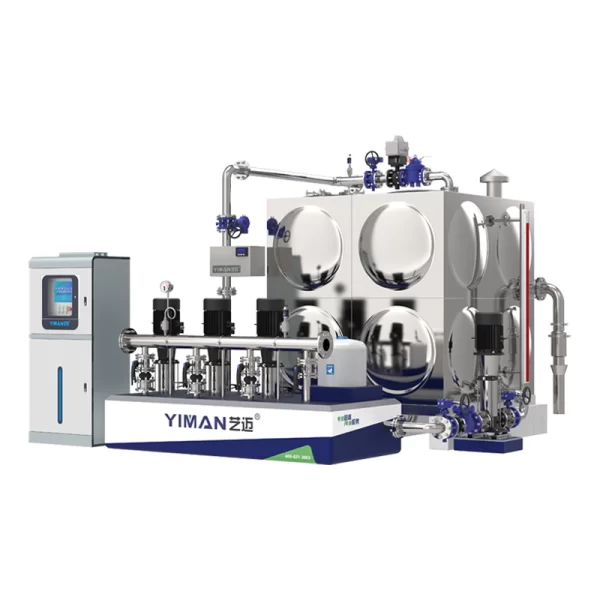
Industrial booster pumps, conversely, are engineered for much larger volumes and higher pressures. They often feature flow rates exceeding 100 m³/h and heads up to 200 m or more. For example, our Intelligent Digital Driven VFD Booster System can achieve flows up to 900+ m³/h and heads up to 200 m. The power consumption of these systems can range from 2.2 kW to 22 kW, reflecting their heavy-duty applications.
Design and Material Considerations for Durability and Longevity
Residential pumps are often constructed from materials like plastic or standard cast iron, suitable for potable water and intermittent use. Their design prioritizes compactness and quiet operation.
Industrial pumps require robust construction to withstand harsh operating conditions and continuous duty cycles. Materials such as stainless steel (SS304, SS316L) or ductile iron are commonly used for pump casings and impellers. These materials provide superior resistance to corrosion, abrasion, and high temperatures. Our Vertical Multi-Stage Centrifugal Pumps, for instance, are available with SS304 or SS316L components, ensuring durability in demanding industrial settings.
Control Systems and Automation: VFD Technology Integration
Residential booster pumps often use basic pressure switches for on/off control. This can lead to pressure fluctuations and increased energy consumption.
Industrial systems increasingly incorporate advanced control technologies, such as Variable Frequency Drive (VFD) technology. VFDs adjust pump motor speed to match demand, maintaining constant pressure while significantly reducing energy consumption. Our VFD Controlled Booster Systems offer precise pressure management, resulting in energy savings of up to 40%. This technology also extends pump lifespan by reducing wear and tear from frequent starts and stops. If you are interested in optimizing energy consumption, consider reading 《VFD Controlled Booster System: Intelligent Pressure Management for Energy and Water Savings》.
Specific Applications and Installation Scenarios
The distinct characteristics of residential and industrial booster pumps dictate their suitability for different applications.
Residential Booster Pumps for Enhanced Home Water Pressure
Residential booster pumps are ideal for single-family homes, small apartment buildings, or properties with low municipal water pressure. They improve water flow for multiple fixtures, ensuring comfortable showers and efficient operation of dishwashers and washing machines. Our mini-type booster water systems are designed for compact spaces and quiet operation, providing consistent pressure without disruption. For more information, read 《Household Booster Water System: The Mini-Type Solution for Constant Residential Pressure》.
Industrial Booster Systems in Manufacturing and Process Industries
Industrial booster systems are critical in sectors such as manufacturing, chemical processing, and agriculture. They supply high-pressure water for cooling towers, boiler feed systems, and irrigation. For example, our Vertical Multi-Stage Centrifugal Pumps are used for filtration and transport in water plants and high-rise building pressurization. These pumps can handle flow rates up to 335 m³/h and heads up to 350 m, making them suitable for large-scale operations.
Specialized Applications Requiring Robust Pumping Solutions
Beyond general industrial use, certain applications demand highly specialized booster pump systems. Fire protection systems, for instance, rely on powerful and reliable pumps to deliver large volumes of water quickly. Our Vertical Turbine Fire-Fighting Pumps are designed for such critical applications, offering flow rates up to 50,000 m³/h and heads up to 300 m. Other specialized uses include high-pressure cleaning systems, reverse osmosis (RO) systems in water treatment, and fluid transfer in petroleum facilities.

Factors to Consider When Choosing a Booster Pump System
Selecting the appropriate booster pump system involves evaluating several key factors to ensure it meets specific requirements and delivers long-term value.
Evaluating Your Specific Water Pressure and Volume Needs
Accurately assessing your water pressure and volume requirements is the first step. For residential use, this involves considering the number of bathrooms, appliances, and occupants. For industrial applications, factors include process demands, peak usage times, and the total number of outlets. Over-sizing a pump leads to unnecessary energy consumption, while under-sizing results in inadequate pressure. We recommend a detailed assessment to determine the optimal pump size and configuration.
Assessing Energy Efficiency and Long-Term Operating Costs
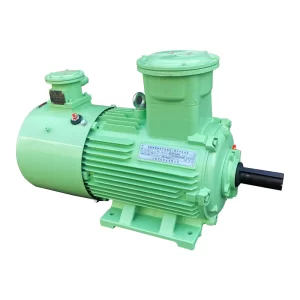
Energy consumption is a significant component of a pump system’s total cost of ownership. VFD-controlled systems, like our Intelligent Digital Driven VFD Booster System, offer substantial energy savings by adjusting motor speed to match demand. This reduces electricity bills and extends the lifespan of the equipment. When comparing systems, consider the IE (International Efficiency) ratings of the motors. Our IE3 Three-Phase Electric Motor and IE4 Three-Phase Electric Motor options provide high efficiency, contributing to lower operating costs.
Importance of Maintenance, Reliability, and After-Sales Support
Reliability and ease of maintenance are crucial, especially for industrial applications where downtime can be costly. Systems built with durable materials and advanced control features generally require less frequent maintenance. Access to spare parts and responsive after-sales support are also important considerations. Shanghai Yimai Industrial Co., Ltd. provides comprehensive support and readily available components for all our systems, ensuring minimal disruption. If you want to learn more about maintaining optimal performance, check out 《Optimizing Three-Phase Asynchronous Motor Reliability in Pump Systems: A Technical Guide》.
| Feature | Residential Booster Pumps | Industrial Booster Pumps |
|---|---|---|
| Flow Rate | Low (5-15 m³/h) | High (100-900+ m³/h) |
| Head | Low (20-40 m) | High (100-350+ m) |
| Power | Low (0.37-1.5 kW) | High (2.2-22+ kW) |
| Materials | Plastic, standard cast iron | Stainless steel, ductile iron |
| Control | Pressure switch (basic) | VFD, advanced automation |
| Durability | Moderate | High |
| Maintenance | Simple, infrequent | Specialized, scheduled |
| Cost (Initial) | Lower | Higher |
| Cost (Operating) | Moderate | Lower (with VFD) |
Shanghai Yimai Industrial Co., Ltd.’s Advanced Booster Pump Solutions
We offer a range of advanced booster pump solutions designed to meet diverse residential and industrial needs. Our commitment to quality and innovation ensures reliable and efficient water pressure management.
Intelligent Digital Driven VFD Booster Systems for Optimal Performance
Our Intelligent Digital Driven VFD Booster Systems provide precise pressure control and significant energy savings. These systems are equipped with internal CAN and external RS485 communication methods, allowing for seamless integration and monitoring. They are designed for applications requiring consistent pressure and high efficiency, with a maximum overload capacity of 120%.
Vertical Multi-Stage Centrifugal Pumps for High-Pressure Demands
For applications requiring high head and robust performance, our Vertical Multi-Stage Centrifugal Pumps are an ideal choice. These pumps are suitable for water supply, industrial processes, and water treatment systems, handling media temperatures up to 120℃. Their modular design allows for customization with various casing, impeller, and shaft materials to suit specific fluid characteristics.
Single Stage End Suction and In-Line Circulation Pumps for Versatile Use
Our Single Stage End Suction Volute Pumps are versatile solutions for water supply, air conditioning, and fire protection systems. They feature a compact design and high efficiency, with flow rates up to 4000 m³/h and heads up to 150 m. Similarly, our Single Stage In-Line Circulation Pumps are designed for HVAC, heating, and cooling systems, offering quiet operation and energy efficiency. These pumps ensure reliable fluid transport in closed-loop systems.
Contact Us for Tailored Booster Pump Solutions
Choosing the right booster pump system is a critical decision that impacts water supply reliability and operational costs. We invite you to contact our experts at Shanghai Yimai Industrial Co., Ltd. to discuss your specific requirements. We will help you select a system that delivers optimal performance and long-term value.
FAQs
What are the main indicators of a failing booster pump system?
Common indicators include fluctuating water pressure, unusual noises from the pump, frequent on/off cycling, visible leaks, or a complete loss of water pressure. Addressing these signs promptly can prevent further damage and costly repairs.
Can a residential booster pump be used for light industrial applications?
Generally, residential booster pumps are not suitable for industrial applications due to differences in performance, durability, and material specifications. Industrial environments demand higher flow rates, greater head, and more robust construction to withstand continuous operation and harsher conditions. Using a residential pump in an industrial setting can lead to premature failure and inefficient operation.
How does VFD technology improve the efficiency of booster pump systems?
VFD technology enhances efficiency by precisely matching the pump’s speed to the actual water demand. Instead of running at full speed constantly, the VFD adjusts the motor’s frequency, reducing energy consumption during periods of lower demand. This constant pressure control also minimizes wear on components, extending the system’s lifespan.
What maintenance is required for booster pump systems?
Regular maintenance for booster pump systems typically includes checking for leaks, inspecting seals and bearings, monitoring pressure gauges, and ensuring the control system functions correctly. For VFD-controlled systems, periodic calibration and software updates may also be necessary. Adhering to manufacturer guidelines ensures optimal performance and longevity.
How do I determine the right size booster pump for my needs?
Determining the correct pump size involves a comprehensive assessment of your specific requirements. This includes calculating the required flow rate (liters per minute or cubic meters per hour) and the total dynamic head (pressure needed to overcome friction and elevation changes). Consulting with our engineers ensures accurate sizing and optimal system performance.
Keywords:
booster pump systems, residential booster pumps, industrial booster pumps, VFD technology, water pressure, flow rate, energy efficiency