Pump Cavitation: Understanding Causes and Effective Prevention Strategies
Pump cavitation is a critical issue in industrial fluid dynamics. It significantly impacts pump longevity and operational efficiency. Understanding its causes and implementing effective prevention strategies can save substantial maintenance costs and ensure reliable system performance.
What is Pump Cavitation and Why It Matters
Cavitation occurs when vapor bubbles form in a liquid and then rapidly collapse. This phenomenon typically happens in areas of low pressure within a pump. The sudden collapse of these bubbles generates shockwaves, causing significant damage to pump components.
Defining Cavitation in Industrial Pumps
In industrial pumps, cavitation is the formation of vapor-filled cavities in the pumped liquid. These cavities are created when the local pressure of the liquid drops below its vapor pressure. The subsequent implosion of these bubbles near solid surfaces, like impellers or casings, leads to erosion and material fatigue. This process compromises the pump’s structural integrity over time.
The Detrimental Impact of Cavitation on Pump Performance
The effects of cavitation extend beyond physical damage. It causes a noticeable reduction in pump efficiency and flow rate. The energy absorbed by bubble formation and collapse is lost, leading to increased power consumption for the same output. Severe cavitation can also lead to complete pump failure, resulting in costly downtime and repairs. Early detection and prevention are crucial for maintaining operational continuity and minimizing expenses.
Identifying the Root Causes of Pump Cavitation
Several factors contribute to the onset of pump cavitation. Addressing these underlying issues is key to effective prevention.
Insufficient Net Positive Suction Head (NPSH) Available
Net Positive Suction Head (NPSH) is a critical parameter in pump system design. It represents the absolute pressure at the suction side of the pump. This pressure must be sufficient to push the liquid into the impeller and overcome frictional losses. If the available NPSH (NPSHa) falls below the pump’s required NPSH (NPSHr), cavitation will occur. This often happens due to high suction lift, long suction lines, or clogged filters.
High Fluid Temperature and Vapor Pressure Considerations
Fluid temperature directly influences its vapor pressure. As temperature increases, the vapor pressure rises. This makes it easier for the liquid to vaporize at lower pressures. Pumping hot liquids, such as in heat transfer applications using a Heat Conducting Oil Pump or industrial heating systems, significantly increases the risk of cavitation if not properly managed.
Improper Pump Selection and System Design Flaws
Selecting an incorrect pump for a specific application can lead to cavitation. A pump operating far from its best efficiency point (BEP) experiences increased turbulence and pressure drops. This makes it more susceptible to cavitation. Design flaws in the piping system, such as undersized suction pipes or excessive bends, also contribute to pressure losses and cavitation. Proper system design is essential to match pump characteristics with application requirements.
Other Contributing Factors to Cavitation Formation
- Excessive Flow Rate: Operating a pump beyond its design flow rate can create low-pressure zones.
- Air Entrainment: Air or gases entering the suction line can mimic vapor bubbles, causing similar damage.
- Worn Pump Components: Degraded impellers or casings can alter flow patterns, increasing cavitation risk.
- Sudden Valve Closures: Rapid changes in flow can create pressure surges and drops, inducing cavitation.
Recognizing the Signs and Symptoms of Pump Cavitation
Early recognition of cavitation symptoms can prevent extensive damage and costly repairs. Operators should be vigilant for specific indicators.
Audible Indicators: Noise and Vibrations in Pump Systems
One of the most common signs of cavitation is an unusual noise emanating from the pump. This noise is often described as a crackling sound, similar to gravel passing through the pump. It results from the violent collapse of vapor bubbles. Increased vibration levels are also typical. These vibrations can be felt on the pump casing or associated piping. Prolonged exposure to these conditions can lead to mechanical stress and fatigue in the pump and its supporting structures.
Visual Cues: Damage to Impellers and Pump Casings
Physical inspection of pump components can reveal direct evidence of cavitation. The implosion of vapor bubbles creates micro-jets that erode metal surfaces. This leads to characteristic pitting and damage on the impeller vanes and pump casing. This damage often appears as small, localized holes or rough areas. Such visual cues confirm the presence of cavitation and indicate the severity of the issue.
Performance Degradation: Reduced Flow and Efficiency Loss
Cavitation directly impacts pump performance. A noticeable drop in flow rate and discharge pressure occurs as the pump struggles to move liquid efficiently. The formation and collapse of vapor bubbles disrupt the smooth flow of liquid. This reduces the pump’s ability to transfer energy to the fluid. This inefficiency translates into higher energy consumption for a given output, increasing operational costs.
We recommend reviewing our article 《Building an Energy-Efficient Water Pumping System》 for more insights into optimizing pump performance.
Proven Strategies for Preventing Pump Cavitation
Preventing cavitation involves a combination of careful design, correct pump selection, and diligent operational practices.
Optimizing Net Positive Suction Head (NPSH) Requirements
Ensuring adequate NPSHa is fundamental to preventing cavitation. Several methods can achieve this:
- Lowering the Pump: Placing the pump closer to or below the liquid source increases the static suction head.
- Reducing Suction Line Losses: Use larger diameter suction pipes, minimize bends, and select low-resistance valves.
- Increasing Suction Pressure: In some cases, a booster pump can be installed upstream to increase the pressure at the main pump’s suction.
- Maintaining Fluid Levels: Ensure the liquid level in the suction tank remains above the minimum required.
Selecting the Right Pump for Specific Applications
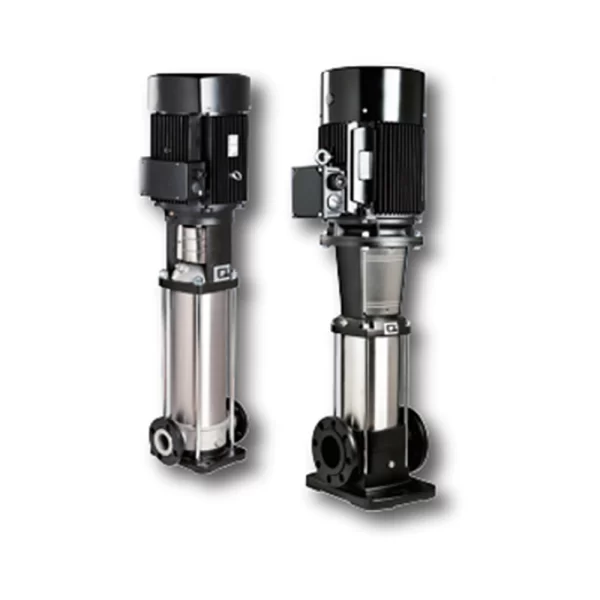
Proper pump selection is crucial. Match the pump’s operating characteristics to the system requirements. Consider the fluid type, temperature, flow rate, and head. For instance, a Vertical Multi-Stage Centrifugal Pump might be suitable for high-head applications, while a Single stage end suction volute pump is ideal for general water supply. Consult pump performance curves to ensure the pump operates efficiently within its design envelope. Choosing a pump with a lower NPSHr than the available NPSHa is always a good practice.
Implementing Proper System Design and Installation Practices
A well-designed and installed piping system minimizes pressure losses and turbulence.
- Short and Straight Suction Lines: Keep suction piping as short and straight as possible.
- Smooth Transitions: Use gradual reducers and expanders to avoid abrupt changes in pipe diameter.
- Avoid Air Pockets: Design suction lines to prevent air accumulation, which can lead to air entrainment.
- Proper Valve Placement: Position valves to minimize turbulence upstream of the pump.
Regular Maintenance and Monitoring for Early Detection
Consistent maintenance and monitoring are essential for preventing cavitation.
- Routine Inspections: Regularly check pump components for signs of wear and tear, such as pitting or erosion.
- Vibration Analysis: Use vibration monitoring equipment to detect abnormal vibration levels early.
- Noise Monitoring: Train operators to recognize the characteristic sounds of cavitation.
- Performance Tracking: Monitor flow rates, pressures, and power consumption. Deviations from normal operating parameters can indicate cavitation.
For more information on optimizing pump system reliability, see our article 《Optimizing Three-Phase Asynchronous Motor Reliability in Pump Systems: A Technical Guide》.
Shanghai Yimai Industrial Co., Ltd. Solutions for Reliable Pumping Systems
At Shanghai Yimai Industrial Co., Ltd., we specialize in providing pumping solutions engineered to minimize cavitation and maximize operational lifespan. Our commitment to quality and innovation ensures that our products meet the demanding requirements of various industrial applications.
Enhancing Pump Durability and Performance
We design our pumps with advanced hydraulic features and robust materials. This approach reduces the likelihood of cavitation. Our impellers are precisely balanced and manufactured to ensure smooth fluid flow, minimizing turbulence and pressure drops. We utilize high-grade materials that resist erosion, even in challenging operating conditions. This enhances the durability and extends the service life of our pumps.
Our Range of Pumps Designed for Optimal Operation
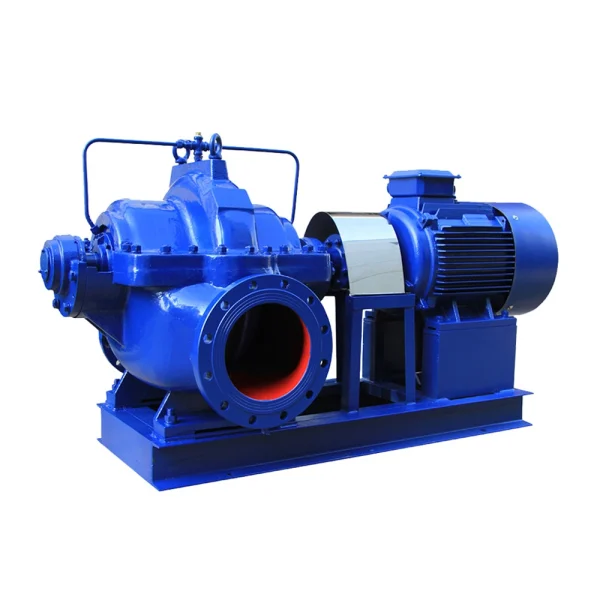
Our diverse product portfolio includes pumps specifically designed to operate efficiently and resist cavitation. For example, our Split casing double suction pump offers high efficiency and reduced NPSHr, making it ideal for large flow applications. Our Vertical Multi-Stage Centrifugal Pump is engineered for high-pressure systems, ensuring stable performance without cavitation. We also offer Intelligent Digital Driven VFD Booster System that intelligently regulate pressure, further mitigating cavitation risks.
We invite you to explore our comprehensive range of pumping solutions.
Partner with Us for Cavitation-Free Pumping
Preventing pump cavitation is crucial for the longevity and efficiency of your industrial operations. By understanding its causes and implementing effective strategies, you can safeguard your equipment and optimize performance. Our team at Shanghai Yimai Industrial Co., Ltd. is dedicated to providing reliable, high-performance pumping solutions designed to resist cavitation. Contact us today to discuss your specific needs and discover how our expertise can benefit your operations.
FAQs
What are the most common types of cavitation?
The most common types of cavitation are suction cavitation and discharge cavitation. Suction cavitation occurs due to insufficient NPSHa, leading to vapor bubble formation at the pump inlet. Discharge cavitation, also known as recirculation cavitation, happens when high-pressure liquid recirculates within the pump, creating low-pressure zones that cause bubbles to form and collapse.
How can I calculate NPSHa for my pump system?
NPSHa (Net Positive Suction Head available) is calculated by considering the atmospheric pressure, static head (liquid level), vapor pressure of the fluid, and all friction losses in the suction piping. The formula is typically NPSHa = (Patm / ρg) + Hs – Hvp – Hf, where Patm is atmospheric pressure, ρ is fluid density, g is gravity, Hs is static head, Hvp is vapor pressure head, and Hf is friction loss head.
What role does fluid temperature play in cavitation?
Fluid temperature significantly influences cavitation because vapor pressure increases with temperature. As the fluid gets hotter, it requires less pressure to vaporize. This means pumps handling high-temperature liquids are more susceptible to cavitation if the suction pressure is not adequately maintained above the fluid’s elevated vapor pressure.
Can cavitation be reversed once it starts?
Once cavitation starts, the physical damage (pitting, erosion) to pump components is irreversible. However, the process of cavitation can be stopped by addressing its root causes, such as increasing NPSHa, reducing fluid temperature, or adjusting pump operating parameters. Early intervention is key to preventing further damage.
How does Shanghai Yimai Industrial Co., Ltd. ensure pump reliability?
We ensure pump reliability through meticulous design, using high-quality materials, and advanced manufacturing processes. Our pumps feature optimized hydraulic designs to minimize turbulence and pressure drops, reducing cavitation risk. Additionally, our intelligent control systems, like the VFD Controlled Booster System, actively manage operating conditions to prevent cavitation and extend pump life.
Keywords:
Pump Cavitation, Cavitation Prevention, NPSH, Pump Damage, Industrial Pumps