
Mastering Water Pump Piping Layout: Essential Best Practices for Optimal Performance
Effective water pump piping layout is crucial for system efficiency and longevity. Suboptimal designs lead to increased energy consumption, premature equipment failure, and operational disruptions. This guide provides essential best practices to optimize your water pump systems, ensuring reliable performance and reduced maintenance costs.
Understanding the Fundamentals of Water Pump Piping Design
Proper piping design directly impacts a pump’s efficiency and operational lifespan. A well-designed system minimizes energy losses and prevents common issues. Understanding the fundamental principles of hydraulic systems is essential for achieving these goals.
The Critical Role of Proper Piping in Pump Efficiency
Piping directly influences the total dynamic head (TDH) a pump must overcome. Inefficient piping, characterized by excessive bends, sudden diameter changes, or undersized pipes, significantly increases friction losses. These losses force the pump to work harder, consuming more energy and reducing its operational efficiency. For example, a 10% reduction in friction loss can translate to a 5% energy saving, directly impacting operational costs over time. Furthermore, poor piping can lead to flow turbulence, which degrades pump performance and increases wear on internal components.
Key Principles of Hydraulic System Design
Hydraulic system design for water pumps adheres to several core principles:
- Minimizing Friction Loss: Friction loss is proportional to pipe length, fluid velocity, and pipe roughness, and inversely proportional to pipe diameter. Selecting larger pipe diameters and minimizing the number of fittings reduces these losses.
- Ensuring Adequate Net Positive Suction Head (NPSH): NPSH available (NPSHa) must always exceed NPSH required (NPSHr) to prevent cavitation. This involves careful consideration of suction pipe design, liquid temperature, and atmospheric pressure.
- Controlling Fluid Velocity: Maintaining appropriate fluid velocities prevents excessive head loss and reduces the risk of erosion, water hammer, and noise. Typical recommended velocities range from 1.5 to 3 meters per second for discharge lines and 0.6 to 1.5 meters per second for suction lines.
- Preventing Air Entrainment: Air pockets in the suction line can lead to air binding and cavitation. Proper pipe slopes and the avoidance of high points in the suction line are critical.
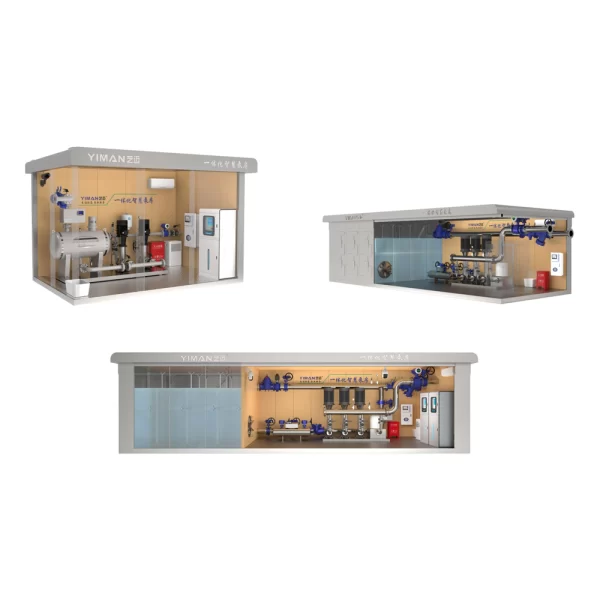
Essential Best Practices for Water Pump Piping Layout
Implementing specific best practices during the design and installation phases ensures optimal performance and reliability of water pump systems. These practices focus on optimizing flow, selecting appropriate materials, and integrating necessary control components.
Optimizing Suction and Discharge Piping for Performance
The design of both suction and discharge piping is paramount for pump efficiency and longevity.
- Suction Piping:
- Short and Straight: Keep suction lines as short and straight as possible to minimize friction and head loss.
- Adequate Diameter: Use a pipe diameter at least one size larger than the pump’s suction nozzle. This reduces velocity and friction, improving NPSHa.
- Avoid Elbows Near Pump Inlet: Install a straight run of pipe, typically 5 to 10 pipe diameters in length, before the pump suction to ensure uniform flow into the impeller.
- Eccentric Reducers: When reducing pipe size to match the pump suction, use eccentric reducers with the flat side up for horizontal suction lines. This prevents air pockets from forming at the top of the pipe.
- Foot Valves and Strainers: If a foot valve is used, ensure it has a large enough area to minimize head loss and is equipped with a strainer to prevent debris from entering the pump.
- Discharge Piping:
- Gradual Expansion: Use a gradual expander (conical reducer) immediately after the pump discharge to convert velocity head into pressure head efficiently.
- Check Valves and Isolation Valves: Install a check valve immediately after the pump discharge to prevent backflow when the pump stops. A gate valve or butterfly valve should follow the check valve for isolation during maintenance.
- Support and Alignment: Ensure all piping is adequately supported to prevent strain on the pump casing. Proper alignment minimizes vibration and stress on connections.
Selecting Appropriate Pipe Materials and Sizes
The choice of pipe material and size significantly impacts system performance and cost.
- Pipe Materials:
- Corrosion Resistance: Select materials resistant to the pumped fluid and environmental conditions. Common materials include ductile iron, PVC, stainless steel, and fiberglass-reinforced plastic (FRP). For corrosive fluids, specialized alloys or lined pipes may be necessary.
- Pressure and Temperature Ratings: Ensure the chosen material can withstand the system’s maximum operating pressure and temperature.
- Cost and Installation: Consider the total installed cost, including material, labor, and maintenance.
- Pipe Sizes:
- Economic Velocity: Balance initial pipe cost with long-term energy costs due to friction. Larger pipes have lower friction but higher capital cost.
- Pressure Drop Calculations: Perform detailed calculations to determine optimal pipe diameters based on flow rate, fluid properties, and desired pressure drop.
- Standard Pipe Schedules: Adhere to industry standards for pipe schedules (e.g., Schedule 40, Schedule 80) to ensure mechanical integrity.
Incorporating Valves and Fittings for Control and Maintenance
Valves and fittings are essential for controlling flow, isolating equipment, and facilitating maintenance.
- Isolation Valves: Gate valves or ball valves are commonly used on both suction and discharge sides for complete isolation of the pump.
- Check Valves: Swing check valves or silent check valves prevent backflow and protect the pump from water hammer.
- Control Valves: Globe valves or butterfly valves are used for throttling and regulating flow.
- Pressure Gauges: Install pressure gauges on both suction and discharge lines to monitor pump performance and identify issues.
- Drain Valves: Include drain valves at low points for system draining during maintenance.
- Vent Valves: Install vent valves at high points to release trapped air.
- Expansion Joints: Use expansion joints or flexible connectors to absorb thermal expansion and contraction, and to reduce vibration transmission from the pump to the piping.
Recommended reading: 《Building an Energy-Efficient Water Pumping System》
Common Challenges and Solutions in Pump Piping Systems
Even with careful design, water pump systems can encounter operational challenges. Proactive measures and effective solutions are essential for maintaining system integrity and efficiency.
Mitigating Cavitation and Water Hammer Effects
Cavitation and water hammer are two of the most destructive phenomena in pump systems.
- Cavitation Mitigation:
- Increase NPSHa: Raise the liquid level in the suction tank, reduce suction pipe length, increase suction pipe diameter, or lower the pump’s elevation.
- Reduce NPSHr: Select a pump with a lower NPSHr, or operate the pump at a lower speed.
- Maintain Proper Fluid Temperature: Ensure the fluid temperature does not exceed the pump’s design limits, as higher temperatures reduce NPSHa.
- Water Hammer Prevention:
- Slow-Closing Check Valves: Use check valves designed for slow closure to prevent rapid flow reversal.
- Surge Tanks: Install surge tanks or standpipes to absorb pressure transients.
- Pressure Relief Valves: Incorporate pressure relief valves to discharge excess pressure.
- Variable Speed Drives: Utilize variable speed drives to control pump start-up and shut-down rates, preventing sudden pressure changes.
Addressing Vibration and Noise Issues
Excessive vibration and noise indicate underlying problems that can lead to mechanical failure.
- Isolation: Use flexible connectors and vibration isolators between the pump and piping to prevent the transmission of vibrations.
- Support: Ensure adequate pipe supports are in place to prevent sagging and misalignment.
- Alignment: Maintain precise alignment between the pump and motor. Misalignment is a common cause of vibration.
- Flow Optimization: Smooth flow paths, proper pipe sizing, and avoidance of sharp bends reduce turbulence, which can cause noise and vibration.
- Foundation: Mount the pump on a rigid, properly designed foundation to absorb vibrations.
Ensuring System Reliability and Longevity
Long-term reliability is achieved through robust design, quality components, and diligent maintenance.
- Component Selection: Choose high-quality pumps, valves, and fittings from reputable manufacturers. Consider the specific application and fluid characteristics when selecting components.
- Material Compatibility: Ensure all materials in contact with the fluid are compatible to prevent corrosion and degradation.
- Scheduled Maintenance: Implement a preventative maintenance schedule that includes regular inspections, lubrication, and replacement of wear parts.
- Monitoring Systems: Install sensors and monitoring equipment to track key performance indicators such as pressure, flow, temperature, and vibration. This allows for early detection of potential issues.
- Redundancy: For critical applications, consider installing redundant pumps or piping loops to ensure continuous operation in case of failure.
Advanced Considerations for Specific Pump Applications
Different pump types and applications require specialized piping considerations to maximize their unique advantages.
Piping Layout for Centrifugal Pumps
Centrifugal pumps are widely used due to their versatility and efficiency. Proper piping is crucial for their optimal operation.
- Suction Side: For centrifugal pumps, a straight run of pipe, typically 5 to 10 times the suction pipe diameter, should precede the pump inlet. This ensures laminar flow and prevents turbulence that could lead to cavitation. Avoid elbows or valves directly at the pump suction flange.
- Discharge Side: Install a check valve immediately after the pump discharge to prevent backflow. Follow this with an isolation valve for maintenance. Use a gradual diffuser to reduce fluid velocity and recover pressure efficiently.
- Vibration Control: Centrifugal pumps can generate significant vibration. Employ flexible connectors and sturdy pipe supports to minimize vibration transmission to the surrounding structure.
We offer a wide range of Centrifugal Pump solutions tailored to various industrial needs.
Piping Layout for Positive Displacement Pumps
Positive displacement pumps, such as screw pumps or piston pumps, operate differently from centrifugal pumps and require distinct piping considerations.
- Suction Side: Suction lines for positive displacement pumps should also be as short and straight as possible. However, due to their ability to handle higher suction lifts, the primary concern is minimizing pressure drop to avoid cavitation, especially with viscous fluids.
- Discharge Side: A pulsation dampener or accumulator is often necessary on the discharge side to smooth out the pulsating flow inherent in positive displacement pumps. This protects downstream equipment and reduces noise. A relief valve is also essential to protect the pump and system from overpressure, as these pumps can generate very high pressures if the discharge is blocked.
- Pipe Sizing: Pipe sizing for positive displacement pumps often requires larger diameters than for centrifugal pumps to keep fluid velocities low, especially with high-viscosity fluids, to minimize pressure drop.
Consider our Stainless steel single screw pump for applications requiring precise flow and high pressure.
Integrating Shanghai Yimai Industrial Co., Ltd. Pumps into Efficient Systems
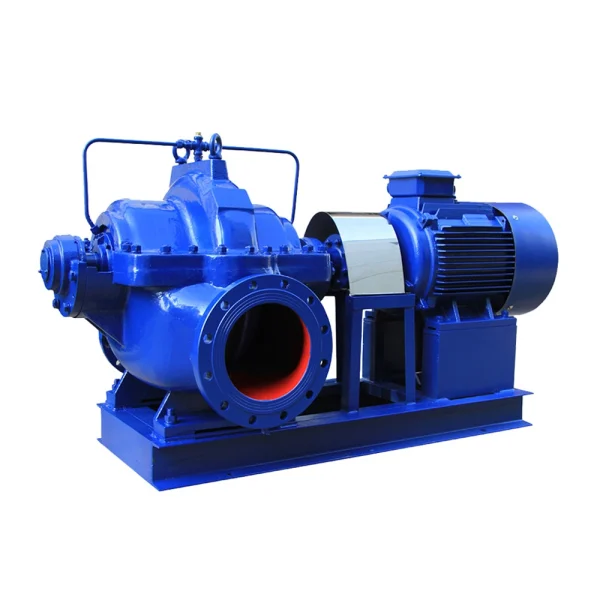
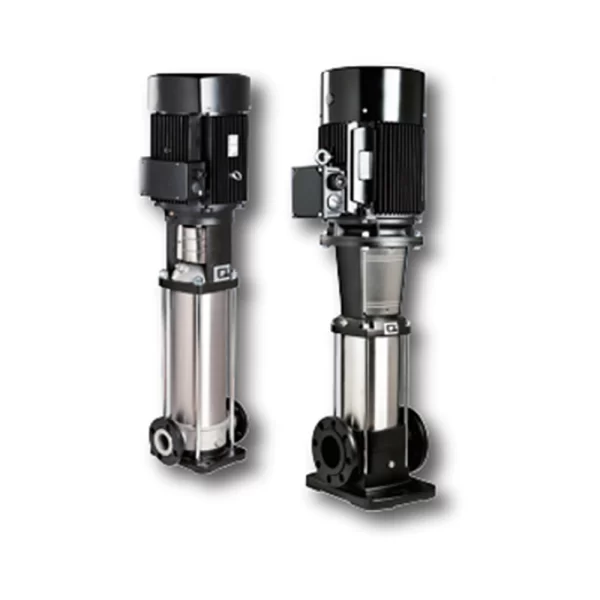
At Shanghai Yimai Industrial Co., Ltd., we design our pumps with ease of integration and optimal performance in mind. Our product range, including Vertical Multi-Stage Centrifugal Pumps and Split Casing Double Suction Pumps, benefits significantly from adherence to these piping best practices.
For instance, when integrating our Vertical Multi-Stage Centrifugal Pump, ensuring a clean, non-flammable, and non-explosive liquid without solid particles or fibers is critical for its specified max flow rate of 335 m³/h and max head of 350 m. For applications requiring high flow and efficiency, our Split Casing Double Suction Pump, with a max flow rate of 3975 m³/h, thrives with properly sized and supported piping that minimizes turbulence and pressure loss. We provide detailed installation guidelines and technical support to help our clients achieve the highest levels of system efficiency and reliability.
Recommended reading: 《Complete Guide to Wholesale Vertical Multi-Stage Centrifugal Pump》
Optimize Your Water Pumping Systems Today
Achieving optimal performance and longevity for your water pumping systems begins with meticulous piping layout. By applying these best practices, you can significantly enhance efficiency, reduce operational costs, and minimize maintenance requirements. Our team at Shanghai Yimai Industrial Co., Ltd. is ready to assist you in designing and implementing piping solutions that complement our high-quality pumps, ensuring your system operates at its peak.
Contact our specialists to explore tailored solutions and optimize your water pump piping layout.
FAQs
What are the main objectives of good water pump piping layout?
The primary objectives are to ensure efficient fluid transfer, minimize energy consumption, prevent equipment damage from issues like cavitation or water hammer, and facilitate easy maintenance. Proper layout also extends the lifespan of the pump and associated components.
How does pipe diameter affect pump performance?
Pipe diameter significantly influences friction loss within the system. A smaller diameter increases fluid velocity, leading to higher friction loss and requiring the pump to generate more head, thus consuming more energy. Conversely, an excessively large diameter can lead to lower fluid velocities, potentially causing solids to settle in the pipe or reducing the effectiveness of certain pump types.
What are the risks of improper suction piping?
Improper suction piping can lead to several critical issues, including cavitation, air entrainment, and excessive head loss. Cavitation can severely damage pump components, while air entrainment reduces pump efficiency and can cause air binding. High suction head loss forces the pump to operate outside its optimal range, leading to reduced performance and premature wear.
When should flexible connectors be used in pump piping?
Flexible connectors should be used at the pump’s suction and discharge connections. They absorb vibrations generated by the pump, reduce stress on the piping system due to thermal expansion or contraction, and compensate for minor misalignments during installation. This helps prevent leaks and extends the life of both the pump and the piping.
How often should pump piping systems be inspected?
Regular inspections are crucial for maintaining system integrity. We recommend visual inspections monthly for signs of leaks, corrosion, or vibration. A more thorough inspection, including pressure testing and flow verification, should be conducted annually or bi-annually, depending on the system’s criticality and operating conditions.
Keywords
Keyword: water pump piping layout, pump efficiency, hydraulic system design, cavitation, water hammer, Vertical Multi-Stage Centrifugal Pump, Split Casing Double Suction Pump