
How to Fix Noisy or Vibrating Water Pumps: A Comprehensive Troubleshooting Guide
Water pumps are essential for many industrial and domestic applications. When a water pump becomes noisy or vibrates excessively, it signals a potential problem. Addressing these issues promptly prevents costly damage and maintains system efficiency. This guide provides a comprehensive approach to troubleshooting and resolving common water pump noise and vibration issues.
Understanding the Causes of Water Pump Noise and Vibration
Identifying the root cause of pump noise and vibration is crucial for effective repair. Various factors contribute to these issues, ranging from minor operational quirks to serious mechanical failures. Understanding these causes helps in accurate diagnosis.
Common Sources of Pump Noise
Pump noise often indicates specific problems. A high-pitched whine might suggest bearing issues. A rattling sound could point to loose components. Gurgling noises typically indicate air in the system. Each type of noise provides a clue about the underlying problem.
Identifying Different Types of Vibration
Vibration is another critical indicator of pump health. Mechanical vibration, often felt throughout the pump body, may stem from misalignment or unbalanced rotating parts. Hydraulic vibration, less common but equally problematic, results from turbulent flow or cavitation. Acoustic vibration transmits through the piping system, often caused by pressure fluctuations. Precise identification of the vibration type guides troubleshooting efforts.
The Impact of Noise and Vibration on Pump Performance
Excessive noise and vibration significantly reduce a pump’s lifespan and operational efficiency. Prolonged vibration can lead to premature wear of bearings, seals, and other critical components. This results in increased maintenance costs and potential system downtime. A noisy pump also creates an unpleasant working environment. Addressing these issues improves both performance and longevity.
Recommended reading: 《Building an Energy-Efficient Water Pumping System》
Step-by-Step Troubleshooting for Noisy Water Pumps
A systematic approach to troubleshooting noisy pumps helps pinpoint the exact problem. We recommend starting with the most common issues and progressing to more complex diagnostics.
Checking for Cavitation and Air Leaks
Cavitation is a frequent cause of pump noise, characterized by a sound similar to gravel passing through the pump. This occurs when air bubbles form and collapse within the fluid.
To check for cavitation:
1. Inspect the suction line: Ensure the suction pipe is free from obstructions and adequately sized.
2. Verify fluid level: Confirm the fluid level in the supply tank is sufficient to prevent air entrainment.
3. Check for air leaks: Examine all connections, seals, and flanges on the suction side for any signs of air ingress. Even small leaks can introduce air into the system.
4. Monitor pressure gauges: A fluctuating suction pressure often indicates cavitation.
Inspecting Impeller and Casing for Damage
Damage to the impeller or casing can cause significant noise and reduced performance.
Steps for inspection:
1. Shut down and lock out the pump: Prioritize safety by disconnecting power.
2. Drain the pump: Remove all fluid from the pump casing.
3. Open the casing: Carefully disassemble the pump to access the impeller.
4. Examine the impeller: Look for cracks, erosion, foreign objects, or signs of wear.
5. Inspect the casing: Check for internal damage, corrosion, or debris buildup.
Replacing damaged components is often necessary to restore quiet operation.
Lubrication Issues and Bearing Wear
Inadequate lubrication or worn bearings are common culprits for grinding or squealing noises.
To assess lubrication and bearings:
1. Check lubricant levels: Ensure all bearings have the correct amount of lubricant.
2. Examine lubricant quality: Look for discoloration or contamination in the lubricant.
3. Listen to bearings: Use a stethoscope to pinpoint unusual sounds coming from the bearings.
4. Inspect bearing housing: Check for excessive heat or vibration around the bearing areas.
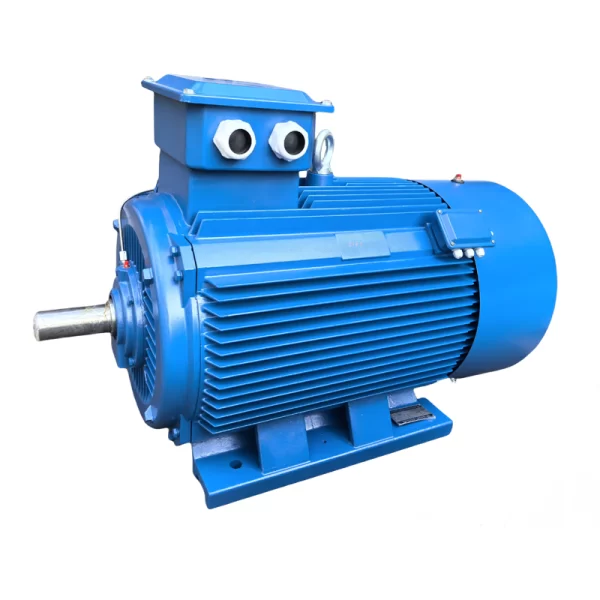
Proper lubrication and timely bearing replacement are critical for smooth operation. We offer a range of reliable Electric Motor options that integrate seamlessly with various pump types, ensuring longevity.
Effective Solutions for Vibrating Water Pumps
Vibration can be more destructive than noise alone. Addressing it requires careful attention to mechanical and structural integrity.
Addressing Misalignment and Unbalance
Misalignment between the pump and motor shafts, or an unbalanced impeller, are primary causes of vibration.
Solutions include:
1. Perform a coupling alignment: Use precision alignment tools to ensure the pump and motor shafts are perfectly aligned.
2. Balance the impeller: If the impeller is suspected of being unbalanced, it should be removed and professionally balanced.
3. Inspect coupling condition: Check the coupling for wear, damage, or improper installation.
Proper alignment reduces stress on bearings and seals, extending component life.
Securing Mounting and Piping Systems
Loose mounting or improperly supported piping can amplify vibrations.
Corrective actions:
1. Tighten mounting bolts: Ensure the pump is securely bolted to its foundation.
2. Inspect the foundation: Check for cracks or instability in the pump’s base.
3. Add pipe supports: Install additional supports to reduce stress and vibration in the piping system.
4. Use flexible connectors: Implement flexible connectors to isolate pump vibration from the piping.
Evaluating Motor and Coupling Health
The motor and coupling play vital roles in overall pump system stability.
Assessment steps:
1. Check motor bearings: Listen for unusual noises from the motor bearings, similar to pump bearings.
2. Measure motor vibration: Use a vibration analyzer to quantify motor vibration levels.
3. Inspect coupling integrity: Ensure the coupling is free from cracks, wear, or excessive play.
4. Verify motor electrical parameters: Check voltage, current, and phase balance to rule out electrical issues.
Preventive Maintenance to Avoid Future Issues
Preventive maintenance is key to minimizing unscheduled downtime and extending the operational life of water pumps. A proactive approach saves resources in the long run.
Regular Inspection and Servicing Schedules
Establishing a routine inspection and servicing schedule is essential.
Key maintenance activities:
* Daily checks: Monitor pump pressure, temperature, and noise levels.
* Weekly checks: Inspect seals for leaks, check lubrication levels, and examine mounting bolts.
* Monthly checks: Conduct detailed visual inspections of the pump, motor, and piping.
* Annual servicing: Perform comprehensive overhauls, including bearing replacement and impeller inspection.
Adhering to these schedules helps detect potential issues before they escalate.
Importance of Proper Installation Techniques
Correct installation is fundamental to preventing noise and vibration.
Installation best practices:
1. Ensure a rigid foundation: The pump foundation must be stable and level.
2. Minimize pipe strain: Design piping to avoid imposing undue stress on the pump connections.
3. Use appropriate isolation: Install vibration isolators where necessary to prevent vibration transmission.
4. Follow manufacturer guidelines: Always adhere to the pump manufacturer’s specific installation instructions.
Proper installation sets the stage for reliable, quiet operation.
Choosing the Right Pump for Your Application
Selecting the correct pump for a specific application is critical for optimal performance and minimal issues.
Considerations for pump selection:
* Flow rate and head requirements: Match the pump’s capabilities to the system’s demands.
* Fluid characteristics: Account for the type, temperature, and viscosity of the fluid being pumped.
* Operating environment: Choose a pump designed for the specific environmental conditions.
* Efficiency ratings: Opt for pumps with high efficiency to reduce energy consumption.
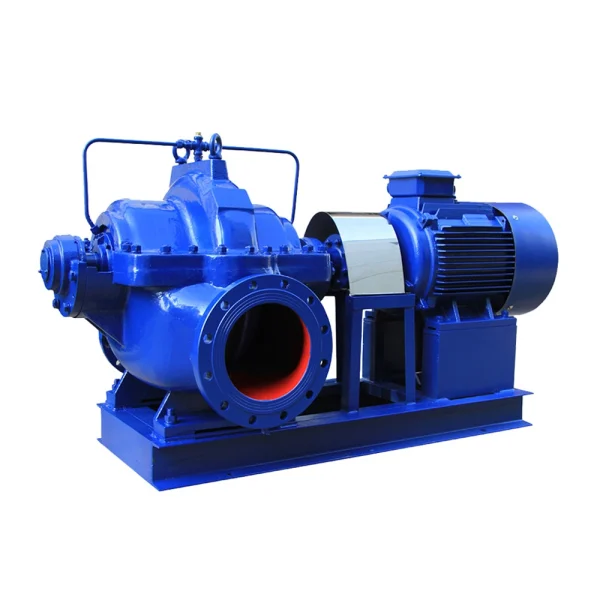
For specialized applications, such as high-temperature fluid circulation, a Heat Conducting Oil Pump is designed for stable performance up to 350°C. Similarly, for demanding industrial applications, a Split casing double suction pump offers high efficiency fluid handling.
When to Seek Professional Assistance
While many troubleshooting steps can be performed in-house, some situations warrant professional intervention. Recognizing these instances is crucial for safety and effective resolution.
Recognizing Complex Problems
Certain problems are beyond the scope of routine maintenance or in-house expertise.
These include:
* Persistent cavitation: If cavitation continues despite basic troubleshooting, it may indicate a system design flaw.
* Severe structural damage: Cracks in the pump casing or foundation require expert assessment.
* Repeated component failures: Frequent bearing or seal failures suggest deeper underlying issues.
* High vibration levels: If vibration analysis reveals critical levels, specialized balancing or repair is needed.
The Role of Professional Diagnostics and Repair
Professional services offer specialized tools and expertise for complex pump issues.
Benefits of professional help:
* Advanced diagnostic equipment: Professionals use vibration analyzers, thermal imaging, and other tools for precise diagnosis.
* Expert knowledge: Experienced technicians can identify subtle issues and recommend optimal solutions.
* Specialized repair capabilities: They have the equipment and skills for complex repairs, such as impeller balancing or shaft alignment.
* Warranty and guarantees: Professional repairs often come with warranties, providing assurance of quality.
If you are experiencing persistent issues with your water pump, consider reaching out to specialists. We offer advanced diagnostic services and repair solutions to restore your pump’s optimal performance.
Recommended reading: 《Optimizing Three-Phase Asynchronous Motor Reliability in Pump Systems: A Technical Guide》
Partner with Us for Reliable Pump Solutions
Maintaining water pumps in optimal condition is essential for operational continuity and efficiency. Our expertise in pump and motor systems ensures that your equipment runs smoothly and reliably. We provide comprehensive support, from troubleshooting and repair to preventive maintenance and system optimization.
FAQs
What are the most common causes of water pump noise?
The most common causes of water pump noise include cavitation, air leaks in the suction line, worn bearings, damaged impellers, and misalignment. Each of these issues produces distinct sounds, which can help in diagnosing the problem. Addressing these causes promptly prevents further damage and ensures efficient operation.
How can I tell if my water pump is cavitating?
Cavitation typically produces a sound similar to gravel or marbles passing through the pump. You might also observe fluctuating pressure readings on the suction side, reduced flow, and increased vibration. Visually inspecting the impeller for pitting or erosion can also confirm cavitation.
Is it normal for a water pump to vibrate slightly?
Some minor vibration is normal for most rotating machinery, including water pumps. However, excessive or unusual vibration indicates a problem. A vibration level exceeding 0.1 inches per second (IPS) is generally considered problematic and requires investigation. Regular monitoring helps distinguish normal operation from developing issues.
When should I replace my water pump instead of repairing it?
Consider replacing your water pump if it requires frequent repairs, if the cost of repair exceeds 50% of a new pump’s cost, or if the pump’s efficiency has significantly decreased. Older pumps with obsolete parts or those that consume excessive energy are also good candidates for replacement.
What preventive measures can extend my water pump’s lifespan?
Regular preventive maintenance is crucial. This includes routine inspections, checking lubrication levels, ensuring proper alignment, and keeping the system free from air leaks and cavitation. Additionally, operating the pump within its specified parameters and selecting the right pump for the application significantly extends its lifespan.
Keywords
How to Fix Noisy Water Pumps, Vibrating Water Pumps Troubleshooting, Water Pump Maintenance, Pump Cavitation, Pump Bearing Wear