
Mastering Pump and Motor Alignment: A Comprehensive Guide for Optimal Performance
Achieving precise pump and motor alignment is crucial for industrial machinery. Proper alignment extends equipment lifespan, reduces maintenance costs, and ensures optimal operational efficiency. This guide provides essential insights and practical steps for industrial maintenance engineers and technicians.
Understanding the Critical Importance of Proper Alignment
Accurate alignment between pumps and motors is fundamental to the reliability and performance of rotating machinery. Misalignment, even slight, introduces stresses that compromise system integrity. For instance, a misaligned Heat Conducting Oil Pump paired with an IE3 Three-Phase Electric Motor will experience premature wear. This wear affects bearings, seals, and couplings, leading to costly downtime and repairs. Investing in correct alignment practices safeguards your equipment and optimizes your operational budget.
The Detrimental Effects of Misalignment on Pump and Motor Systems
Misalignment causes a cascade of negative effects on pump and motor systems. These issues include increased vibration, elevated operating temperatures, and excessive power consumption. Increased vibration can loosen fasteners and damage foundations. Higher temperatures accelerate lubricant degradation and component failure. Excessive power consumption directly impacts energy efficiency, driving up operational expenses. For example, a misaligned Split Casing Double Suction Pump will consume more energy than an aligned one. 《Optimizing Three-Phase Asynchronous Motor Reliability in Pump Systems: A Technical Guide》
| Misalignment Effect | Impact on System | Financial Consequence |
|---|---|---|
| Increased Vibration | Bearing & Seal Failure | High Repair Costs |
| Higher Temperatures | Lubricant Degradation | Reduced Component Life |
| Energy Waste | Reduced Efficiency | Increased Utility Bills |
| Premature Failure | Unplanned Downtime | Production Losses |
Consider a vertical pump operating with significant misalignment. This can lead to rapid deterioration of its mechanical seals and bearings. This reduces the pump’s overall service life and increases the frequency of necessary repairs.
Essential Principles and Types of Pump and Motor Alignment
Understanding the principles and various methods of alignment is key to successful implementation. Proper alignment ensures that the rotational centers of the pump and motor shafts are collinear. This minimizes reaction forces on the coupling and connected components.
Defining Different Alignment Methods: Rough, Precision, and Laser Alignment
Different alignment methods offer varying levels of accuracy and are suitable for different applications.
- Rough Alignment: This initial alignment method uses basic tools like straightedges and feeler gauges. It provides an approximate alignment, typically suitable for initial installations or non-critical applications.
- Precision Alignment: This method employs dial indicators to achieve more accurate alignment. It measures both angular and parallel misalignment, providing better results than rough alignment.
- Laser Alignment: Laser alignment systems offer the highest precision. They use laser beams and detectors to measure misalignment with extreme accuracy, often in real-time. This method is ideal for critical equipment like a Heat Conducting Oil Pump or a high-efficiency IE4 Three-Phase Electric Motor. 《Optimizing Industrial Heating: A Deep Dive into the Heat Conduction Oil Pump》
Key Alignment Parameters and Tolerances for Industrial Pumps
Alignment parameters typically include parallel offset and angularity. Parallel offset refers to the distance between the centerlines of the two shafts. Angularity describes the angle between the two shafts. Tolerances define the maximum permissible misalignment for reliable operation. These tolerances vary based on equipment type, speed, and coupling design. Adhering to manufacturer-specified tolerances is critical for optimal performance and longevity.
Step-by-Step Guide to Achieving Correct Pump and Motor Alignment
Achieving correct alignment requires a systematic approach. This involves thorough preparation, precise execution, and diligent verification.
Pre-Alignment Checks and Preparations for Successful Setup
Before starting any alignment procedure, several critical checks and preparations are necessary:
- Safety First: Ensure all power is locked out and tagged out. Follow all relevant safety protocols.
- Cleanliness: Clean baseplates, feet, and coupling hubs thoroughly. Remove any rust, paint, or debris.
- Foundation Integrity: Verify the foundation is level, rigid, and free from cracks or damage. A stable foundation prevents movement during operation.
- Soft Foot Check: Perform a soft foot check on both the pump and motor. Soft foot occurs when one or more machine feet do not sit flush on the baseplate. This causes distortion in the machine casing. Correct soft foot by shimming the loose foot until all feet are evenly supported.
- Rough Alignment: Perform a preliminary alignment using a straightedge to get the shafts approximately aligned.
- Gather Tools: Collect all necessary tools, including shims, wrenches, and your chosen alignment equipment (dial indicators or laser alignment system).
Detailed Procedures for Mechanical and Laser Alignment Techniques
Mechanical Alignment (Dial Indicators):
- Mount Dial Indicators: Securely mount dial indicators to measure both radial (parallel offset) and axial (angular) misalignment.
- Take Initial Readings: Rotate both shafts together, taking readings at 90-degree intervals (0°, 90°, 180°, 270°). Record these readings carefully.
- Calculate Misalignment: Use a systematic calculation method to determine the amount of parallel and angular misalignment.
- Adjust Motor: Make vertical adjustments by adding or removing shims under the motor feet. Make horizontal adjustments by moving the motor sideways on the baseplate.
- Re-check and Repeat: After each adjustment, re-check the alignment readings. Repeat the process until both parallel and angular misalignment are within specified tolerances.
Laser Alignment:
- Mount Laser Units: Attach the laser transmitter and receiver units to the pump and motor shafts.
- Enter Dimensions: Input the relevant machine dimensions (e.g., coupling diameter, distance between feet) into the laser alignment device.
- Take Readings: The laser system will guide you through taking initial readings by rotating the shafts.
- Real-Time Adjustments: The system provides real-time feedback on misalignment. Adjust the motor vertically with shims and horizontally by moving the motor.
- Verify: Continue adjustments until the laser system indicates that alignment is within tolerance. The precision of laser alignment ensures high accuracy and reduces human error.
Verifying Alignment Accuracy and Post-Alignment Best Practices
After achieving the desired alignment, thorough verification is essential.
- Final Readings: Take a final set of readings to confirm the alignment is within tolerance.
- Tighten Bolts: Securely tighten all foundation bolts to the specified torque. Re-check alignment after tightening, as bolt-tightening can sometimes induce slight changes.
- Document Results: Record all alignment data, including initial and final readings, adjustments made, and the date of alignment. This documentation is valuable for future maintenance and troubleshooting.
- Run-in Period: Monitor the pump and motor during initial operation for any signs of vibration or unusual noise.
- Regular Checks: Implement a schedule for periodic alignment checks. This helps detect and correct any shifts before they cause significant damage. For example, a Vertical Multi-Stage Centrifugal Pump may require more frequent checks due to its operating conditions. 《Complete Guide to Wholesale Vertical Multi-Stage Centrifugal Pump》
Common Challenges and Troubleshooting in Pump and Motor Alignment
Even with meticulous planning, alignment procedures can present challenges. Understanding these issues and how to address them is crucial.
Identifying and Addressing Persistent Misalignment Issues
Persistent misalignment can stem from several factors beyond initial setup.
- Foundation Problems: An unstable or settling foundation can cause alignment to shift over time. Inspect the foundation for cracks or erosion.
- Pipe Strain: Excessive pipe strain on the pump casing can distort the pump, leading to misalignment. Ensure piping is properly supported and flexible connections are used.
- Thermal Growth: Machines expand as they heat up during operation. Neglecting thermal growth compensation during cold alignment can result in misalignment at operating temperature. Factor in thermal growth differentials between the pump and motor.
- Coupling Wear: Worn or damaged couplings can mimic misalignment symptoms. Inspect the coupling for signs of wear or damage.
- Baseplate Issues: A warped or uneven baseplate can make achieving and maintaining alignment difficult. Consider machining or replacing severely warped baseplates.
Tips for Maintaining Alignment and Preventing Future Problems
Preventative measures are key to long-term alignment stability.
- Regular Monitoring: Implement a vibration monitoring program. This helps detect misalignment early.
- Proper Shimming: Use high-quality, pre-cut shims made of stainless steel. Avoid using multiple thin shims, which can compress unevenly.
- Training: Ensure maintenance personnel are adequately trained in alignment techniques and the use of specialized tools.
- Environmental Control: Protect equipment from extreme temperature fluctuations and corrosive environments. These factors can affect machine stability.
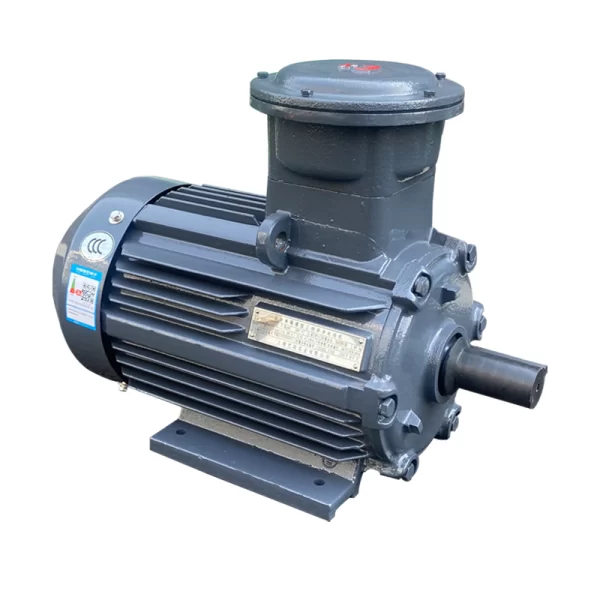
- Component Quality: Utilize high-quality components, including couplings and bearings. This reduces the likelihood of premature failure. For example, using a reliable Electric Motor like the YBX4 Explosion-Proof Three-Phase Electric Motor can contribute to overall system stability. 《YBX4 Explosion-Proof Motor: Next-Gen Safety and Efficiency for Hazardous Industries》
Partner with Shanghai Yimai for Reliable Pump and Motor Solutions
Ensure your industrial operations run smoothly and efficiently with expertly aligned pumps and motors. Shanghai Yimai Industrial Co., Ltd. provides high-quality pumps and motors, including Heat Conducting Oil Pump and IE3 Three-Phase Electric Motor. We offer solutions designed for optimal performance and longevity. Contact us today to learn more about our products and how we can support your alignment needs.
FAQs
What are the main types of pump and motor misalignment?
The primary types of misalignment are parallel offset and angular misalignment. Parallel offset occurs when the shaft centerlines are parallel but not coincident. Angular misalignment happens when the shaft centerlines intersect at an angle. Both types can occur simultaneously and contribute to equipment wear.
How often should pump and motor alignment be checked?
Alignment checks depend on the equipment’s criticality, operating conditions, and history. Critical machinery operating continuously may require annual or semi-annual checks. Less critical equipment might be checked every 2-3 years. New installations or equipment that has undergone maintenance should always have an alignment check.
What tools are essential for accurate pump and motor alignment?
Essential tools include a straightedge, feeler gauges for rough alignment, and dial indicators for precision mechanical alignment. For the highest accuracy, a laser alignment system is recommended. Shims and torque wrenches are also critical for making precise adjustments and securing components.
Can misalignment cause pump cavitation?
While misalignment primarily causes mechanical stress, vibration from misalignment can indirectly contribute to cavitation. Excessive vibration can disrupt fluid flow patterns within the pump, leading to localized pressure drops. These pressure drops increase the likelihood of cavitation, especially in pumps operating close to their cavitation limits.
What are the safety precautions during alignment procedures?
Safety precautions are paramount. Always ensure the machine’s power source is locked out and tagged out to prevent accidental startups. Wear appropriate personal protective equipment (PPE), including safety glasses and gloves. Secure all tools and equipment to prevent them from falling. Follow manufacturer guidelines and company safety protocols.
Keywords: pump alignment, motor alignment, industrial maintenance, laser alignment, mechanical alignment