
Integrated Pump Station Installation Checklist
Successful installation of an integrated pump station demands meticulous planning and precise execution. We understand the complexities involved in deploying these critical infrastructure components. Our experience shows that a systematic approach minimizes risks, ensures operational efficiency, and extends the system’s lifespan. This comprehensive checklist provides a detailed roadmap for engineers and project managers, covering every phase from initial preparation to ongoing maintenance.
Understanding Integrated Pump Stations and Their Importance
1. What defines an integrated pump station?
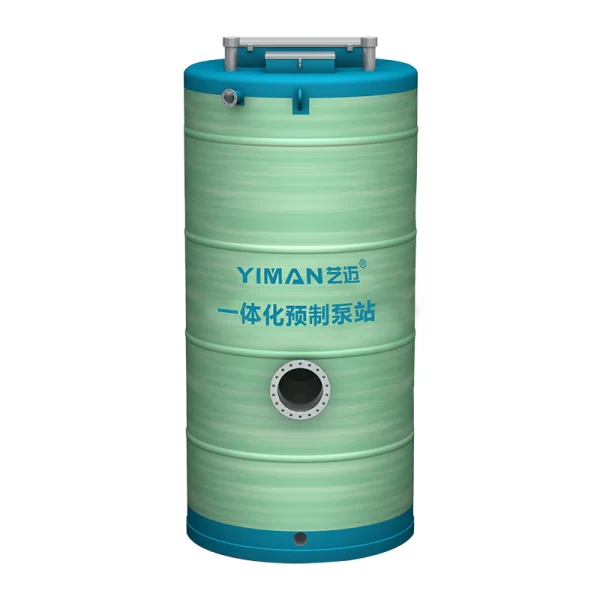
An integrated pump station is a pre-engineered, self-contained unit designed for efficient fluid transfer, typically water or wastewater. These stations combine pumps, controls, valves, and monitoring equipment within a compact, often underground or modular, structure. The design prioritizes ease of installation, operational reliability, and minimal site disruption. For example, our “Integrated Room Pump Station” offers a compact design with intelligent leakage protection for secondary water supply. Similarly, a Prefabricated pump station streamlines urban drainage and industrial wastewater treatment.
2. Why are integrated pump stations crucial for modern infrastructure?
Integrated pump stations address critical infrastructure needs by providing reliable and efficient fluid management. They support urban development, industrial processes, and environmental protection. Their compact footprint and rapid deployment capabilities make them ideal for modern projects. These systems ensure consistent water supply, effective wastewater removal, and flood control.
3. Exploring the benefits of pre-engineered pump solutions
Pre-engineered pump solutions offer numerous advantages over traditional, custom-built pump houses. They provide faster installation times, reduced civil works, and lower overall project costs. Factory assembly ensures higher quality control and system integration, leading to enhanced reliability and energy efficiency. Standardized components simplify maintenance and spare parts management.
| Feature | Integrated Pump Station (Pre-engineered) | Traditional Pump House (Custom-built) |
|---|---|---|
| Installation Time | Short (weeks to months) | Long (months to a year or more) |
| Site Disruption | Minimal | Significant |
| Quality Control | High (factory-assembled) | Variable (on-site assembly) |
| Cost Efficiency | Lower overall project cost | Higher initial and long-term costs |
| Footprint | Compact, often underground | Larger, above-ground structure |
| Maintenance | Easier, standardized components | More complex, custom parts |
| Reliability | High, system-integrated | Depends on site construction quality |
Essential Preparatory Steps Before Installation Begins
1. Conducting thorough site surveys and assessments
A comprehensive site survey is the foundational step for any successful installation. This involves evaluating geological conditions, soil stability, and groundwater levels. We assess the proposed location for accessibility, potential environmental impacts, and proximity to existing utilities. Accurate data from this phase informs all subsequent design and installation decisions.
2. Obtaining necessary permits and ensuring regulatory compliance
Navigating local, regional, and national regulations is crucial. We secure all required construction permits, environmental clearances, and operational licenses. Compliance with safety standards and zoning laws prevents delays and legal issues. Engaging with authorities early in the process ensures a smooth approval pathway.
3. Preparing the foundation and civil works for the pump station
Proper foundation preparation guarantees the long-term stability and integrity of the pump station. This includes excavation, soil compaction, and concrete slab pouring. Civil works also encompass any necessary retaining walls, access roads, or landscaping. Precision in this stage prevents future structural problems.
4. Verifying utility connections and access points
Confirming the availability and capacity of essential utilities is vital. This includes power supply, water lines, and communication networks. We ensure proper access for construction equipment, maintenance personnel, and future operational needs. Clear access points are critical for both installation and ongoing service.
A Comprehensive Checklist for Integrated Pump Station Installation
1. Receiving and inspecting components upon delivery
Upon arrival, we meticulously inspect all components against the bill of materials and design specifications. We check for any shipping damage, verify quantities, and confirm component integrity. Proper documentation of this inspection phase is essential for quality assurance and warranty claims.
2. Positioning and anchoring the integrated pump station unit
Accurate positioning of the integrated unit on the prepared foundation is critical. We use specialized lifting equipment to safely lower the station into place. Secure anchoring ensures stability against buoyancy, seismic activity, and operational vibrations. This step requires precise alignment and careful execution.
3. Connecting inlet and outlet piping systems
Connecting the station to the existing or new inlet and outlet piping requires skilled technicians. We ensure all pipe connections are leak-proof, properly supported, and aligned. Material compatibility and pressure ratings are verified to prevent future failures. This stage often involves the integration of various Centrifugal Pump types.
4. Ensuring proper electrical wiring and control panel setup
Electrical installation involves connecting power supplies, control circuits, and grounding systems. We configure the control panel, programming it according to operational requirements. All wiring adheres to electrical codes and safety standards. Proper electrical setup is fundamental for safe and automated operation. If you’re interested, check 《Electric Motor Controller Selection: A Practical Guide to Finding Reliable Electric Motor Suppliers》.
5. Installing and calibrating sensors and monitoring equipment
We install various sensors for monitoring fluid levels, pressure, flow rates, and temperature. Calibration ensures accurate data collection for optimal system performance and early fault detection. These devices are crucial for intelligent operation and preventative maintenance.
6. Implementing safety features and emergency shutdown systems
Safety features include emergency stop buttons, alarms, and lockout/tagout points. We integrate emergency shutdown systems to protect personnel and equipment during abnormal conditions. Regular testing confirms the functionality of these critical safety measures.
Commissioning and Testing Procedures for Optimal Performance
1. Performing pre-start checks and system priming
Before initial startup, we conduct a series of pre-start checks. This includes verifying all mechanical and electrical connections, checking fluid levels, and ensuring proper lubrication. System priming removes air from the pipelines and pumps, preventing cavitation and ensuring smooth operation.
2. Conducting functional tests of all components and controls
We systematically test each component, including pumps, valves, and control devices, for proper functionality. This involves activating and deactivating each element to confirm its response. The control system undergoes rigorous testing to ensure automated sequences and safety interlocks operate correctly.
3. Calibrating pumps and verifying flow and pressure parameters
Pump calibration involves adjusting settings to achieve specified flow rates and discharge pressures. We verify these parameters using calibrated instruments. This ensures the pump station meets its design performance criteria. This step is crucial for efficient fluid transfer.
4. Running performance tests under various operating conditions
The pump station undergoes extensive performance testing across a range of operating conditions. This includes simulating peak loads, low flow scenarios, and emergency situations. These tests validate the system’s robustness and ability to handle diverse demands. For systems requiring constant pressure, a VFD Controlled Booster System is often integrated and tested.
5. Documenting commissioning results and compiling operational manuals
All commissioning results, including test data and observations, are meticulously documented. We compile comprehensive operational manuals, providing detailed instructions for daily operation, troubleshooting, and maintenance. This documentation serves as a critical reference for facility personnel.
Maintaining Integrated Pump Stations for Long-Term Reliability
1. Establishing a routine preventative maintenance schedule
A well-defined preventative maintenance schedule is essential for ensuring long-term reliability. This includes regular inspections, lubrication, and component checks. Adhering to this schedule minimizes unexpected breakdowns and extends the lifespan of the equipment. We recommend a schedule tailored to the specific operating environment and equipment type.
2. Monitoring system performance and identifying potential issues
Continuous monitoring of key performance indicators (KPIs) helps identify deviations from normal operation. Anomalies in flow, pressure, or power consumption can signal impending issues. Early detection allows for proactive intervention, preventing minor problems from escalating into major failures. If you’re interested, check 《Optimizing Your Sewage Elevating System for Peak Performance》.
3. Ensuring availability of spare parts and technical support
Maintaining an inventory of critical spare parts minimizes downtime during repairs. Having readily available components, such as seals, impellers, or control modules, ensures quick resolution of issues. Access to qualified technical support provides expert assistance for complex problems.
4. Training personnel on operation and basic troubleshooting
Well-trained personnel are crucial for efficient operation and immediate response to minor issues. Training covers routine operation, basic troubleshooting procedures, and safety protocols. Empowering staff with knowledge reduces reliance on external support for common problems.
Contact Us
Shanghai Yimai Industrial Co., Ltd. specializes in advanced water management solutions, including integrated pre-casting pump stations. With a professional team and extensive experience, Yimai provides high-quality, energy-efficient, and intelligent pump station solutions designed for easy installation, reliable operation, and long service life. Contact us at tony@yimaipump.com or +86 134 8229 5009 for expert consultation and customized solutions.
FAQs
1. What are the common challenges during integrated pump station installation?
Common challenges include unexpected site conditions, such as unstable soil or high groundwater, which can delay civil works. Coordinating multiple contractors and ensuring timely delivery of components also pose difficulties. Electrical integration and control system programming often require specialized expertise.
2. How long does a typical integrated pump station installation take?
The duration varies depending on the project’s complexity and size. Smaller, standardized units might take a few weeks for civil works and installation. Larger, more intricate systems, including commissioning, can extend to several months. Pre-engineered solutions significantly reduce overall project timelines.
3. What kind of maintenance is required for an integrated pump station?
Routine maintenance involves checking fluid levels, lubricating moving parts, and inspecting seals and electrical connections. Periodic tasks include cleaning sumps, inspecting valves, and calibrating sensors. Annual comprehensive inspections and pump overhauls are also typically required.
4. Can integrated pump stations be customized for specific project needs?
Yes, integrated pump stations offer a high degree of customization. While core components are often standardized, manufacturers can tailor pump capacities, control logic, material specifications, and overall dimensions to meet specific project requirements. This flexibility ensures optimal performance for diverse applications.
5. What are the key safety considerations during installation and operation?
During installation, key safety considerations include confined space entry protocols, electrical lockout/tagout procedures, and proper lifting techniques. For operation, ensuring adequate ventilation, implementing emergency shutdown systems, and providing personal protective equipment (PPE) are crucial. Regular safety training is also essential.