
Why Cities Embrace Integrated Pump Stations for Urban Water Management
Urban water management presents complex challenges, from aging infrastructure to increasing demand and environmental concerns. Traditional pump stations often struggle to meet these evolving needs efficiently. Integrated pump stations offer a modern, comprehensive solution, streamlining operations and enhancing reliability. We observe a growing trend where cities adopt these advanced systems to improve water supply, drainage, and sewage management, ensuring sustainable urban development.
Understanding the Critical Challenges in Urban Water Infrastructure
Cities worldwide face persistent and escalating challenges in managing their water infrastructure. These issues directly impact public health, environmental quality, and economic stability. Addressing these critical challenges requires innovative and robust solutions that can adapt to dynamic urban environments.
1. Addressing the limitations of traditional pump station designs
Traditional pump stations, often built decades ago, present numerous limitations in modern urban settings. Their large footprints consume valuable urban space, and their complex, dispersed components complicate maintenance. These older systems typically lack advanced automation, leading to inefficient energy consumption and higher operational costs. Furthermore, their design often struggles with fluctuating demand, causing overflows or insufficient pressure during peak times.
2. Overcoming the rising costs of operation and maintenance
The operational and maintenance costs for conventional pump stations continue to climb. These expenses stem from several factors, including high energy consumption, frequent manual inspections, and the need for specialized personnel. Repairing or replacing outdated components can be costly, and unexpected breakdowns lead to significant financial burdens and service disruptions. Cities must find ways to reduce these expenditures without compromising service quality.
3. Mitigating environmental impact and space constraints in cities
Urbanization places immense pressure on available land and natural resources. Traditional pump stations often require substantial above-ground structures, contributing to urban sprawl and visual blight. Their manual operation and potential for leaks or overflows also pose environmental risks, such as water pollution. Modern solutions must address these spatial and ecological concerns effectively.
You might be interested in Heilongjiang Urban Water Supply and Drainage Conference: Pioneering Solutions for Ecological Resilience.
4. Ensuring reliable water supply and efficient sewage management
Maintaining a consistent and clean water supply is paramount for urban populations. Simultaneously, efficient sewage collection and transportation are crucial for public health and environmental protection. Traditional systems can struggle with both, leading to water shortages, low pressure, or sewage backups and overflows. Such failures disrupt daily life and can cause severe health crises.
How Integrated Pump Stations Revolutionize City Water Systems
Integrated pump stations represent a significant leap forward in urban water management technology. They combine advanced engineering with smart control systems to address the shortcomings of traditional infrastructure. This holistic approach revolutionizes how cities manage water resources, offering unparalleled efficiency and reliability.
1. Exploring the compact and modular design advantages
Integrated pump stations feature a compact, modular design that minimizes their physical footprint. These units arrive pre-assembled or with easily connectable components, significantly reducing on-site construction time and disruption. Their design allows for flexible placement, even in densely populated urban areas, maximizing land use efficiency. This modularity also simplifies future expansions or upgrades.
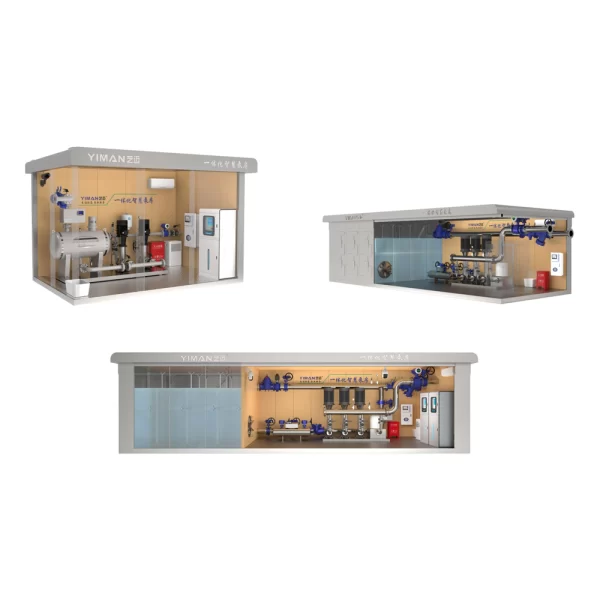
If you’re interested, check 《Integrated Room Pump Station: A Space-Saving Revolution for Smarter, More Efficient Water Supply》.
2. Implementing intelligent control and automation for optimal performance
Intelligent control systems are at the heart of integrated pump stations. These systems utilize sensors and data analytics to monitor water levels, flow rates, and pressure in real-time. They automatically adjust pump speeds and operations, ensuring optimal performance under varying conditions. This automation reduces the need for constant human intervention, minimizing errors and improving responsiveness. We see this technology as essential for future urban infrastructure.
3. Enhancing energy efficiency and reducing operational expenditures
Integrated pump stations are engineered for maximum energy efficiency. Variable Frequency Drives (VFDs) and high-efficiency motors optimize power consumption by matching pump output to actual demand. This significantly reduces electricity costs, a major component of operational expenditures. The intelligent control systems further contribute to energy savings by preventing unnecessary operation and minimizing wear on components.
For more information, consider VFD Controlled Booster System: Intelligent Pressure Management for Energy and Water Savings.
4. Improving system reliability and disaster resilience
The integrated design enhances overall system reliability. Components are factory-tested and optimized to work together seamlessly, reducing the likelihood of failures. Many integrated pump stations incorporate redundant systems and remote monitoring capabilities, allowing for proactive maintenance and rapid response to issues. Their robust construction also improves resilience against environmental factors and potential disasters.
Key Benefits Cities Gain from Adopting Integrated Pump Stations
Adopting integrated pump stations delivers a multitude of benefits for urban environments, extending beyond immediate operational improvements. These advantages contribute to long-term sustainability, economic viability, and enhanced quality of life for residents.
1. Achieving significant cost savings throughout the lifecycle
Cities realize substantial cost savings with integrated pump stations over their entire lifecycle. Reduced installation times translate to lower labor costs and fewer project delays. Optimized energy consumption drastically cuts utility bills. Furthermore, the intelligent systems and durable components decrease maintenance frequency and repair expenses, leading to a lower total cost of ownership.
2. Streamlining installation and minimizing construction timelines
The prefabricated nature of integrated pump stations dramatically simplifies the installation process. Components arrive pre-assembled or ready for quick integration, bypassing complex on-site construction. This significantly reduces project timelines, minimizes disruption to urban traffic and daily life, and lowers associated construction risks. We find that this efficiency is a key factor for rapid urban development.
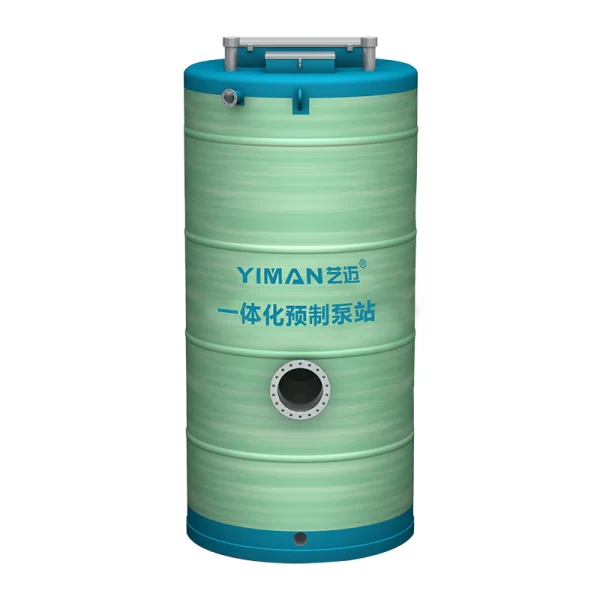
If you’re interested, check 《Integrated Prefabricated Pump Stations: The Smart, Sustainable Choice for Modern Infrastructure》.
3. Facilitating easier maintenance and remote monitoring capabilities
Integrated pump stations offer advanced remote monitoring and diagnostic capabilities. Operators can access real-time performance data and receive alerts for potential issues from a central control room. This enables predictive maintenance, addressing problems before they escalate into costly breakdowns. The compact and accessible design also simplifies on-site maintenance tasks when required.
4. Contributing to sustainable urban development and environmental protection
By optimizing energy use and reducing the risk of leaks or overflows, integrated pump stations support environmental sustainability. Their smaller footprint preserves urban green spaces and reduces the need for extensive excavation. These systems align with smart city initiatives, promoting efficient resource management and a healthier urban ecosystem. They are a vital component of modern, eco-conscious infrastructure.
The Diverse Applications of Integrated Pump Stations in Urban Environments
Integrated pump stations demonstrate remarkable versatility, serving a wide array of critical functions within urban infrastructure. Their adaptability makes them indispensable for various water management challenges faced by modern cities.
1. Managing urban rainwater and flood control effectively
Integrated pump stations play a crucial role in urban flood control. During heavy rainfall, they efficiently collect and transport excess rainwater, preventing street flooding and protecting valuable property. Their intelligent controls can rapidly respond to sudden increases in water levels, activating pumps as needed to mitigate flood risks. This proactive approach safeguards urban areas from water damage.
2. Optimizing municipal sewage collection and transportation
Efficient sewage management is vital for public health. Integrated pump stations provide reliable collection and transportation of municipal sewage, especially in areas where gravity flow is not feasible. Their robust design handles various wastewater compositions, minimizing blockages and ensuring continuous operation. This prevents sewage backups and environmental contamination.
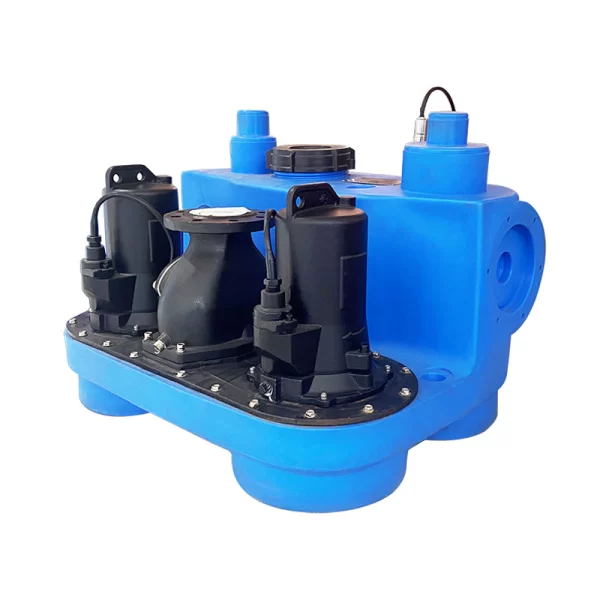
For more information, consider Optimizing Sewage Water Elevating Systems for Modern Infrastructure and Sewage Water Elevating System: Intelligent Solutions for Reliable and Efficient Wastewater Management.
3. Ensuring stable and pressurized urban water supply
Integrated pump stations are essential for maintaining stable water pressure and supply throughout urban networks. They boost water pressure in high-rise buildings and ensure consistent flow to all areas, even during peak demand. Their variable speed capabilities precisely match supply to demand, preventing pressure fluctuations and conserving water resources. This ensures reliable access to clean water for all residents.
4. Supporting industrial wastewater treatment and specialized applications
Beyond municipal uses, integrated pump stations are critical for industrial applications, including wastewater treatment. They handle specific industrial effluents, ensuring proper collection and transfer to treatment facilities. Their customizable designs accommodate various pumping media and flow requirements, making them suitable for specialized industrial processes. This versatility underscores their value across diverse sectors.
| Feature | Traditional Pump Station | Integrated Pump Station |
| :—————————— | :————————————- | :————————————————————————————————————————————————————————————————————————————————————————————————————————————————————————————————————————————————————————————————————————————————————————————————————————————————————————————————————————————————————————————————————————————————————————————————————————————————————————————————————————————————————————————————————————————————————————————————————————————————————————————————————————————————————————————————————————————————————————————————————————————————————————————————————————————————————————————————————————————————————————————————————————————————————————————————————————————————————————————————————————————————————————————————————————————————————————————————————————————————————————————————————————————————————————————————————————————————————————————————————————————————————————————————————————————————————————————————————————————————————————————————————————————————————————————————————————————————————————————————————————————————————————————————————————————————————————————————————————————————————————————————————————————————————————————————————————————————————————————————————————————————————————————————————————————————————————————————————————————————————————————————————————————————————————————————————————————————————————————————————————————————————————————————————————————————————————————————————————————————————————————————————————————————————————————————————————————————————————————————————————————————————————————————————————————————————————————————————————————————————————————————————————————————————————————————————————————————————————————————————————————————————————————————————————————————————————————————————————————————————————————————————————————————————————————————————————————————————————————————————————————————————————————————————————————————————————————————————————————————————————————————————————————————————————————————————————————————————————————————————————————————————————————————————————————————————————————————————————————————————————————————————————————————————————————————————————————————————————————————————————————————————————————————————————————————————————————————————————————————————————————————————————————————————————————————————————————————————————————————————————————————————————————————————————————————————————————————————————————————————————————————————————————————————————————————————————————————————————————————————————————————————————————————————————————————————————————————————————————————————————————————————————————————————————————————————————————————————————————————————————————————————————————————————————————————————————————————————————————————————————————————————————————————————————————————————————————————————————————————————————————————————————————————————————————————————————————————————————————————————————————————————————————————————————————————————————————————————————————————————————————————————————————————————————————————————————————————————————————————————————————————————————————————————————————————————————————————————————————————————————————————————————————————————————————————————————————————————————————————————————————————————————————————————————————————————————————————————————————————————————————————————————————————————————————————————————————————————————————————————————————————————————————————————————————————————————————————————————————————————————————————————————————————————————————————————————————————————————————————————————————————————————————————————————————————————————————————————————————————————————————————————————————————————————————————————————————————————————————————————————————————————————————————————————————————————————————————————————————————————————————————————————————————————————————————————————————————————————————————————————————————————————————————————————————————————————————————————————————————————————————————————————————————————————————————————————————————————————————————————————————————————————————————————————————————————————————————————————————————————————————————————————————————————————————————————————————————————————————————————————————————————————————————————————————————————————————————————————————————————————————————————————————————————————————————————————————————————————————————————————————————————————————————————————————————————————————————————————————————————————————————————————————————————————————————————————————————————————————————————————————————————————————————————————————————————————————————————————————————————————————————————————————————————————————————————————————————————————————————————————————————————————————————————————————————————————————————————————————————————————————————————————————————————————————————————————————————————————————————————————————————————————————————————————————————————————————————————————————————————————————————————————————————————————————————————————————————————————————————————————————————————————————————————————————————————————————————————————————————————————————————————————————————————————————————————————————————————————————————————————————————————————————————————————————————————————————————————————————————————————————————————————————————————————————————————————————————————————————————————————————————————————————————————————————————————————————————————————————————————————————————————————————————————————————————————————————————————————————————————————————————————————————————————————————————————————————————————————————————————————————————————————————————————————————————————————————————————————————————————————————————————————————————————————————————————————————————————————————————————————————————————————————————————————————————————————————————————————————————————————————————————————————————————————————————————————————————————————————————————————————————————————————————————————————————————————————————————————————————————————————————————————————————————————————————————————————————————————————————————————————————————————————————————————————————————————————————————————————————————————————————————————————————————————————————————————————————————————————————————————————————————————————————————————————————————————————————————————————————————————————————————————————————————————————————————————————————————————————————————————————————————————————————————————————————————————————————————————————————————————————————————————————————————————————————————————————————————————————————————————————————————————————————————————————————————————————————————————————————————————————————————————————————————————————————————————————————————————————————————————————————————————————————————————————————————————————————————————————————————————————————————————————————————————————————————————————————————————————————————————————————————————————————————————————————————————————————————————————————————————————————————————————————————————————————————————————————————————————————————————————————————————————————————————————————————————————————————————————————————————————————————————————————————————————————————————————————————————————————————————————————————————————————————————————————————————————————————————————————————————————————————————————————————————————————————————————————————————————————————————————————————————————————————————————————————————————————————————————————————————————————————————————————————————————————————————————————————————————————————————————————————————————————————————————————————————————————————————————————————————————————————————————————————————————————————————————————————————————————————————————————————————————————————————————————————————————————————————————————————————————————————————————————————————————————————————————————————————————————————————————————| Traditional Feature | Traditional Pump Station | Integrated Pump Station |
|—|—|—|
| Footprint | Large, often requiring significant land acquisition. | Compact, modular design minimizes space requirements. |
| Installation Time | Lengthy, involving extensive civil works and component assembly. | Rapid, often completed within weeks due to pre-fabrication. |
| Energy Efficiency | Lower, typically uses fixed-speed pumps leading to wasted energy. | High, utilizes VFDs and optimized components for significant savings. |
| Maintenance | Complex, requiring frequent manual checks and specialized labor. | Easier, with remote monitoring, diagnostics, and accessible components. |
| Reliability | Prone to failures due to aging components and lack of real-time data. | High, with intelligent controls, redundancy, and proactive maintenance. |
| Environmental Impact | Higher risk of overflows, larger carbon footprint from energy use. | Lower, with leak prevention, optimized energy, and reduced construction waste. |
| Adaptability | Limited, difficult to upgrade or expand. | Highly adaptable, modular design allows for easy expansion and upgrades. |
Partnering for Advanced Urban Water Solutions
Cities seeking to modernize their water infrastructure and embrace sustainable practices can benefit from expert partnerships. Shanghai Yimai Industrial Co., Ltd. specializes in providing advanced water management solutions, including Prefabricated pump stations and Sewage Water Elevating Systems. Our expertise ensures efficient, reliable, and cost-effective systems tailored to urban needs. We understand the complexities of urban environments and offer solutions that enhance operational efficiency and environmental stewardship.
Contact us today to discuss how our integrated pump station solutions can transform your city’s water management infrastructure. You can reach us via email at tony@yimaipump.com or by phone/WhatsApp at +86 134 8229 5009.
FAQs
1. What is an integrated pump station and how does it differ from traditional setups?
An integrated pump station is a pre-engineered, compact unit that combines pumps, valves, controls, and other necessary components within a single, self-contained structure. Unlike traditional setups that require extensive on-site construction and separate housing for each component, integrated stations are largely prefabricated, simplifying installation and operation. They are designed for efficiency and smart control.
2. What are the primary advantages of integrated pump stations for city planners?
For city planners, the primary advantages include a significantly smaller footprint, allowing for better land utilization in dense urban areas. They offer faster installation times, reducing disruption and project costs. Additionally, their intelligent control systems improve energy efficiency and system reliability, contributing to sustainable urban development and reduced operational expenses.
3. Can integrated pump stations handle different types of media, such as sewage and clean water?
Yes, integrated pump stations are highly versatile and can be configured to handle various types of media. Manufacturers design specific models for different applications, including clean water booster systems, municipal sewage collection, rainwater drainage, and even industrial wastewater. The choice of materials and pump types ensures compatibility with the fluid being transported.
4. How does an integrated pump station contribute to energy efficiency?
Integrated pump stations enhance energy efficiency through several mechanisms. They often incorporate Variable Frequency Drives (VFDs) that adjust pump speed according to demand, preventing unnecessary energy consumption. High-efficiency motors and optimized hydraulic designs further reduce power usage. Intelligent control systems also minimize idle time and optimize pump cycling, leading to substantial energy savings.
5. What are the typical maintenance requirements for integrated pump stations?
Typical maintenance requirements for integrated pump stations are significantly lower than traditional systems. Remote monitoring allows for predictive maintenance, identifying issues before they become critical. Regular inspections, lubrication of moving parts, and periodic cleaning are still necessary. However, the compact and accessible design simplifies these tasks, reducing labor and downtime.