
Pump Station Final Acceptance Checklist: A Comprehensive Guide
Successfully commissioning a pump station really boils down to sweating the small stuff and double-checking absolutely everything. We’ve seen firsthand how complicated it can be to make sure every single piece works just right, hitting all those design specs and regulatory boxes. From our vantage point, a truly thorough final acceptance process is the best defense against those maddeningly expensive operational headaches down the line, ensuring everything stays reliable for years. That’s why we put together these thoughts – to help project managers, engineers, and facility owners navigate this crucial stage with a bit more peace of mind.
Understanding the Criticality of a Pump Station Final Acceptance Checklist
1. What is a Pump Station Final Acceptance Checklist?
A pump station final acceptance checklist is essentially a detailed roadmap, laying out all the inspections, tests, and paperwork you need to tackle for a new or upgraded pump station. It’s the document that confirms the facility lives up to its contractual promises and is truly ready to roll before anyone formally signs off on it. Think of it as your go-to tool for verifying the system’s overall health and performance.
2. Why is Final Acceptance Crucial for Pump Station Longevity and Performance?
Final acceptance is absolutely vital because it’s the moment we formally confirm the pump station is doing what it’s supposed to, which in turn cuts down on future breakdowns and stretches its working life. Skimping on this step can lead to equipment wearing out too fast, bigger maintenance bills, and even environmental risks. A thorough acceptance process is how you truly validate that the system is efficient and dependable. For instance, making sure Prefabricated Pump Station components are installed correctly makes a huge difference in how long they last.
3. Key Stakeholders Involved in the Acceptance Process
You’ve got a whole cast of characters playing important roles in the final acceptance process. Typically, that includes the project owner, the main contractor, the folks who supplied the equipment, independent commissioning agents, and, of course, the future operations and maintenance crew. Each one brings their unique expertise and responsibilities to the table, ensuring a really comprehensive evaluation.
Preparing for the Final Acceptance of Your Pump Station
1. Reviewing Project Documentation and Specifications
Before anyone even thinks about a physical inspection, you absolutely have to pore over all the project documents. That means design drawings, technical specs, equipment manuals, and all those contractual agreements. You’re basically verifying that every installed component matches the models and performance criteria originally laid out. This step sets the stage for everything else that follows.
2. Ensuring Regulatory Compliance and Permitting
Sticking to local, national, and international regulations isn’t just a suggestion; it’s a must. Confirm you’ve got all the necessary permits and that the pump station meets environmental, safety, and electrical codes. This isn’t just about avoiding legal headaches; it’s about making sure everything operates safely. For example, fire safety systems have to hit specific standards. You might find it useful to check out Empowering Fire Safety with Vertical Turbine Fire Fighting Pumps Efficiency Meets Reliability.
3. Pre-Acceptance Inspections and Punch List Creation
It’s smart to do some preliminary inspections to catch and fix the smaller issues before the formal acceptance. This process helps you build a “punch list” of things that still need sorting out. Tackling these early on really smooths out the final acceptance phase and helps prevent annoying delays.
The Comprehensive Pump Station Final Acceptance Checklist Categories
1. Mechanical Component Verification and Inspection
This section is all about the nuts and bolts – making sure all the mechanical equipment is physically sound and installed correctly.
1. Take a close look at all the pumps, including Vertical Multi Stage Centrifugal Pump and Split Casing Double Suction Pump, checking for proper alignment, secure mounting, and no signs of damage.
2. Verify that all piping, valves, and fittings are installed correctly, aren’t leaking, and have adequate support.
3. Check lubrication levels and ensure all rotating equipment has the right guarding.
4. Confirm that pressure gauges, flow meters, and other mechanical instruments are installed.
5. Inspect the structural integrity of pump bases and their supports.
6. Verify the correct installation and functionality of any specialized pumps, like a Heat Conducting Oil Pump.
2. Electrical Systems and Control Panel Checks
Electrical systems are truly the brains of any pump station, so getting them right is absolutely critical.
1. Verify all wiring, conduits, and electrical connections meet design specs and safety codes.
2. Inspect the main control panel to ensure correct labeling, and that all switches and indicator lights work.
3. Test all motor starters, variable frequency drives (VFDs), and circuit breakers.
4. Confirm proper grounding and surge protection for all electrical equipment.
5. Check the calibration and functionality of all electrical sensors and transducers.
6. Ensure the correct operation of YBX3 Explosion Proof Three Phase Electric Motor or YBX4 Explosion Proof Three Phase Electric Motor if they’re part of the setup.
3. Hydraulic Performance Testing and Validation
This is the big one – it confirms the pump station can actually move fluids efficiently and hit those specified flow and head targets.
1. Run flow rate tests to make sure the actual capacity matches what was designed.
2. Measure pump head against the specified performance curves.
3. Do cavitation checks to ensure pumps are operating safely.
4. Verify that automatic valves and level control systems operate smoothly.
5. Conduct pressure tests on the entire pipeline system to sniff out any leaks or weak spots.
6. Test the performance of VFD Controlled Booster Water Supply System under different load conditions.
You might find VFD Controlled Booster System Powering Smarter Water Pressure with Efficiency and Precision worth a read.
4. Structural Integrity and Civil Works Assessment
The physical foundations supporting the pump station need to be robust and built to last.
1. Inspect the pump station building or enclosure for structural soundness, weatherproofing, and security.
2. Check the condition of foundations, sumps, and wet wells for any cracks or leaks.
3. Look at access points, ladders, and platforms to ensure they’re safe and meet access standards.
4. Assess the quality of any civil works, including landscaping and drainage around the site.
5. Confirm proper ventilation and lighting within enclosed pump station areas.
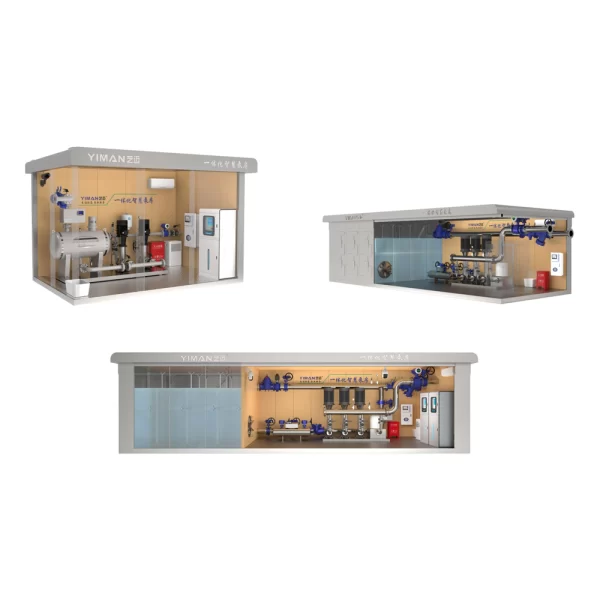
6. Ensure the structural components of Prefabricated Pump Station are correctly assembled.
5. Instrumentation and Automation System Calibration
For optimal operation, accurate data and reliable control are non-negotiable.
1. Calibrate all sensors, including level transmitters, pressure transducers, and flow meters.
2. Test the programmable logic controllers (PLCs) or remote terminal units (RTUs) for correct programming and sequence of operations.
3. Verify communication links between the pump station and central control systems.
4. Test alarm systems and automatic shutdown procedures.
5. Confirm the accuracy of data logging and reporting functions.
6. Ensure the intelligent features of an Intelligent Digital Drived VFD Booster System are fully functional.
6. Safety Features and Emergency Protocols Confirmation
Safety is, without a doubt, the most important thing in any industrial setting.
1. Test all emergency stop buttons and safety interlocks.
2. Verify the functionality of fire suppression systems, if they’re installed.
3. Inspect emergency lighting and exit routes.
4. Confirm that personal protective equipment (PPE) and first-aid kits are available and in the right spots.
5. Review and confirm all emergency shutdown procedures and disaster recovery plans.
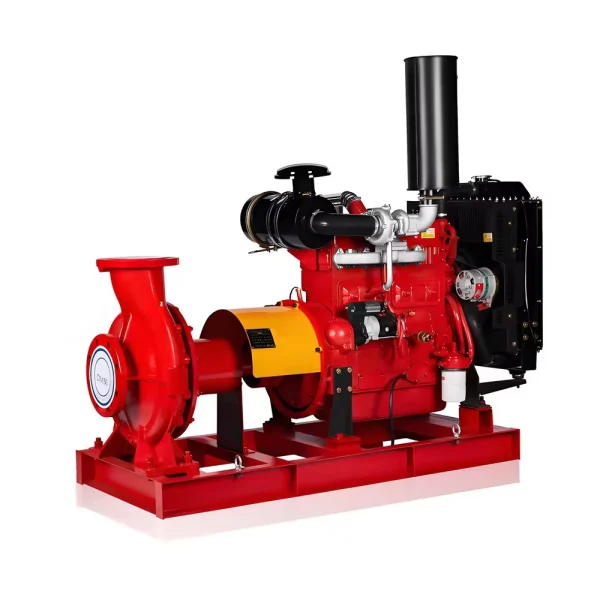
6. Ensure the Fire Fighting Diesel Engine starts and operates reliably as a backup power source.
7. Environmental Compliance and Site Restoration
Following environmental regulations and good site management are absolutely essential.
1. Verify proper disposal methods for any waste generated during construction or commissioning.
2. Inspect for any spills or contamination and make sure appropriate cleanup measures have been taken.
3. Confirm that noise levels are within permissible limits.
4. Ensure the site is returned to its original or specified condition, including landscaping.
5. Verify the functionality of any Oil Water Separator Sewage Elevator System or other environmental protection systems.
Essential Documentation and Administrative Procedures for Final Acceptance
1. Gathering As-Built Drawings and Manuals
You need complete and accurate “as-built” drawings that truly reflect the final installation. These are incredibly important for future maintenance and any modifications. Don’t forget to collect all operation and maintenance manuals for every single piece of equipment.
2. Confirming Warranty Information and Service Agreements
Double-check that all equipment warranties are active and fully documented. Review service agreements for maintenance, repairs, and support. This step is about making sure you have ongoing protection and that operations can continue smoothly.
3. Training and Handover to Operations Personnel
It’s crucial to provide thorough training to the operations and maintenance staff. This training should cover how to run the system, routine maintenance, troubleshooting, and what to do in an emergency. A proper handover ensures the new operators can effectively manage the pump station.
4. Final Sign-Off and Project Closure
Get that formal sign-off from all the key stakeholders, confirming they accept the pump station. This is the official mark of project completion. And don’t forget to archive all project documentation for future reference – you’ll thank yourself later.
Common Challenges and Best Practices in Pump Station Acceptance
1. Addressing Discrepancies and Non-Conformities
Let’s face it, discrepancies pop up during the acceptance process. Having a clear, documented way to handle these issues is vital. That means defining who’s responsible, setting timelines for corrections, and outlining re-inspection procedures. Sorting these out quickly prevents project delays and keeps costs from spiraling.
2. The Role of Independent Third-Party Verification
Bringing in an independent third-party verification team adds an unbiased layer of confidence. These experts can often spot things internal teams might miss, leading to higher quality and better compliance. Their objective assessment really builds trust among everyone involved.
3. Leveraging Technology for Efficient Acceptance Processes
Modern technology can really streamline the acceptance process. Digital checklists, remote monitoring systems, and data analytics tools boost efficiency and accuracy. For instance, real-time data from a Intelligent Digital Drived VFD Booster System can quickly confirm performance.
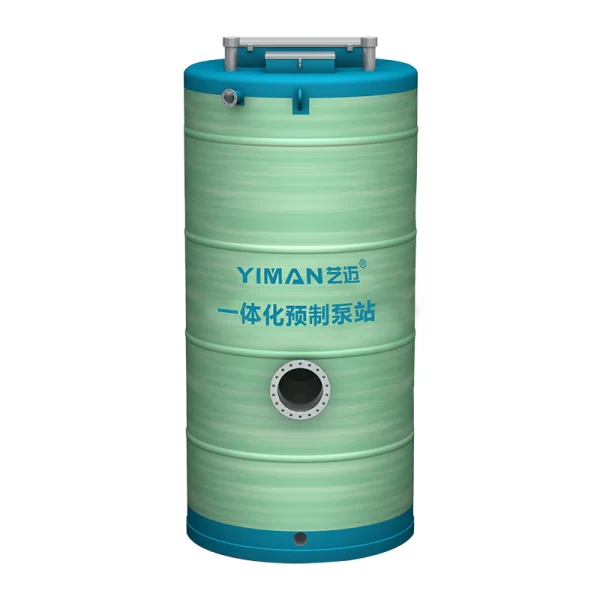
Table: Comparison of Traditional vs. Digital Acceptance Processes
| Feature | Traditional Acceptance Process | Digital Acceptance Process |
|---|---|---|
| Documentation | Paper-based, prone to loss and manual errors | Cloud-based, secure, easily searchable |
| Inspection | Manual checks, subjective notes | Standardized forms, photo/video evidence, GPS tags |
| Communication | Phone calls, emails, in-person meetings | Integrated platforms, real-time updates, chat functions |
| Data Analysis | Time-consuming manual aggregation | Automated reporting, trend analysis, predictive insights |
| Issue Resolution | Slow, often requires multiple site visits | Expedited tracking, remote collaboration, faster sign-offs |
| Efficiency | Lower, higher potential for delays | Higher, reduced project timelines |
Partner with Shanghai Yimai Industrial Co., Ltd.
Making sure your pump station performs optimally and lasts for ages really comes down to meticulous planning and execution during that final acceptance phase. Here at Shanghai Yimai Industrial Co., Ltd., we’re experts in crafting top-notch pump station components, including our Integrated pre-casting pump station and Prefabricated Pump Station. Our know-how ensures your systems hit the highest standards. Feel free to reach out today to chat about your project needs and tap into our comprehensive solutions. You can email us at tony@yimaipump.com or call/WhatsApp us at +86 134 8229 5009.
FAQs
1. What is the primary purpose of a pump station final acceptance checklist?
The main idea behind a pump station final acceptance checklist is to systematically confirm that your newly installed or upgraded pump station fully aligns with the design specifications, contractual agreements, and all those regulatory requirements. It’s about ensuring everything’s ready to go and will be reliable for the long haul before the official handover.
2. Who is typically responsible for completing the final acceptance checklist?
Usually, the general contractor or the company that installed the pump station is the one who fills out the initial checklist. However, the project owner, commissioning agents, and the future operations team all get to review and verify those checklist items. It’s a collaborative effort to make sure every angle is thoroughly checked.
3. How long does the final acceptance process usually take?
The time it takes for the final acceptance process can really vary a lot, depending on how complex and big the project is. A simple pump station might only take a few days, while larger, more intricate systems could easily stretch into several weeks. Good preparation and clear communication among everyone involved can really speed things up, though.
4. What happens if a pump station fails its final acceptance?
If a pump station doesn’t pass its final acceptance, then the identified issues or non-conformities have to be fixed by the responsible party, which is usually the contractor. The project can’t officially be handed over until all those outstanding problems are resolved and verified through another inspection. This is how we ensure the system truly meets all the necessary standards.
5. Can a pump station be partially accepted?
Partial acceptance can definitely happen, especially with big, multi-phase projects where certain parts of the pump station start operating before the whole system is done. This allows for commissioning in stages. But even with partial acceptance, each section still has to meet all the specified criteria for its individual scope of work.