Keeping Sewage Lifting Systems Odor-Free: A Comprehensive Guide
Keeping a sewage lifting system odor-free does more than spare noses—it protects hygiene, keeps operations smooth, and preserves the reputation of a facility. I still remember a site visit where a faint rotten-egg whiff at the entry instantly overshadowed an otherwise well-run plant. In our experience, the answer isn’t masking smells but fixing what causes them: anaerobic decomposition, design weaknesses, and inconsistent maintenance. Below, we walk through practical strategies, from ventilation and filtration to smart monitoring and targeted treatments, plus real-world results and technologies that make lasting odor control achievable.
Understanding the Causes of Odors in Sewage Lifting Systems
Odors from sewage lifting systems indicate underlying issues within the wastewater management process. Identifying these sources is the first critical step toward effective odor control.
1. Identifying the primary sources of unpleasant smells
Most sewage-lifting odors trace back to organic matter breaking down. Hydrogen sulfide (H2S)—that unmistakable rotten-egg smell—is the usual suspect, with other volatile organic compounds (VOCs) rounding out the odor profile. These gases form when bacteria digest organics without oxygen. Fats, oils, and greases (FOG) tend to build up and create ideal conditions for those bacteria. Design oversights or stretched maintenance intervals often make the situation worse.
2. The role of anaerobic decomposition in odor generation
Anaerobic decomposition kicks in wherever oxygen is scarce—stagnant sewage, sumps, and low-velocity piping are prime spots. It produces hydrogen sulfide, ammonia, and organic acids, all of which smell strongly. Higher temperatures, lower pH, and long retention times accelerate this activity. Managing those conditions is central to reducing odor formation.
3. Common system design flaws contributing to odor issues
Several design choices can unintentionally encourage odor generation. Poor ventilation traps foul gases in and around the sump. Sumps that are too large for the flow hold sewage too long, fostering anaerobic conditions. Inadequate pipe slopes create dead zones where solids settle and rot. And if access points and lids aren’t sealed properly, odorous gases escape. Fixing these fundamentals pays dividends over the long term.
Effective Strategies for Preventing and Eliminating Sewage System Odors
Effective odor management requires a multi-faceted approach, combining proactive prevention with targeted elimination techniques. Implementing these strategies significantly improves air quality and operational hygiene.
1. Implementing proper ventilation and air circulation solutions
Ventilation is the workhorse of odor control. Mechanical systems—like exhaust fans paired with odor control units—pull contaminated air from sumps and discharge it safely. Getting vent sizing and placement right ensures good air turnover. Natural, passive airflow can supplement mechanical systems. Routine upkeep on fans, dampers, and ducting keeps airflow consistent and effective.
2. Utilizing advanced filtration technologies for odor control
Filtration tackles the odorous compounds directly. Activated carbon is a versatile choice, adsorbing both organic and inorganic molecules, including H2S. Biofilters leverage microorganisms to degrade odorants into benign byproducts. Chemical scrubbers neutralize targeted gases through controlled reactions. The right selection depends on the odor mix and concentration at your site.
3. The benefits of biological and chemical treatments
In-sewage treatments can curb odors at the source. Biological additives seed beneficial microbes that outcompete sulfur-reducing bacteria, limiting hydrogen sulfide formation—especially helpful with high organic loads. Chemical oxidizers, such as hydrogen peroxide or sodium hypochlorite, react quickly with odorants and are useful for emergencies or intermittent spikes. Dosing must be managed carefully to protect downstream treatment performance.
Best Practices for Maintenance and Operation to Ensure Odor-Free Performance
Consistent maintenance and optimized operational practices are crucial for preventing odors and ensuring the longevity of sewage lifting systems. Adherence to these best practices minimizes the conditions conducive to odor generation.
1. Establishing a regular cleaning and inspection schedule
Cleanouts remove the solids, FOG, and sludge that kick-start odor problems. A solid plan includes periodic wash-downs and sump cleanings. Inspections help catch blockages, leaks, and equipment wear before they escalate. For most facilities, monthly visual checks and quarterly deep cleans strike the right balance.
2. Ensuring proper sealing and leak prevention in the system
Good sealing keeps foul air where it belongs. Make sure hatches, covers, and joints have intact gaskets and seals. Inspect for cracks, corrosion, or degraded materials and fix them promptly. Tight containment not only prevents gas escape but also guards against groundwater intrusion that can dilute sewage and disrupt treatment.
3. Optimizing pump operation to minimize sewage retention
Shortening the time sewage sits in the sump reduces anaerobic conditions. We tune pumps for more frequent, shorter cycles to avoid large accumulations. This approach cuts down on H2S and related gases. Right-sizing pumps matters too: oversized units can short-cycle; undersized ones keep sewage lingering too long.
| Odor Control Method | Initial Cost | Maintenance Cost | Effectiveness against H2S | Primary Application |
|---|---|---|---|---|
| Ventilation Systems | Moderate | Low | Moderate | Air dilution |
| Activated Carbon | Moderate | High | High | Exhaust air treatment |
| Biofilters | High | Moderate | High | Exhaust air treatment |
| Chemical Dosing | Low | Moderate | High | In-sewage treatment |
| Biological Additives | Low | Moderate | Moderate | In-sewage treatment |
| Proper Sealing | Low | Low | High | Containment |
Advanced Solutions and Technologies for Odor Management
Modern advancements offer sophisticated tools for proactive odor management in sewage lifting systems. These technologies enhance efficiency and provide more reliable control.
1. Exploring intelligent monitoring and control systems
Smart monitoring delivers real-time readings for H2S, pH, and flow, then adjusts ventilation, dosing, or pump cycles automatically as conditions change. This prevents issues from reaching the complaint stage. Remote dashboards let teams oversee multiple sites, improving response time and resource planning.
2. Integrating specialized components for enhanced odor removal
Additional components can push performance further. UV-C systems break down organic odor molecules in the airstream. Ionization units generate charged particles that react with and neutralize odorants. Using corrosion-resistant plastics or coated concrete for sumps reduces organic buildup and simplifies cleaning.
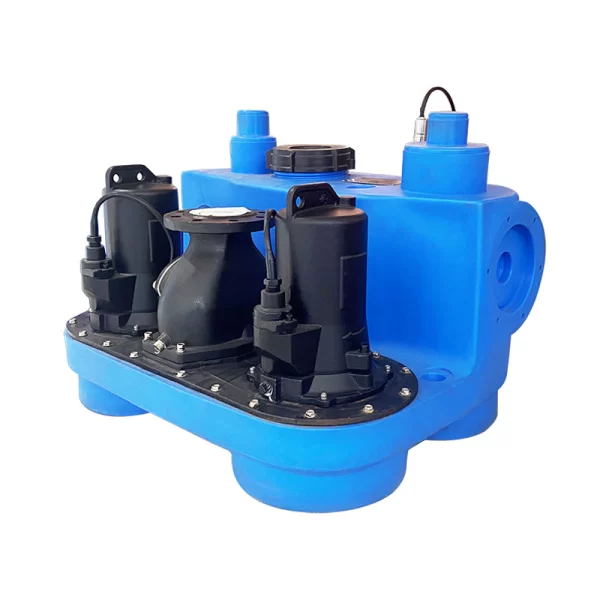
3. Shanghai Yimai Industrial’s Sewage Water Elevating System for improved hygiene
Shanghai Yimai Industrial Co., Ltd. offers cutting-edge solutions designed to minimize odors and enhance hygiene in wastewater management. Our Sewage Water Elevating System (Models YMWM / YMWP / YMWB) are engineered for locations where gravity drainage is impractical. These systems feature optimized designs that reduce sewage retention times and incorporate advanced sealing mechanisms. They minimize anaerobic decomposition and prevent gas escape. Our systems integrate seamlessly with intelligent monitoring for proactive odor control. We focus on reliable and efficient wastewater management.
You may also be interested in learning more about Optimizing Sewage Water Elevating Systems for Modern Infrastructure.
Real-World Applications and Success Stories in Odor Control
Effective odor management significantly impacts the operational environment and public perception of facilities. Real-world examples demonstrate the tangible benefits of comprehensive odor control strategies.
1. How effective odor management improves facility environments
When odors are under control, facilities feel cleaner and more welcoming. Commercial buildings see better tenant and visitor experiences—often reflected in property value. In industrial environments, cleaner air supports worker health and productivity while cutting complaints. For sites near neighborhoods, strong odor control signals environmental stewardship.
2. Case examples of successful odor elimination in various settings
We’ve seen comprehensive programs deliver clear results. A municipal pumping station battling high H2S installed activated carbon filtration and fine-tuned pump cycling, achieving a 90% drop in ambient odors and ending public complaints. In a large underground parking garage using a Sewage Water Elevating System for drainage, pairing intelligent ventilation with chemical dosing eliminated stagnant air pockets and neutralized odors, making the space noticeably more comfortable. These cases underscore the value of tailored combinations of solutions.
For further insights into environmental protection, consider reading Sewage Treatment Conference for Environmental Protection Seminar Attended by Yimai Industrial.
Call to Action
Ensure your sewage lifting systems operate efficiently and odor-free. Contact Shanghai Yimai Industrial Co., Ltd. for expert consultation and advanced solutions tailored to your specific needs. We provide reliable Sewage Water Elevating System and comprehensive odor management technologies. Reach out to us today to discuss how we can help you achieve superior hygiene and operational performance.
Email: tony@yimaipump.com
Phone/WhatsApp: +86 134 8229 5009
FAQs
1. What are the most common causes of sewage lifting system odors?
The usual drivers are anaerobic breakdown of organics, producing hydrogen sulfide (H2S), ammonia, and various VOCs. Conditions like stagnation, higher temperatures, and low pH accelerate these reactions. Accumulated fats, oils, and greases (FOG) also fuel odor-producing bacteria.
2. How often should a sewage lifting system be cleaned to prevent odors?
A disciplined schedule matters. For most systems, plan on monthly visual checks and quarterly deep cleans. Usage patterns, wastewater characteristics, and site conditions can justify more frequent service—especially in high-traffic or industrial applications.
3. Can adding chemicals directly to the sewage lifting system solve odor problems?
Chemical dosing can quickly knock down odors by neutralizing target compounds, but it’s typically a short-term measure. Dose control is critical to avoid upsetting downstream treatment. For lasting results, pair chemicals with ventilation upgrades and biological additives.
4. What role does ventilation play in preventing odors?
Ventilation dilutes and removes odorous gases before they build up. Mechanical systems actively exhaust foul air, while passive approaches promote natural exchange. Properly designed ventilation helps manage H2S, which is both odorous and corrosive.
5. Are there any long-term solutions for persistent sewage odors?
Yes. Combine design optimization to cut retention time, robust maintenance routines, advanced filtration (activated carbon or biofilters), and intelligent monitoring/control. This integrated approach tackles root causes and sustains performance.
About the Author
The author is a Senior SEO Content Strategist at Shanghai Yimai Industrial Co., Ltd. Drawing on extensive experience in industrial wastewater management and pumping solutions, they focus on practical, expert-backed guidance for facility managers and industry professionals. The perspectives shared come from a firm grounding in environmental engineering principles and the realities of maintaining clean, reliable systems.