Essential Backflow Prevention Tips for Your Lifting Systems
Keeping fluid transfer systems honest is one of those unglamorous tasks that saves the day more often than it gets credit for. I’ve been on enough urgent callouts to know that a single backflow event can spiral into contamination, damaged equipment, and days of downtime—but I’ve also seen how a few well-chosen safeguards keep everything running smoothly. From understanding why backflow happens to selecting the right prevention devices and maintaining them properly, the aim is simple: protect system integrity, stay compliant, and avoid costly surprises.
Understanding the Criticality of Backflow Prevention in Lifting Systems
1. What is backflow and why is it a significant concern?
Backflow is the unintended reversal of flow in a fluid network—contaminated water or process fluids finding their way back into clean lines. In lifting systems, that often means wastewater or process fluids migrating upstream into piping or even potable water. The stakes are high: it threatens public health, contaminates resources, and can cause serious equipment damage.
2. The risks and consequences of unchecked backflow in industrial and municipal applications
Left unchecked, backflow introduces pathogens and hazardous chemicals into drinking water systems, putting communities at risk. In industrial environments, it contaminates products, damages equipment, and triggers expensive downtime. Municipalities face potential public health emergencies, environmental harm, and penalties for non-compliance. The disruption and repair costs that follow a backflow incident add up quickly.
3. Regulatory compliance and safety standards for backflow prevention
Backflow prevention is tightly regulated to protect public health and the environment. Standards specify where devices are required and how they must be installed, tested, and maintained. Meeting these requirements ensures safe, lawful operation while avoiding fines and liability. We align with both international and local standards and deliver solutions that meet or exceed the necessary safety thresholds.
Identifying Common Causes and Mechanisms of Backflow in Lifting Systems
1. Pressure differentials and their role in backflow incidents
Pressure differentials drive most backflow events. Back-siphonage occurs when upstream pressure drops and a vacuum draws fluid backward. Back-pressure happens when downstream pressure exceeds upstream pressure, pushing fluid in reverse. Without proper safeguards, either can result in serious contamination.
2. Equipment malfunctions and failures leading to backflow
Failed or worn components are common culprits. A pump failure, for instance, can stop forward flow and create conditions for back-siphonage. Aging check valves or poorly seated seals let fluid slip past where it shouldn’t. Routine inspections and timely replacement of critical parts are the best defense.
3. Design flaws and improper installation as root causes
Design and installation missteps amplify backflow risks. Undersized piping, poorly located valves, or missing air gaps leave systems vulnerable. Our engineering teams prioritize careful planning and professional installation to remove these weak points from the start.
Implementing Effective Strategies and Technologies for Backflow Prevention
1. The role of non-return valves and check valves in lifting systems
Non-return valves (check valves) are the backbone of backflow prevention. They allow one-way flow and close automatically to stop reversal. Getting the selection and installation right is crucial. Options like swing check, lift check, and dual plate check valves each bring distinct performance characteristics suited to different applications.
2. Advanced backflow prevention devices and their operational principles
For higher-risk scenarios, advanced assemblies offer layered protection. Reduced Pressure Zone (RPZ) assemblies pair multiple check valves with a relief valve that discharges if backflow conditions emerge. Double Check Valve (DCV) assemblies use two independent checks in series. In applications where contamination must be prevented at all costs, these devices are indispensable.
3. Integrating backflow prevention into sewage lifting systems and pump stations
Integrating backflow prevention into sewage lifting systems and pump stations requires specialized solutions. These systems handle highly contaminated fluids, making backflow a severe threat. We design our Sewage Water Elevating System and Prefabricated Pump Station with integrated backflow protection. This includes features like robust check valves, intelligent controls, and water hammer protection.
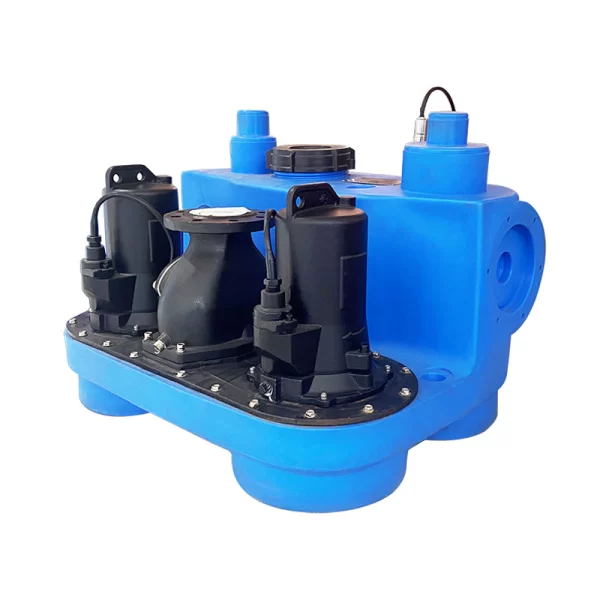
For more insights into comprehensive wastewater management, you might find our article 《Optimizing Sewage Water Elevating Systems for Modern Infrastructure》 informative.
Best Practices for Maintenance, Monitoring, and Troubleshooting Backflow Prevention
1. Establishing a routine inspection and maintenance schedule for backflow devices
A consistent maintenance routine keeps backflow protection dependable. Build a schedule that includes visual leak checks, valve function tests, and verification of pressure differentials. Thorough documentation helps with compliance, trend tracking, and catching issues before they become incidents.
2. Utilizing smart monitoring systems for early detection of backflow risks
Smart monitoring brings continuous visibility. Real-time tracking of pressure, flow, and valve positions—with automated alerts—enables quick intervention when anomalies appear. That proactive stance reduces downtime and strengthens overall system security.
3. Troubleshooting common backflow issues and emergency response protocols
Clear troubleshooting steps and response protocols make backflow events manageable. Typical problems include stuck valves, debris buildup, and pressure instability. We train teams to recognize these quickly and act decisively. Fast, coordinated response limits damage and speeds up recovery.
Shanghai Yimai Industrial Co., Ltd.’s Solutions for Secure Lifting Systems
At Shanghai Yimai Industrial Co., Ltd., we focus on robust, intelligent fluid management—backflow prevention included. Our products are built for reliability, efficiency, and maintainability, performing steadily in demanding environments. We understand how vital secure lifting systems are to operations and public safety.
1. Enhancing system reliability with our Sewage Water Elevating System
Our Sewage Water Elevating System (Models YMWM, YMWP, YMWB) is designed for locations where gravity drainage is not feasible. It features integrated backflow prevention mechanisms, including high-quality check valves and intelligent control systems. This ensures reliable wastewater transfer without the risk of reverse flow, protecting infrastructure and public health.
| Parameter | Specification |
|---|---|
| Model | YMWM / YMWP / YMWB |
| Rated Voltage / Frequency | 380V – 50Hz / 60Hz |
| Max Flow Rate | 130 m³/h |
| Max Head | 60 m |
| Application Fields | Subway stations, underground shopping malls, parking lots |
2. Ensuring integrated protection with our Prefabricated Pump Station
The Prefabricated Pump Station offers a comprehensive solution for urban sewage collection and industrial wastewater treatment. It incorporates advanced backflow prevention features, including water hammer protection to mitigate pressure surges. Its integrated design and intelligent operation minimize leakage risks and ensure long-term reliability.
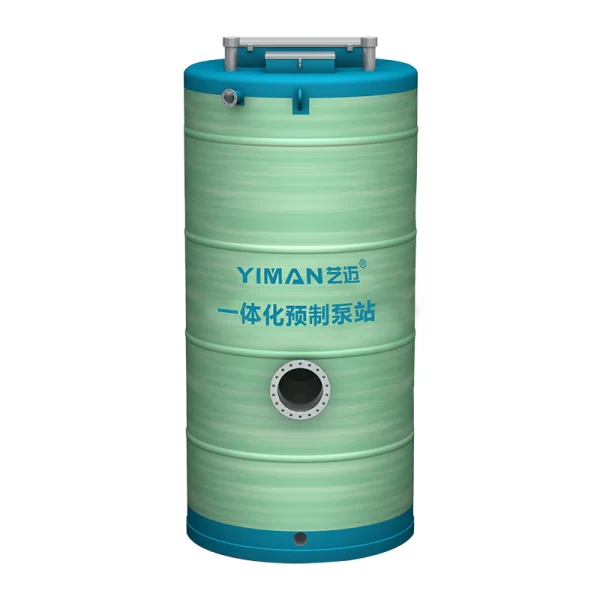
For further details on how our prefabricated pump stations revolutionize urban drainage, read 《Prefabricated Pump Station Revolutionizing Urban Drainage with Speed and Intelligence》.
3. Advanced features of our Integrated Room Pump Station for comprehensive backflow control
Our Integrated Room Type Pump Station provides a compact and secure solution for water supply and pressurization. It includes multiple layers of backflow prevention, intelligent leakage protection, and anti-corrosion features. This station ensures continuous, safe operation, particularly in critical applications like high-rise building water supply and rural drinking water upgrades.
| Parameter | Specification |
|---|---|
| Technical Features | Easy installation, compact design, security protection; energy saving, safe and reliable; anti-corrosion and anti-freeze; quiet and low noise; unattended, intelligent leakage protection |
| Application Fields | Renovation of secondary water supply facilities in old urban residential areas, upgrading of rural drinking water standards, relay water supply in hilly areas |
| Altitude (Flow Capacity) | ≤4 m³/h |
| Ambient Temperature | -35 ~ 65℃ |
| Relative Humidity | ≤90% |
Discover how our integrated room pump station optimizes space and efficiency in 《50 Less Space 30 Lower Costs the Yimai Integrated Room Pump Station》.
Partner with Shanghai Yimai for Reliable Backflow Prevention
Ensure the safety and efficiency of your lifting systems with Shanghai Yimai Industrial Co., Ltd.’s state-of-the-art backflow prevention solutions. Our expert team is ready to provide tailored advice and high-quality products that meet your specific needs. Contact us today to discuss your project requirements or to request a detailed consultation.
Email: tony@yimaipump.com
Phone/WhatsApp: +86 134 8229 5009
FAQs
1. What is the primary function of a backflow prevention device in a lifting system?
Its primary job is to stop reverse flow. By keeping wastewater or process fluids from moving upstream, it protects potable supplies and upstream equipment, preserving system integrity and public health.
2. How often should backflow prevention devices be inspected and maintained?
Typically annually, or more frequently in critical or high-risk settings. Follow local regulations and manufacturer recommendations. Regular checks verify performance and maintain compliance.
3. Can backflow prevention improve the overall efficiency of my lifting system?
Indirectly, yes. Preventing contamination and equipment damage cuts repairs and downtime, supports continuous operation, and helps extend asset life—keeping performance on track.
4. What are the signs that a backflow prevention device might be failing?
Watch for visible leaks, pressure drops, discolored or foul-smelling water, and unusual noises. Routine inspections and pressure testing also reveal internal wear or blockages.
5. How do Shanghai Yimai’s products contribute to superior backflow prevention?
Shanghai Yimai’s solutions—including our Sewage Water Elevating System and Prefabricated Pump Station—combine robust check valves, intelligent monitoring, and water hammer protection to deliver reliable, multi-layer backflow defense that enhances safety and longevity.
About the Author
I’m an After-Sales Engineer at Shanghai Yimai Industrial Co., Ltd., focused on optimizing fluid management systems for industrial and municipal clients. My work spans design, installation, and maintenance of pumps, motors, and integrated solutions, with a strong emphasis on uptime, safety, and compliance. I’m committed to practical, data-driven insights that help clients achieve dependable performance.
Keywords
Backflow prevention, lifting systems, check valves, non-return valves, sewage lifting systems, pump stations, industrial applications, municipal applications, pressure differentials, equipment malfunctions, regulatory compliance, maintenance, monitoring, troubleshooting, Shanghai Yimai Industrial Co., Ltd., Sewage Water Elevating System, Prefabricated Pump Station, Integrated Room Pump Station.