How Oil-Water Separators Work: A Simple Guide to Separation Technology
Spend a day in a treatment plant during a rainstorm and you will never forget the rainbow sheen that shows up where it should not. As an environmental engineer, I have learned that getting oil out of water, consistently and within permit, saves money, headaches, and a fair bit of reputation. Here, I walk through the physics that make separation work, the standard and advanced system designs, what to look for in components, where these units earn their keep, how to maintain them so they stay sharp, and where solutions from Shanghai Yimai Industrial Co., Ltd., including the Model YMGY and our Intelligent Waste Food Treatment System, fit into real operations.
Understanding the Fundamental Principles of Oil-Water Separation
1. What is an Oil-Water Separator and Why is it Essential?
An oil-water separator is a device that separates oil from water by using their physical properties. These systems are vital for environmental protection and regulatory compliance. They keep oil out of rivers, lakes, and public sewage systems. Plants use them to treat wastewater, protect downstream equipment, and recover valuable oil where feasible.
2. Exploring the Basic Science Behind Oil and Water Immiscibility
Oil and water do not mix because of polarity and density differences. Water molecules are polar and form strong hydrogen bonds with each other. Oil molecules are non-polar, so they do not interact with water in the same way. That mismatch leaves oil and water in distinct layers.
3. How Gravity and Density Differences Drive the Separation Process
Gravity does the heavy lifting. Oil is usually less dense than water, so it rises to the surface. Separators create a calm zone so droplets can rise and merge, forming a surface layer that can be skimmed. Performance depends on droplet size and how long the mixture stays in the separator.
Different Types of Oil-Water Separators and Their Mechanisms
1. Explaining the Functionality of Gravity Separators
Gravity separators stick to the basics, relying on density contrast and gravity. Wastewater enters a large tank or chamber and is left undisturbed. Lighter oil droplets rise, forming a surface layer for removal, while heavier solids settle. They work well on larger, free oil droplets.
2. Describing the Operation of Coalescing Plate Separators
Coalescing plate separators boost gravity separation with inclined plates. The plates add surface area where small droplets collide and merge into larger ones. Bigger droplets rise faster, so separation speeds up. This is a strong option for mixtures with emulsified oils.
3. Understanding the Role of Advanced Separation Technologies
Advanced technologies deal with tougher mixtures, including stable emulsions. Common methods include dissolved air flotation, ultrafiltration, and centrifugal separation. DAF adds fine air bubbles that attach to oil particles, carrying them to the surface. Ultrafiltration uses membranes that block oil droplets and let water through. Centrifugal units spin at high speed to segregate liquids by density. These approaches deliver higher purity when the application is demanding.
4. Shanghai Yimai Industrial Co., Ltd.’s Oil-Water Separator System
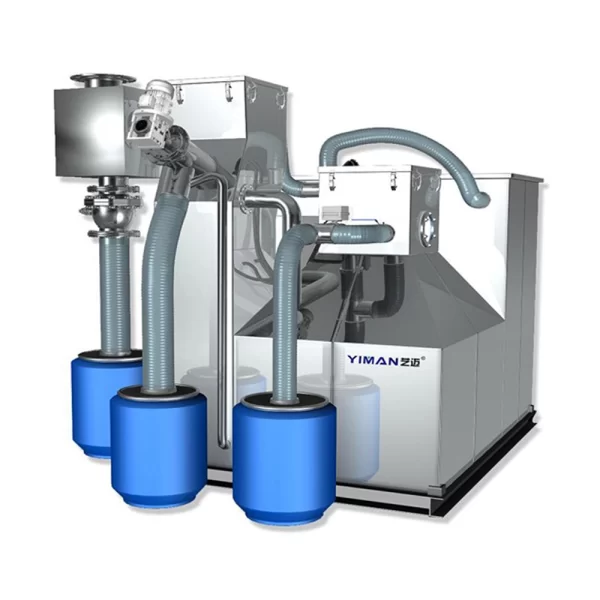
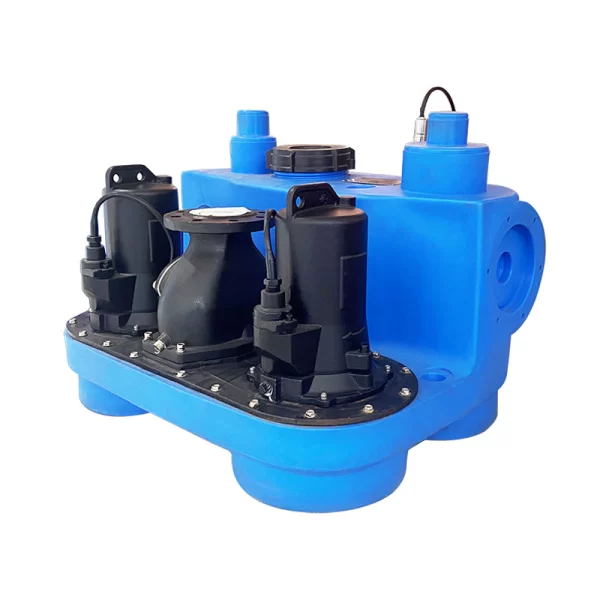
Shanghai Yimai Industrial Co., Ltd. offers advanced Oil Water Separator Sewage Elevator System designed for high efficiency and reliability. Our systems, such as the Model YMGY, handle treatment capacities from 10 to 50 m³/h with a maximum head of 30 meters. They are capable of heating media up to 60℃, which helps when viscosity makes oils stubborn. These systems integrate into a wide range of industrial and commercial settings, delivering effective oil removal.
| Parameter | Specification |
|---|---|
| Model | YMGY |
| Treatment Capacity | 10 / 15 / 20 / 25 / 30 / 35 / 40 / 50 m³/h |
| Max Head | 30 m |
| Max Heating Temperature | 60 ℃ |
| Application Fields | Catering, public facilities, food processing |
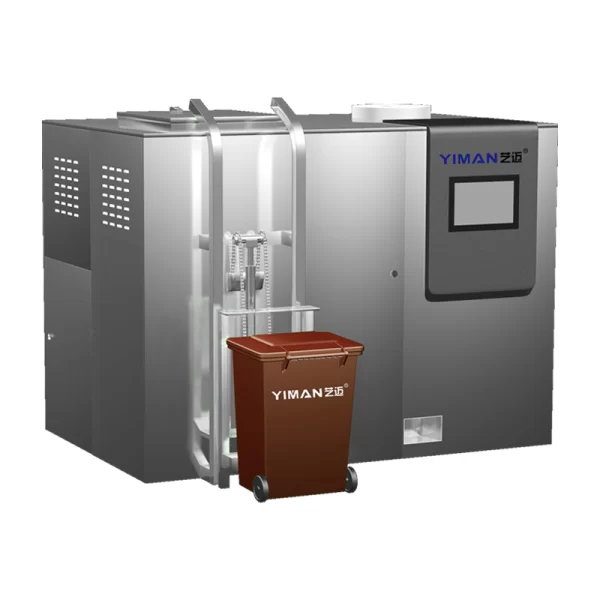
Our commitment to environmental responsibility extends to our Intelligent Waste Food Treatment System, which also incorporates efficient oil/water separation, achieving ≥90% separation.
Key Components and Design Considerations in Separator Systems
1. Identifying the Main Parts of an Oil-Water Separator
A typical oil-water separator includes an inlet chamber for initial flow distribution, a separation chamber where oil and water split, and an oil collection chamber. A sludge collection area handles settled solids, and an outlet discharges the treated water. Each part plays a role in overall efficiency.
2. How Inlet and Outlet Designs Impact Separation Efficiency
Inlet and outlet geometry matters a lot. A good inlet reduces turbulence so the flow is smooth and separation can happen. Diffusers or baffles manage velocity and spread flow evenly across the separation chamber. The outlet prevents previously separated oil from being pulled along and ensures only treated water leaves. Good design maximizes retention time and avoids short-circuiting.
3. The Importance of Sludge and Oil Collection Mechanisms
Reliable collection mechanisms keep the system running. Automated skimmers remove the surface oil layer. Sludge hoppers or sumps gather settled solids for periodic removal. This prevents remixing and preserves efficiency. Regular removal of oil and sludge avoids overloads.
4. Factors to Consider When Selecting an Oil-Water Separator
Choosing a separator means matching it to the job. Consider influent flow rate, oil concentration and type, and the target effluent quality. Temperature, pH, and solids content also matter. Local discharge rules set the bar for performance. Work with experienced specialists to select a system that fits both operations and compliance.
Practical Applications of Oil-Water Separators Across Industries
1. Utilizing Separators in Industrial Wastewater Treatment
Oil-water separators are a fixture in industrial wastewater treatment. They remove oil from process water, cooling water, and stormwater runoff. Petroleum refining, petrochemicals, and metal finishing depend on them. Good separation protects downstream processes and keeps facilities within discharge limits, which supports environmental sustainability.
2. Implementing Oil-Water Separation in the Catering Industry
Kitchens and prep areas generate oily wastewater in volume. Oil-water separators, often referred to as grease traps, keep fats, oils, and grease out of sewers. That prevents blockages and expensive plumbing repairs. Shanghai Yimai Industrial Co., Ltd.’s Oil Water Separator Sewage Elevator System is built for exactly these use cases.
3. Applying Separators in Automotive and Manufacturing Facilities
Automotive and manufacturing operations produce oily wastewater from washing, maintenance, and metalworking. Separators treat these streams before discharge. The payoff includes protected machinery, longer life for cutting fluids, and reliable compliance, which lowers costs and reduces environmental impact.
4. Environmental Benefits and Regulatory Compliance Achieved by Separation
Oil-water separation pays back in clean water and predictable permits. It reduces pollution in rivers, lakes, and oceans, which protects aquatic ecosystems. Meeting strict rules on oil discharge is a primary driver, since falling short can mean fines and reputational damage. Oil recovery can also be a plus when the recovered product has reuse or recycling value.
Maintenance and Optimization for Efficient Oil-Water Separation
1. Best Practices for Routine Maintenance of Separator Systems
Routine care keeps performance steady. Inspect plates, skimmers, and pumps regularly. Remove accumulated oil and sludge on a set schedule to avoid clogging and reduced efficiency. Clean coalescing plates and check for corrosion. Follow the manufacturer’s maintenance intervals.
2. Troubleshooting Common Issues in Oil-Water Separators
When separation falls off, the usual suspects are overloaded capacity, fouled plates, or poor flow distribution. Frequent clogging points to excess solids or not enough sludge removal. Odors often trace back to anaerobic decomposition in settled sludge. Addressing these quickly prevents failures and preserves performance.
3. Strategies for Enhancing Separation Performance and Longevity
Boost performance by conditioning the influent, for example by pre-screening large solids or adjusting pH. For emulsions, chemical treatment combined with advanced technology can raise efficiency. Monitor oil and water levels and use predictive maintenance to catch issues early. Proper sizing and sound installation at the start go a long way toward longevity.
For those managing wastewater systems, continuous improvement pays off. Consider exploring advanced solutions for wastewater management. If you’re interested, check 《Sewage Treatment Conference for Environmental Protection Seminar Attended by Yimai Industrial》.
Partner with Shanghai Yimai for Advanced Separation Solutions
Shanghai Yimai Industrial Co., Ltd. specializes in water and waste treatment solutions end to end. Our oil-water separation expertise helps facilities meet strict environmental standards while staying efficient. We provide reliable, high-performance equipment tailored to the job. Contact us to discuss how our systems can support your facility.
Email: overseas1@yimaipump.com
Phone/WhatsApp: +86 13482295009
FAQs
1. What are the primary benefits of using an oil-water separator?
Benefits include preventing oil discharge, meeting regulatory standards, and lowering operating costs. Separators protect downstream equipment and can make oil recovery possible. They are a key part of sustainable industrial and commercial operations.
2. How often should an oil-water separator be cleaned or maintained?
Maintenance frequency depends on influent quality, flow rate, and separator type. Gravity separators often need sludge and oil removal on a weekly to monthly basis. Coalescing plate units may need cleaning every few months. Regular inspections set the right cadence and prevent performance loss.
3. Can oil-water separators remove all types of oil from water?
Standard units excel at removing free and dispersed oils. Stable emulsions are tougher because droplets are very small and chemically bound in the water phase. Advanced options such as dissolved air flotation or ultrafiltration are needed for those cases.
4. What are the environmental regulations concerning oil discharge?
Rules vary by region and industry, with limits on oil and grease concentrations in effluent. The aim is to protect aquatic life and water quality. Non-compliance can bring significant fines and legal penalties.
5. How do I choose the right oil-water separator for my specific needs?
Match the separator to influent oil concentration and type, target effluent, flow rate, and available footprint. Factor in solids, temperature, and pH. Working with an experienced vendor like Shanghai Yimai Industrial Co., Ltd. helps ensure proper selection and dependable performance.