
Grease Trap Design Basics for Restaurants: An Essential Guide
Grease control decides whether a kitchen glides through a dinner rush or ends the night with a mop, a plumber, and a ruined mood. After years of tracing slow drains back to FOG-laden traps and seeing how a single misstep can snowball into fines or shutoffs, we take this topic seriously. Here, we lay out the fundamentals restaurant owners, kitchen managers, and facility planners lean on every day, from design and installation to maintenance and the advanced systems that raise efficiency and keep regulators satisfied.
Understanding the Critical Role of Grease Traps in Restaurants
1. What is a Grease Trap and Why is it Essential for Restaurants?
A grease trap, also called a grease interceptor, is a plumbing device that captures most fats, oils, and grease before wastewater reaches the sewer. It separates FOG from water so blockages do not form in downstream lines. Restaurants put a lot of FOG into their drains through cooking, dishwashing, and prep. Without a working trap, those substances cool, solidify, and layer inside pipes, which invites serious clogs and even sewer backups. A functioning trap protects your plumbing and supports clean, sanitary conditions inside the building.
2. The Environmental and Regulatory Impact of Proper Grease Management
Grease management has real environmental weight and clear regulatory teeth. Sending untreated FOG into municipal lines contaminates waterways and interferes with treatment plants. Many local agencies enforce strict limits and issue fines for violations. Staying within those rules safeguards public health and the environment, and it also prevents penalties and unplanned downtime for restaurants.
3. Common Problems Caused by Inadequate Grease Trap Systems
Undersized, poorly installed, or neglected systems tend to trigger the same cycle of headaches. Expect repeating blockages, bad smells, and occasional sewage backups. Operations get disrupted, sanitation suffers, and emergency calls are not cheap. Non-compliance with FOG limits can add fines on top of repair costs. Over time, the brand takes a hit and margins shrink.
Key Principles of Effective Grease Trap Design
1. How Grease Traps Work: The Science of FOG Separation
Grease traps rely on basic physics. FOG is less dense than water. When wastewater from sinks and dishwashers enters the trap, FOG cools and begins to solidify. The lighter fraction rises and forms a scum layer at the surface. Heavier solids drop to the bottom. The middle layer, largely free of FOG, exits to the sewer. Keeping that separation zone stable is what prevents buildup in downstream piping.
2. Different Types of Grease Traps Suitable for Restaurants
Restaurants can deploy several trap styles, each with its niche. Hydromechanical grease interceptors are compact units that sit under sinks or inside the kitchen. Gravity grease interceptors are larger vessels installed outdoors and below grade to handle higher flows. Automatic grease removal units are advanced hydromechanical units that skim and remove FOG on their own, which cuts down on manual cleaning. The right choice depends on kitchen size, expected FOG load, and local code requirements.
| Grease Trap Type | Installation Location | Treatment Capacity | Maintenance Frequency | Key Advantage |
|---|---|---|---|---|
| Hydromechanical Grease Interceptor (HGI) | Under-sink, inside kitchen | Low to Medium | Frequent (daily/weekly) | Compact, easy to install |
| Gravity Grease Interceptor (GGI) | Outdoors, underground | High | Less frequent (monthly/quarterly) | Handles large volumes, robust |
| Automatic Grease Removal Unit (AGRU) | Inside kitchen | Medium to High | Automated skimming, less manual | Automated FOG removal, efficient |
3. Factors Influencing Grease Trap Sizing and Capacity
Getting the size right is the difference between smooth separation and constant service calls. Consider how many fixtures drain to the trap, the water flow rate, and the menu style, since some cuisines generate more FOG than others. Higher volumes or heavier FOG output call for larger units. Local codes often prescribe sizing based on fixture counts or estimated discharge. An undersized unit will be overwhelmed, separation will suffer, and cleanings will spike. We recommend working with experienced engineers to lock in the optimal capacity.
Selecting and Installing the Right Grease Trap System
1. Regulatory Requirements and Local Codes for Grease Traps
Regulations set the boundaries for type, size, and placement. Plumbing codes and discharge ordinances vary by municipality, so do not assume one city’s rules translate to the next. Staying compliant keeps operations lawful and avoids fines. Consult the authority having jurisdiction early and secure permits before work begins.
2. Step-by-Step Guide to Grease Trap Installation
Proper installation is as crucial as selecting the right unit.
1. Determine the optimal location, balancing code compliance with access for service.
2. Prepare the site with enough clearance and correct plumbing tie-ins.
3. Set inlet and outlet piping to promote stable flow and effective separation.
4. Provide proper venting to control gases and maintain atmospheric pressure.
5. Anchor and seal the unit per the manufacturer’s instructions and local building codes.
6. Conduct a water test to confirm there are no leaks and the flow path works as intended.
7. Schedule final inspections and obtain approvals from local regulators.
3. Integrating Advanced Oil-Water Separation Systems for Enhanced Efficiency
For high-FOG kitchens or operations aiming for tighter effluent targets, advanced oil-water separation can lift performance. These systems, like our Oil Water Separator Sewage Elevator System, use refined separation methods that outperform conventional traps. Many include automated FOG removal and solids handling, which reduces manual labor and stabilizes results. The outcome is cleaner discharge and a smaller environmental footprint.
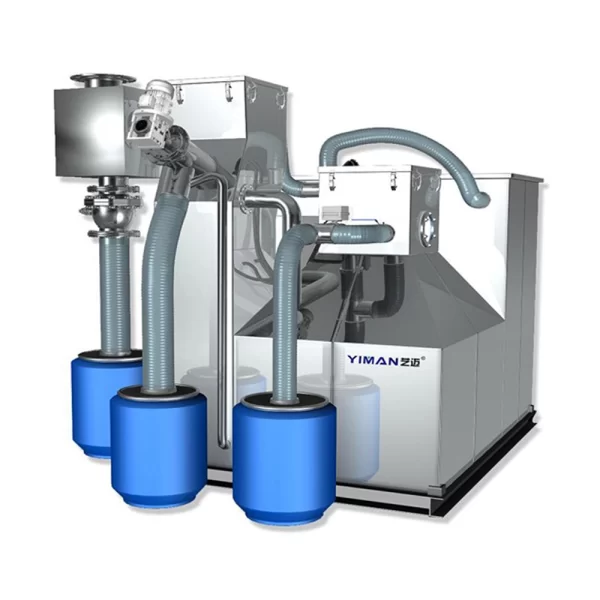
Large, complex kitchens benefit most, since these systems handle variable loads and mixed waste streams with fewer hiccups. Over time, reduced pump-outs and avoided penalties often offset the upfront spend. If you’re interested, check 《Oil Water Separator System Efficient and Eco Friendly Compliance for Industrial Wastewater》.
Maintenance and Best Practices for Optimal Grease Trap Performance
1. Routine Cleaning and Inspection Schedules for Grease Traps
A set schedule keeps performance steady. Base cleaning intervals on unit size, measured FOG accumulation, and local rules. Small under-sink units may need daily or weekly service. Larger interceptors may be on a monthly or quarterly cycle. During inspections, check FOG thickness, settled solids, baffles, gaskets, and structural condition. Keep records of all service for compliance and trend tracking.
2. Troubleshooting Common Grease Trap Issues
Odors, slow drains, and backups are the usual trouble signs. Persistent smells often point to heavy FOG buildup or venting problems. Slow drainage or recurring backups usually indicate a full trap or a blockage downstream. Respond quickly to small symptoms to avoid larger failures. Right-sizing and consistent cleaning prevent most of these issues.
3. Long-Term Strategies for Sustainable Grease Management
Sustainable grease management involves a combination of best practices and advanced technology.
1. Implement kitchen best practices, such as scraping food waste into bins before washing dishes.
2. Train staff on proper FOG disposal procedures.
3. Utilize biological additives to break down FOG, though these should not replace physical cleaning.
4. Consider upgrading to an automated grease removal unit for continuous FOG separation.
5. Regularly review and adjust cleaning schedules based on FOG accumulation patterns.
6. Partner with certified FOG waste haulers for environmentally responsible disposal.
These steps keep you compliant, protect plumbing, and support environmental goals.
Partner with Shanghai Yimai Industrial for Your Grease Management Needs
Shanghai Yimai Industrial Co., Ltd. specializes in advanced water and waste management solutions, including state-of-the-art oil-water separation systems. Our team helps your restaurant meet regulatory standards and operate efficiently. We provide reliable equipment and full lifecycle support tailored to your needs. Contact us today to discuss your grease trap design and management requirements.
Email: overseas1@yimaipump.com
Phone/WhatsApp: +86 13482295009
FAQs
1. How often should a restaurant grease trap be cleaned?
Cleaning intervals depend on unit size, the kitchen’s FOG output, and local rules. Smaller units may need daily or weekly attention, while larger interceptors often require service monthly or quarterly. Regular inspections help dial in the right cadence.
2. What is the difference between a grease trap and a grease interceptor?
The terms are often used interchangeably. In practice, “grease trap” usually refers to smaller under-sink hydromechanical units, and “grease interceptor” refers to larger outdoor gravity units with higher capacity. Both serve the same purpose of separating FOG from wastewater.
3. Can I install a grease trap myself, or do I need a professional?
Due to plumbing complexity, sizing calculations, and local code requirements, installation calls for trained professionals. Poor installation risks weak performance, non-compliance, and expensive fixes. We recommend licensed plumbers and engineers.
4. What are the signs that my grease trap is failing or needs maintenance?
Watch for slow drains, noticeable odors at sinks, sewage backups, or visible FOG at discharge points. These signals suggest the trap is full, obstructed, or malfunctioning and should be inspected and serviced right away.
5. How does an oil-water separator system improve grease trap efficiency?
An Oil-Water Separator System enhances grease trap efficiency by using more sophisticated separation features such as advanced baffling, coalescing plates, or automated FOG removal mechanisms. Results include higher FOG removal rates, fewer cleanings, and steadier compliance with discharge limits.