Essential Oil-Water Discharge Rules for Industrial Compliance
Industrial wastewater with an oil sheen is something we see all the time on site, and it always reminds us that environmental care and regulatory compliance live side by side with production targets. Getting oil out of effluent protects waterways and keeps operations steady. We understand how hard it is to hit strict discharge limits without slowing the plant. Our focus here is to make the oil-water discharge rules clear, and to share what actually works so businesses can move through this regulatory maze with confidence.
Understanding the Importance of Oil-Water Discharge Regulations
Oil-water discharge regulations anchor responsible environmental performance and practical, sustainable operations. These rules limit oil contamination to protect aquatic ecosystems and public health. Meeting them signals real corporate responsibility and protects reputation in a way marketing cannot.
1. Why Adhering to Discharge Rules is Crucial for Businesses
We push hard on compliance for four reasons. First, it avoids legal trouble, including heavy fines and, in severe cases, imprisonment. Second, it safeguards natural resources, preserves biodiversity, and protects drinking water. Third, it strengthens public perception, building stakeholder trust and market position. Fourth, it often trims waste and improves water use, which translates into operational efficiencies.
2. The Environmental and Economic Impact of Non-Compliance
Skipping the rules is expensive and damaging. Environmentally, oil discharges harm marine life, taint drinking water sources, and destabilize ecosystems. Financially, companies face penalties, cleanup costs, and lawsuits. Reputational hits reduce customers, chill investment, and complicate permitting, which can erode long-term viability.
Key International and National Oil-Water Discharge Standards
Industrial oil-water discharge falls under a layered set of international and national requirements. Understanding the standards is the starting point for compliance. These frameworks set permissible limits for oil and grease in discharged wastewater.
1. Overview of Major Regulatory Bodies and Their Mandates
Multiple authorities set the rules. The International Maritime Organization (IMO) establishes global shipping standards through MARPOL Annex I, which regulates oil discharge from vessels. National agencies, including the U.S. Environmental Protection Agency (EPA) and the European Environment Agency (EEA), define limits and permitting processes. They require routine monitoring and reporting to verify compliance.
2. Specific Limits and Parameters for Oil in Discharged Water
Discharge limits vary by country and industry. Most frameworks specify maximum concentrations for oil and grease (O&G) in milligrams per liter (mg/L). Many industrial permits cap O&G at 10-15 mg/L, and some sensitive areas set limits below 5 mg/L. Total Petroleum Hydrocarbons (TPH) and other specific hydrocarbons are also commonly regulated.
| Parameter | Typical Industrial Limit (mg/L) | Sensitive Area Limit (mg/L) | Regulatory Body Example |
|---|---|---|---|
| Oil & Grease (O&G) | 10-15 | <5 | EPA, EEA |
| Total Petroleum Hydrocarbons (TPH) | 5-10 | <1 | IMO, Local Authorities |
| Chemical Oxygen Demand (COD) | 50-200 | <50 | National Environmental Agencies |
| Biological Oxygen Demand (BOD5) | 20-50 | <10 | National Environmental Agencies |
Best Practices for Effective Oil-Water Separation and Treatment
Consistent compliance comes from solid separation and treatment design, backed by vigilant operations. The playbook blends proven technologies with tight monitoring.
1. Implementing Advanced Separation Technologies for Compliance
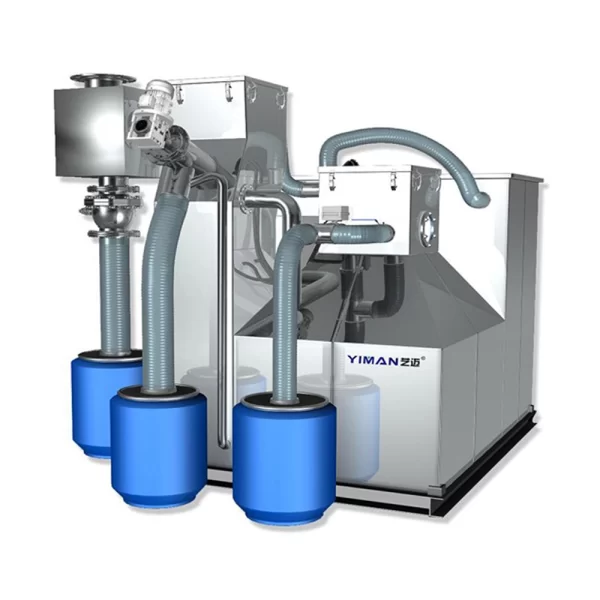
Advanced separation technologies are central to meeting strict discharge limits. Gravity separation with oil-water separators usually starts the train, removing free-floating oil. Follow-up stages can include coalescing plate separators, dissolved air flotation (DAF), or membrane filtration. Together, these processes drive oil content down to permitted levels.
2. Monitoring and Reporting Requirements for Discharged Water
Strong monitoring and accurate reporting keep systems on track. Facilities should regularly sample and analyze effluent for oil and grease, pH, temperature, and any other regulated parameters. Automated monitoring gives real-time data, which helps operators adjust quickly. Reports go to regulators to confirm ongoing alignment with permit conditions.
You might be interested in Oil Water Separator System Efficient and Eco Friendly Compliance for Industrial Wastewater.
Technologies and Solutions for Meeting Discharge Regulations
Shanghai Yimai Industrial Co., Ltd. builds solutions designed to meet and exceed oil-water discharge regulations in real-world conditions. Our systems focus on efficiency and reliability, and we support them end to end.
1. How Shanghai Yimai’s Oil-Water Separator System Ensures Compliance
Our Oil Water Separator System (Model YMGY) efficiently removes oil from industrial wastewater. Robust construction and optimized internal components improve separation performance. With treatment capacities from 10 to 50 m³/h, the system handles a wide range of flow rates. A maximum heating temperature of 60°C helps separate viscous oils. It serves catering, public facilities, and food processing plants, delivering consistent compliance with discharge standards.
2. Integrating Other Water Treatment Systems for Comprehensive Solutions
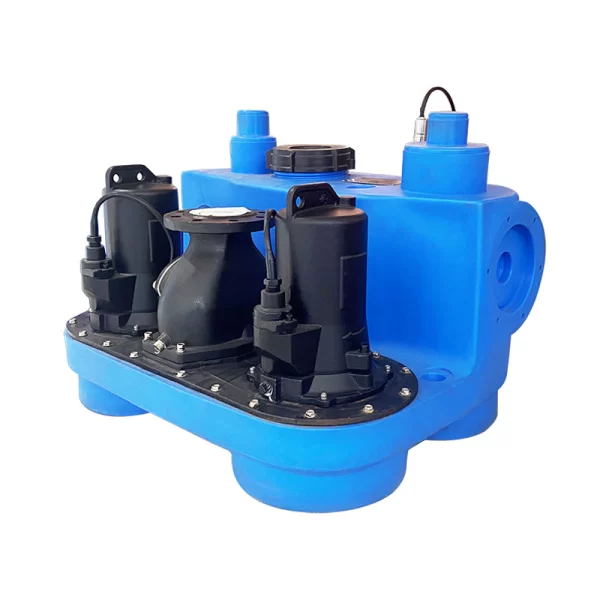
For a full wastewater management approach, pairing our oil-water separator with other systems is often the right move. Upstream, add pre-treatment to remove larger solids. Downstream, apply biological treatment for dissolved organics and advanced filtration to polish the effluent. We also provide Sewage Water Elevating System for efficient wastewater transport. This integrated approach addresses all contaminants, achieves full regulatory compliance, and protects the environment.
Navigating Common Challenges in Oil-Water Discharge Management
Day to day, teams run into shifting operating conditions and evolving rules. Staying ahead of both keeps permits intact and systems stable.
1. Addressing Operational Hurdles in Maintaining Compliance
Common hurdles include variable wastewater volumes, changing oil concentrations, and emulsified oils. Emulsions need targeted chemical or physical treatment methods. Routine maintenance and precise calibration keep equipment performing. Training operators on procedures and emergency response reduces discharge risk.
2. Future Trends and Evolving Regulations in Water Treatment
Regulations will tighten, and expectations will rise for advanced technologies. We see growing attention on zero liquid discharge (ZLD) and recovering value from wastewater. Digital tools and AI-driven monitoring will sharpen performance and streamline reporting. Facilities benefit from flexible, scalable systems that can adapt as requirements change.
You may find Sewage Treatment Conference for Environmental Protection Seminar Attended by Yimai Industrial insightful.
Partner with Shanghai Yimai for Sustainable Water Management
Meeting oil-water discharge regulations is demanding, yet absolutely achievable with the right design and support. Shanghai Yimai Industrial Co., Ltd. delivers robust, efficient solutions, including our advanced Oil Water Separator System, to help you meet stringent requirements. Our water systems and environmental engineering expertise keeps operations compliant and sustainable. Contact us to discuss your plant conditions, and we will tailor a solution that fits.
Email: overseas1@yimaipump.com
Phone/WhatsApp: +86 13482295009
FAQs
1. What are the primary risks of not complying with oil-water discharge rules?
Non-compliance can trigger significant legal penalties, including heavy fines and possible shutdowns. It also damages the environment, harms ecosystems, and affects public health. Reputational fallout can reduce customer trust and market share.
2. How often should oil-water separation systems be maintained?
Maintenance cadence depends on system design, wastewater characteristics, and loading. As a baseline, perform daily visual checks, remove sludge and oil weekly, and run monthly inspections. Annual professional servicing preserves performance and longevity.
3. Can small businesses be exempt from oil-water discharge regulations?
No. Small businesses are still subject to oil-water discharge regulations, though limits and monitoring can vary by discharge volume and industry. Any entity producing oily wastewater must follow applicable local, national, and international standards.
4. What is the role of an Oil-Water Separator System in compliance?
An Oil Water Separator System physically separates immiscible oil from water. This lowers oil and grease in wastewater to meet regulatory limits before discharge. It prevents pollution and avoids penalties tied to contaminated effluent.
5. How can I determine the specific discharge limits for my industry and location?
Check with your local environmental protection agency or relevant regulatory body. They issue permits and guidance tailored to your industry, location, and wastewater profile.