
Why Oil-Water Separators Produce Odor: Causes and Solutions
If I catch a sharp sulfur note near an oil-water separator during a plant walk, I know the system is asking for attention. Those odors usually trace back to oxygen-starved biology, sludge and grease build-up, VOC carryover, lax maintenance, or design choices that let flow go stagnant. Here, I lay out why these systems matter, what drives odor, how to stop it with practical fixes, the knock-on impacts for safety and compliance, and how Shanghai Yimai’s solutions handle these challenges without compromising performance.
Understanding the Critical Role of Oil-Water Separators in Industrial Operations
1. The Fundamental Purpose and Operation of Oil-Water Separator Systems
Oil-water separators are central to industrial wastewater treatment, built to remove oil and grease from water streams before discharge or further treatment. They rely on gravity separation that takes advantage of the density difference between oil and water. Wastewater enters the separator, heavier solids settle to the bottom, and lighter oils rise and form surface layers. The treated water exits the system, while separated oil and sludge are removed for disposal or recycling. Solid separation like this protects the environment and keeps facilities within discharge limits.
2. The Environmental and Operational Importance of Effective Oil-Water Separation
Effective oil-water separation protects natural water bodies and public health, and it also keeps downstream equipment from fouling or damage. That translates into lower maintenance costs and longer asset life. A system that runs well avoids unplanned interruptions and stays compliant with tight environmental standards. Poor separation invites fines and reputational headaches.
Unraveling the Primary Causes of Odor Generation in Oil-Water Separators
1. Biological Activity and Anaerobic Decomposition of Organic Matter
One frequent odor source is anaerobic decomposition of organic matter by microorganisms. When dissolved oxygen drops, anaerobic bacteria take over and break down organics, producing hydrogen sulfide (H2S), ammonia, and volatile fatty acids. This shows up most in stagnant pockets where solids collect. Those gases are a signal that the biological balance inside the system is off.
2. Accumulation of Sludge, Greases, and Other Solid Contaminants
Sludge, grease, and other solids that settle or coat internal surfaces create the perfect conditions for anaerobic breakdown. As these deposits grow, they cut into effective volume, hurt hydraulic performance, and make odors worse. Regular removal keeps them from putrefying.
3. Chemical Reactions and the Presence of Volatile Organic Compounds (VOCs)
Wastewater streams can carry solvents, petroleum derivatives, and other VOCs that either volatilize directly or react inside the separator to form new odorous compounds. Pinpointing the specific chemicals involved guides the right treatment approach.
4. Inadequate Maintenance Practices and Infrequent Cleaning Schedules
When maintenance falls behind, oil and sludge layers thicken and anaerobic activity ramps up, which releases more odor. Skipping inspections lets small issues snowball. A steady maintenance cadence keeps performance up and removes the conditions that feed odors.
5. Design Flaws or Operational Inefficiencies Leading to Stagnation
Dead zones or low-flow areas let water and solids sit, which invites anaerobic growth and odor. Common culprits include incorrect sizing, poor baffling, and uneven flow distribution. Tuning design and operations is key for durable odor control.
Implementing Effective Strategies to Prevent and Eliminate Oil-Water Separator Odors
1. Regular and Thorough Cleaning and Maintenance Protocols
A disciplined cleaning and maintenance schedule is the backbone of odor prevention. Remove accumulated oil, grease, and sludge on a routine basis. Quarterly inspections and cleaning suit many facilities, while high-load systems may need attention monthly or even weekly. Keeping organic matter in check starves anaerobic processes.
2. Optimizing Biological Treatment and Aeration within the System
Aeration lifts dissolved oxygen, steering decomposition toward aerobic pathways that generate fewer odors. Bio-augmentation with targeted microbial cultures can speed up breakdown of organics. Together, these steps keep the microbial community in balance.
3. Utilizing Chemical Additives and Deodorizers for Odor Control
Chemical tools can deliver quick relief. Oxidizing agents such as hydrogen peroxide or chlorine neutralize odorous compounds. Biological additives with enzymes or beneficial bacteria help digest organic loads. Activated carbon filters capture airborne odors. Use these as supportive measures alongside operational fixes.
4. Enhancing System Design and Operational Parameters for Better Flow
Review hydraulic design and day-to-day operations to eliminate stagnation. Adjust inlet and outlet configurations, add or rework baffles, and maintain consistent flow rates. Sound hydraulics reduce dead zones and sharpen oil and solids removal. We can assist with evaluating your current system.
5. Proper Waste Disposal and Management of Separated Byproducts
Handle separated oil and sludge so they do not become a secondary odor source. Store byproducts in sealed containers and send them off-site regularly with licensed handlers. Lax storage or slow disposal lets odors resurface. We provide guidance on best practices for waste management.
The Impact of Odor on Industrial Facilities and Regulatory Compliance
1. Health and Safety Concerns for Workers and Surrounding Communities
Persistent odors point to gases like hydrogen sulfide that can trigger respiratory irritation, headaches, and nausea for workers. Communities nearby notice too, which leads to complaints and quality-of-life concerns. Tackling odor is a workplace safety and public health issue.
2. Potential for Regulatory Fines and Environmental Penalties
Regulations often cap odor emissions and restrict pollutant discharges. Facilities that ignore odors or allow separation performance to slide risk fines, legal action, and forced shutdowns. Staying compliant is a legal obligation and a mark of environmental stewardship. We emphasize the importance of maintaining an efficient Oil Water Separator System.
A recommendation for further reading on environmental compliance: Oil Water Separator System Efficient and Eco Friendly Compliance for Industrial Wastewater
3. Operational Inefficiencies and Increased Maintenance Costs
Odor usually signals inefficiency. Expect higher chemical spend, more energy draw, and extra wear on equipment, all of which drive up operating costs. Fixing the root causes of odor often improves throughput and lowers expenses.
Shanghai Yimai Industrial Co., Ltd.’s Advanced Oil-Water Separation Solutions
1. Overview of Yimai’s Oil-Water Separator System Technology
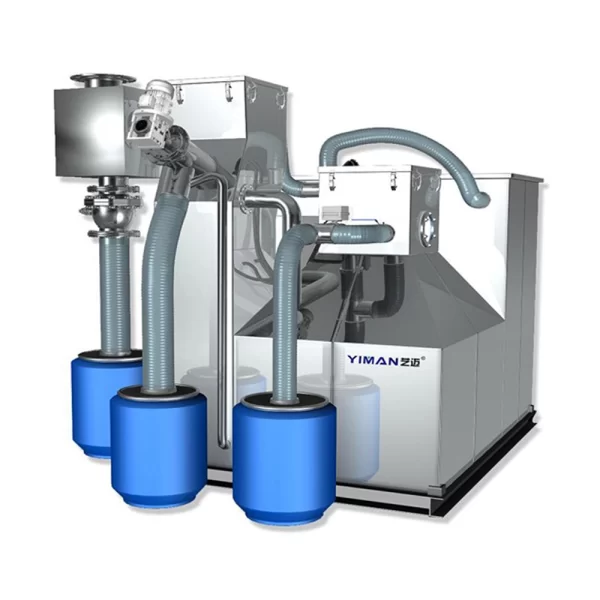
Shanghai Yimai Industrial Co., Ltd. delivers advanced wastewater treatment solutions, including high-efficiency Oil Water Separator System. Our YMGY model handles 10 to 50 m³/h, with a maximum heating temperature of 60 ℃ to enhance separation. The systems are engineered for reliability and easy upkeep, both of which help prevent odor generation. We design to fit the diverse demands of multiple industries.
| Parameter | YMGY Model Range |
|---|---|
| Treatment Capacity | 10 / 15 / 20 / 25 / 30 / 35 / 40 / 50 m³/h |
| Max Head | 30 m |
| Max Heating Temp. | 60 ℃ |
| Application Fields | Catering, public facilities, food processing, supermarkets |
2. How Yimai’s Systems Address Common Odor-Related Challenges
Our separators are laid out to minimize stagnation points, which keeps flow moving and limits anaerobic zones. Optional integrated aeration promotes aerobic conditions and lowers the formation of odorous gases. The robust construction and accessible layout support thorough cleaning and maintenance, which directly tackles sludge and grease accumulation. For facilities with significant organic waste, our Organic Waste Treatment System can preprocess the waste to reduce the load on the separator.
3. Tailored Solutions for Diverse Industrial and Commercial Applications
Shanghai Yimai provides customized configurations for everything from catering operations to large industrial plants. We evaluate wastewater characteristics and operational needs, then recommend a system that manages oil and grease effectively, reduces odors, and aligns with environmental standards. We also support integration and ongoing maintenance. For related wastewater management, consider our Sewage Water Elevating System Intelligent Solutions for Reliable and Efficient Wastewater Management.
Partner with Shanghai Yimai for Odor-Free Oil-Water Separation
Maintaining an odor-free, efficient oil-water separator supports compliance, protects the environment, and keeps the workplace healthy. At Shanghai Yimai Industrial Co., Ltd., we provide advanced oil-water separator systems and hands-on expertise to resolve your specific challenges. Our solutions are built for strong performance and long-term reliability. Contact us to discuss your wastewater treatment needs and see how our technology can help.
Email: overseas1@yimaipump.com
Phone/WhatsApp: +86 13482295009
FAQs
1. How often should an oil-water separator be cleaned to prevent odors?
The right interval depends on wastewater volume and load. As a baseline, plan a thorough cleaning every 3 to 6 months. Systems with heavier concentrations of oil, grease, or organics may need monthly or even weekly cleaning to prevent odor buildup and keep performance steady.
2. Can all odors from an oil-water separator be eliminated completely?
Eliminating every trace is hard, but you can drive odors down to undetectable, non-nuisance levels. Combine consistent maintenance, balanced biological conditions, and targeted chemical or physical controls to achieve a substantial reduction.
3. What are the signs that my oil-water separator is developing an odor problem?
Watch for a rising odor around the unit, thick oil or sludge layers, slower flow, or repeated clogging. Routine checks on these indicators let you intervene early before the issue escalates.
4. Are there any eco-friendly solutions for controlling odors in oil-water separators?
Yes. Biological tools such as bio-augmentation and added aeration support natural decomposition. Plant-based deodorizers or essential oil-based neutralizers can also help. These options reduce reliance on harsher chemicals.
5. How does temperature affect odor generation in oil-water separators?
Temperature drives biological activity. Warmer conditions above 20°C speed up anaerobic growth and organic decomposition, which can increase odors. Keeping wastewater cooler or adding cooling steps helps limit odor, especially in industrial settings.