Effective Strategies for Treating High-Oil Industrial Wastewater
When I walk a plant floor and catch that rainbow sheen on a sump, I know we’re staring at more than a housekeeping issue. High-oil industrial wastewater can derail compliance, chew up equipment, and eat into budgets if you don’t treat it with the right mix of science and practical engineering. Success starts with understanding what kind of oil you’re dealing with, then stacking proven technologies in the right sequence. Below, I outline field-tested strategies and advanced systems that reduce environmental risk, keep regulators satisfied, and support sustainable operations.
Understanding the Challenges of High-Oil Industrial Wastewater Treatment
- The environmental and economic impacts of oil contamination
Oil-laden effluent threatens aquatic ecosystems, soil quality, and public health. On the water surface, even a thin sheen restricts oxygen transfer and stresses aquatic life. On the balance sheet, improper discharge invites fines, reputational hits, higher remediation spend, and penalties. Inside the plant, oil fouls tanks, diffusers, media, and membranes, which drags down efficiency and drives up maintenance. I have seen clarifiers lose performance within weeks when emulsions slip past pretreatment.
- Key characteristics and sources of oily wastewater streams
Oily wastewater shows up across petroleum refining, petrochemicals, metalworking, food processing, and transport. The mix varies by source, from concentration and emulsion stability to co-contaminants like heavy metals or organics. Oil may present as free, dispersed, emulsified, or dissolved, and each form calls for a different removal tactic. Dialing in these details is the only way to select the right treatment steps.
- Regulatory requirements and compliance standards for oil discharge
Regulators set strict oil and grease limits for discharges to surface waters and public sewers, often less than 10 to 30 mg/L. Meeting those numbers usually requires multi-stage treatment and steady monitoring. Staying within limits avoids legal exposure and signals serious environmental stewardship. Continuous effluent tracking is non-negotiable if you want stable compliance.
Advanced Technologies for Oil-Water Separation and Treatment
- Physical separation methods for initial oil removal
Physical separation is your first pass, aimed at free and mechanically dispersed oil. These steps lean on density differences and gravity.
- Gravity Separators (API Separators, CPI Units): By exploiting density contrast, API separators skim oil in open channels, while CPI units use inclined plates to expand effective settling area. Both target larger droplets.
- Dissolved Air Flotation (DAF): Fine air bubbles attach to oil and solids, boosting buoyancy so material floats for skimming. DAF shines with smaller, more stable droplets and suspended solids.
- Coalescers: Plate packs or engineered media nudge small droplets to merge into larger ones that separate by gravity with far less resistance. They are often paired with gravity systems to lift performance.
- Chemical treatment processes for emulsion breaking and flocculation
Emulsified oil resists simple separation. Chemistry breaks that barrier and readies the stream for clarification.
- Emulsion Breaking: Demulsifiers, including acids, salts like calcium chloride or ferric chloride, and specialized polymers, destabilize oil-in-water emulsions by neutralizing droplet charges so they coalesce.
- Coagulation and Flocculation: After breakup, coagulants such as aluminum sulfate or ferric sulfate neutralize residual charges to form micro-flocs. High molecular weight polymers then gather those into larger flocs that settle or float readily. This step dramatically improves removal of oil and suspended solids.
- Biological approaches for degrading dissolved oil and organic compounds
Biology picks up what physics and chemistry leave behind, targeting dissolved oil and biodegradable organics. Microbes do the heavy lifting, turning pollutants into carbon dioxide and water.
- Aerobic Treatment: Activated sludge, trickling filters, and membrane bioreactors (MBRs) rely on oxygen-loving bacteria. MBRs deliver high removals with small footprints.
- Anaerobic Treatment: For stronger streams, anaerobic digestion converts complex organics without oxygen and produces biogas as a usable byproduct.
- Bioremediation: Tailored microbial consortia can accelerate breakdown of targeted oil fractions when native biology needs a boost.
- Membrane filtration techniques for achieving high-purity effluent
Membranes provide the final polish, producing effluent clean enough for discharge or reuse by removing residual oil, solids, and even dissolved species.
- Microfiltration (MF) and Ultrafiltration (UF): These cut out suspended solids, bacteria, and larger droplets, and they often serve as pretreatment for tighter membranes.
- Nanofiltration (NF) and Reverse Osmosis (RO): With higher rejections, NF and RO strip dissolved salts, smaller organics, and traces of dissolved oil. RO can reach potable-quality water, which opens the door to recycling.
- Ceramic Membranes: Chemically tough and temperature tolerant, ceramics handle difficult oily streams and aggressive cleaners with long service lives.
Implementing an Integrated High-Oil Wastewater Treatment System
- Designing a comprehensive treatment train for optimal performance
The best results come from a treatment train that stages physical, chemical, biological, and membrane steps. The design work includes:
- Characterization: Analyze the raw wastewater for oil concentration, emulsion stability, pH, temperature, and co-contaminants.
- Pilot Testing: Run pilots to validate technology choices and tune setpoints, flows, and chemical programs.
- Process Selection: Pick unit operations based on influent traits, target effluent, and lifecycle economics.
- Integration: Size equipment properly and align hydraulics, controls, and chemical dosing so each step feeds the next without bottlenecks.
- The role of specialized equipment in effective oil removal
Purpose-built equipment is what makes these systems reliable day after day.
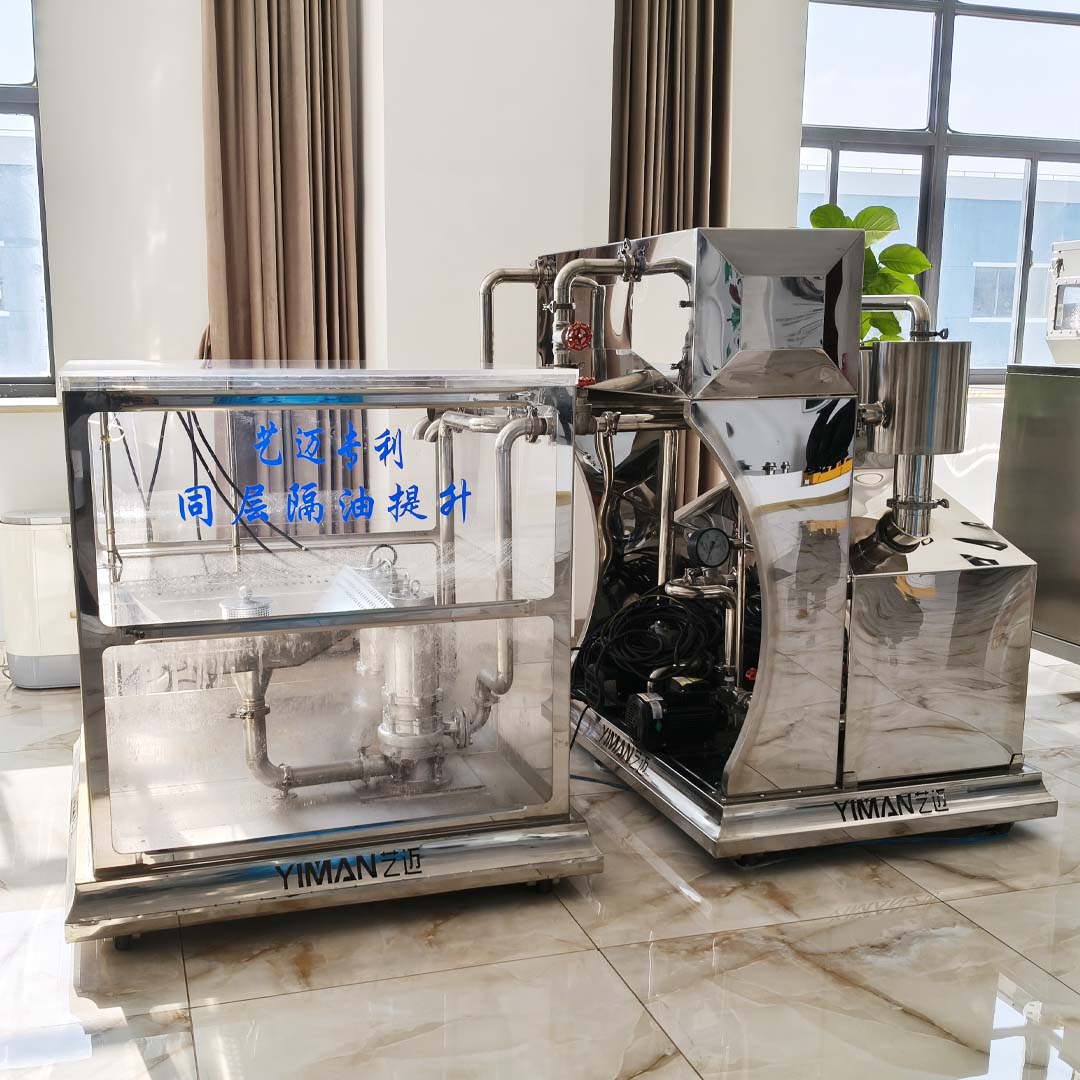
- Oil-Water Separator Systems: Dedicated Oil Water Separator Sewage Elevator System are critical for initial bulk oil removal. These systems, such as the YMGY model from Shanghai Yimai Industrial, offer treatment capacities ranging from 10 to 50 m³/h and can handle various oil types.
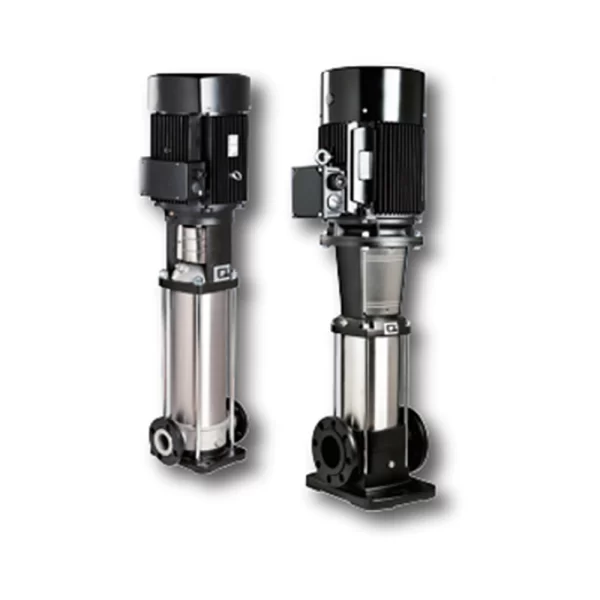
- Pumps: Reliable pumps keep wastewater, chemicals, and sludge moving. We offer a range that includes Vertical Multi Stage Centrifugal Pump for high-pressure service, Stainless Steel Single Screw Pump for viscous duties, and Split Casing Double Suction Pump for large flows.
- Motors: Efficient, durable drives power pumps, mixers, and more. Our lineup includes IE3 Three Phase Electric Motor and IE4 Three Phase Electric Motor for energy savings, plus YBX3 Explosion Proof Three Phase Electric Motor and YBX4 Explosion Proof Three Phase Electric Motor for hazardous locations.
- Automation and intelligent control for efficient system operation
Modern control strategies keep plants stable, economical, and compliant.
- Sensors and Monitoring: Real-time instruments track pH, oil concentration, flow, and dissolved oxygen around the clock.
- Programmable Logic Controllers (PLCs) and SCADA Systems: PLCs and SCADA collect data, command equipment, and let operators supervise and tweak processes from a central interface or remotely.
- Artificial Intelligence (AI) and Machine Learning (ML): Predictive algorithms fine-tune chemical dosing, flag anomalies, and plan maintenance before downtime hits.
- Integrated Control Panels: Centralized panels give a system-wide view for fast decisions and quick troubleshooting.
You might be interested in VFD Controlled Booster System Powering Smarter Water Pressure with Efficiency and Precision.
- Maximizing resource recovery and minimizing waste generation
A resource-first mindset cuts disposal costs and creates value.
- Oil Recovery: Skimmed oil can be reused as fuel, blended, or reprocessed to offset disposal and generate revenue.
- Water Reuse: Polished effluent can serve non-potable needs like irrigation, cooling, or process makeup, which trims freshwater demand.
- Sludge Management: Dewatering, composting, or anaerobic digestion reduces landfill use and can produce energy.
- Byproduct Utilization: Nutrient-rich biosolids and biogas are tangible outputs that can return value as fertilizers or energy.
Shanghai Yimai Industrial’s Solutions for Oily Wastewater Management
Shanghai Yimai Industrial Co., Ltd. delivers end-to-end solutions for industrial wastewater, with particular strength in high-oil streams. Our pumps, motors, and integrated systems are engineered for dependable, efficient service.
- How Yimai’s Oil Water Separator System provide efficient treatment
Our Oil Water Separator System (Model YMGY) target primary oil removal across diverse industrial settings. These units apply advanced separation principles to remove free and dispersed oil at high efficiency.
| Parameter | Specification |
|---|---|
| Model | YMGY |
| Treatment Capacity | 10 / 15 / 20 / 25 / 30 / 35 / 40 / 50 m³/h |
| Max Head | 30 m |
| Max Heating Temperature | 60 ℃ |
| Application Fields | Catering industry, public facilities (shopping malls, hotels, schools, hospitals), food processing plants, food supermarkets |
These systems ease the load on downstream treatment, improve overall stability, and support meeting discharge limits.
- Integrating Yimai’s pumps and motors for robust system performance
Reliable fluid handling is the backbone of any treatment plant. Shanghai Yimai Industrial offers a wide portfolio built for demanding duty cycles.
- Pumps: Our selection includes Vertical Multi Stage Centrifugal Pump for high-pressure filtration and transfer, Stainless Steel Single Screw Pump for abrasive or viscous slurries, and Split Casing Double Suction Pump for high-volume movement.
- Motors: IE3 and IE4 high-efficiency motors lower energy use and operating costs. For areas with flammable vapors, our YBX3 Explosion Proof Three Phase Electric Motor and YBX4 Explosion Proof Three Phase Electric Motor deliver safe, reliable power.
- Customizing solutions for diverse industrial applications
Every plant’s water looks different. Our engineering team collaborates with clients to tailor systems that hit targets and fit budgets.
- Process Design: We build treatment trains around the actual wastewater and the governing regulations.
- Equipment Selection: We match the right pumps, separators, and accessories from our catalog to the job at hand.
- System Integration: We deliver full integration with controls, piping, and instrumentation for steady, predictable operation.
- After-Sales Support: We provide technical support, maintenance, and spares to keep uptime high and total cost of ownership in check.
Application Examples of High-Oil Wastewater Treatment
- Successful treatment in the petroleum refining industry
Refineries generate significant oily wastewater from crude desalting, tank cleaning, and blowdown. A common setup includes:
- Primary Treatment: API or CPI units and DAF to knock out bulk oil and suspended solids.
- Secondary Treatment: Biological treatment, such as activated sludge, to reduce dissolved hydrocarbons.
- Tertiary Treatment: Sand filters and activated carbon for polishing, with membranes added where water reuse is required.
Our Oil Water Separator System are frequently deployed in this sector as a critical first step.
- Case studies from the food processing sector
Food processing streams carry high fats, oils, and grease alongside organics. Effective approaches often pair:
- Grease Traps and Screens: Front-end removal of large FOG.
- DAF: Strong performance on FOG and suspended solids via flotation.
- Biological Treatment: Aerobic or anaerobic systems to cut dissolved organic load.
- Membrane Filtration: Recovery and reuse of water in facilities with high demand.
For more information on addressing food waste challenges, consider Waste Food Treatment System Redefining Resource Recycling Through Innovation.
- Effective solutions for metalworking and manufacturing facilities
Metalworking wastewater carries cutting fluids, lubricants, and hydraulic oils that form tough emulsions. A proven playbook includes:
- Chemical Emulsion Breaking: The key move for destabilizing oil emulsions before separation.
- Ultrafiltration: Highly effective for removing emulsified oils and suspended solids, often enabling recovery of valuable cutting fluids.
- Biological Treatment: Cleans up residual organics after physical and chemical steps.
- pH Adjustment: Maintains the sweet spot for both chemical reactions and biological performance.
Partner with Shanghai Yimai Industrial for Your Wastewater Treatment Needs
Managing high-oil industrial wastewater is a strategic lever for sustainable growth as well as a compliance requirement. Shanghai Yimai Industrial Co., Ltd. delivers robust, efficient, and customized solutions matched to your process and targets. Our advanced Oil Water Separator System, high-performance pumps, and energy-smart motors form a resilient treatment backbone. We help clients hit environmental standards, control operating costs, and turn waste into resources.
Contact us today to discuss your project and discover how our expertise can benefit your operations.
Email: overseas1@yimaipump.com
Phone/WhatsApp: +86 13482295009
FAQs
What are the primary concerns when treating high-oil industrial wastewater?
The top concerns are meeting strict discharge limits, handling stable emulsions, avoiding equipment fouling, and keeping operating costs under control. Environmental impact and regulatory compliance come first.
How does an Oil Water Separator System work?
An Oil Water Separator System generally relies on gravity, where lower-density oil rises to the surface for skimming. Some systems add coalescing media or dissolved air flotation to improve capture of smaller droplets.
Can treated oily wastewater be reused or recycled?
Yes. With advanced tertiary steps like membrane filtration, such as UF and RO, treated water can reach quality levels suitable for non-potable reuse including cooling, process makeup, or irrigation, which delivers significant water savings.
What factors influence the choice of a wastewater treatment technology?
Consider the oil form and concentration, other contaminants present, target effluent quality, regulatory limits, space, capital and operating costs, and opportunities for resource recovery.
How can industries ensure compliance with environmental regulations for oil discharge?
Implement an integrated treatment train, monitor effluent routinely, maintain equipment, and track evolving regulations. Partnering with experienced providers like Shanghai Yimai Industrial supports consistent compliance.