Unlocking Efficiency: The Benefits of Automatic Oil-Discharge Separators
Oil and grease in industrial wastewater complicate compliance and daily operations. Getting separation right protects ecosystems and keeps plants running reliably. Here, we look at how automatic oil-discharge separators meet those demands with automated designs that improve separation performance, cut manual workload, and support modern wastewater management.
Understanding the Critical Need for Effective Oil-Water Separation in Modern Industries
Oil in process water carries environmental and operational consequences. Left untreated, it pollutes soil and waterways, harming aquatic life and surrounding ecosystems. Regulators impose strict penalties for non-compliance, which affects budgets and reputation. Inside the plant, oil fouls equipment, reduces system efficiency, and increases maintenance costs. The challenge spans many waste streams, from catering to manufacturing and petroleum, so treatment must be robust.
The Environmental and Operational Challenges of Oil Contamination
The fallout from oil-contaminated wastewater is twofold. Environmentally, it degrades soil and water quality, damages ecosystems, and can trigger heavy regulatory fines. Operationally, it accelerates equipment wear, lowers process efficiency, and raises maintenance spend. These compounding issues highlight the economic and ecological costs of inadequate oil-water separation. Treating the varied wastewater found in catering, manufacturing, and petroleum sectors adds to the complexity.
How Automatic Oil-Discharge Separators Revolutionize Wastewater Treatment
Automatic oil-discharge separators mark a clear step forward in wastewater treatment. They remove oil efficiently through reliable automation. Their designs combine multiple separation principles to achieve strong performance.
The Core Mechanism and Advanced Features of Automated Systems
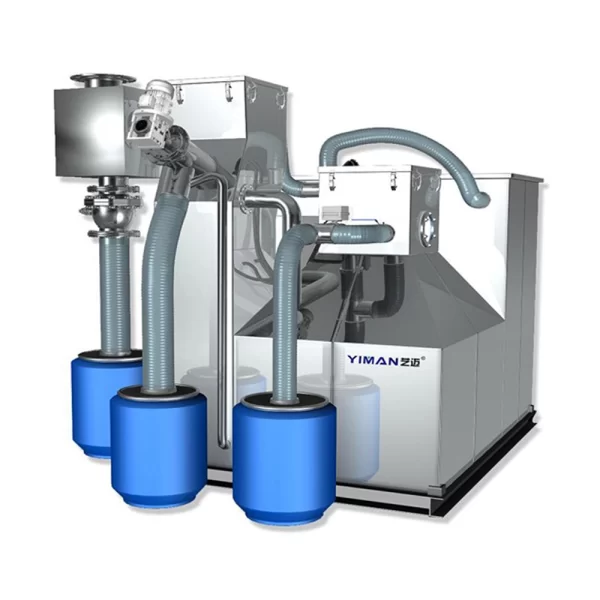
Automatic oil-discharge separators, such as Shanghai Yimai’s YMGY model, apply gravity separation, coalescing filters, and automated skimming to remove oil from water with high efficiency. They detect oil levels and automatically discharge the separated oil, which minimizes manual intervention. Key features include intelligent control systems, self-cleaning capabilities, and robust construction materials. Taken together, these attributes outperform traditional, manual methods.
We believe that understanding the nuances of wastewater treatment is important. If you’re interested, check Oil Water Separator System Efficient and Eco Friendly Compliance for Industrial Wastewater.
Key Advantages: Maximizing Efficiency and Minimizing Costs with Automation
Automating oil discharge slashes the labor tied to monitoring and manual removal, delivering meaningful savings. Consistent, efficient separation also prevents fouling in downstream equipment, which extends component life. The result is less unplanned downtime and higher overall plant productivity.
Achieving Significant Operational Savings and Enhanced Productivity
Automating the oil-discharge process dramatically reduces labor costs associated with manual monitoring and removal. This section quantifies the potential savings in operational expenses, including reduced chemical usage and lower waste disposal fees due to cleaner water output. Consistent and efficient separation prevents equipment fouling. This extends the lifespan of downstream treatment components and minimizes costly downtime, thereby boosting overall plant productivity.
| Feature | Manual Oil-Water Separation | Automatic Oil-Discharge Separation |
|---|---|---|
| Labor Costs | High | Low |
| Chemical Usage | Moderate to High | Low |
| Waste Disposal Fees | Higher (more sludge) | Lower (cleaner water output) |
| Equipment Lifespan | Shorter (fouling) | Longer (less fouling) |
| Downtime | Frequent | Minimal |
| Consistency of Separation | Variable | High |
| Monitoring | Manual | Automated |
Ensuring Environmental Compliance and Promoting Sustainable Operations
Regulatory limits on wastewater discharge keep tightening. Automatic oil-discharge separators help facilities maintain effluent quality within permissible limits, avoiding fines and reputational damage. They also support environmental stewardship by aligning operations with sustainability and responsible resource management. Industries such as food processing and public facilities benefit from this consistency.
Meeting Stringent Regulations and Fostering Corporate Responsibility
Environmental regulations regarding wastewater discharge are becoming increasingly stringent. Automatic oil-discharge separators ensure consistent compliance by maintaining effluent quality within permissible limits. This helps facilities avoid hefty fines and reputational damage. These systems contribute to a company’s environmental stewardship, demonstrating a commitment to sustainability and responsible resource management. They are vital for industries like food processing and public facilities.
For more details on how our systems ensure compliance, you can explore Oil Water Separator System Efficient and Eco Friendly Compliance for Industrial Wastewater.
Selecting the Right Automatic Oil-Discharge Separator for Your Industrial Needs
Selecting an automatic oil-discharge separator calls for a careful look at a few fundamentals. Wastewater volume, oil concentration, target effluent quality, and industry-specific needs all shape the choice. Matching system capacity and features to actual demand is key to getting the best results. Partnering with experienced manufacturers supports correct sizing, installation, and long-term service.
Factors to Consider for Optimal System Integration and Performance
Selecting the right automatic oil-discharge separator starts with the same core inputs: wastewater volume, oil concentration, desired effluent quality, and any industry-specific constraints. The focus is on aligning capacity and features with real operating conditions, for example the Oil Water Separator System YMGY model’s 10-50 m³/h treatment capacity. Working with experienced manufacturers such as Shanghai Yimai helps ensure accurate sizing, correct installation, and dependable long-term support.
If you need more information on optimizing your wastewater management, consider reading Optimizing Your Sewage Elevating System for Peak Performance.
FAQ
What types of industries primarily benefit from automatic oil-discharge separators?
Automatic oil-discharge separators benefit operations that produce oily wastewater at scale. Typical examples include the catering industry, food processing plants, hotels, shopping malls, and hospitals. Any facility handling oil and grease in its effluent can improve compliance and day-to-day efficiency with this equipment.
How does an automatic oil-discharge separator reduce maintenance compared to manual systems?
By automating skimming and discharge, these systems cut out frequent manual checks and removal. That lowers labor needs and reduces the chance of human error. Self-cleaning features and intelligent monitoring further trim hands-on maintenance, delivering steadier performance with less downtime.
Are automatic oil-discharge separators compliant with environmental regulations?
Yes, high-quality automatic oil-discharge separators are designed to meet or exceed stringent environmental discharge standards. By consistently separating oil and grease from wastewater, they help facilities avoid regulatory fines and demonstrate commitment to environmental protection. Shanghai Yimai’s YMGY model, for instance, ensures effective treatment for compliance.
What is the typical lifespan and energy consumption of an automatic oil-discharge separator?
The lifespan of an automatic oil-discharge separator can vary but generally ranges from 10 to 20 years with proper maintenance, thanks to robust construction materials. Energy consumption is generally optimized for efficiency, with modern units featuring intelligent controls that only operate when necessary, minimizing power usage. Specific energy parameters depend on the model and treatment capacity.
Can Shanghai Yimai’s Oil-Water Separator System be integrated into existing wastewater treatment setups?
Yes, Shanghai Yimai’s Oil Water Separator System (YMGY model) is designed for flexible integration into a wide range of industrial and commercial wastewater treatment setups. Our technical team evaluates existing infrastructure and provides tailored solutions. This supports smooth installation and strong performance, enhancing your current system’s efficiency and compliance.
Enhance Your Wastewater Treatment with Shanghai Yimai
Ready to enhance your industrial wastewater treatment with an efficient and compliant automatic oil-discharge separator? Contact Shanghai Yimai Industrial Co., Ltd. today for expert consultation and to learn more about our advanced Oil Water Separator System (YMGY Model). Improve operational efficiency, reduce costs, and uphold environmental responsibility. Email us at overseas1@yimaipump.com or call/WhatsApp at +86 13482295009.