Why Kitchen Wastewater Pretreatment is Essential for Businesses
Kitchen wastewater has a way of causing trouble long after the rush has faded. Loaded with fats, oils, and grease (FOG) and bits of food, it needs targeted handling to avoid headaches. Without pretreatment, the fallout ranges from clogged pipes and unexpected shutdowns to damaged waterways. Tackling it early helps keep operations compliant, ecosystems intact, and plumbing moving as it should.
Understanding the Composition and Challenges of Kitchen Wastewater
Kitchen wastewater blends FOG, food particles, detergents, and a mix of organic compounds. FOG is the most disruptive. As it cools, it solidifies, sticks to pipe walls, and builds into obstructions. Food particles drive up biological oxygen demand (BOD) and chemical oxygen demand (COD), raising the pollution load. Detergents can emulsify FOG, which makes later separation harder. A clear picture of these components is the foundation for any effective pretreatment approach.
The Harmful Components of Kitchen Effluent
Kitchen effluent is more than dirty wash water; it is a concentrated mix that strains pipes and ecosystems. FOG, the main offender, comes from animal fats and vegetable oils released during cooking and cleaning. Hot streams keep it liquid. Once cooled, it congeals into a sticky mass that clings to pipe interiors, gradually narrowing the passage until it plugs completely.
Food scraps add heavy organic loading. That load consumes dissolved oxygen in receiving waters, pushing conditions toward anaerobic states that harm aquatic life. Detergents, while useful in the sink, complicate treatment by emulsifying FOG and undermining physical separation. Many contain phosphates and other chemicals that promote eutrophication in lakes and rivers.
Together, these substances can shift wastewater pH, corroding pipes and upsetting biological treatment in municipal plants. Microbes from food handling may introduce pathogens, adding public health risks if not properly controlled. Effective pretreatment must tackle FOG, solids, detergents, and microbes to limit their combined impacts.
The Dire Consequences of Untreated Kitchen Wastewater
Skip pretreatment and problems pile up quickly, starting with plumbing failures. FOG accumulates and blocks drains, slowing flow, backing up lines, and in severe cases bursting pipes. The outcome is costly repairs, downtime for kitchens, and potential exposure to sewage. Over time, corrosive constituents degrade infrastructure and force expensive replacements.
Plumbing Nightmares and Operational Disruptions
The first signs usually show up in the plumbing. As FOG cools, it hardens and forms a sticky layer inside pipes. That layer traps more FOG and solids, creating dense clogs. Flow drops, odors rise, and eventually sewage backs up.
For food service operations, that means interruptions, lost revenue, and possible health code violations. Emergency responses are expensive and often require specialized tools to break through FOG-bound obstructions. Repeat incidents strain and damage piping, pushing partial or full replacements that disrupt service far more than a routine cleaning would.
Continuous exposure to FOG and corrosive constituents shortens the life of pipes and fixtures, driving up maintenance cycles. Overflow events spread bacteria and contaminants and can damage property. Staying ahead of these risks keeps systems reliable and kitchens sanitary.
Environmental Impact and Regulatory Compliance Demands
Releasing untreated kitchen wastewater into municipal systems or waterways harms ecosystems and complicates treatment. FOG disrupts biological processes at treatment plants, raising operating costs and lowering efficiency. In the environment, it creates oxygen-starved zones that stress or kill aquatic life. Around the world, regulations and local ordinances are designed to prevent these outcomes. Non-compliance brings fines, legal exposure, and reputational harm. Adhering to the rules aligns day-to-day operations with environmental responsibility.
Protecting Waterways and Avoiding Penalties
When FOG reaches wastewater treatment plants, it destabilizes the microbial communities responsible for breaking down organics, which can let more pollutants slip through to rivers and oceans. In natural waters, FOG forms a film that blocks oxygen exchange and sunlight, undermining aquatic plants and dropping dissolved oxygen levels, with predictable impacts on fish and invertebrates.
Regulators enforce discharge standards to limit such damage. Businesses that ignore pretreatment face substantial monetary penalties, legal proceedings, and orders to install compliant systems. The public fallout can linger, undermining trust and reducing patronage.
Effective kitchen wastewater pretreatment protects shared water resources and supports steady, legally compliant operations. It is preventive, measurable, and directly tied to business continuity.
How Pretreatment Solutions Safeguard Your Business and the Environment
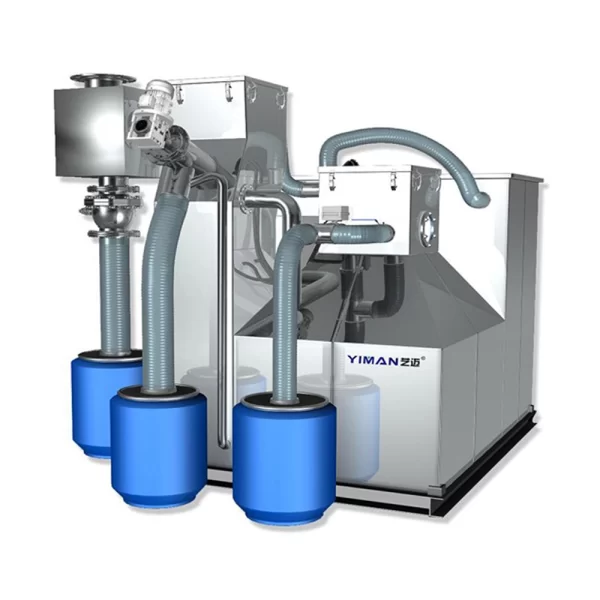
Pretreatment removes harmful constituents before wastewater enters the main sewer. In kitchens, that means separating FOG and solids at the source. Grease traps and advanced Oil Water Separator Sewage Elevator System are central technologies. An oil-water separator such as the units from Shanghai Yimai Industrial Co., Ltd. (Model: YMGY) uses physical separation to strip FOG and keep it out of the drainage network. These systems accommodate a range of treatment capacities (e.g., 10 to 50 m³/h) and can include heating elements to improve separation. With these measures in place, businesses cut pollution loads, reduce plumbing incidents, and meet regulatory expectations.
The Role of Oil-Water Separator Systems in Effective Pretreatment
Oil-water separator systems are engineered to split immiscible liquids, removing FOG from the water stream. They leverage density differences so FOG rises for skimming while denser solids settle. Advanced designs add chambers, baffles, and sometimes heating to boost efficiency.
For example, the Oil Water Separator System by Shanghai Yimai Industrial Co., Ltd. (Model: YMGY) offers treatment capacities from 10 to 50 m³/h to match small and large commercial demands. Heating elements can raise media temperature up to 60℃, keeping FOG liquid and easier to separate, while preventing solidification inside the unit. Keeping FOG out of municipal sewers protects infrastructure and eases the load on public treatment plants.
Deploying these systems supports local discharge compliance and sidesteps fines and enforcement actions. Removing FOG and solids at the source also curbs plumbing costs and keeps kitchen operations steady. The environmental benefits follow directly from the reduced pollutant load.
We recommend exploring Oil Water Separator System Efficient and Eco Friendly Compliance for Industrial Wastewater.
Choosing the Right Pretreatment System for Your Commercial Kitchen
The right system depends on wastewater volume, FOG and solids concentration, available space, and local discharge rules. A small cafe, a high-turnover restaurant, and a food processing line will not share the same needs.
Start by quantifying daily flow and estimated FOG output. That informs the capacity for a grease trap or oil-water separator. Oversizing can hurt performance, and undersizing invites clogs and violations. Consider the FOG type as well. Some oils separate reluctantly, making heating or chemical dosing valuable additions in tougher streams.
Space matters. Traditional gravity grease traps often require large, underground installations. Compact, above-ground Oil Water Separator Sewage Elevator System units are a practical option where space is tight. Always align choices with local regulations and environmental codes. Discharge limits and technology requirements vary, so selecting equipment that meets or exceeds those standards supports reliable compliance and stable operations.
TABLE: Key Pretreatment System Parameters
| Parameter | Grease Trap (Typical) | Oil-Water Separator (Advanced) |
| :—————— | :——————– | :—————————– |
| FOG Removal | Good | Excellent |
| Solids Removal | Moderate | Good |
| Capacity | Small to Medium | Medium to Large (10-50 m³/h) |
| Installation | Often underground | Above-ground options available |
| Maintenance | Frequent cleaning | Regular inspection, sludge removal |
| Special Features| None | Heating elements, multiple stages |
Ensure your kitchen operates cleanly and compliantly. Contact Shanghai Yimai Industrial Co., Ltd. today for expert consultation and advanced oil-water separation solutions tailored to your business needs. Email: overseas1@yimaipump.com | Phone/WhatsApp: +86 13482295009.
What is FOG and why is it so problematic in kitchen wastewater?
FOG stands for fats, oils, and grease. As it cools, it solidifies, sticks to pipe walls, and creates blockages that trigger slow drains, odors, and overflows. If discharged untreated, it also contributes to environmental pollution. The buildup narrows pipe diameter, restricts flow, and leads to costly backups.
Are grease traps and oil-water separators the same thing?
They share the goal of removing FOG but differ in design and capability. Grease traps are passive and suit smaller loads, relying on gravity. Oil-water separators are more advanced, often using multiple stages and sometimes heating to improve efficiency and handle higher volumes. For larger commercial operations, separators provide more consistent, effective removal.
What are the legal implications of not pretreating kitchen wastewater?
Businesses risk significant fines from local authorities, mandated upgrades, and potential temporary or permanent closure. Reputational damage often follows. These outcomes are intended to protect infrastructure and prevent ecological harm.
How often should a kitchen wastewater pretreatment system be maintained?
It depends on the equipment, wastewater volume, and FOG load. Grease traps often need cleaning weekly to monthly. Larger oil-water separator systems follow manufacturer schedules, typically involving routine inspections and periodic sludge removal. Regular upkeep maintains performance and prevents failures.