How to Choose the Right Shredder Power for Optimal Waste Processing
Selecting the correct shredder power sets the pace for waste processing that actually runs as planned. When power is specified accurately, the machine keeps material moving without wasting energy or stalling. We match the shredder’s capability to the material in front of it and the output you need, because that is what pays off in long-term cost control and system reliability. Below, we focus on how power affects performance, the factors that drive requirements across materials, motor options, a practical sizing method, and the benefits of getting it right.
Understanding the Critical Role of Shredder Power in Waste Management Efficiency
Shredder power is the mechanical energy the motor delivers to the cutting system, allowing it to overcome the resistance of materials during size reduction. Choosing appropriate power is central to efficient, economical operation. If the system is underpowered, expect jams, downtime, and more maintenance. If it is oversized, capital costs and energy use climb, even when loads are light. Our aim is to help you hit the balance point so the shredder runs reliably, uses energy wisely, maintains consistent throughput, and lasts longer.
Identifying Key Factors Influencing Shredder Power Requirements for Diverse Materials
Several variables set the power requirement. Material type, density, hardness, and moisture content all influence how much energy the machine must deliver. Output particle size and target throughput add further demand. Looking at these elements together provides the basis for specifying power accurately.
1. Material Characteristics: Assessing Type, Hardness, and Density for Effective Shredding
Different materials behave differently under load and call for distinct power profiles. Plastics, wood, metal, and municipal solid waste each bring their own set of properties that affect shredding difficulty. Harder or denser materials need more power to fracture and cut. Moisture content shifts how a material responds, which changes the energy required. For example, wet organic waste does not process the same way as dry plastics.
| Material Type | Hardness (Mohs Scale Equivalent) | Density (kg/m³) | Shredder Power Index (Relative) |
|---|---|---|---|
| Soft Plastics | 1-2 | 900-1100 | Low |
| Wood | 2-3 | 600-900 | Medium |
| Hard Plastics | 3-4 | 1100-1400 | Medium-High |
| Light Metals | 4-5 | 2700-7800 | High |
| Municipal Waste | Varies | 200-500 | Medium |
2. Throughput and Output: Matching Shredder Capacity to Operational Demands
The volume you process per hour or per day tracks directly with motor power. Higher throughput requires more power. Tighter output particle size also raises energy needs, since the material must be reduced more aggressively. Aligning the machine’s capacity with your actual operating targets prevents bottlenecks and preserves efficiency.
Evaluating Different Shredder Motor Types and Their Power Delivery Mechanisms
Industrial shredders rely on a few motor technologies. Electric motors, both AC and DC, and hydraulic drives are common, each with distinct behavior in torque delivery, efficiency, and service needs. Knowing how they differ helps you choose a fit-for-purpose setup. We also offer IE3 Three Phase Electric Motor and IE4 Three Phase Electric Motor options for enhanced energy efficiency.
| Feature | Electric Motors | Hydraulic Drives |
|---|---|---|
| Power Delivery | Direct, consistent torque | High torque at low speeds, flexible |
| Efficiency | High, especially with VFDs | Can be lower due to energy conversion losses |
| Maintenance | Generally lower, fewer moving parts | Higher, involves pumps, valves, and fluid |
| Control | Precise speed and torque control with VFDs | Excellent for variable load applications |
| Initial Cost | Potentially lower for standard setups | Can be higher due to complex components |
| Environmental Impact | Quieter operation, no hydraulic fluid leaks | Potential for fluid leaks, louder |
For enhanced safety in specific environments, we also provide YBX3 Explosion Proof Three Phase Electric Motor and YBX4 Explosion Proof Three Phase Electric Motor options. These motors are designed to operate reliably in hazardous conditions.
Calculating and Specifying the Optimal Shredder Power for Your Application
Power specification ties together material properties, target output, and machine efficiency. Peak loads and a sensible safety margin need to be included. A stepwise approach helps ensure the selected shredder covers current demand and offers room for growth, avoiding both under- and over-sizing.
1. Step-by-Step Power Calculation: From Material Input to Motor Output
Start by defining the material type with hardness and density. Set your throughput rate in kilograms or tons per hour. Specify the desired output particle size. Consult the shredder manufacturer for the machine’s efficiency and specific energy use per unit of material. Calculate total power by multiplying throughput by specific energy and then add a safety margin to cover peak loads. We advise consulting our engineers for precise figures and tailored solutions. Our team can guide you through this complex process.
Maximizing Value: The Benefits of Choosing the Right Shredder Power for Long-Term Operations
A correctly powered shredder pays back over time. Operations run more efficiently, energy use drops, and maintenance costs ease. Proper sizing helps equipment last longer and supports safer operation. We focus on value when selecting power so the investment produces a solid return, while supporting sustainable waste management.
Consider Yimai Industrial’s full range of solutions for waste management, including our Organic Waste Treatment System and Intelligent Waste Food Treatment System. These systems integrate efficient shredding capabilities for optimal resource recovery.
FAQs
What happens if my shredder is underpowered for the material I’m processing?
An underpowered shredder struggles to process materials, leading to frequent jams, reduced throughput, increased wear on components, higher energy consumption per ton of material, and potential motor burnout. Overall efficiency drops and maintenance costs rise.
Is it always better to choose a shredder with more power than I think I need?
A modest buffer helps with unexpected material variation. Significantly oversizing, however, raises the initial investment, increases energy consumption even when underutilized, and can accelerate wear on certain components if the match is off. The best outcome comes from a detailed analysis that targets the right balance.
How does the type of shredder (e.g., single-shaft vs. double-shaft) affect power requirements?
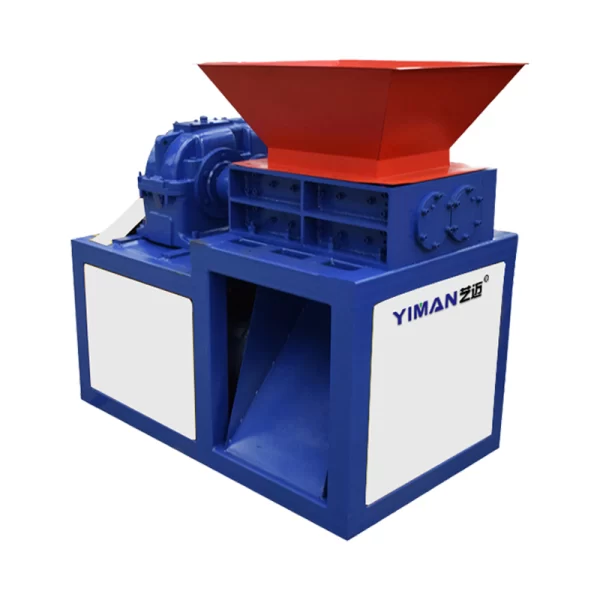
Shredder type aligns with application and material characteristics, which shapes power needs. Double-shaft shredders, like those manufactured by Yimai Industrial, deliver high torque for robust primary reduction across diverse materials and often call for substantial power. Single-shaft machines may be set up for more uniform materials or secondary reduction and can have different power profiles. Cutting geometry and rotor speed are key design factors.
Can shredder power requirements change over time, and how should I plan for that?
Yes. Power demand shifts if material input changes, such as new waste streams or higher density, or if throughput targets increase. Plan for growth and variation from the start by selecting systems with scalability or modularity. Working with experienced manufacturers like Yimai Industrial helps build in flexibility.
What role does motor efficiency play in overall shredder power selection?
Motor efficiency drives operating costs. A high-efficiency motor converts more electrical energy into mechanical power, cutting waste and lowering electricity bills over the shredder’s life. Consider the efficiency rating, such as IE3 or IE4, when specifying power because it directly affects long-term economics.
Optimize Your Waste Treatment with Expert Guidance
Ready to optimize your waste treatment process? Contact Shanghai Yimai Industrial Co., Ltd. for expert consultation on selecting the perfect Double Shaft Shredder Machine power to meet your specific industrial needs. Our team provides tailored solutions to keep your operation running efficiently.
Email: overseas1@yimaipump.com
Phone/WhatsApp: +86 13482295009