
Unveiling How Shredder Overload Protection Works: A Deep Dive for Industrial Efficiency
Industrial shredders carry a lot of weight in waste management and material processing. When they run within limits, uptime follows and safety risks drop. Overload protection is the quiet workhorse behind that reliability, from sensing strain to stopping damage before it spreads. Here, we walk through how detection works, what protection systems actually do on the floor, the gains they deliver, and how to match the right setup to your operation.
Understanding the Critical Need for Shredder Overload Protection in Industrial Operations
Shredder overload protection shields equipment from damage caused by excessive material loads or operational stresses. Without it, machines face the risk of severe mechanical failure, long stoppages, and high repair costs. Solid overload systems keep production moving, safeguard high-value components, and improve site safety. They are not an optional accessory. They serve as the first layer of defense against unexpected conditions, protecting productivity and extending service life.
Delving into the Core Principles of Shredder Overload Detection Mechanisms
Overload protection relies on sensing technologies that flag operation beyond safe limits. These mechanisms continuously watch key parameters, acting as a constant monitor for the machine. Detecting an impending or actual overload depends on precise measurement and analysis of physical forces and electrical signals. The system acts early, so it can intervene quickly and prevent damage.
1. Torque-Based Overload Sensing: Measuring the Rotational Force
Torque sensors measure the rotational force on the shredder shafts. When processed material creates resistance beyond a preset threshold, the control system marks an overload condition. Catching excessive mechanical stress at this stage helps protect the gearbox and other drive components. Thresholds are calibrated to the shredder’s design capacity and the typical materials it handles.
2. Current Monitoring Systems: Detecting Motor Strain
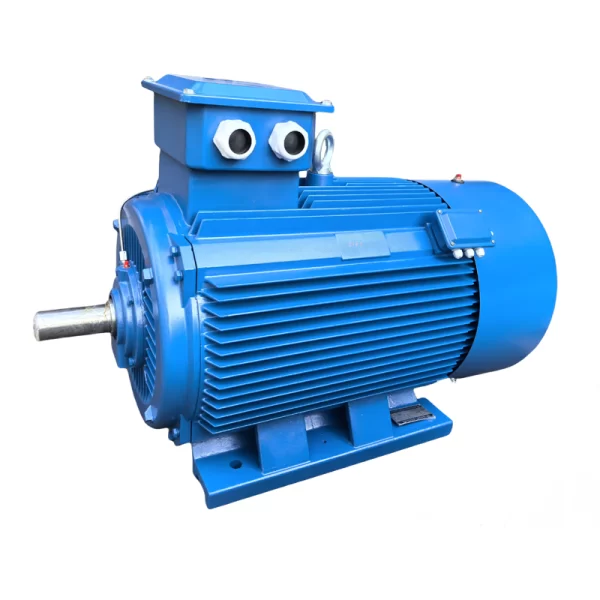
Current monitoring systems track the electrical current drawn by the shredder’s motor. A rising current draw correlates with higher mechanical load, pointing to strain or a developing jam. Current transformers and advanced motor control units measure these signals continuously. If current crosses the safe operating limit, the system initiates a protective response. This method reliably identifies overload conditions and protects the motor from overheating and burnout.
Exploring the Diverse Types of Shredder Overload Protection Systems in Action
Once an overload is detected, multiple protection methods step in to limit damage and keep work moving. These range from automated controls to mechanical devices, each aimed at specific overload scenarios. We use both active and passive strategies to deliver broad protection. Selection depends on the application and the materials being processed.
1. Automatic Reversal Mechanisms: Clearing Jams Proactively
Automatic reversal is a common and effective active protection method. When an overload is detected, the cutting shafts reverse for a short interval. This motion helps dislodge or reposition jammed material so the machine can return to normal without manual intervention. The result is less downtime and less sustained stress on components.
2. Emergency Shutdown Protocols: Safeguarding Equipment and Personnel
If an overload is severe, or reversal does not clear the jam, emergency shutdown protocols engage. Power to the motor is cut immediately, bringing the shredder to a stop. This prevents catastrophic damage and protects nearby personnel. Visual and audible alarms alert operators to the event.
3. Slip Clutches and Shear Pins: Mechanical Safeguards
Slip clutches and shear pins provide passive protection. A slip clutch allows the drive shaft to slip when torque exceeds a set level, limiting force transmitted to internal components. Shear pins are engineered to break under extreme loads, disconnecting the drive from the cutting system. These sacrificial parts take the hit during an overload to protect higher-value machinery.
The Profound Benefits of Robust Overload Protection for Shredder Longevity and Efficiency
Implementing robust overload protection does more than stop immediate damage. It supports longer machine life and steadier efficiency. By reducing stress and avoiding major failures, it pays back directly in operating results.
A well-designed protection system extends service life. Motors, gearboxes, and cutting elements are shielded from excessive wear. Fewer and lighter breakdowns mean fewer spare parts and shorter repairs. Running within safe limits also supports consistent performance and better output quality.
Maintenance costs drop as major failures are avoided. Planned service becomes more predictable, which improves resource planning and reduces unexpected spend. When minor jams clear automatically, less manual intervention is needed and staff can focus elsewhere.
Operator safety rises. Overload protection reduces the risk of dangerous ejections or sudden machine failures. Emergency shutdown features allow quick, safe de-energization during hazardous situations. This supports a safer workplace with fewer incidents. We build solutions that keep both efficiency and safety front and center.
Overall efficiency improves. Less downtime raises throughput and stabilizes production rates. Handling varied inputs with minimal manual oversight streamlines operations. That delivers higher productivity and a more reliable processing workflow.
Selecting the Right Overload Protection for Your Industrial Shredder Needs
Choosing overload protection starts with the application, the materials, and the environment. The best fit depends on what you process and how the line runs. Working with experienced manufacturers like Shanghai Yimai Industrial Co., Ltd. ensures a tailored system that performs as intended.
Match the system to the material. Hard, dense, or irregular feed often calls for stronger torque-based protection or shear pins. For high-volume, mixed waste streams, quick and effective automatic reversal is a strong choice. Capacity and throughput matter as well. Larger machines handling heavier loads benefit from sophisticated, multi-layered protection.
The operating environment also guides selection. In hazardous areas, use explosion-proof components and intrinsically safe sensors. Decide on your automation level, whether fully automated controls or added manual oversight. Assess your needs and priorities before committing.
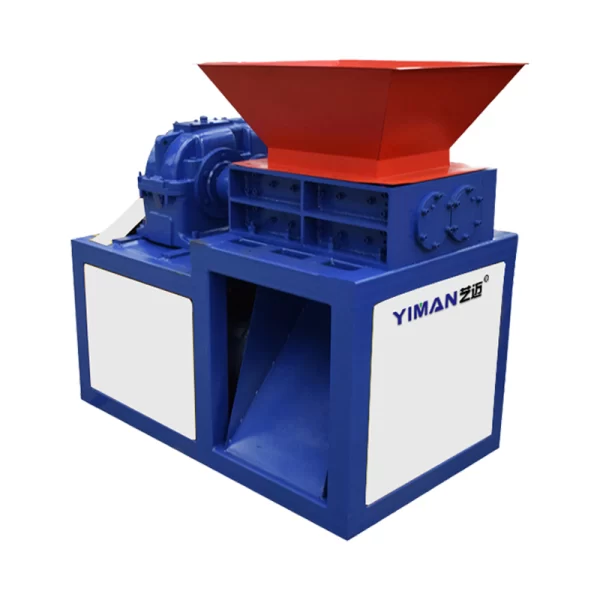
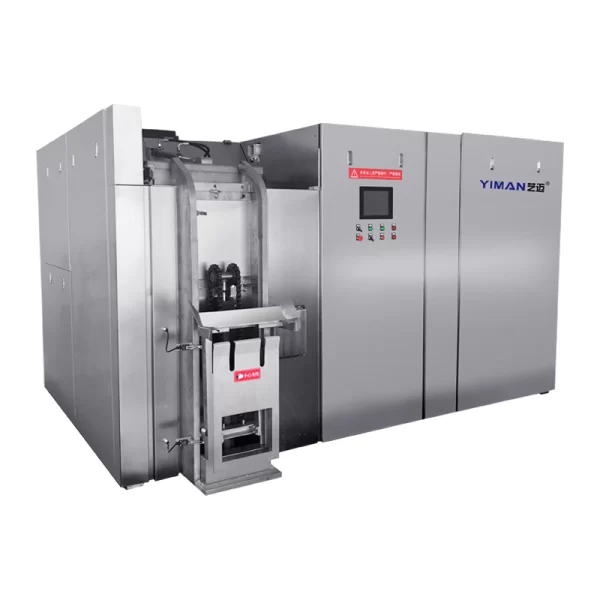
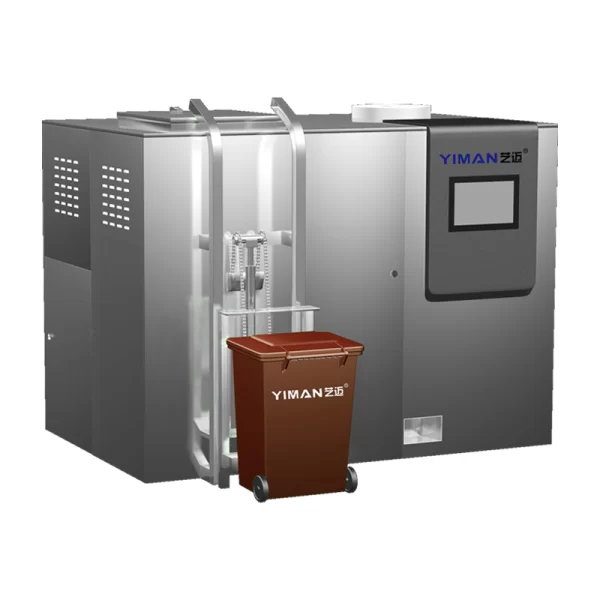
We recommend consulting with our experts at Shanghai Yimai Industrial Co., Ltd. Our team can evaluate your specific shredding application and recommend the most suitable overload protection system. We offer a range of solutions, including those for our Double Shaft Shredder Machine and Organic Waste Treatment System products, ensuring optimal performance and safety.
Selecting the right overload protection is a critical investment in your shredder’s performance and longevity. For more insights into optimizing your waste management processes, we invite you to read our article: 《Waste Food Treatment System Redefining Resource Recycling Through Innovation》.
Contact Us for Advanced Industrial Solutions
Keep your shredders running longer and cleaner with the right overload protection. Contact Shanghai Yimai Industrial Co., Ltd. to discuss your application and explore high-performance shredder machines and integrated waste treatment solutions. Our team will provide tailored advice and support.
Email: overseas1@yimaipump.com
Phone/WhatsApp: +86 13482295009
What are the most common causes of shredder overload?
Shredder overload often arises from feeding oversized or un-shreddable materials, pushing feed rates beyond the machine’s capacity, or internal mechanical issues such as worn blades or failing bearings. Proper sorting and controlled feed help prevent these issues.
How does overload protection extend the lifespan of a shredder?
By limiting excessive stress on the motor, gearbox, and cutting components, overload protection reduces wear and prevents major failures. Fewer breakdowns, fewer costly repairs, and operation within design limits add up to a longer service life.
Are all industrial shredders equipped with overload protection?
Most modern industrial shredders include some form of overload protection, though capability and effectiveness vary widely. High-quality manufacturers like Shanghai Yimai Industrial Co., Ltd. use advanced, multi-layered protection for stronger performance and safety.
Can overload protection systems be retrofitted to older shredders?
In some cases, features such as current monitoring or torque limiters can be added to older models. Feasibility and value depend on the shredder’s design and existing controls. A specialist like Yimai can assess and advise.
What role does operator training play in preventing shredder overloads?
Operator training matters. Skilled operators understand material limits, feed techniques, and early warning signs of overload. Paired with automated protection, this forms the strongest defense against damage and disruption.