Build a Cost-Effective Waste Treatment Line: Expert Guide
Managing industrial waste rarely feels straightforward. Costs stack up, operations get stretched, and traditional setups often drain budgets without delivering the performance promised. We focus on designing and implementing economical waste treatment solutions that balance performance with financial viability, securing long-term savings while meeting environmental standards.
Understanding Waste Treatment Cost Challenges
Waste management brings real pain points, driven by financial pressure and built-in inefficiencies. Conventional methods often miss the mark, which puts cost-effectiveness at the center of any sound treatment strategy.
The High Cost of Inefficient Waste Management
Inefficient waste management erodes margins. Operating expenses, disposal fees, and regulatory fines can escalate quickly. The loss of recoverable resources due to inadequate treatment adds an indirect hit that is easy to miss. We often see facilities overlook these hidden costs, which drags down financial performance.
Identifying Key Cost Drivers in Waste Treatment
A treatment line’s total cost stems from several core factors. Upfront capital expenditure, ongoing energy consumption, labor, and maintenance set the baseline. Chemical usage and byproduct handling then shape long-term spend. Clear visibility into these drivers is the starting point for real cost control.
Designing Your Economical Treatment Solution
Smart planning and technology choices make the difference. We target process optimization to address the pain points with precision.
Assessing Waste Streams for Optimal Treatment
Thorough characterization guides both fit and affordability. Analyze volume, composition, and specific contaminants. With an accurate picture, the selected solution matches the waste profile, avoiding oversized or mismatched equipment that adds cost without value.
Selecting Cost-Efficient Treatment Technologies
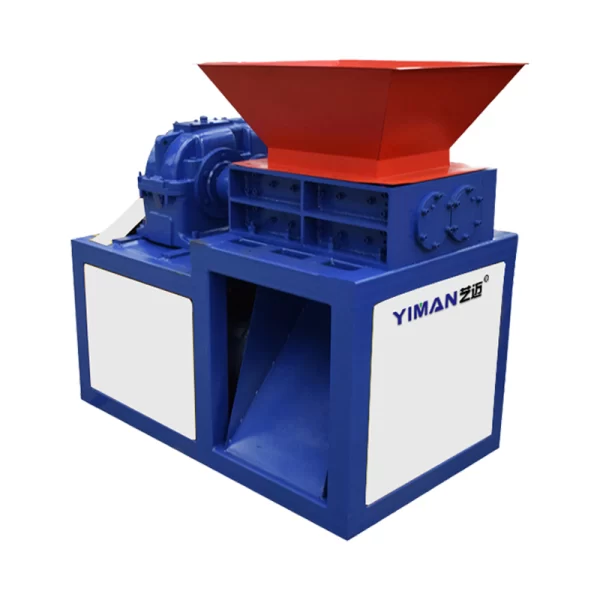
Mechanical, biological, and chemical methods each have a place. We help match solutions to the waste type, balancing performance with cost. For solid waste, products like Double Helix Continuous Presser or Double Shaft Shredder Machine deliver efficient volume reduction and material separation that support overall savings.
We recommend reviewing our insights on advanced waste treatment technologies. If you’re interested, check 《Organic Waste Treatment System Turning Waste into Resources for a Circular Economy》.
Budgeting and Financial Planning for Long-Term Savings
A practical budget weighs both the initial spend and ongoing operating costs. We work through ROI for different configurations so decisions are grounded in lifecycle economics. This approach supports sustainability and strengthens long-term savings.
Implementing and Optimizing for Maximum Value
Execution and day-to-day operation decide whether a system stays lean and reliable.
Smart Sourcing and System Integration
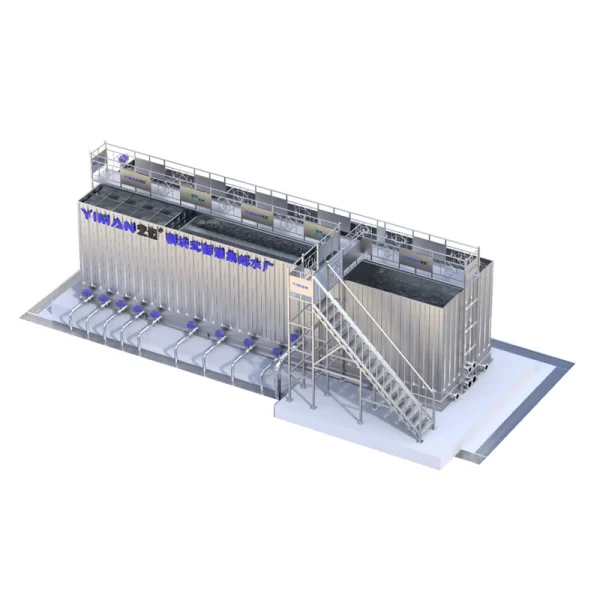
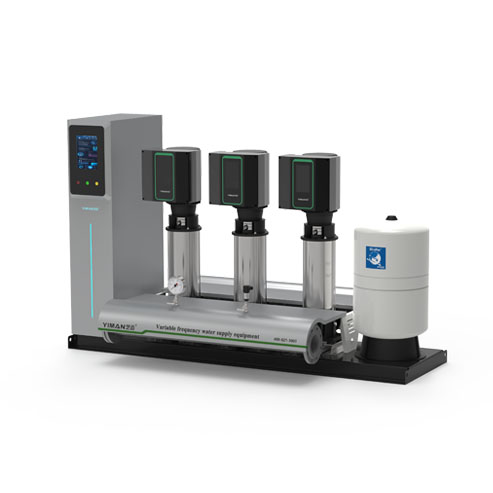
Procurement should prioritize quality, durability, and smooth integration. Doing so reduces repair risk and compatibility headaches. We provide Modular Integrated Water Plant and integrated solutions that streamline installation and operation.
Operational Strategies for Cost Reduction
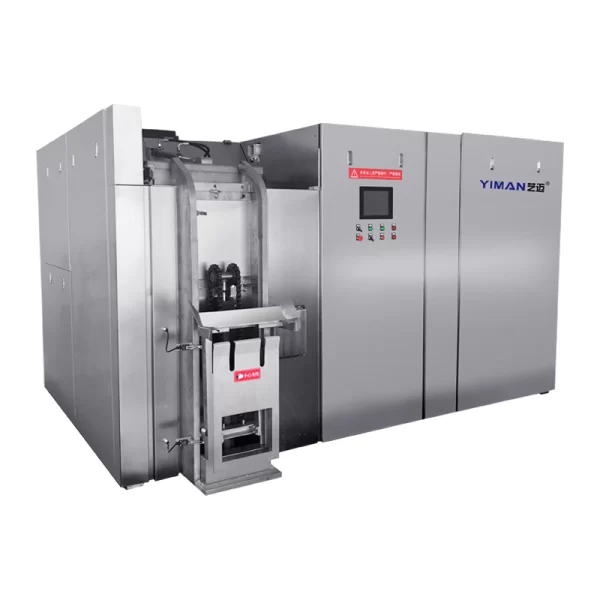
Trim operating costs with targeted actions. Optimize energy use, cut chemical consumption, and schedule preventive maintenance. Automation reduces labor intensity, improves consistency, and lowers error rates. Together these steps drive meaningful, lasting savings.
For further reading on maintaining system efficiency, consider our article on preventive maintenance best practices. If you’re interested, check 《Optimizing Three Phase Asynchronous Motor Reliability in Pump Systems A Technical Guide》.
Achieving Sustainable and Future-Proof Waste Management
A well-designed, cost-effective treatment line creates durable value through sustainability, compliance, and the flexibility to adapt.
Ensuring Regulatory Compliance and Environmental Benefits
A cost-effective system still meets environmental regulations, avoiding penalties while supporting corporate social responsibility and strengthening public perception. Compliance functions as both a legal requirement and a strategic edge.
| Regulatory Aspect | Description | Key Benefit |
|---|---|---|
| Effluent Quality | Meeting discharge limits for pollutants. | Avoids fines, protects ecosystems. |
| Waste Reduction | Minimizing waste generation and disposal. | Lowers costs, conserves resources. |
| Permitting | Obtaining and maintaining operational permits. | Ensures legal operation, prevents shutdowns. |
| Reporting | Accurate data submission to authorities. | Demonstrates compliance, builds trust. |
Continuous Improvement and Adaptability
Track performance to spot bottlenecks and refine the system. Build for adaptability so capacity, treatment steps, or controls can shift as waste profiles or regulations change. Staying open to new innovations helps future-proof the strategy.
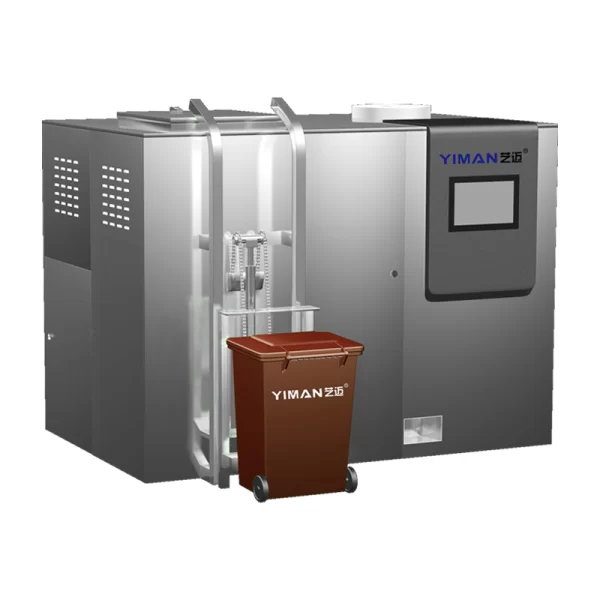
To stay ahead, explore our insights on future trends in waste management. If you’re interested, check 《Organic Waste Treatment System 90 Resource Conversion Powering the Zero Waste Revolution》.
Ready to design a waste treatment line that balances efficiency with your budget?
Contact Shanghai Yimai Industrial Co., Ltd. today for expert consultation and customized solutions tailored to your specific industrial needs. Our team can help you navigate technology selection, system integration, and cost optimization. Email us at overseas1@yimaipump.com or call/WhatsApp +86 13482295009.
FAQs
What are the biggest hidden costs in waste treatment?
Hidden costs often include unexpected maintenance, inefficient energy consumption, excessive chemical usage, regulatory non-compliance fines, and the cost of disposing of treatment byproducts. With solid planning and the right technologies, these can be significantly reduced.
How can small to medium-sized businesses afford waste treatment systems?
SMEs can prioritize modular, scalable solutions, invest in technologies with lower operating costs, and look into government incentives or subsidies. Partnering with experienced manufacturers like Shanghai Yimai supports optimized design and efficient sourcing.
What role does automation play in cost-effective waste treatment?
Automation cuts labor costs, boosts operational efficiency, and reduces human error. It also optimizes energy and chemical consumption, which leads to substantial long-term savings and more consistent treatment quality.
How often should a waste treatment line be upgraded or maintained?
Perform regular preventive maintenance to avoid expensive breakdowns. Consider upgrades when equipment nears end of life, waste composition or volume changes, regulations shift, or markedly more efficient technologies become available. Guide these decisions with lifecycle cost analysis.