Centralized Control: A Guide to Smarter Water System Optimization
Managing complex water systems well is rarely simple. In our experience, the setups that hold up bring monitoring, control, and analytics into one place. Centralized control turns scattered components into an intelligent, coordinated network that works as a whole. Here is how these systems lift operational efficiency, protect water quality, and support sustainable practices across a range of applications.
Understanding Centralized Water Control Systems
Centralized water control systems mark a real shift in how water infrastructure is run. They pull diverse operational elements into one unified framework, enabling real-time monitoring, data acquisition, and automated control instead of fragmented, manual routines.
1. What is Centralized Water Control?
Centralized water control means supervising and managing an entire water network from a single point. The system automates pumping, filtration, and distribution based on real-time data. It maintains consistent water quality and allocates resources efficiently across the network.
2. Key Components of a Centralized System
A centralized system depends on several core elements. Sensors collect flow, pressure, and quality data. Programmable Logic Controllers (PLCs) or Remote Terminal Units (RTUs) at field locations process this data. A reliable communication network carries information to a central control room. There, Supervisory Control and Data Acquisition (SCADA) systems give operators broad visualization and control. Operators can make precise adjustments and react immediately to operational changes.
The Multifaceted Benefits of Centralized Control
Centralized control brings clear gains for water management across operations, environmental stewardship, and financial performance. System behavior becomes more predictable, and resources are used with greater intent.
Automated workflows and real-time data sharpen operational efficiency. Less manual intervention lowers the risk of human error and trims operating costs. With a single operational view, teams can monitor the entire network, shorten decision cycles, and respond faster. Scheduling for pumps and treatment processes improves when everything is seen together.
Water quality management strengthens. Continuous sensing of pH, turbidity, and chlorine levels flags anomalies as they arise. The system can adjust chemical dosing automatically or trigger alarms for rapid intervention, maintaining compliance with health standards. This proactive posture protects public health and keeps water integrity intact.
Leak detection and pressure control are standout strengths. By examining flow and pressure patterns across the network, the system spots unusual behavior that points to leaks. Automated pressure regulation eases stress on pipelines, lowering burst risk and extending asset life. That reduction in strain contributes directly to lower non-revenue water (NRW).
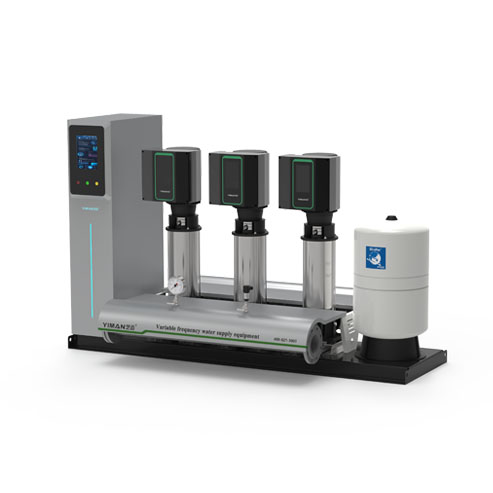
Energy performance improves as well. Centralized systems align pump operations with demand to avoid waste. Variable Frequency Drives (VFDs), embedded in the control logic, tune pump speeds to match real-time flow needs. The result is meaningful energy savings and a smaller carbon footprint.
We have found that centralized control systems are highly effective in reducing Non-Revenue Water (NRW) by providing advanced leak detection capabilities through pressure management and flow monitoring. Real-time data allows operators to quickly identify and locate leaks, minimizing water loss and improving the overall efficiency of the distribution network.
| Benefit Category | Specific Advantage | Impact on Operations |
|---|---|---|
| Operational | Real-time Monitoring | Faster decision-making |
| Efficiency | Automated Control | Reduced labor costs |
| Water Quality | Continuous Sensing | Enhanced public safety |
| Resource | Leak Detection | Minimized water loss |
| Management | Energy Optimization | Lower power bills |
For more insights into optimizing your water systems, consider reading our article, 《VFD Controlled Booster System Intelligent Pressure Management for Energy and Water Savings》.
Implementing Centralized Control in Diverse Water Systems
Centralized control adapts well to a wide spectrum of water applications. Whether municipal networks or industrial facilities, the system can be tailored to the task. We leverage our expertise to integrate these advanced controls effectively.
1. Municipal Water Supply and Distribution
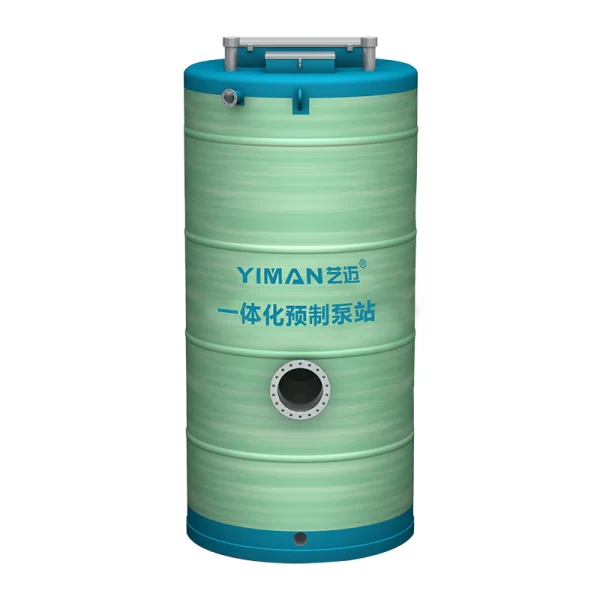
In municipal environments, centralized control optimizes the full urban water cycle. It spans raw water intake, treatment plants, and large distribution grids. The system manages reservoir levels, pump stations, and pressure zones to maintain reliable supply and quality for residents. It also enables swift action when failures or contamination events occur. Our integrated solutions, such as the Prefabricated Pump Station and Integrated Room Type Pump Station, fit well into these large-scale municipal applications. These systems deliver compact, efficient, and intelligent options for urban water management.
2. Industrial Water Management Solutions
Industrial operations demand tight control over water use and treatment. Centralized systems handle everything from cooling circuits to wastewater processing, ensuring regulatory compliance and process efficiency. Our products, including Heat Conducting Oil Pump and Stainless Steel Single Screw Pump, are built to integrate with these sophisticated industrial control systems. A heat conducting oil pump maintains steady performance in high-temperature industrial heating, while a stainless steel single screw pump moves a range of industrial fluids reliably.
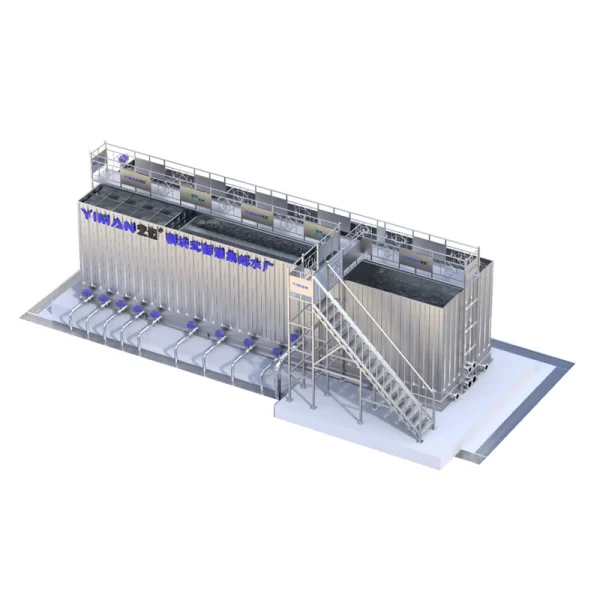
We also offer the Modular Integrated Water Plant for fast deployment and scalable treatment capacity in industrial or remote locations. These plants deliver high-quality water production with a minimal footprint. In parallel, our Intelligent Waste Food Treatment System and Organic Waste Treatment System support sustainable practices by handling and reducing waste efficiently. These solutions help facilities lower environmental impact and meet waste reduction mandates.
Our commitment extends to specialized use cases. The Sewage Water Elevating System suits sites where gravity drainage is not feasible, keeping wastewater moving efficiently. The Oil Water Separator Sewage Elevator System separates oil and water effectively, which is vital for environmental compliance across many industries.
To further understand how our solutions can benefit industrial applications, explore our article, 《Integrated Prefabricated Pump Stations The Smart Sustainable Choice for Modern Infrastructure》.
The Future of Water Management Smart and Sustainable
Water management is moving toward systems that are smarter and more sustainable. Centralized control sits at the core, ready to integrate new technologies that lift performance. The aim is infrastructure that runs efficiently, stands up to stress, and respects environmental limits.
IoT and AI are reshaping operations. IoT devices deliver granular data across the network, from individual pipes to major reservoirs. AI models analyze those signals to forecast demand swings, spot likely equipment failures, and fine-tune operating parameters autonomously. This predictive layer trims downtime and makes better use of resources.
Predictive maintenance shifts work from emergency fixes to planned interventions. Sensors watch equipment health and catch subtle changes that point to future issues. Maintenance can be scheduled before breakdowns occur, extending asset life and avoiding expensive outages. Operating expenditures come down and reliability improves.
Sustainable systems are front and center. Centralized control enables effective recycling, lower energy use, and reduced chemical consumption. It supports adaptive strategies that respond to changing conditions and water availability. Taken together, these practices strengthen long-term water security and ecological balance.
We believe that our systems, such as the VFD Controlled Booster Water Supply System and the Intelligent Digital Drived VFD Booster System, will play a pivotal role in this future. These technologies provide the precision and adaptability required for next-generation water management. They are designed to deliver optimal pressure and flow while minimizing energy consumption.
For additional insights into the future of water management, we recommend reading 《VFD Controlled Booster System Powering Smarter Water Pressure with Efficiency and Precision》.
FAQs
1. What are the primary benefits of implementing centralized control in an existing water system?
Centralized control strengthens operational efficiency through real-time monitoring and remote management. The result is cost savings from optimized energy use, lower water loss through faster leak detection, and improved resource allocation. Water quality and safety improve with immediate responses to anomalies, and predictive maintenance raises system resilience.
2. How does IoT technology integrate with centralized water control for better performance?
IoT (Internet of Things) devices such as smart sensors and meters feed the central platform with real-time data on flow, pressure, quality, and equipment status. The control system analyzes this data to drive automated adjustments and generate predictive insights, enabling proactive maintenance and optimized operations.
3. Can centralized control systems help in reducing non-revenue water (NRW)?
Absolutely. Centralized control systems are highly effective in reducing Non-Revenue Water (NRW) by providing advanced leak detection capabilities through pressure management and flow monitoring. Real-time data allows operators to quickly identify and locate leaks, minimizing water loss and improving the overall efficiency of the distribution network.
4. What level of investment is typically required for a centralized water control system?
Investment varies with system scale, desired automation, and how much must be integrated with existing infrastructure. While upfront costs can be substantial, long-term savings from lower energy use, reduced water loss, and more efficient maintenance often deliver a strong return on investment. A detailed assessment is needed for accurate cost estimation.
5. How does Shanghai Yimai Industrial Co., Ltd. contribute to centralized water control solutions?
Shanghai Yimai Industrial Co., Ltd. provides essential components and integrated solutions that are foundational to centralized water control. Our expertise in high-efficiency water pumps, booster water systems, integrated pre-casting pump stations, and modular intelligent integrated water plants directly supports the creation of robust, automated, and centrally managed water infrastructures. We offer tailored solutions to enhance efficiency and reliability across various water system applications.
Partner with Us for Advanced Water Solutions
Ready to optimize your water system with advanced centralized control? Contact Shanghai Yimai Industrial Co., Ltd. today for expert consultation on our water pumps, booster systems, integrated pump stations, and comprehensive water treatment solutions. Let us help you design a smarter, more efficient, and sustainable water infrastructure. Email us at overseas1@yimaipump.com or call/WhatsApp +86 13482295009.