IoT Sensors for Water Treatment: Optimizing Monitoring and Efficiency
Water treatment plants are under steady pressure to deliver reliable, high-quality water while keeping efficiency and sustainability in balance. We’ve seen that precise control and real-time visibility are what make that possible, and that pairing operations with IoT sensors changes the pace of decision-making. Instead of waiting on periodic checks, teams gain a continuous stream of context that sharpens dosing, reduces waste, protects compliance, and cuts costs with a smaller environmental footprint.
Critical Challenges in Water Treatment Monitoring
Traditional water treatment monitoring methods present significant hurdles for operators. Manual water quality testing often returns data too late to react to rapid shifts in key parameters. This reactive posture drives water treatment inefficiencies, from suboptimal chemical dosing to higher operational costs for water plants. Fragmented data collection further complicates analysis and slows proactive decision-making. Maintaining consistent performance against stringent regulatory compliance requirements becomes harder, raising risks of penalties and public health concerns. Without real-time insight, problems can escalate before anyone notices, undermining plant performance and resource use.
Strategic IoT Sensor Solutions for Water Systems
IoT sensors provide a robust way to overcome the limits of traditional monitoring in water treatment. With continuous, real-time data collection, operations move from reactive to proactive. We leverage industrial IoT water management solutions to track pH, Oxidation-Reduction Potential (ORP), conductivity, turbidity, dissolved oxygen, and chlorine levels. This steady data stream feeds predictive analytics platforms for water treatment, allowing teams to anticipate issues and optimize processes before water quality or efficiency takes a hit. Bringing smart water infrastructure into the mix creates a constant flow of actionable intelligence, strengthening reliability and performance. Our solutions are built to give a whole-process view, from raw water intake to effluent discharge.
Real-time Data Acquisition and Analytics
Real-time data acquisition forms the backbone of modern water treatment optimization. IoT sensors continuously monitor water quality parameters and transmit data through secure channels to cloud-based water analytics platforms. Continuous water monitoring enables immediate processing and visualization of critical metrics. We integrate sensor data into existing SCADA IoT water systems, giving operators a unified dashboard with full oversight. This setup accelerates anomaly detection and trend recognition, so corrective actions happen faster. Shifting from periodic sampling to continuous streams ensures decisions are based on current conditions, improving responsiveness and control.
Predictive Maintenance and Process Optimization
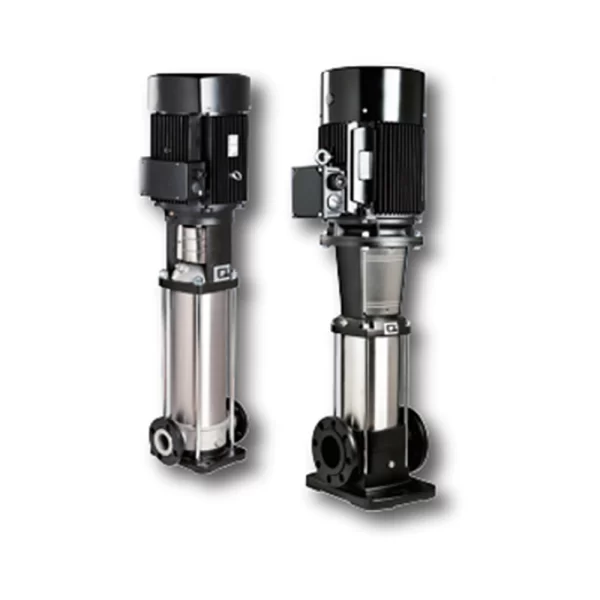
Using IoT sensor data enables sophisticated predictive maintenance for water pumps and targeted process optimization. By analyzing readings from equipment such as pumps and valves, we can forecast potential failures and schedule maintenance to reduce downtime. This extends asset life and cuts unexpected repair costs. Real-time data also sharpens chemical dosing, aligning application with actual water conditions to lower chemical use and operating expenses. We fine-tune treatment for energy efficiency in water treatment by adjusting aeration, mixing, and filtration to match demand and water quality fluctuations. This data-driven approach advances asset performance management in water, improving overall reliability and sustainability.
Tangible Value and Operational Impact
Implementing IoT sensor technology in water treatment delivers clear, measurable gains. Facilities see significant cost reduction for water plants through better resource use and less manual labor. Stronger monitoring improves water quality and consistency, which supports public health and consumer confidence. We observe a clear ROI for IoT in water treatment, often realized within a short timeframe thanks to efficiency gains and longer equipment life. Environmental impact from water monitoring also improves, supporting sustainable practices by minimizing waste and energy consumption. Taken together, these gains show how smart technologies can reshape performance in the water sector.
Enhanced Regulatory Compliance and Sustainability
IoT sensors strengthen regulatory compliance and sustainability in water treatment. Continuous, accurate monitoring supports adherence to strict environmental standards, with an auditable record of water quality parameters. This proactive stance helps avoid penalties and reputational damage tied to non-compliance. Our systems support sustainable water management by optimizing resources, reducing chemical usage, and lowering energy consumption. This commitment to environmental monitoring solutions reduces the operational footprint. By integrating these technologies, we help facilities meet sustainability goals, contributing to a reduced carbon footprint in water operations and a healthier ecosystem.
Implementing Advanced IoT Monitoring Systems
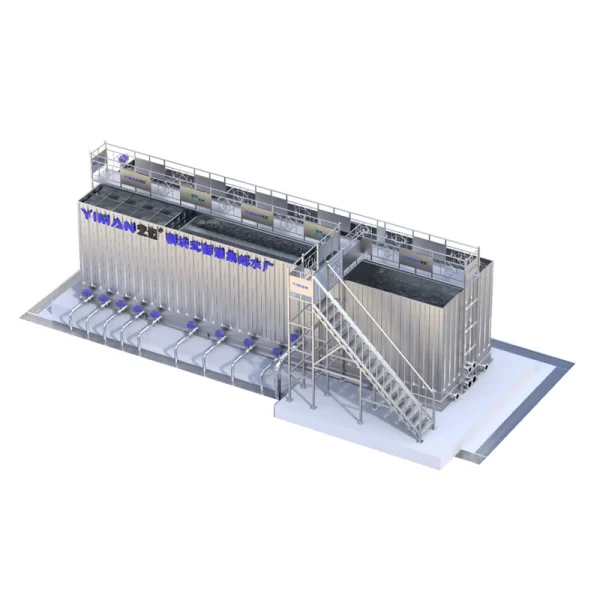
Successful integration of advanced IoT monitoring systems starts with careful planning. Begin with a thorough assessment of existing infrastructure and pinpoint critical monitoring locations. Select IoT water sensors matched to target water quality parameters and local environmental conditions. Build a robust communication network to ensure reliable data transmission from sensors to the central analytics platform. Prioritize data security for water systems with encryption and access controls to protect sensitive operations. Finally, integrate the new system with existing control infrastructure and provide comprehensive operator training to ensure smooth adoption and maximum benefit. Our team provides end-to-end support, from initial consultation through ongoing maintenance, for a reliable transition to smart water management. For those interested in enhancing their water infrastructure, exploring our article on 《Modular Integrated Water Plant The Future of Smart Water Management Revolutionizing Efficiency and Sustainability》 offers further insights into advanced solutions.
Transform Your Water Operations with Shanghai Yimai
Advance your water treatment operations with cutting-edge IoT sensor technology. Shanghai Yimai Industrial Co., Ltd. specializes in integrated water solutions, from advanced pump systems to complete sewage treatment. Our expertise ensures smooth integration of smart monitoring for unmatched efficiency and compliance. Contact us today to discuss how our solutions can transform your facility. Email: overseas1@yimaipump.com | Phone/WhatsApp: +86 13482295009
FAQs
What specific parameters can IoT sensors monitor in water treatment?
IoT sensors for water treatment monitoring can continuously track a wide range of parameters, including pH, Oxidation-Reduction Potential (ORP), conductivity, turbidity, dissolved oxygen, chlorine levels, temperature, flow rates, and water levels. This broad dataset is vital for optimizing treatment processes and maintaining water quality.
How do IoT sensors improve operational efficiency in water treatment plants?
IoT sensors improve operational efficiency by delivering real-time data, enabling automated process adjustments, optimizing chemical dosing, and supporting predictive maintenance. The result is reduced energy consumption, minimized downtime, lower labor costs, and better resource utilization, which significantly improves overall water treatment operations.
Are IoT water treatment monitoring systems secure from cyber threats?
Yes. Reputable IoT water treatment monitoring systems incorporate strong security measures, including data encryption, secure communication channels, and access controls. Implementing these systems should follow cybersecurity best practices to protect sensitive operational data and maintain system integrity.
What is the typical return on investment (ROI) for implementing IoT in water treatment?
The ROI for implementing IoT in water treatment can be substantial, often realized through significant reductions in operational costs (energy, chemicals, maintenance), improved regulatory compliance, and longer asset lifespan. While figures vary by facility, many report payback periods of 1-3 years driven by efficiency gains and proactive problem-solving enabled by smart water treatment technology.