Smart Water Plants Optimizing Operational Efficiency
Clean water demand keeps climbing while aging infrastructure strains conventional management, and the gap shows up in daily operations. We see an urgent need for advanced solutions that lift efficiency and protect sustainable water resources. Here, we look at how intelligent technologies reshape water plants, what they deliver, and how to put them in place without losing momentum.
Challenges in Traditional Water Management Systems
Traditional water infrastructure often carries built-in inefficiencies that drive up costs and waste resources. Many systems rely on aging water infrastructure prone to leaks, bursts, and corrosion, leading to significant water loss challenges that weaken supply reliability and environmental sustainability. These older systems also incur high energy consumption water treatment processes due to outdated equipment and suboptimal operational strategies. We have observed manual operational inefficiencies are common, with staff spending time on routine tasks that can be automated, which slows response and increases labor costs. Reactive maintenance water systems remain the norm in many facilities, where repairs only occur after a failure, triggering downtime and service interruptions. Taken together, these issues point to the need for a different approach to water management.
Intelligent Solutions for Enhanced Water Plant Performance
Intelligent solutions leverage advanced technologies to significantly improve water plant performance and efficiency. We integrate systems like Intelligent Digital Drived VFD Booster System and Modular Integrated Water Plant to achieve optimal outcomes. These solutions employ IoT sensors water plants for real-time data collection, feeding into AI predictive analytics water systems. This enables proactive decision-making and automated process control water, reducing human error and optimizing resource allocation. The concept of a digital twin water infrastructure allows virtual modeling and simulation to predict system behavior and flag potential issues before they surface. Real-time monitoring water systems provide continuous oversight so deviations are addressed immediately.
Data Driven Monitoring and Control
Effective data management underpins smart water plant operations. We implement SCADA systems water treatment to centralize data from varied sensors and control points. This supports comprehensive remote water management, letting operators oversee and adjust processes from a central location. Advanced sensor technology water networks detects parameters such as flow, pressure, turbidity, and chemical levels with high precision. With a constant data stream, water quality holds steady and operational parameters remain within optimal ranges.
Optimized Energy and Resource Utilization
Smart water plants focus on efficient use of energy and resources. We deploy energy efficiency water pumps, often paired with Variable Frequency Drives (VFDs), to adjust pump speeds to demand, which drastically reduces electricity consumption. Chemical dosing optimization systems rely on real-time data to control chemical additions precisely, cutting waste while maintaining effective treatment. These intelligent systems also strengthen water loss reduction strategies by quickly identifying leaks and anomalies in the distribution network, preserving valuable water resources.
A reliable booster system is critical for consistent water pressure and flow. Our VFD Controlled Booster System offers precise pressure adjustment accuracy of ≤0.01 MPa, ensuring stable water supply across varying demand. For smaller applications, the Mini Type Pressurization Booster Water System delivers compact, capable performance.
Tangible Benefits of Smart Water Infrastructure
Adopting smart water infrastructure delivers measurable gains that reach beyond operations. We consistently see reduced operational costs water through optimized energy use, minimized chemical consumption, and predictive maintenance strategies. This proactive approach cuts emergency repair expenses. Smart systems also improve water quality assurance through continuous monitoring and automated adjustments, meeting and often exceeding regulatory standards. Enhanced system reliability water follows from predictive analytics and real-time fault detection, reducing disruptions and keeping service steady. These technologies support sustainable water management practices by conserving resources and lowering environmental impact. Smart water plants also enable faster incident response water, helping operators pinpoint and address leaks or contamination quickly to limit damage and protect public safety.
For instance, our Modular Integrated Water Plant can achieve an effluent turbidity of ≤0.1 NTU, surpassing national standards, and a bacteria removal rate of 100%. This demonstrates our commitment to delivering superior water quality.
| Feature | Traditional Water Plant | Smart Water Plant |
|---|---|---|
| Operational Costs | High | Significantly Reduced |
| Water Loss | Significant | Minimized |
| Energy Consumption | High | Optimized |
| Maintenance Strategy | Reactive | Predictive |
| Water Quality Monitoring | Manual/Intermittent | Continuous/Automated |
| Incident Response Time | Slow | Rapid |
Implementing Advanced Water Plant Technologies
Implementing advanced water plant technologies works best as a strategic, phased effort that safeguards continuity while capturing benefits early. We specialize in smart water plant integration with solutions that scale and adapt to existing infrastructure. Our Modular Integrated Water Plant provides a rapid deployment option, with production capacities up to 50,000 m³/day and stable effluent quality regardless of raw water variations. The modular design supports rapid expansion and transformation of water plants and suits peak emergency water supply. For areas without gravity drainage, our Sewage Water Elevating System delivers intelligent, reliable wastewater management. Additionally, our Direct Drinking Water System ensures access to safe, high-quality potable water through multi-media filtration and UV disinfection.
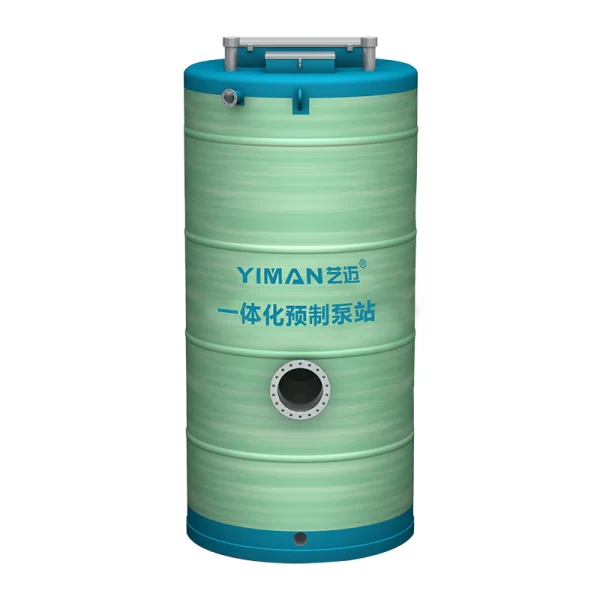
We also provide Prefabricated Pump Station solutions with intelligent, high-efficiency operation and long service life, reshaping urban drainage.
Our approach ensures customized water plant design tuned to specific client needs and environmental conditions. We leverage our expertise in booster water system benefits, incorporating solutions like the Intelligent Digital Drived VFD Booster System with its IP65 protection grade and 120% overload capacity, ensuring robust and reliable water pressure management. Shanghai Yimai water solutions span a broad range of products designed to meet the evolving demands of modern water management.
Partner with Us for Smart Water Solutions
Ready to transform your water management infrastructure? Contact Shanghai Yimai Industrial Co., Ltd. today to discuss how our innovative smart water plant technologies can enhance your operational efficiency and sustainability. Reach out to us at overseas1@yimaipump.com or call/WhatsApp us at +86 13482295009.
FAQs
What defines a smart water plant?
A smart water plant is an advanced facility that uses digital technologies like IoT sensors, AI, and automation for real-time monitoring, control, and optimization of water treatment and distribution processes. It aims to improve efficiency, reduce costs, and enhance water quality and reliability.
How do smart water plants reduce operational costs?
Smart water plants reduce operational costs through optimized energy consumption via VFDs, precise chemical dosing, and predictive maintenance. This minimizes waste, prevents costly breakdowns, and lowers labor requirements, leading to significant long-term savings.
What role does IoT play in smart water plant efficiency?
IoT sensors water plants collect real-time data on parameters like flow, pressure, and water quality. This data enables continuous monitoring, remote control, and data-driven decision-making, which are key to optimizing processes and lifting overall efficiency.
Can existing water plants be upgraded to smart systems?
Yes, existing water plants can be upgraded to smart systems through phased implementation of new technologies. This water plant modernization often involves integrating IoT sensors, AI analytics, and automated control systems into current infrastructure, allowing a gradual and cost-effective transition.