Digital Transformation for Resilient Water Supply Systems
Modernizing water utilities can’t wait. Water scarcity, aging infrastructure, and operational inefficiencies keep pressing in and call for smarter answers. We see digital transformation as a practical path to build more robust, adaptive water infrastructure. Here, we look at how digital water solutions raise resilience and efficiency where it matters most.
Smart Technologies Enhancing Water Network Efficiency
Digital transformation in water networks leans on smart technologies to sharpen operations and cut losses. Internet of Things (IoT) sensors stream real-time data on flow, pressure, and water quality. Advanced Metering Infrastructure (AMI) tightens consumption tracking and billing accuracy. Supervisory Control and Data Acquisition (SCADA) systems centralize control so operators can act immediately and stay responsive. Together, these integrated systems lift efficiency and reduce non-revenue water. In practice, live IoT data can flag leaks quickly, which minimizes water loss.
Real-time Monitoring for Enhanced Water Quality
Continuous digital monitoring of water parameters is central to public health and compliance. Sensors distributed across the network deliver instant feedback on turbidity, pH, chlorine levels, and other critical indicators. This real-time water analytics helps utilities spot anomalies quickly and launch corrective actions. Proactive quality management keeps water safe for consumption and supports overall system resilience. That capability limits broad contamination incidents and maintains public trust.
AI and Predictive Analytics for Proactive Water Management
Artificial intelligence (AI) and predictive analytics are shifting water management from reactive to proactive. AI algorithms analyze historical and real-time data to forecast water demand with accuracy. They also flag potential infrastructure failures so maintenance teams can act before breakdowns occur. This predictive maintenance approach extends asset life and lowers emergency repair costs. AI also optimizes pump operations, driving notable energy savings and steadier service reliability.
Optimizing Energy Consumption in Pumping Stations
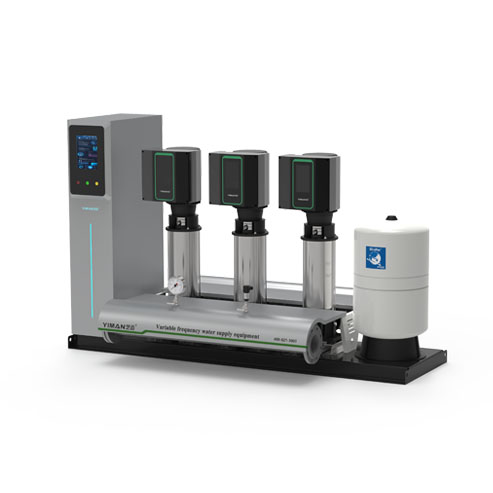
Energy consumption is a major operational expense for water utilities. AI-driven pump scheduling and variable frequency drives (VFDs) can cut these costs meaningfully. By analyzing demand patterns and electricity prices, AI optimizes pump run times and speeds. Pumps run at their most efficient operating points, which reduces energy waste. For example, our Intelligent Digital Drived VFD Booster System can optimize pump operation based on real-time demand, leading to considerable energy savings.
Integrated Digital Platforms for Unified Water Operations
A centralized digital platform pulls data from diverse sources to present a full view of the water network. This includes inputs from SCADA systems, Geographic Information Systems (GIS), and billing systems. With everything in one place, operators can make informed decisions quickly. The platform supports digital twin water systems, virtual replicas that simulate real-world conditions. Teams can run scenarios and optimize without touching physical assets.
Key Features of an Integrated Water Platform
| Feature | Description | Benefit |
|---|---|---|
| Data Aggregation | Collects data from SCADA, AMI, GIS, and other sources | Single source of truth for network data |
| Real-time Analytics | Processes and visualizes live operational data | Immediate insights for decision-making |
| Predictive Modeling | Forecasts demand, identifies potential failures | Proactive management, reduced downtime |
| Asset Management | Tracks infrastructure health, maintenance schedules | Extended asset life, optimized resource allocation |
| Workflow Automation | Automates routine tasks and alert generation | Increased operational efficiency, faster response times |
| Cybersecurity | Implements protocols to protect data and control systems | Safeguards critical infrastructure, ensures data integrity |
This integrated approach enhances operational efficiency and decision-making. You might also be interested in how these advancements are discussed in the 《National Booster Water Supply Drainage Round Table Seminar by Yimai Industrial》.
Cybersecurity and Data Integrity in Digital Water Infrastructure
As water infrastructure becomes more digital, strong cybersecurity measures sit at the center of risk management. Protecting critical water infrastructure from cyber threats underpins continuous service and public trust. This includes securing operational technology (OT) systems that control physical processes and information technology (IT) networks. Data integrity ensures the information collected and used by smart systems remains accurate and reliable. Without strong cybersecurity, the benefits of digital transformation are compromised.
Ensuring Data Privacy in Smart Water Networks
Safeguarding sensitive operational and customer data in smart water networks relies on stringent protocols and advanced technologies. Compliance with regulations like GDPR is required for protecting personal information. Encryption, access controls, and regular security audits form the backbone of a secure smart water network. These measures build trust with consumers and protect utilities from legal and reputational risks. Secure data handling is foundational to deploying digital water solutions successfully.
Frequently Asked Questions About Digital Water Transformation
How does digital transformation enhance water supply resilience?
Digital transformation enhances water supply resilience by enabling real-time monitoring of infrastructure, predictive maintenance to prevent failures, rapid leak detection, and optimized resource allocation. Technologies like IoT sensors, AI analytics, and SCADA systems give utilities the insights and control to respond effectively to disruptions, sustaining continuous and reliable water service under challenging conditions.
What are the key technologies driving smart water systems?
Key technologies driving smart water systems include the Internet of Things (IoT) for pervasive sensing, Artificial Intelligence (AI) and machine learning for data analysis and prediction, Supervisory Control and Data Acquisition (SCADA) systems for centralized control, Geographic Information Systems (GIS) for spatial data management, and advanced metering infrastructure (AMI) for precise consumption tracking. Combined, these technologies form a comprehensive, intelligent water network.
What are the economic benefits of digitalizing water utilities?
Digitalizing water utilities delivers clear economic benefits, including reduced operational costs through optimized energy consumption in pumping, minimized water loss from leaks, and predictive maintenance that lowers repair expenses. It improves revenue management via accurate billing, enhances resource efficiency, and extends the lifespan of existing infrastructure. These gains add up to long-term savings and stronger financial sustainability for water utilities.
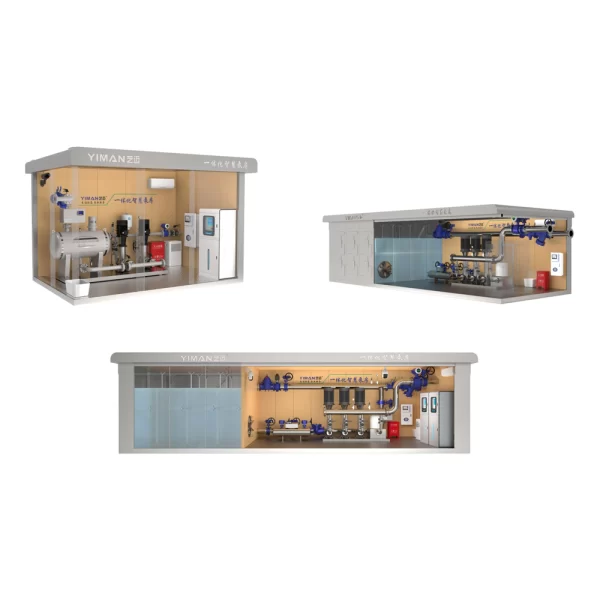
Partner with Shanghai Yimai Industrial Co., Ltd. for Your Digital Water Journey
As a professional manufacturer of water pumps, booster systems, integrated pump stations, and modular intelligent water plants, Shanghai Yimai Industrial Co., Ltd. is uniquely positioned to empower your digital transformation. We leverage our expertise in advanced water solutions to build resilient, efficient, and sustainable water supply systems. Contact us today to discuss how our innovative technologies can meet your specific challenges and drive your utility forward. Email: overseas1@yimaipump.com | Phone/WhatsApp: +86 13482295009.