Modular Water Systems for Remote Communities Strategic Deployment
Around 2.2 billion people still lack access to safely managed drinking water. Remote communities bear the heaviest burden. Traditional infrastructure rarely makes sense in these areas because logistics get complicated and costs spiral. Off grid water treatment and potable water systems have become the practical path forward for sustainable development where conventional approaches fall short.
The Reality of Water Scarcity in Isolated Regions
Water scarcity affects billions who have no reliable way to get clean drinking water. Remote communities face compounded challenges from geographical isolation, missing infrastructure, and tight budgets. Standard water supply methods simply do not work in many of these settings. Off grid water treatment systems fill this gap by delivering potable water to populations that would otherwise go without. Getting water to these communities goes beyond basic provision. It supports health outcomes, economic activity, and the ability of communities to withstand future challenges.
How Modular Water Solutions Actually Work
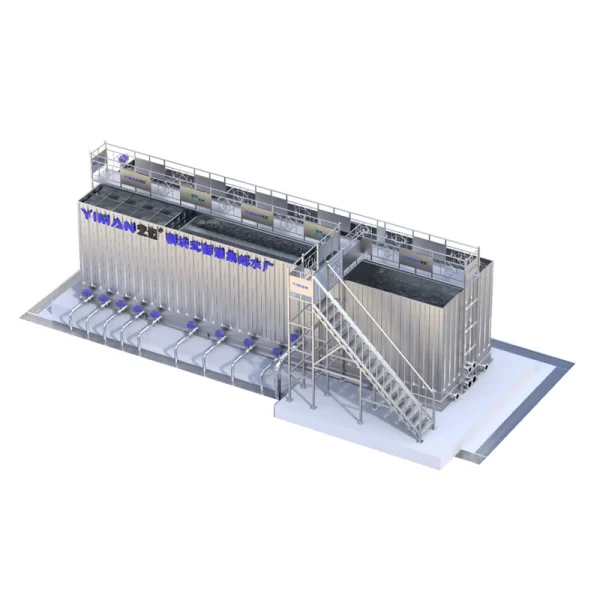
Modular water systems are built for fast deployment and steady performance in difficult conditions. These solutions pack advanced filtration, purification, and distribution technologies into compact, standardized units. The designs emphasize solid construction and straightforward maintenance so they keep running reliably. A typical Modular Integrated Water Plant can produce up to 50,000 m³/day with unattended, intelligent operation. Effluent turbidity reaches ≤0.1 NTU, which beats national standards, and bacteria removal hits 100%. That kind of performance matters when centralized infrastructure is not an option.
What Modular Water Systems Offer Remote Communities
Modular water systems bring real advantages to remote areas. Installation times drop by roughly 70% compared to traditional infrastructure. This rapid deployment capability cuts disruption and speeds up access to clean water. Operating costs tend to run lower because of efficient design and automated features. Scalability adds flexibility since units can be added or removed as demand shifts, making these cost effective water solutions and sustainable water infrastructure.
| Feature | Modular Water System | Traditional Water Plant |
|---|---|---|
| Installation Time | Weeks | Months to Years |
| Scalability | High | Low |
| Capital Cost | Lower | Higher |
| Deployment Speed | Rapid | Slow |
| Footprint | Compact | Extensive |
| Maintenance | Simplified | Complex |
Keeping Water Safe and Meeting Standards in Remote Settings
Strict water quality and compliance matter for any water supply system, and remote areas present extra challenges. Modular systems include integrated monitoring and advanced purification processes that meet international drinking water standards like WHO guidelines. This means the water stays safe for consumption even under tough conditions. Reliable remote site utilities depend on continuous oversight, including real-time data analysis and automated adjustments to treatment parameters.
The Mechanics Behind Water Quality Assurance
Modular water systems use multi-stage filtration, UV disinfection, and real-time sensor integration for ongoing quality control. These advanced purification methods remove contaminants, pathogens, and unwanted substances effectively. The Direct Drinking Water System combines multi-media filtration, ultrafiltration or RO membrane reverse osmosis, and ultraviolet disinfection. This layered approach produces water that is safe, healthy, and clean, delivering reliable potable water systems. Real time water testing capabilities catch any deviations from quality standards immediately.
| Parameter | WHO Guideline Limit | Modular System Compliance |
|---|---|---|
| Turbidity | < 5 NTU | ≤ 0.1 NTU |
| E. coli | 0 CFU/100mL | 0 CFU/100mL |
| Free Chlorine | 0.2-0.5 mg/L | Maintained |
| pH | 6.5-8.5 | Maintained |
| Total Dissolved Solids | < 1000 mg/L | Significantly Reduced |
Getting Remote Water Infrastructure Right
Deploying remote water infrastructure takes careful planning and execution. Site assessment, energy requirements, and long-term maintenance planning all need attention. Sustainable energy sources like solar power often get integrated to keep these off grid utilities running independently. Community engagement builds local ownership and helps the water solution last. Comprehensive remote water project planning addresses all these elements.
What Determines Success for Modular Deployments
Several factors shape whether Modular Integrated Water Plant deployments succeed in remote locations. Detailed raw water source analysis comes first to identify the right treatment technologies. Climate resilience has to be built into the system design so it handles extreme weather. Operator training rounds out the picture, supporting sustained functionality and building local capacity. These elements form the foundation of any solid water system feasibility study.
Where Decentralized Water Solutions Are Headed
Decentralized water solutions are growing and advancing technologically. The decentralized water market is expanding as global water stress increases and resilient infrastructure becomes more urgent. Smart, interconnected systems that use IoT and AI for optimized performance will see continued adoption. This trajectory strengthens global water security. Advances in water treatment technology will push these systems toward greater efficiency and accessibility.
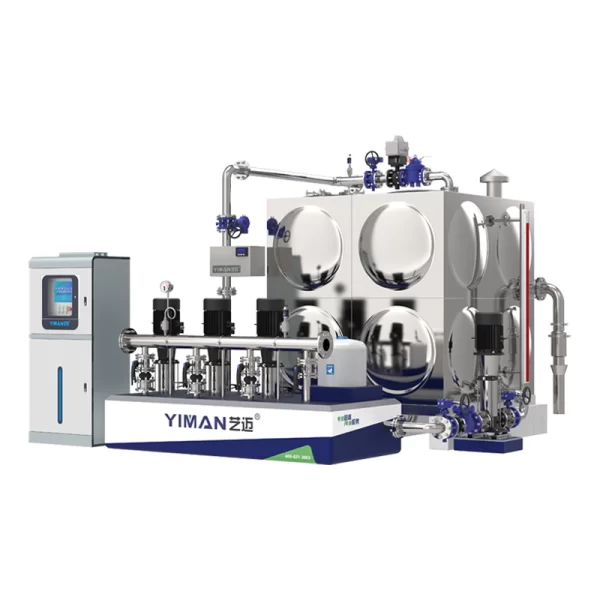
Developing solutions for complex water challenges remains a priority. Advanced technologies like those in the Intelligent Digital Drived VFD Booster System reflect a commitment to efficiency and reliability. These systems run autonomously, maintaining consistent water pressure and flow.
Partner with Shanghai Yimai for Sustainable Water Solutions
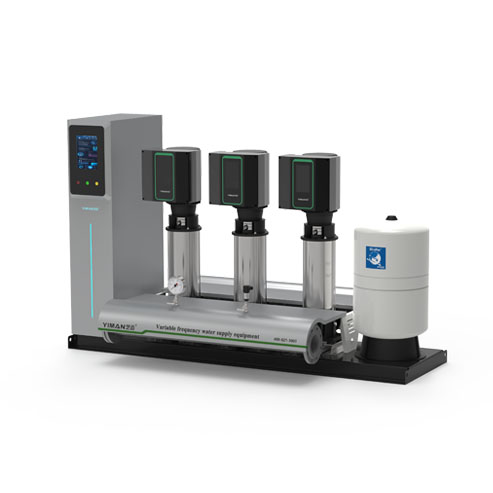
Shanghai Yimai Industrial Co., Ltd. specializes in advanced modular intelligent integrated water plants and booster water systems, engineered for the most demanding remote environments. Partner with us to implement reliable, sustainable, and high-quality water solutions for your critical projects. Contact our experts today to discuss your specific requirements. Email: overseas1@yimaipump.com | Phone/WhatsApp: +86 13482295009
Frequently Asked Questions
What is the typical lifespan of a modular water system in remote communities?
Shanghai Yimai Industrial Co., Ltd.’s modular water systems are engineered for durability, typically offering a lifespan of 15-20 years with proper maintenance. Key components are selected for their robustness in challenging environments, ensuring long-term potable water supply for remote communities.
Are modular water systems adaptable to varying raw water sources?
Yes, our modular water systems are highly adaptable. Shanghai Yimai Industrial Co., Ltd. designs solutions that can effectively treat diverse raw water sources, including surface water, groundwater, and even brackish water, to meet stringent drinking water quality standards for remote site utilities.
What maintenance is required for modular water treatment plants?
Maintenance for modular water treatment plants typically involves routine filter cleaning/replacement, membrane integrity checks, and chemical dosing calibration. Shanghai Yimai Industrial Co., Ltd. provides comprehensive training and support to local operators, ensuring the sustainable operation of these off grid water treatment solutions.