Global Trends in Integrated Water Treatment Strategic Solutions
Integrated water treatment is no longer a nice-to-have. It’s become the baseline expectation across industrial operations globally. The shift we’re seeing moves beyond treating water as an afterthought toward managing it as a continuous cycle, from the moment it enters a facility to when it leaves. Water scarcity isn’t theoretical anymore for most regions, and environmental regulations keep tightening. What strikes me most is how companies that embrace this approach early tend to find themselves ahead on both compliance and cost control, not scrambling to catch up.
What’s Actually Changing in Industrial Water Treatment
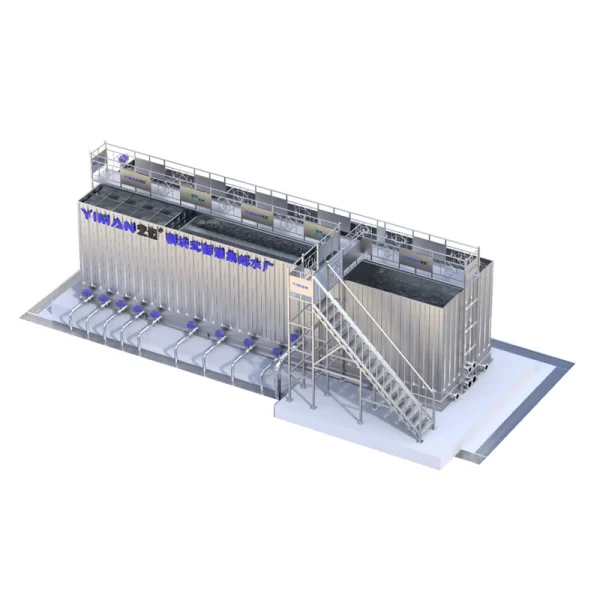
Industrial wastewater treatment has moved fast in recent years. The focus now sits squarely on doing more with less while keeping environmental impact minimal. Modular Integrated Water Plants represent one of the more practical developments here. They scale up or down depending on what a facility actually needs, which matters when production volumes fluctuate. The filtration capabilities in these systems have reached a point where effluent turbidity drops below 0.1 NTU. That’s well past what national standards require, and it opens up genuine reuse possibilities.
Technologies Worth Paying Attention To
Prefabricated Pump Stations have changed the math on water supply and wastewater collection projects. The integrated design means less on-site construction time, and the intelligent operation features reduce the hands-on management burden. Urban sewage collection and industrial wastewater applications benefit most from the quick installation and durability these stations offer. Integrated pre-casting pump stations fit this pattern, delivering solid performance alongside smart water systems capabilities. When water distribution gets optimized and losses drop, the pressure on scarce water resources eases measurably.
Digital Tools That Actually Deliver
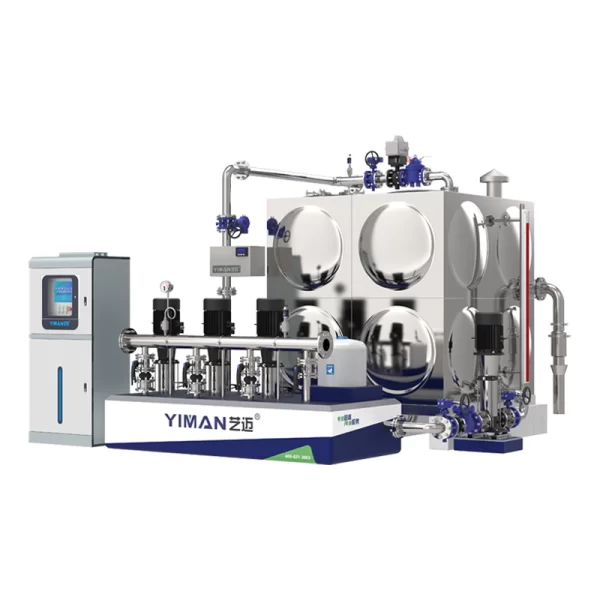
Real-time monitoring and predictive maintenance used to sound like marketing language. Now they’re operational realities in facilities running smart water systems. IoT sensors and AI-driven controls provide the kind of visibility that lets operators catch problems before they become expensive. Intelligent Digital Drived VFD Booster Systems demonstrate this well, maintaining precise pressure control while cutting energy use. Intelligent water plants built on data-driven management consistently hit water quality targets and keep operational costs predictable. The reliability gains alone justify the investment for most operations.
Regulatory Pressure and Sustainability Requirements
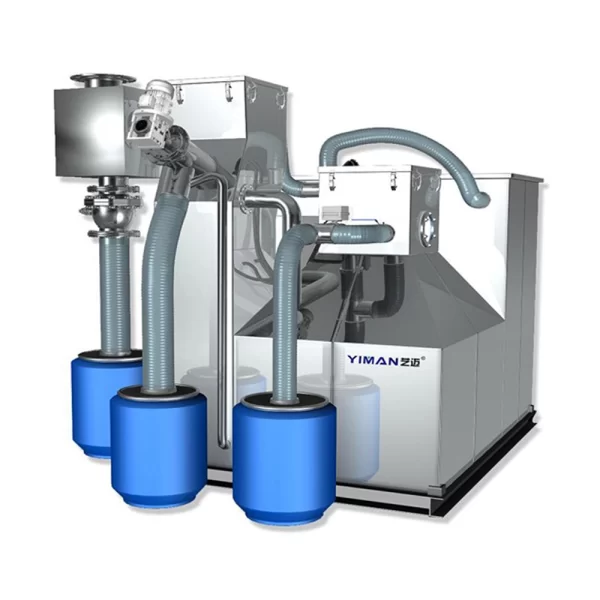
The regulatory environment around water has shifted from guidance to enforcement in most jurisdictions. Industries face real consequences for missing wastewater discharge limits, and the emphasis on industrial water recycling keeps growing. Meeting these requirements isn’t optional, and the penalties for non-compliance can be severe. Systems like Sewage Water Elevating Systems and Oil Water Separator Sewage Elevator Systems exist specifically to help facilities stay on the right side of these demands.
How Global Standards Shape Technology Choices
Stricter environmental protection laws directly influence which water treatment solutions make sense. Pollutant limits before discharge have tightened across most regions, and the trend points toward even more stringent requirements ahead. Solutions engineered to meet current regulatory compliance water requirements provide some future-proofing, though staying informed about upcoming changes remains necessary. Industrial water recycling reduces both fresh water consumption and the volume of wastewater that needs treatment, addressing multiple regulatory concerns simultaneously.
The Financial Case for Integrated Systems
Integrated water systems pay for themselves through reduced operational costs and lower water consumption. Industrial water recycling cuts expenses on two fronts: less money spent on fresh water procurement and lower wastewater discharge fees.
Measuring What Integrated Treatment Delivers
The economic value shows up in measurable ways. Operational cost reduction comes from optimizing both water usage and energy consumption. Efficient water pumps and VFD Controlled Booster Water Supply Systems contribute directly to these savings. A Modular Integrated Water Plant can substantially reduce dependence on external water sources, which translates to financial advantages that compound over time. The return on investment looks particularly strong in areas where water scarcity already affects pricing and availability.
| Feature | Traditional System | Integrated System (Yimai) |
|---|---|---|
| Initial Investment | Moderate | Moderate to High |
| Operational Costs | High | Low |
| Water Recycling Rate | Low | High |
| Regulatory Compliance | Challenging | Simplified |
| Scalability | Limited | High |
| Maintenance | Reactive | Predictive |
Where Industrial Water Management Goes From Here
The trajectory points toward systems that are more integrated, more intelligent, and more sustainable than what exists today. Innovation in smart water systems and advanced treatment technologies will continue. Water scarcity solutions will keep driving development of more efficient industrial water approaches. Closed-loop systems and real-time data analytics for resource optimization represent the direction most facilities will eventually need to follow.
What defines an integrated water treatment system and why is it a global trend?
An integrated water treatment system combines multiple technologies and processes to manage water resources comprehensively, from source to discharge. It’s a global trend due to increasing water scarcity, stringent regulatory compliance, and the need for sustainable industrial water solutions that optimize efficiency and reduce environmental impact. Shanghai Yimai Industrial Co., Ltd. specializes in these advanced systems.
How do Shanghai Yimai Industrial Co., Ltd.’s solutions address industrial water recycling challenges?
Shanghai Yimai Industrial Co., Ltd. offers robust solutions for industrial water recycling, including advanced filtration, Oil Water Separator Sewage Elevator Systems, and Sewage Water Elevating Systems. These technologies are designed to reclaim and repurpose process water, significantly reducing fresh water consumption and wastewater discharge, aligning with global trends in sustainable water management.
What role do smart water systems play in modern integrated water treatment?
Smart water systems, incorporating IoT and AI, are crucial in modern integrated water treatment. They enable real-time monitoring, predictive maintenance, and optimized operational control for components like booster water systems and Modular Integrated Water Plants. This digital transformation enhances efficiency, reduces costs, and ensures the consistent quality of treated water, a key global trend.
Partner with Shanghai Yimai for Advanced Water Solutions
Elevate your industrial water management with Shanghai Yimai Industrial Co., Ltd.’s cutting-edge integrated solutions. From advanced pump stations to modular intelligent water plants and comprehensive sewage treatment, we engineer efficiency and sustainability. Contact us today to discuss your specific challenges and discover how our expertise can optimize your operations and ensure regulatory compliance. Email: overseas1@yimaipump.com | Phone/WhatsApp: +86 13482295009