
Mastering Motor Lubrication Optimal Selection for Industrial Performance
Getting motor lubricant selection right makes the difference between equipment that runs for years and equipment that fails within months. Poor lubrication choices show up as bearing noise, elevated temperatures, and eventually unplanned shutdowns that cost far more than the lubricant itself. The operating conditions of each motor—temperature swings, load patterns, speed demands, contamination exposure—all point toward specific lubricant characteristics that either match the application or create problems down the line. What follows covers the practical considerations that actually matter when making these decisions.
How Motor Lubrication Actually Works
The lubricant film between moving surfaces does the real work in any motor. That thin layer prevents metal-to-metal contact, which would otherwise generate friction, heat, and rapid wear on bearing surfaces. When the film does its job properly, components move smoothly, energy losses drop, and parts last much longer than they would running dry or with inadequate lubrication.
Viscosity determines whether that protective film forms correctly under actual operating conditions. A lubricant that flows too easily at operating temperature leaves an insufficient film—bearings start wearing faster than they should. One that’s too thick creates its own problems: fluid friction generates excess heat, and the motor works harder than necessary just pushing lubricant around. The right viscosity maintains film integrity across the temperature range the motor actually sees, from cold starts through sustained operation under load.
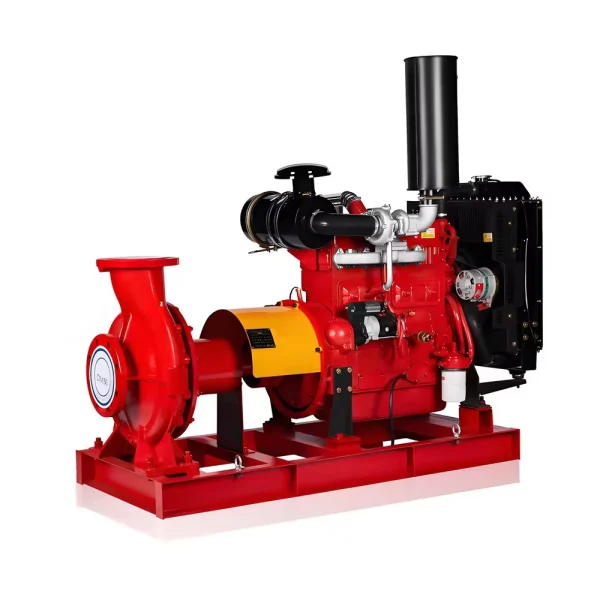
What Drives Lubricant Selection Decisions
Picking the right lubricant means evaluating several variables that interact with each other. Operating conditions, motor design, and environmental exposure all factor into what will actually work versus what will cause problems.
What factors influence motor lubricant choice?
Motor design and construction set baseline requirements—the bearing types, clearances, and materials involved narrow the field immediately. High-speed applications need lubricants that maintain shear stability and resist thermal breakdown when things get hot. Heavy or shock loading demands robust film strength and anti-wear chemistry that holds up under pressure. Environmental conditions add another layer: humidity introduces corrosion concerns, dust increases contamination risk, and extreme temperatures push lubricants toward their performance limits.
| Factor | Description | Impact on Lubricant Choice |
|---|---|---|
| Motor Operating Temperature | Internal and external temperatures during operation. | Affects lubricant viscosity, thermal stability, and oxidation rate. |
| Load Conditions | Radial, axial, and shock loads on bearings. | Determines required film strength and anti-wear additives. |
| Speed Requirements | Rotational speed of motor components. | Influences hydrodynamic film formation and shear stability. |
| Environmental Factors | Presence of moisture, dust, chemicals, or extreme temperatures. | Dictates need for corrosion inhibitors, synthetic lubricants. |
| Contamination Risks | Potential for ingress of foreign particles or process fluids. | Requires lubricants with good filterability and water separation. |
| Motor Type | Electric motors, internal combustion engines, specialized industrial motors. | Influences specific additive packages and base oil characteristics. |
Synthetic lubricants often make sense for extreme temperature ranges or demanding load conditions. Their thermal stability and consistent viscosity behavior across temperature swings provide protection that conventional lubricants struggle to match. The higher initial cost usually pays back through extended service intervals and reduced wear.
Grease versus Oil and When Each Makes Sense
This choice shapes the entire lubrication approach for a motor. Both work, but they suit different situations.
Grease combines base oil with a thickener and additives into a semi-solid form. It stays where you put it, which matters when frequent re-lubrication isn’t practical or when seals aren’t perfect. Grease also helps keep contaminants out and provides good wear protection when full fluid film lubrication isn’t happening. The tradeoffs: it doesn’t carry heat away well, and checking its condition requires more effort than sampling oil.
Oil flows, which means better cooling and easier delivery of additives to contact surfaces. High-speed applications and systems with circulation for filtration and temperature control work well with oil. Condition monitoring becomes straightforward—pull a sample, send it to a lab, get data on what’s happening inside the motor. The downsides involve leakage potential and the need for more complex delivery systems.
| Feature | Grease | Oil |
|---|---|---|
| Form | Semi-solid | Liquid |
| Retention | Excellent (stays in place) | Requires seals/circulation system |
| Heat Dissipation | Limited | Superior |
| Contaminant Sealing | Good | Requires external sealing |
| Application | Intermittent operation, difficult access | High speed, continuous operation, cooling needs |
| Monitoring | Challenging | Easier (lubricant analysis) |
How does lubricant type affect motor lifespan?
The connection runs straight through wear protection and thermal management. Lubricants with adequate film strength keep metal surfaces separated, preventing the abrasive wear that shortens component life. Thermal stability means the lubricant keeps working as temperatures rise rather than breaking down and losing its protective properties. When friction stays low and temperatures stay controlled, bearings and other components last longer. Motors that receive appropriate lubrication routinely outlast those that don’t by significant margins.
Making Lubrication Management Work
Selection matters, but so does everything that happens afterward. Application accuracy, monitoring, and maintenance scheduling determine whether good lubricant choices translate into good outcomes.
Re-lubrication intervals need to match actual conditions rather than arbitrary schedules. Too much grease generates heat and damages seals. Too little leaves surfaces unprotected. Equipment type, operating conditions, and lubricant specifications all factor into the right timing. Condition monitoring through vibration analysis and thermography catches lubrication problems early, before they become failures. Lubricant analysis—checking for degradation, contamination, and wear metals—provides direct evidence of what’s happening inside the motor. This information supports maintenance decisions based on actual equipment condition rather than guesswork.
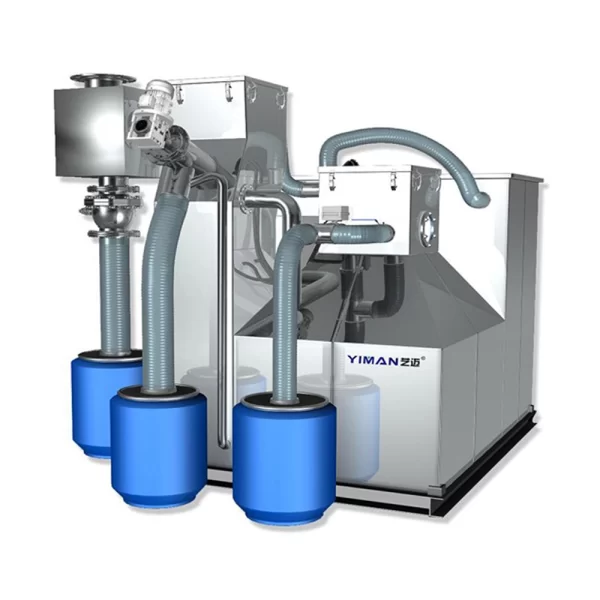
What This Means for Industrial Pump Systems
Motor lubrication quality directly affects pump system performance and reliability. Different pump types face different demands, and the motors driving them need lubrication matched to those demands.
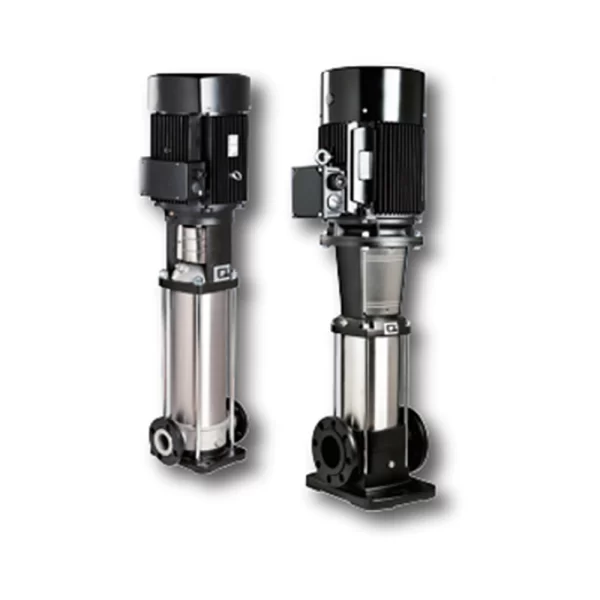
Heat Conducting Oil Pumps operating at media temperatures reaching 350°C require lubricants with exceptional thermal stability—anything less breaks down and stops protecting. Vertical Multi-Stage Centrifugal Pumps handling high-head applications put significant axial and radial loads on motor bearings, demanding lubricants that maintain film strength under pressure. VFD-controlled booster systems depend on consistent motor performance to maintain stable pressure and flow rates; lubrication problems show up as efficiency losses and reliability issues. Split Casing Double Suction Pumps and Single Stage End Suction Volute Pumps benefit from proper motor lubrication through reduced vibration, lower power losses, and extended service life for the entire pump unit.
Optimize Your Industrial Operations with Shanghai Yimai
Ensure the peak performance and longevity of your industrial motors and pump systems. Contact Shanghai Yimai Industrial Co., Ltd. for expert guidance on optimal lubrication strategies and high-quality equipment solutions tailored to your operational demands. Our specialists are ready to assist you.
Email: overseas1@yimaipump.com
Phone/WhatsApp: +86 13482295009
FAQ
What is the ideal frequency for motor re-lubrication?
The ideal frequency for motor re-lubrication depends on several factors including motor speed, operating temperature, load, and environmental conditions. Manufacturers’ guidelines provide a starting point, but condition monitoring and lubricant analysis offer the most accurate schedule for optimal motor bearing lubrication. Regular analysis helps detect early signs of lubricant degradation or contamination, allowing for timely intervention and preventing premature wear.
Can I mix different types of motor lubricants?
Mixing different types of motor lubricants is generally not recommended. Incompatible lubricants can lead to chemical reactions, additive degradation, and changes in lubricant viscosity, potentially compromising lubrication effectiveness and causing damage to motor components. Always consult product specifications and manufacturer recommendations to ensure compatibility. If a change in lubricant type is necessary, thorough flushing of the system is often required.
How does temperature affect lubricant performance in electric motors?
Temperature significantly impacts lubricant performance. High temperatures can cause oil oxidation, viscosity reduction, and premature degradation, leading to insufficient film thickness and increased wear. Conversely, very low temperatures can increase viscosity, hindering flow and lubrication delivery. Selecting a lubricant with appropriate thermal stability and viscosity index is crucial for motor performance across varying operating temperatures, ensuring consistent protection and efficiency.