
Smart Monitoring Solutions Elevate Industrial Motor Safety
Industrial motor safety sits at the center of everything we do in operations. When a motor fails without warning, the costs pile up fast—lost production, emergency repairs, and sometimes safety incidents that nobody wants to deal with. Smart monitoring changes this equation entirely. Instead of waiting for something to break, we now have systems that watch motors constantly and flag problems while they’re still small. The shift from reactive to predictive feels obvious once you’ve lived through a few unexpected shutdowns.
Real Time Diagnostics for Motor Health
Real-time diagnostics form the backbone of modern motor health monitoring. These systems track vibration, temperature, current, and voltage continuously, feeding data back to operators as conditions change. When vibration levels creep up, that often points to bearing wear. Rising temperatures might mean the cooling system is struggling or the motor is running under excessive load. Catching these signals early keeps small issues from turning into expensive failures.
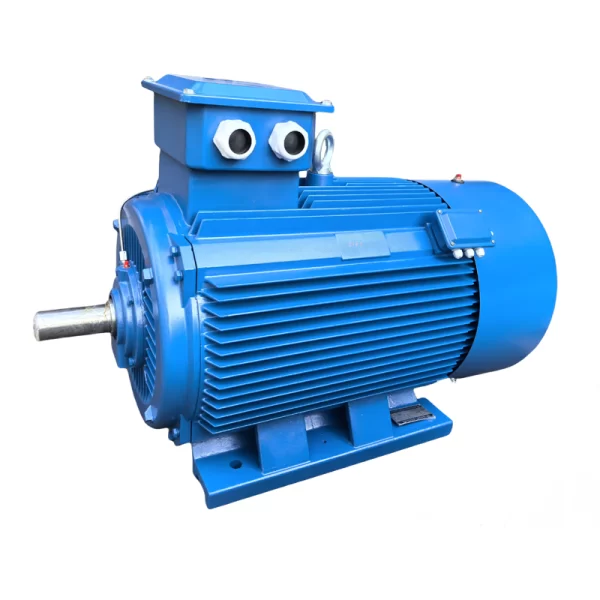
The path from sensor to action follows a straightforward logic. Sensors gather raw measurements, algorithms process the data and spot patterns, and alerts go out to maintenance teams when something looks off. This cuts response times dramatically and lets technicians focus their efforts where they matter most. Motors like the YBX4 Explosion-Proof Three-Phase Electric Motor and YBX3 Explosion-Proof Three-Phase Electric Motor gain particular value from continuous monitoring since they operate in hazardous environments where failures carry higher stakes. Having real-time visibility into motor condition makes the difference between planned maintenance and emergency scrambles.
Predictive Maintenance Strategies Preventing Failures
Predictive maintenance moves past the old model of fixing things after they break. By analyzing trends in motor health data, teams can spot trouble coming and schedule repairs before production stops. This approach cuts unscheduled downtime and stretches equipment life considerably.
The algorithms behind predictive maintenance pick up on changes that would slip past most observers. A slight uptick in power draw or a subtle shift in vibration frequency can signal problems weeks before they become serious. Addressing these early signs during planned maintenance windows costs far less than emergency repairs and keeps operations running smoothly.
| Feature | Reactive Maintenance | Predictive Maintenance |
|---|---|---|
| Cost | High, unpredictable | Lower, predictable |
| Downtime | Unscheduled, lengthy | Scheduled, minimal |
| Asset Lifespan | Reduced | Extended |
| Safety | Lower | Higher |
| Resource Planning | Difficult | Optimized |
Predictive maintenance systems supporting motors like the IE3 Three-Phase Electric Motor and IE4 Three-Phase Electric Motor show clear benefits in practice. These systems trigger maintenance based on actual condition rather than arbitrary schedules. Time-based preventive maintenance often leads to unnecessary work or misses early warning signs altogether. Condition-based monitoring avoids both problems.
How does smart monitoring prevent motor failures?
Smart monitoring prevents failures through continuous analysis and early warning systems. AI and machine learning algorithms excel at pattern recognition, catching anomalies that human observation would miss. A slight rise in bearing temperature or an unusual vibration signature can indicate mechanical stress or electrical faults developing. When systems flag these anomalies, maintenance teams can replace worn components before complete breakdown occurs. This proactive approach protects both equipment and personnel.
IoT Integration for Enhanced Operational Safety
IoT technology has reshaped how we approach industrial motor safety. Connected sensors and devices create networks that provide complete visibility into motor performance across entire facilities. This connectivity enables remote monitoring and rapid response when safety-critical events occur.
Data flows from sensors to central platforms accessible from anywhere with network connectivity. This remote capability proves especially valuable for motors in hazardous or difficult-to-reach locations. The Heat Conducting Oil Pump operates at temperatures that make close physical monitoring impractical, so remote systems keep personnel safe while maintaining oversight. Automated alerts and instant diagnostics mean safety protocols activate immediately when conditions turn abnormal.
What are the key benefits of IoT in motor safety?
IoT integration delivers several concrete safety improvements. Remote monitoring reduces how often personnel need to enter dangerous areas. Automated protocols triggered by sensor data can shut down equipment or start emergency procedures without human delay. This speed matters when conditions deteriorate quickly. IoT systems also simplify regulatory compliance by maintaining detailed data logs and audit trails that document adherence to safety standards.
Optimizing Energy Efficiency and Cost Reduction
Smart monitoring contributes directly to energy efficiency and cost control. Motors running within optimal parameters waste less electricity, and the savings add up across facilities with dozens or hundreds of units. Monitoring systems analyze power consumption patterns and highlight opportunities for adjustment.
When motors operate consistently at ideal temperatures and loads, they experience less wear. This extends equipment life and reduces both maintenance frequency and capital spending on replacements. The financial impact compounds over time.
| Metric | Before Smart Monitoring | After Smart Monitoring |
|---|---|---|
| Energy Consumption | High | Optimized |
| Maintenance Costs | Reactive, high | Predictive, lower |
| Unscheduled Downtime | Frequent | Minimal |
| Asset Lifespan | Shorter | Extended |
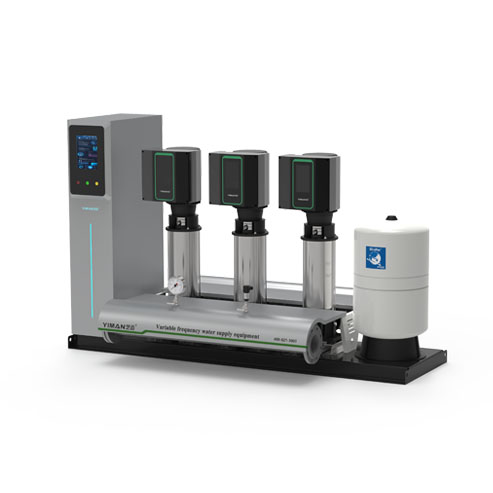
Smart monitoring for systems like the VFD Controlled Booster System provides actionable data for power optimization. Lower energy consumption also means reduced carbon footprint, which matters increasingly for operations tracking environmental impact.
Can smart monitoring reduce operational costs for industrial motors?
Smart monitoring cuts costs through several mechanisms. Predictive maintenance reduces unscheduled downtime, which ranks among the most expensive operational disruptions. Optimized energy use identified through real-time data lowers electricity bills. Extended motor life delays capital expenditure on replacements. Industry data suggests companies implementing smart monitoring often achieve 15-30% reductions in maintenance costs and 5-10% improvements in energy efficiency, though results vary based on starting conditions and implementation quality.
Case Studies in Smart Motor Monitoring Success
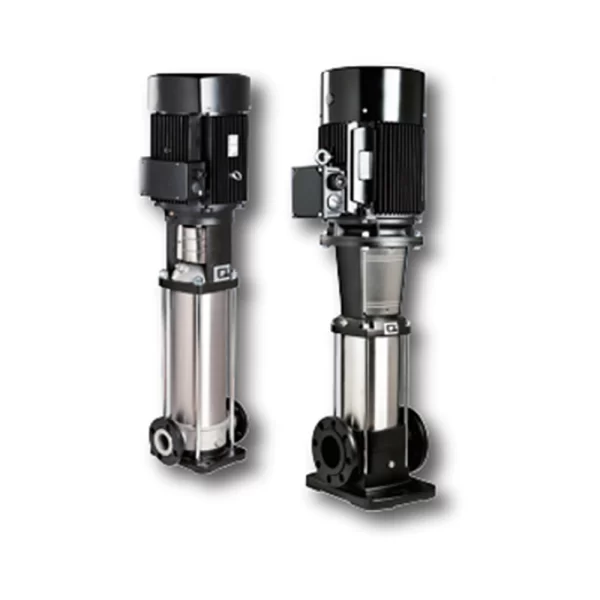
Practical results across different industries demonstrate what smart monitoring can accomplish. At a large water treatment plant, monitoring systems identified consistent overheating in several Vertical Multi-Stage Centrifugal Pump units. Early detection allowed maintenance teams to address cooling system inefficiencies during scheduled downtime rather than responding to motor burnout. The plant maintained continuous operation throughout.
A manufacturing facility running numerous IE3 Three-Phase Electric Motor units saw similar benefits. Monitoring detected subtle changes in current draw and vibration patterns on a critical production line motor, indicating an electrical fault developing. The facility replaced the motor during planned maintenance instead of facing an unexpected shutdown that would have cost thousands in lost production. These outcomes reflect what happens when monitoring data reaches the right people in time to act.
Future Trends in Industrial Motor Intelligence
Industrial motor intelligence continues advancing rapidly. Digital twins—virtual replicas of physical motors—will become more common, allowing engineers to simulate conditions and test optimization strategies without touching actual equipment. This capability opens new possibilities for predictive analysis and operational refinement.
AI and machine learning systems will grow more sophisticated at detecting anomalies and predicting failures. As these systems learn from larger datasets, their accuracy improves. The trajectory points toward autonomous maintenance systems that not only predict failures but initiate corrective actions automatically, adjusting operational parameters or ordering replacement parts without human intervention. These developments represent the next phase of industrial automation.
Partner with Shanghai Yimai for Advanced Motor Safety Solutions
Elevate your industrial operations with Shanghai Yimai Industrial Co., Ltd.’s cutting-edge smart monitoring and automation systems. As a professional manufacturer of electrical motors, water pumps, and integrated industrial solutions, we provide the expertise and technology to ensure unparalleled motor safety, efficiency, and longevity. Contact us today to discuss how our bespoke solutions can transform your operational reliability. Email: overseas1@yimaipump.com | Phone/WhatsApp: +86 13482295009.
Frequently Asked Questions About Smart Motor Monitoring
What data points are critical for effective smart motor monitoring?
Effective smart motor monitoring systems analyze vibration, temperature, current, voltage, speed, and power consumption. These measurements together provide a complete picture of motor health, enabling early detection of anomalies and potential failures. Shanghai Yimai’s solutions integrate these data streams for robust motor health monitoring.
How does smart monitoring integrate with existing industrial infrastructure?
Smart monitoring solutions work with existing infrastructure through wireless sensors and gateways that communicate with cloud platforms or on-premise SCADA systems. This approach allows real-time data acquisition without major disruption to current operations. Shanghai Yimai specializes in adaptable systems for diverse industrial environments.
What is the typical return on investment for implementing smart motor safety systems?
ROI for smart motor safety systems comes from reduced unscheduled downtime, lower maintenance costs, extended asset life, and improved energy efficiency. Many companies report payback periods of 1-3 years, though actual results depend on facility conditions and implementation approach. Shanghai Yimai’s solutions focus on delivering measurable returns through enhanced preventative maintenance capabilities.