
Heat Transfer Oil Pump: Selection Guide for Thermal Systems
Heat transfer oil pumps keep showing up wherever precise temperature control matters. I’ve watched these units run for years in facilities where a few degrees of drift would ruin an entire batch. The engineering behind them is straightforward in principle but demanding in execution. You’re moving fluid at temperatures that would destroy ordinary equipment, and you need that circulation to stay consistent shift after shift. Getting the pump selection wrong costs more than money. It costs production time, maintenance headaches, and sometimes safety incidents that nobody wants to explain. What follows covers the technical ground that actually matters when you’re specifying these pumps or troubleshooting systems that aren’t performing.
How Heat Transfer Oil Pumps Work in Industrial Systems
Heat transfer oil pumps are centrifugal pumps built specifically for circulating high-temperature thermal fluids within closed-loop systems. These industrial pumping solutions serve applications demanding consistent controlled heat. Petroleum refining, plastics manufacturing, food processing, and chemical production all rely on them. The pumps face extreme temperatures while maintaining operational integrity without leakage or fluid degradation. Our Heat Conducting Oil Pump uses heat-resistant materials and robust mechanical seals that deliver stable performance up to 350°C. That temperature capability directly supports optimal heat exchange efficiency and system safety in demanding process heating environments.
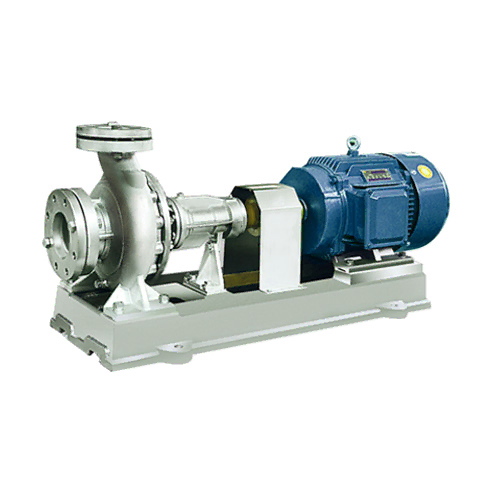
The operational sequence starts with the pump drawing cooled thermal fluid from the process. It increases pressure and sends the fluid through a heater before returning it to the process. This continuous circulation maintains uniform heat distribution. Product quality and process control depend on that uniformity. Effective management of thermal fluid systems cuts energy consumption and extends the lifespan of both the fluid and system components. How well you select and maintain these heat transfer oil pumps determines overall efficiency and safety in high temperature applications.
Technical Parameters That Drive Heat Transfer Oil Pump Selection
Selecting the right heat transfer oil pump means weighing several technical and operational parameters. These factors determine performance, safety, and longevity within demanding thermal systems. Fluid properties, system operating conditions, and pump construction materials all factor into the decision.
Temperature Limits and Material Compatibility
For high-temperature applications, certain factors carry more weight. The maximum operating temperature of the thermal fluid dictates material compatibility requirements and seal types. Fluid degradation occurs at elevated temperatures, which impacts pump performance and system efficiency over time. Corrosion resistance of pump components prevents premature wear and ensures long-term reliability. We build our pumps to handle these extreme conditions.
| Parameter | Description | Impact on Selection |
|---|---|---|
| Fluid Viscosity | Resistance to flow at operating temperature | Affects pump efficiency, motor size, and NPSH requirements |
| System Pressure | Maximum operating pressure within the system | Determines casing strength and seal design |
| Media Temperature | Maximum temperature of the thermal fluid | Influences material selection and seal type |
| Material Compatibility | Resistance of pump materials to thermal fluid | Prevents corrosion and premature component failure |
| Seal Type | Method of preventing fluid leakage | Crucial for safety and environmental protection |
Pump efficiency ties directly to these factors. Higher fluid viscosity demands more power, which increases energy consumption. Selecting pumps that meet API standards and carry ATEX certification matters for safety and regulatory compliance, particularly in potentially explosive atmospheres.
Centrifugal and Positive Displacement Pumps Compared
The choice between centrifugal and positive displacement pumps shapes how your heat transfer system performs. Each technology brings distinct advantages depending on system design and operational requirements. Understanding these differences helps optimize system performance and reliability.
| Feature | Centrifugal Pumps | Positive Displacement Pumps |
|---|---|---|
| Flow Rate | High, variable flow rates | Fixed flow rate per revolution, independent of pressure |
| Head Pressure | Variable, depends on system resistance | High, constant pressure capability |
| Fluid Viscosity | Best for low-viscosity fluids | Better for high-viscosity fluids |
| Efficiency | High at design point, drops off-design | Generally high across a range of operating points |
| Shear Sensitivity | Can shear sensitive fluids | Low shear, ideal for sensitive fluids |
| Maintenance | Simpler design, easier maintenance | More complex, requires precise clearances |
Centrifugal pumps like our Heat Conducting Oil Pump work best for high flow rate applications with relatively stable system pressures. They’re robust and deliver excellent pump efficiency when operating near their best efficiency point. Positive displacement pumps handle applications requiring precise flow control or high head pressure. They work well with viscous thermal fluids.
Efficiency and Safety Tradeoffs Between Pump Types
Different pump types create different efficiency and safety profiles. Centrifugal pumps deliver high flow rates but can cavitate if undersized. Cavitation reduces pump efficiency and damages internal components over time. Positive displacement pumps provide consistent flow and pressure, which can improve safety by preventing sudden pressure drops. They require careful attention to system relief valves though. Proper system design and component selection prevent these issues and ensure safety standards get met.
Installation and Maintenance Practices That Extend Pump Life
Proper installation, careful operation, and proactive maintenance maximize the lifespan and reliability of heat transfer oil pumps. These practices keep thermal fluid systems running efficiently and safely.
- Installation: Correct alignment between pump and motor prevents premature bearing and seal wear. Verify all piping connections are secure and leak-free. Proper piping support minimizes stress on the pump casing.
- Pre-Commissioning: Flush the system thoroughly before initial startup to remove debris. Fill with the specified thermal fluid and de-aerate to prevent cavitation. Check all safety interlocks and controls.
- Startup: Follow manufacturer guidelines for gradual startup while monitoring temperature, pressure, and flow rates. Listen for unusual noises or vibrations.
- Routine Operation: Monitor operational parameters continuously including fluid temperature, pressure, and flow. Check regularly for leaks around seals and connections. Maintain optimal fluid levels and quality to prevent fluid degradation.
- Preventive Maintenance: Schedule routine inspections, lubrication, and seal replacements. Analyze thermal fluid samples regularly for signs of degradation or contamination.
- Troubleshooting: Address deviations from normal operation promptly. Reduced flow, increased power consumption, or unusual noises may indicate impeller wear, cavitation, or seal failure.
Seal and Bearing Maintenance for Long-Term Reliability
Extending pump lifespan requires regular inspection of mechanical seals and bearings, proper lubrication, and monitoring for fluid degradation. Replacing seals proactively, especially the Heat Conducting Oil Pump mechanical seal, prevents leaks and protects other components. Consistent fluid quality checks catch issues before they cause significant damage. This approach ensures continuous operation and prevents costly downtime.
Safety Standards and Compliance Requirements
Operating thermal fluid pumping systems demands strict adherence to safety standards and regulatory compliance. This approach mitigates risks and ensures secure operation of Heat Conducting Oil Pump and other components. Compliance represents responsible industrial practice, not just legal obligation.
Key safety standards and certifications include:
- API Standards: The American Petroleum Institute provides standards for pumps used in petroleum and natural gas industries. These standards ensure reliability and safety in demanding conditions.
- ATEX Certification: Equipment operating in potentially explosive atmospheres requires ATEX certification in the European Union. This certification guarantees the pump design minimizes ignition risks.
- Risk Assessment: Comprehensive risk assessment identifies potential hazards such as fluid leaks, overheating, or component failure. This allows implementation of appropriate control measures.
- Environmental Regulations: Compliance with local and international environmental regulations matters, particularly concerning emissions and waste disposal related to thermal fluids.
We integrate safety features into our products. Robust mechanical seals designed for minimal leakage and materials selected for resistance to high temperatures and corrosive fluids are standard. This commitment ensures our pumps meet stringent safety requirements and provide reliability in critical industrial applications.
Energy Efficiency and Lifecycle Cost Analysis
Optimizing energy efficiency and reducing total cost of ownership are critical objectives in thermal system design. Heat transfer oil pump selection significantly impacts these factors over the system’s operational lifecycle.
Choosing a pump with high pump efficiency at its typical operating point minimizes energy consumption. This matters most for continuous operation, where small efficiency gains translate into substantial energy savings over time. Our Heat Conducting Oil Pump is designed for energy savings, which contributes to lower operational costs.
Lifecycle cost analysis should account for initial purchase price, installation costs, energy consumption, maintenance expenses, and potential downtime costs. Investing in a higher-efficiency pump with durable materials and reliable seals often yields lower total cost of ownership despite higher upfront cost. Integrating advanced control systems such as variable frequency drives can further optimize energy usage by adjusting pump speed to match demand. This reduces unnecessary power consumption and extends component lifespan.
Partner with Shanghai Yimai Industrial for Your Thermal System Needs
As a professional manufacturer of industrial pumping solutions, Shanghai Yimai Industrial Co., Ltd. offers a comprehensive range of high-performance heat transfer oil pumps engineered for reliability and efficiency in demanding thermal systems. Our expertise spans electrical motors, water pumps, and integrated water treatment systems, ensuring a holistic understanding of your industrial needs. Contact our specialists today at overseas1@yimaipump.com or +86 13482295009 for a tailored consultation and discover how our solutions can optimize your thermal processes.
Frequently Asked Questions About Heat Transfer Oil Pumps
What lifespan can you expect from a heat transfer oil pump running continuously?
A heat transfer oil pump in continuous operation typically lasts 5 to 15 years. The actual lifespan depends heavily on maintenance schedule, fluid quality, and operating conditions. Regular preventive maintenance including seal and bearing checks significantly extends service life. High-quality thermal fluid also reduces wear on internal components.
How does fluid viscosity change pump performance?
Fluid viscosity directly impacts pump performance and pump efficiency. Higher viscosity fluids require more power to move, which increases energy consumption and can reduce flow rates. Pump design and motor size must accommodate the thermal fluid properties at operating temperatures. Proper sizing ensures optimal system design and prevents cavitation.
What certifications do heat transfer oil pumps need for hazardous locations?
Specific safety certifications are required for heat transfer oil pumps in hazardous environments. ATEX certification is mandatory in the European Union for equipment operating in potentially explosive atmospheres. API standards apply in petroleum and chemical industries. These certifications ensure pumps meet stringent safety standards and regulatory compliance requirements.