
Vertical Multi-Stage vs Single-Stage Pumps: Pressure and Flow
Selecting the Right Industrial Pump: Vertical Multi-Stage vs. Single-Stage
Getting pump selection wrong costs more than money—it costs efficiency, uptime, and sometimes the entire system’s reliability. The choice between vertical multi-stage and single-stage pumps comes down to a straightforward question: what does your application actually demand in terms of pressure and flow? Each design excels in different operating conditions, and understanding where those boundaries lie makes the difference between a pump that runs at peak efficiency and one that struggles against its own limitations. This guide breaks down the practical distinctions between these two pump types, covering the hydraulic principles, performance characteristics, and selection criteria that determine which configuration fits your water management needs.
Single-Stage Pumps Excel at Moving Large Volumes
Single-stage pumps rely on a single impeller to generate both head and flow. This straightforward mechanical arrangement keeps manufacturing costs down and simplifies maintenance schedules. The radial flow design—where fluid exits the impeller perpendicular to the shaft—handles high volume transfers efficiently when pressure requirements stay moderate. Our single-stage end suction volute pumps reach flow rates up to 4000 m³/h and heads up to 150m, covering a wide range of industrial water transfer applications.
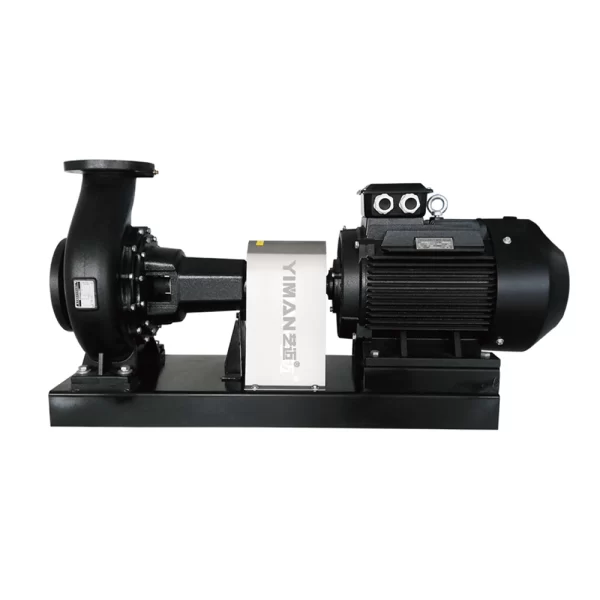
| Feature | Single-Stage End Suction Volute Pump (ES/CS Series) |
|---|---|
| Max Flow Rate | 4000 m³/h |
| Max Head | 150 m |
| Media Temperature | -25 ~ 140℃ |
| Max Pressure | 2.5 MPa |
| Pumping Media | Clean, low viscosity liquid without particles |
Single-Stage Pumps Deliver Practical Advantages for High-Flow Systems
The fewer moving parts in a single-stage pump translate directly to lower failure rates and simpler repairs. Technicians can access seals and bearings without disassembling multiple stages, cutting maintenance windows significantly. The robust construction handles the mechanical stresses of high-volume pumping without the complexity of inter-stage sealing. For applications where you need to move substantial water volumes against modest heads—cooling water circulation, general water supply, irrigation distribution—single-stage pumps deliver reliable performance at lower capital and operating costs.
Vertical Multi-Stage Pumps Generate Substantial Pressure
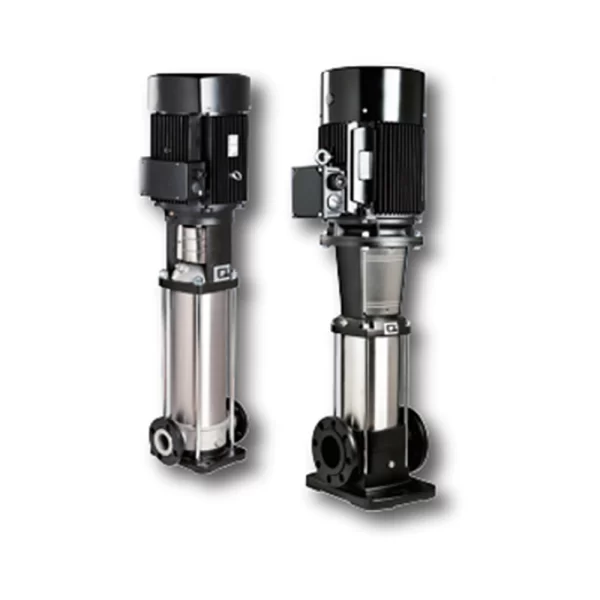
Vertical multi-stage pumps stack multiple impellers along a common shaft, with each stage adding incremental pressure to the fluid. This serial arrangement produces the high heads required for boiler feed systems, high-rise building supply, and industrial processes where pressure matters more than raw volume. The vertical orientation minimizes floor space requirements—a genuine advantage when equipment rooms are tight. Our Vertical Multi Stage Centrifugal Pump models handle flow rates up to 335 m³/h and heads reaching 350 m for clean, non-flammable liquids.
The Physics Behind Multi-Stage Pressure Building
Each impeller in a multi-stage pump accelerates the fluid, converting shaft power into kinetic energy. The diffuser section following each impeller then converts that velocity back into pressure. When fluid enters the next stage, it already carries the pressure gained from previous stages—the effect compounds through each successive impeller. A five-stage pump doesn’t just add pressure five times; it builds pressure incrementally while maintaining flow continuity. This explains why multi-stage pumps achieve heads that would require impractically large impellers in a single-stage design.
Vertical Configurations Solve Real Installation Challenges
Beyond the obvious footprint reduction, vertical pump orientation offers hydraulic advantages. Positioning the first-stage impeller below the inlet improves available NPSH, reducing cavitation risk in applications with marginal suction conditions. The vertical shaft arrangement also eliminates radial bearing loads from impeller weight, potentially extending bearing life. Piping connections align vertically, simplifying installation in pump rooms where horizontal space is limited but vertical clearance exists.
Matching Pump Characteristics to System Requirements
Pump selection starts with understanding what the system actually needs—not what seems reasonable, but what the hydraulic calculations demand. Required flow rate and discharge pressure form the foundation, but fluid properties, temperature ranges, and duty cycle all influence the final choice. Energy consumption deserves serious attention since pumping systems often represent the largest electrical loads in industrial facilities. Variable frequency drives extend the operating envelope and improve part-load efficiency, making them standard equipment for most new installations.
For further insights into optimizing your water systems, you might find our article on 《VFD Controlled Booster System Powering Smarter Water Pressure with Efficiency and Precision》 particularly informative.
Multi-Stage Pumps Run More Efficiently at High Heads
The efficiency advantage of multi-stage pumps in high-pressure applications comes from operating each stage near its best efficiency point. A single-stage pump generating 200 meters of head needs either an enormous impeller diameter or very high rotational speed—both approaches push the design away from optimal hydraulic conditions. Multi-stage pumps distribute that pressure requirement across multiple stages, each sized for efficient operation. The cumulative result is lower power consumption per unit of hydraulic work, which compounds into substantial energy savings over years of continuous operation.
Reading Pump Curves Reveals True Performance
Pump curves plot the relationship between head and flow at constant speed, showing exactly where a pump operates efficiently and where it struggles. The best efficiency point sits at a specific head-flow combination; operating far from that point wastes energy and accelerates wear. NPSH curves indicate the minimum suction conditions required to prevent cavitation—ignore these at your peril. System curves, showing how head requirements change with flow, must intersect pump curves at acceptable operating points for the installation to work properly.
| Industry | Typical Pressure Range (m) | Typical Flow Range (m³/h) |
|---|---|---|
| High-Rise Building Water | 50 – 150 | 10 – 200 |
| Boiler Feed | 100 – 300 | 5 – 100 |
| Irrigation | 20 – 80 | 50 – 500 |
| Industrial Process | 30 – 250 | 20 – 1000 |
| Fire Protection | 70 – 120 | 100 – 500 |
Total Cost of Ownership Drives Smart Purchasing Decisions
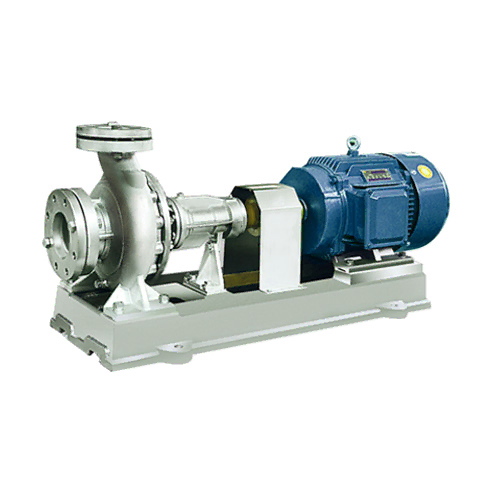
Purchase price represents a fraction of lifetime pump costs. Energy consumption dominates operating expenses for continuously running pumps, making efficiency differences worth thousands annually. Maintenance requirements—seal replacements, bearing changes, impeller inspections—add up over a pump’s 15 to 20 year service life. Accessibility matters: pumps that require complete disassembly for routine maintenance cost more to service than designs allowing component access without major teardowns. Our Heat Conducting Oil Pump uses robust mechanical seals specifically to minimize leakage and extend service intervals in demanding high-temperature applications.
Common Questions About Industrial Pump Selection
What maintenance differences exist between vertical multi-stage and single-stage pumps?
Single-stage pumps have fewer internal components, making inspections faster and repairs more straightforward. Technicians can often replace seals and bearings without removing the pump from service piping. Multi-stage pump servicing requires working through multiple impeller and diffuser assemblies, increasing labor time and demanding more careful reassembly to maintain stage alignment. Both pump types benefit from regular vibration monitoring and seal inspection, but the time and skill required for major overhauls differs significantly between designs.
Can single-stage pumps handle high-pressure industrial applications?
Single-stage pumps face practical limits when pressure requirements climb. Generating high heads from a single impeller demands either larger diameters (increasing mechanical stress and NPSH requirements) or higher speeds (accelerating wear and noise). Some specialized single-stage designs serve moderate-pressure industrial processes effectively, but applications requiring heads above 150 meters typically favor multi-stage configurations. The efficiency penalty of pushing single-stage pumps beyond their design envelope usually makes multi-stage pumps the more economical choice for sustained high-pressure operation.
How much does pump efficiency actually affect operating costs?
Pump efficiency directly determines how much electricity converts into useful hydraulic work versus waste heat. A pump running at 75% efficiency versus 85% efficiency consumes roughly 13% more power for identical output—that difference compounds across thousands of operating hours annually. For a 100 kW pump running continuously, even a 5% efficiency improvement saves approximately 44,000 kWh per year. Over a typical pump lifecycle, these energy savings often exceed the original purchase price, making efficiency a primary selection criterion rather than an afterthought.
Contact Us for Optimized Pump Solutions
For advanced pump solutions tailored to your specific industrial requirements, from high-pressure booster systems to efficient sewage lifting, Shanghai Yimai Industrial Co., Ltd. offers unparalleled expertise. Contact our engineering team today at overseas1@yimaipump.com or call +86 13482295009 for a consultation on optimizing your pressure and flow systems.