
Diesel Fire Pumps: Codes, Sizing, and Building Installation
When a building’s sprinkler system activates during a fire, everything depends on whether water actually reaches the flames. That pressure, that flow—it comes from the diesel fire pump sitting in a mechanical room somewhere, running on its own fuel supply, independent of the grid. I’ve seen projects where the pump was sized perfectly on paper but failed its first flow test because someone overlooked the suction conditions. The margin for error in these systems is essentially zero, which is why the engineering behind diesel fire pump systems deserves more attention than it typically gets.
What NFPA 20 Actually Requires for Diesel Fire Pump Systems
NFPA 20, the Standard for the Installation of Stationary Pumps for Fire Protection, sets the baseline for every diesel fire pump installation in North America and many international projects. The standard covers fire pump room requirements, controller specifications, jockey pump integration, and emergency power supply configurations. Authorities Having Jurisdiction enforce these building codes with varying degrees of rigor, but the requirements themselves leave little room for interpretation.
The most common compliance failures occur in areas that seem straightforward until you’re actually building the system. Ventilation calculations that looked adequate on paper fail to account for heat rejection from a running diesel engine. Fuel storage arrangements that met minimum capacity requirements didn’t consider the access needed for maintenance. These details matter because a diesel fire pump that can’t run continuously for the required duration is functionally useless during an extended fire event.
Our diesel pumps, including the Fire Fighting Diesel Engine (Model YM10B-231DE), are engineered to meet these requirements from the outset rather than requiring field modifications to achieve compliance.
| Section | Description | Importance |
|---|---|---|
| 4 | General Requirements | Foundational principles for all installations. |
| 5 | Diesel Engine Drive | Specifics for diesel engine fire pumps. |
| 6 | Water Supply | Requirements for reliable water sources. |
| 7 | Controllers | Design and installation of fire pump controllers. |
| 8 | Fuel Supply | Mandates for fuel tanks and piping. |
| 9 | Installation | General installation guidelines. |
What are the specific NFPA 20 requirements for diesel fire pump installation in high-rise buildings?
High-rise buildings face amplified requirements under NFPA 20. Fuel tank capacities must support extended run times, often with specific containment measures to prevent environmental contamination. Ventilation systems need to handle both combustion air intake and exhaust heat rejection without creating negative pressure conditions in the pump room. Seismic bracing becomes mandatory in applicable zones, ensuring the pump remains anchored and operational even when the building experiences lateral movement. These layered requirements reflect the reality that fire suppression failure in a high-rise creates evacuation challenges that don’t exist in low-rise structures.
Getting the Hydraulics Right Before Ordering Equipment
Fire pump sizing calculations determine whether a system will perform under actual fire conditions or fall short when it matters most. The process starts with the fire sprinkler system demand—the flow rate and pressure required at the most hydraulically remote sprinkler head. Working backward through the piping network, accounting for friction losses and elevation changes, produces the pump’s required operating point.
Pump curve analysis reveals whether a specific pump model can deliver that operating point reliably. The curve shows flow rate on one axis and head pressure on the other, with the pump’s performance following a characteristic shape. Selecting a pump that operates near the middle of its curve provides margin for variations in system demand without pushing the equipment into inefficient operating ranges.
Net positive suction head deserves particular attention because it’s the parameter most likely to cause problems that don’t show up until commissioning. If the available NPSH at the pump inlet falls below the pump’s required NPSH, cavitation occurs—the pump essentially tries to move water that has partially vaporized, causing noise, vibration, and rapid wear. Evaluating suction conditions early prevents expensive redesigns later.
Installation Decisions That Affect Long-Term Performance
The fire pump room itself shapes how the system performs over its service life. Adequate space for maintenance access seems obvious until you’re trying to replace a coupling with 18 inches of clearance on one side. Vibration isolation prevents transmitted energy from fatiguing piping connections and disturbing adjacent spaces. Ventilation must supply combustion air, remove exhaust heat, and maintain acceptable ambient temperatures for the controller electronics.
Mechanical installation quality shows up in alignment measurements. A diesel engine and pump that aren’t properly aligned will wear their coupling prematurely and may develop bearing problems within a few years. Secure anchoring prevents movement during operation and seismic events, maintaining that alignment over time.
Electrical connections to the fire pump controller follow specific code requirements that differ from standard industrial practice. The controller must receive power through a dedicated circuit with particular overcurrent protection characteristics. Fuel system design addresses storage capacity, day tank arrangements if used, supply and return piping, and exhaust routing. A pressure relief valve protects the system from overpressure conditions if a valve closes unexpectedly during pump operation.
Keeping Diesel Fire Pump Systems Ready to Perform
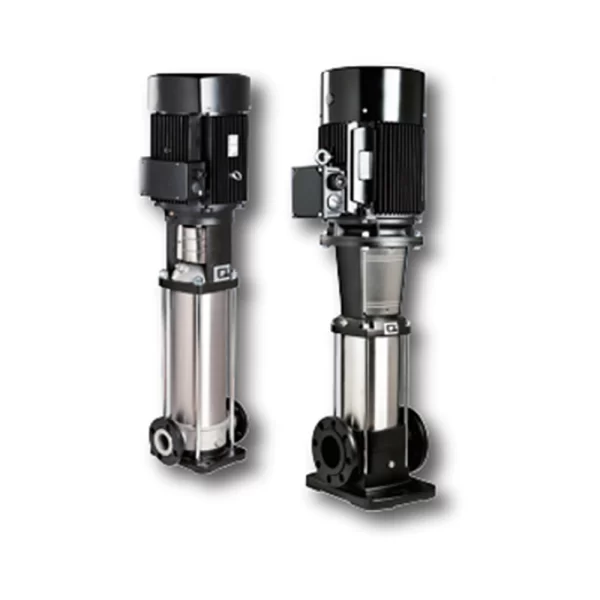
The reliability of Vertical Turbine Fire Fighting Pump systems depends on consistent maintenance and periodic performance verification. Weekly visual inspections catch developing problems—a small leak, an unusual gauge reading, corrosion starting on an exposed surface. Monthly engine runs keep the diesel in operating condition and verify that automatic starting functions work correctly.
Flow meter calibration ensures that performance tests produce accurate data. When a flow test shows the pump delivering 95% of rated capacity, that number needs to mean something. Drifted instrumentation can mask gradual performance degradation until the system fails to meet demand during an actual fire.
Annual fire pump inspection protocols include full-flow testing that verifies the pump still meets its original performance specifications. These tests stress the system in ways that weekly runs don’t, revealing problems that only appear under load. Addressing issues promptly through systematic troubleshooting extends fire pump lifespan and maintains the reliability that the building’s fire protection strategy depends on.
| Frequency | Task | Detail |
|---|---|---|
| Weekly | Visual Inspection | Check for leaks, damage, proper gauge readings. |
| Monthly | Engine Start | Run diesel engine for 30 minutes. |
| Quarterly | Battery Test | Verify battery voltage and connections. |
| Annually | Flow Test | Conduct full flow test to verify performance. |
| Annually | Fuel System | Inspect fuel tank, lines, and filters. |
| Annually | Controller | Test all functions of the fire pump controller. |
What is the typical maintenance schedule and lifespan for a diesel fire pump system?
Weekly visual inspections, monthly engine runs, and annual full-flow performance tests form the core maintenance schedule for diesel fire pump systems. Environmental conditions affect longevity—a pump in a climate-controlled room ages differently than one in an unheated space with temperature swings. Operational intensity matters too, though most fire pumps run infrequently outside of testing. With proper diesel engine maintenance and timely component replacement, a well-maintained system typically provides 20-25 years of service before major overhaul or replacement becomes necessary.
Shanghai Yimai’s Approach to Fire Pump Projects
Shanghai Yimai Industrial Co., Ltd. brings integrated capability to fire protection system projects, from initial hydraulic analysis through installation support and ongoing technical assistance. Custom fire pump solutions address the specific requirements of each project rather than forcing buildings to adapt to standard configurations.
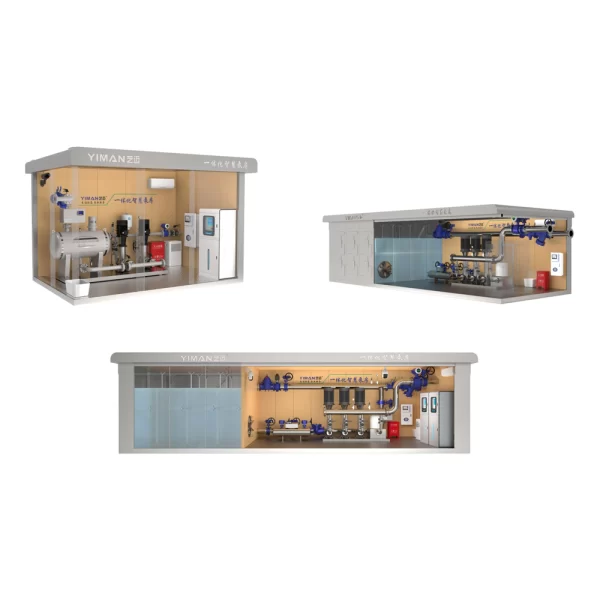
Our engineering team works through sizing calculations, pump selection, and system layout with attention to the details that determine whether a system passes its acceptance test on the first attempt. The product range includes integrated pre-casting pump stations and modular intelligent integrated water plant solutions for projects requiring packaged approaches.
Fire protection systems protect both lives and property investments. Getting the diesel fire pump system right requires expertise across mechanical, electrical, and fire protection engineering disciplines. Contact our specialists at overseas1@yimaipump.com or +86 13482295009 to discuss your project requirements and develop a solution that meets both code requirements and operational expectations.
How do I accurately size a diesel fire pump for a commercial building’s fire suppression needs?
Start with the fire sprinkler system’s hydraulic demand—the flow rate and pressure required at the most remote sprinkler. Work backward through the piping system, adding friction losses and elevation head to determine the pump’s required operating point. NFPA 20 provides the framework for these calculations. Building height, occupancy classification, and water supply characteristics all influence the final pump selection.
What are the common challenges in diesel fire pump installation and how can they be overcome?
Fire pump room design frequently creates challenges when space constraints conflict with maintenance access and ventilation requirements. Vibration control requires proper isolation and anchoring. Fuel storage must meet capacity requirements while providing safe containment. Electrical connections follow specific code provisions that differ from typical industrial practice. Addressing these challenges requires detailed planning during design and experienced oversight during construction.
Can Shanghai Yimai Industrial Co., Ltd. provide integrated solutions for complex building fire protection?
Shanghai Yimai Industrial Co., Ltd. delivers integrated fire pump solutions for complex building fire protection applications. Services span custom engineering, booster water system integration, and prefabricated pump station solutions. Our technical team coordinates across disciplines to ensure system components work together effectively while meeting all applicable safety standards and code requirements.