Constant Pressure Water Supply for High-Rise Buildings: An Engineering Guide
Water pressure in a high-rise building is one of those things people rarely think about until it fails. A weak shower on the 30th floor, a dishwasher that won’t fill properly, or pipes groaning during peak hours—these are the symptoms of a distribution system that wasn’t designed for the realities of vertical construction. Gravity works against you in tall buildings, and traditional approaches often can’t keep up. Modern constant pressure water supply systems address this directly, using variable-speed pumps and real-time monitoring to deliver stable flow regardless of floor level or demand spikes. This guide walks through how these systems work, what makes them effective in high-rise applications, and what to consider when specifying one.
Why Vertical Water Distribution Gets Complicated
Getting water to the top of a 40-story building isn’t just about having a big enough pump. Every meter of vertical rise costs pressure, and by the time water reaches upper floors, the drop can be substantial. Residents notice this as weak flow from fixtures, slow-filling appliances, and inconsistent temperature control when pressure fluctuates.
Older gravity-fed systems compound the problem. They rely on rooftop tanks that refill periodically, which means pressure varies depending on tank level and how many people are drawing water simultaneously. During morning rush hours, when everyone showers at once, the system struggles to keep up. The result is tenant complaints, maintenance calls, and fixtures that wear out faster than they should.
Building codes for tall structures set minimum pressure requirements at every floor, and meeting these standards with outdated equipment often means oversizing pumps and running them inefficiently. Pumps cycling on and off constantly waste energy and stress mechanical components, shortening their service life.
How Constant Pressure Systems Actually Work
A constant pressure water supply system takes a different approach. Instead of filling a tank and letting gravity do the work, it actively manages pressure throughout the building in real time. Sensors monitor pressure at multiple points, and the system adjusts pump output continuously to maintain a target setpoint.
The key technology enabling this is the variable frequency drive, which controls pump motor speed. When demand drops—say, at 3 AM when most residents are asleep—the pump slows down rather than cycling off completely. When demand spikes, it ramps up smoothly. This eliminates the pressure swings that cause problems in conventional systems.
What are the key components of a constant pressure water supply system?
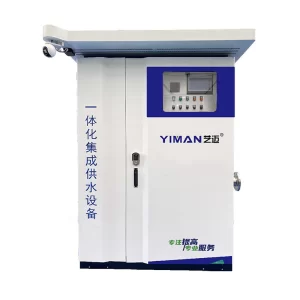
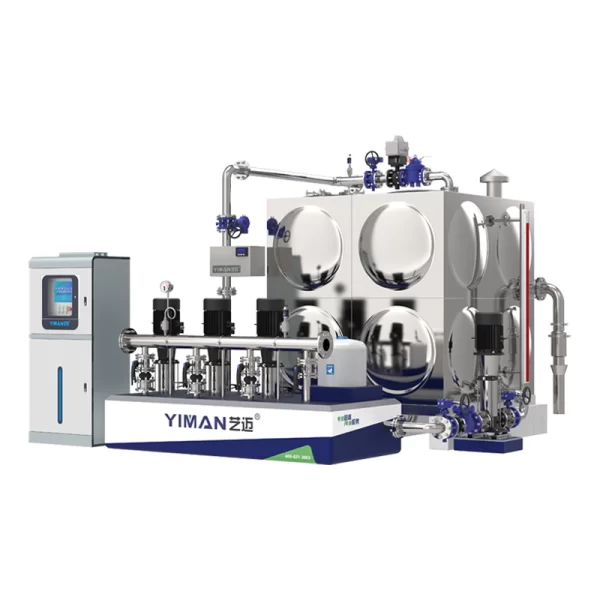
Several components work together to make this happen. Booster pumps, typically multi-stage centrifugal designs, generate the head needed to push water vertically. Variable frequency drives regulate these pumps, adjusting speed based on feedback from pressure transducers installed throughout the system. A control panel processes this data and coordinates pump operation, while expansion tanks absorb pressure surges and prevent water hammer.
Shanghai Yimai Industrial Co., Ltd. manufactures systems built around these principles. Their Intelligent Digital Drived VFD Booster System and VFD Controlled Booster Water Supply System integrate these components into packaged units designed specifically for high-rise applications, simplifying installation and commissioning.
Practical Advantages for Building Owners and Residents
The benefits of constant pressure water supply systems show up in both operating costs and occupant satisfaction. Consistent water flow means no more complaints about weak showers or appliances that don’t work properly on upper floors. That alone reduces maintenance calls and improves tenant retention.
Energy savings are significant. Variable frequency drives match pump output to actual demand, which typically reduces energy consumption by 30-40% compared to constant-speed systems that cycle on and off. Over the life of a building, this adds up to substantial cost reductions.
How do constant pressure systems benefit high-rise buildings?
Equipment lasts longer when it isn’t subjected to repeated start-stop cycles. Pumps, motors, and seals all experience less mechanical stress, which extends service intervals and reduces replacement costs. The smooth operation also minimizes water hammer—those loud banging sounds that occur when flow stops suddenly—protecting pipes and fixtures throughout the building.
From a regulatory standpoint, these systems make compliance straightforward. They maintain pressure within code-required ranges automatically, eliminating the need for manual adjustments or oversized equipment to create safety margins.
Getting the Design Right
Proper sizing is where many projects go wrong. Undersize the system and you’ll never achieve adequate pressure on upper floors. Oversize it and you’re wasting capital on equipment that runs inefficiently at partial load. Accurate demand calculations, accounting for fixture counts, occupancy patterns, and peak usage scenarios, are essential.
Building height determines how many pressure zones you need. A single booster station can typically serve 15-20 floors before pressure at the bottom of the zone becomes excessive. Taller buildings require multiple zones, with booster stations located on intermediate mechanical floors.
Integration with building management systems enables remote monitoring and centralized control. Operators can track pressure, flow rates, and pump status from a central location, and the system can generate alerts when parameters drift outside normal ranges. This supports predictive maintenance—addressing potential problems before they cause failures.
| Design Aspect | Traditional System Approach | Constant Pressure System Approach |
|---|---|---|
| Pressure Control | Gravity-dependent, often inconsistent | VFD-driven, precise, demand-responsive |
| Energy Use | Higher, due to on/off cycling | Lower, optimized by VFD |
| Space Requirement | Large tanks, extensive piping | Compact booster units, optimized layout |
| Maintenance | Reactive, frequent component wear | Predictive, extended component lifespan |
| Scalability | Difficult to adapt | Easily scalable with modular units |
Space constraints matter in urban high-rises where mechanical rooms compete with revenue-generating floor area. Constant pressure systems typically require less space than gravity-fed alternatives because they eliminate large storage tanks.
For more detail on how VFD technology improves system performance, see 《VFD Controlled Booster System Intelligent Pressure Management for Energy and Water Savings》.
Keeping Systems Running Long-Term
Reliability over a 20-30 year building lifespan requires attention to maintenance from the start. The good news is that constant pressure systems are generally easier to maintain than their predecessors. Smooth VFD operation reduces mechanical wear, and modern control systems provide diagnostic data that helps identify developing problems.
Routine maintenance includes checking pump seals, inspecting motor bearings, verifying sensor calibration, and testing backup systems. Most manufacturers recommend quarterly inspections with more comprehensive annual reviews.
Why is pressure stability crucial for high-rise water distribution?
Pressure fluctuations do real damage over time. Fixtures designed for a specific pressure range fail prematurely when subjected to repeated spikes and drops. Pipe joints and fittings experience fatigue stress. Appliances with pressure-sensitive components—water heaters, dishwashers, washing machines—may malfunction or require early replacement.
Stable pressure eliminates these problems. Fixtures last longer, maintenance costs drop, and residents experience consistent service quality regardless of time of day or building occupancy.
Shanghai Yimai Industrial Co., Ltd. builds their equipment for long service life. Products like the Vertical Multi Stage Centrifugal Pump and Vertical Turbine Fire Fighting Pump use materials and construction methods selected for durability in demanding applications, backed by comprehensive warranty programs.
Where Smart Technology Is Taking Water Management
The next generation of constant pressure water supply systems incorporates IoT sensors, cloud connectivity, and machine learning algorithms. Sensors distributed throughout the building collect data on pressure, flow, temperature, and water quality. This information flows to cloud-based platforms where it can be analyzed alongside data from other building systems.
AI-driven optimization goes beyond simple setpoint control. These systems learn building-specific demand patterns and adjust operation proactively. They might pre-position the system for expected morning demand spikes or identify subtle changes in flow patterns that indicate developing leaks.
Advanced leak detection is particularly valuable in high-rises, where a leak on an upper floor can cause extensive damage to units below before anyone notices. Systems that monitor flow continuously can detect anomalies—water usage when a unit should be unoccupied, for example—and alert building staff immediately.
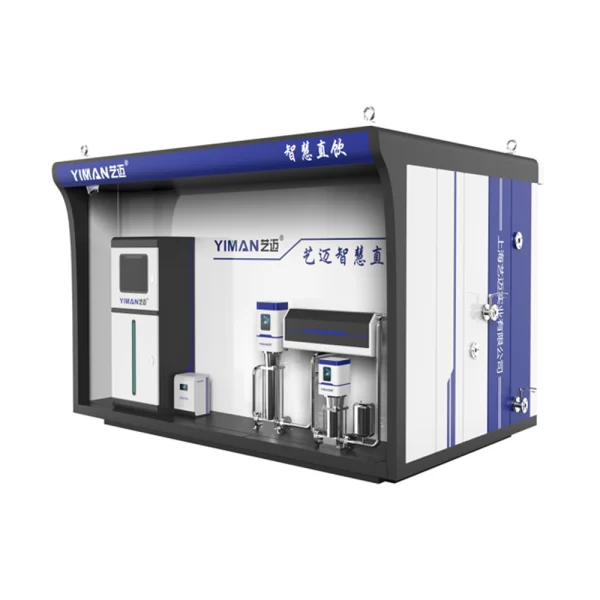
Water quality monitoring is another emerging capability. The Direct Drinking Water System integrates filtration, disinfection, and real-time quality monitoring to ensure potable water meets standards at the point of use, not just at the building entrance.
Working with Shanghai Yimai
Shanghai Yimai Industrial Co., Ltd. specializes in constant pressure water supply systems for high-rise and commercial applications. Their engineering team can help with system selection, sizing calculations, and integration planning. For projects requiring custom solutions, they offer design support and can manufacture equipment to specific requirements.
Contact their international sales team at overseas1@yimaipump.com or +86 13482295009 to discuss your project requirements.
Frequently Asked Questions About High-Rise Water Supply Systems
What are the common challenges in providing consistent water pressure to upper floors of high-rise buildings?
Gravity is the fundamental problem. Every meter of vertical rise reduces available pressure at the fixture, and by the time water reaches the 30th or 40th floor, the loss can be substantial. Peak demand periods compound this—when hundreds of residents draw water simultaneously, pressure drops further. Traditional systems also struggle with water hammer, the pressure surges that occur when valves close suddenly. Addressing these challenges requires active pressure management rather than passive gravity-fed approaches.
How does a variable frequency drive contribute to the efficiency of a constant pressure water supply system?
A VFD controls pump motor speed based on real-time demand rather than running at full speed constantly. When demand is low, the pump slows down, using less energy. When demand increases, it speeds up to maintain pressure. This demand-matching operation typically reduces energy consumption by 30-40% compared to constant-speed pumps that cycle on and off. The smooth speed changes also reduce mechanical stress on pump components, extending service life and reducing maintenance requirements.
What are the long-term operational benefits of investing in a robust constant pressure system for a high-rise?
The financial case builds over time. Energy savings accumulate year after year, often paying back the initial investment within 3-5 years. Equipment lasts longer when it isn’t subjected to constant cycling stress, reducing replacement costs. Maintenance shifts from reactive repairs to predictable scheduled service. Tenant satisfaction improves, which supports occupancy rates and rental premiums. And the system maintains code compliance automatically, avoiding the costs and complications of regulatory issues.