
Intelligent VFD Booster Systems: Smart Water Pressure Control
Managing water pressure efficiently matters more than most people realize until something goes wrong. A building loses pressure during peak hours, an industrial process stalls because flow rates drop unexpectedly, or energy bills climb steadily while pumps run at full capacity regardless of actual need. These problems stem from the same root cause: systems that cannot adapt. Intelligent Digital VFD Booster Systems address this gap directly, adjusting pump speed in real time to match demand. The result is stable pressure, lower energy consumption, and equipment that lasts longer because it works smarter rather than harder.
How Water Pressure Management Reached Its Current State
Water pressure management has traveled a long path from simple fixed-speed pumps to the sophisticated variable frequency drive systems available today. For decades, pumps ran at constant speed no matter what the system actually required. During periods of low demand, this meant over-pressurization, wasted electricity, and accelerated wear on valves, seals, and piping. The pump worked just as hard delivering water to a half-empty building at midnight as it did during the morning rush.
Variable frequency drive technology changed this equation fundamentally. By controlling the electrical frequency supplied to the pump motor, VFDs allow precise speed adjustment. Modern Intelligent Digital VFD Booster Systems take this further by integrating sensors, control algorithms, and communication capabilities into a unified platform. The pump responds to what the system needs right now, not what it might need at peak capacity.
This shift delivers measurable benefits. Energy consumption drops because pumps operate at partial speed most of the time, and the relationship between speed and power is not linear. Cutting pump speed by half reduces power consumption by roughly 87 percent, following the affinity laws that govern centrifugal pump behavior. Equipment lasts longer because reduced speed means less mechanical stress, fewer vibration-related failures, and gentler starts that avoid the current spikes associated with direct-on-line starting. The transition from fixed-speed to VFD-driven systems represents a practical improvement in how water infrastructure operates.
The Mechanics Behind Smart VFD Efficiency
Smart VFDs optimize water pumping through continuous adjustment of motor speed based on real-time demand signals. Traditional systems handle variable demand clumsily, using throttling valves or bypass lines to regulate flow while the pump itself runs unchanged. Energy enters the system and then gets discarded as heat or recirculated uselessly. VFD systems eliminate this waste by producing only the flow and pressure actually needed.
The control loop works continuously. Pressure sensors monitor the system and feed data to the VFD controller. When pressure drops below the setpoint, the controller increases motor frequency, raising pump speed. When demand falls and pressure rises, the controller reduces frequency. This happens smoothly and constantly, maintaining stable conditions without the abrupt on-off cycling that characterizes older systems.
Operating pumps at reduced speeds during low-demand periods cuts power draw substantially. The energy savings compound over time because most water systems spend the majority of their operating hours below peak demand. A pump sized for maximum capacity might run at 60 or 70 percent speed during typical conditions, translating to significant reductions in electricity costs. Mechanical components also benefit from gentler operation, reducing maintenance frequency and extending service life.
Responding to Demand Changes in Real Time
Precision control allows Intelligent Digital VFD Booster Systems to handle fluctuating demand without the pressure swings that plague conventional setups. The system monitors conditions continuously and adjusts pump speed before users notice any change. When someone opens multiple fixtures simultaneously, the controller responds within milliseconds to maintain pressure. When demand drops, speed decreases smoothly rather than allowing pressure to spike.
This responsiveness prevents water hammer, the pressure surge that occurs when flow changes abruptly. Water hammer can damage pipes, loosen fittings, and create noise complaints. By modulating speed gradually, VFD systems avoid the sudden valve closures and flow interruptions that trigger these pressure waves. The infrastructure experiences less stress, and users receive consistent water pressure regardless of what others in the building are doing.
Digital Capabilities That Extend Beyond Pressure Control
Modern booster systems offer capabilities that go well beyond maintaining a pressure setpoint. Digital water management features transform pumping from a mechanical process into a data-driven operation with visibility into every aspect of system performance.
Real-time monitoring provides operators with continuous access to flow rates, pressure readings, energy consumption, and motor parameters. This information can be accessed remotely, allowing facility managers to check system status from anywhere with network connectivity. Anomalies trigger alerts before they become failures, enabling response times measured in minutes rather than hours.
Predictive maintenance represents one of the most valuable digital capabilities. By analyzing operational patterns, the system identifies changes that indicate developing problems. A bearing that begins to wear shows up as increased vibration or higher motor current before it fails completely. Scheduling maintenance based on actual condition rather than arbitrary time intervals reduces both unexpected downtime and unnecessary service visits.
Integration with building management systems and IoT platforms creates opportunities for coordinated operation. An Intelligent Digital VFD Booster System can communicate with HVAC controls, fire suppression systems, and utility metering infrastructure. Multi-pump configurations benefit from intelligent sequencing that rotates lead pump duties, equalizes run times, and stages additional pumps only when demand requires them.
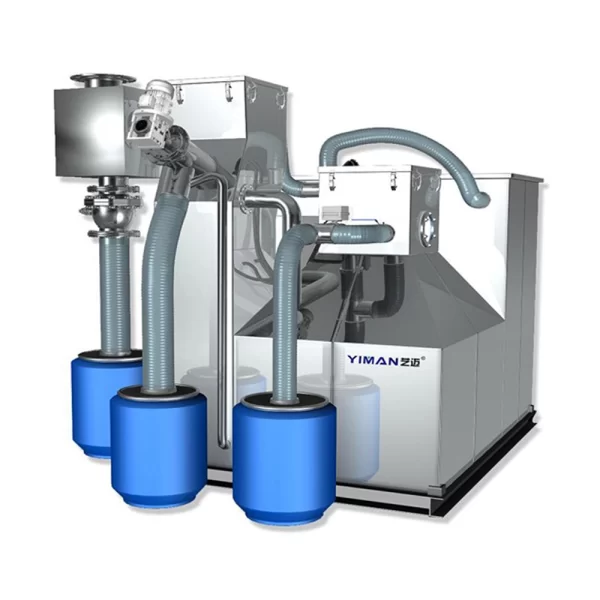
For those seeking deeper understanding of integrated pressure management approaches, exploring 《VFD Controlled Booster System Intelligent Pressure Management for Energy and Water Savings》 offers additional perspective on achieving both water and energy savings through system optimization.
Where Smart Pressure Control Delivers Results
Intelligent Digital VFD Booster Systems prove their value across a wide range of applications, each with distinct requirements and challenges.
Commercial buildings present a classic use case. Multi-story structures need consistent pressure at every floor, from the ground level to the penthouse. Demand varies dramatically throughout the day as occupancy shifts. VFD systems maintain comfortable pressure for occupants while avoiding the energy waste of constant-speed pumping.
Industrial facilities rely on precise water delivery for manufacturing processes, cooling systems, and boiler feed applications. Process requirements often specify narrow pressure and flow tolerances. VFD control provides the accuracy these applications demand while reducing energy costs compared to throttled constant-speed systems.
| Application Field | Key Benefit | Impact |
|---|---|---|
| Commercial Buildings | Consistent Pressure | Enhanced user experience, reduced pipe stress |
| Industrial Facilities | Process Optimization | Energy savings, improved product quality |
| Municipal Waterworks | Network Stability | Reduced leakage, lower operational costs |
| Agricultural Irrigation | Efficient Water Use | Minimized waste, optimized crop yield |
Municipal water distribution networks cover large geographic areas with varying elevation and demand patterns. VFD booster systems stabilize pressure across these networks, reducing the water losses that occur when excessive pressure stresses aging pipes. Lower operating pressures mean fewer leaks and reduced pumping costs.
Agricultural irrigation benefits from precise pressure control that matches the requirements of different irrigation methods. Sprinkler systems and drip irrigation each have optimal pressure ranges. VFD systems deliver exactly what the application needs, conserving water and energy while supporting crop productivity.
Making Implementation Successful
Deploying an Intelligent Digital VFD Booster System requires attention to several factors that influence long-term performance and return on investment.
Installation quality matters significantly. Proper electrical connections, correct grounding, and appropriate cable routing prevent interference problems and ensure reliable operation. The VFD must be configured for the specific motor and pump characteristics, with parameters set to match the application requirements. Qualified technicians should handle installation and commissioning.
Integration with existing infrastructure deserves careful planning. Piping connections, sensor placement, and control network compatibility all affect system performance. The new booster system should work seamlessly with current building management systems and any existing monitoring infrastructure.
Sustainable operation depends on proper sizing and configuration. An oversized system wastes capital and may operate inefficiently at typical demand levels. An undersized system cannot meet peak requirements. Accurate demand analysis during the design phase prevents both problems.
Keeping Systems Running Well Over Time
Long-term reliability requires ongoing attention to maintenance and support. VFD systems are generally robust, but they benefit from periodic inspection and care.
Electrical connections should be checked regularly for signs of loosening or corrosion. Cooling fans and heat sinks need to remain clear of dust and debris that could impair heat dissipation. Filters in the VFD enclosure require cleaning or replacement according to environmental conditions.
Sensor calibration ensures accurate pressure and flow readings. Drift in sensor output leads to control errors that affect both performance and energy consumption. Periodic verification against reference instruments maintains measurement accuracy.
Software updates from the manufacturer may address bugs, improve performance, or add features. Keeping firmware current ensures the system operates as intended. Access to technical support provides a resource for troubleshooting unusual situations and resolving complex problems quickly.
Shanghai Yimai Industrial Co., Ltd. and Smart Water Solutions
Shanghai Yimai Industrial Co., Ltd. specializes in advanced water management equipment, including Intelligent Digital VFD Booster Systems designed for applications ranging from residential buildings to large industrial facilities. The company emphasizes quality engineering and practical innovation in products that deliver reliable performance.
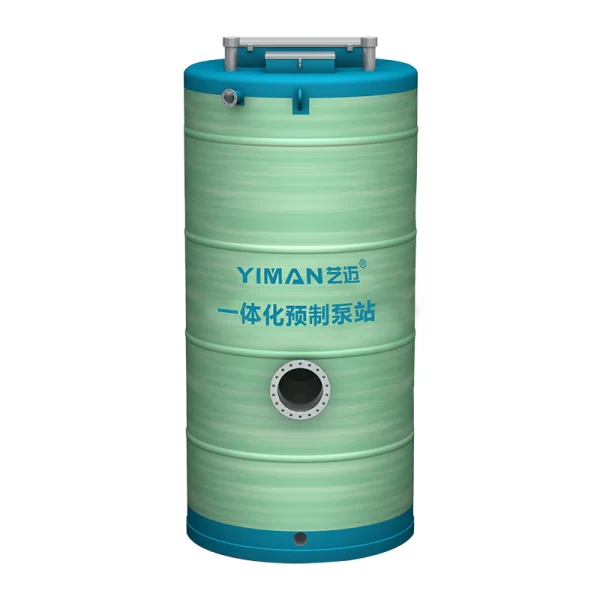
The product range extends beyond booster systems to include Vertical Multi Stage Centrifugal Pump and Prefabricated Pump Station solutions. This breadth allows Shanghai Yimai to address comprehensive water infrastructure needs rather than isolated components.
The Intelligent Digital Driven VFD Booster System offers specifications suited to diverse applications: flow capacity from 5 to over 900 cubic meters per hour, head range of 15 to 200 meters, and power ratings from 0.37 kW to 22 kW. IP65 protection ensures suitability for challenging installation environments.
Take the Next Step Toward Better Water Management
Improving water pressure management efficiency and reliability starts with the right equipment and expertise. Contact Shanghai Yimai Industrial Co., Ltd. at overseas1@yimaipump.com or +86 13482295009 to discuss your specific requirements and explore solutions tailored to your application.
Frequently Asked Questions About Smart Water Pressure Control
What makes a VFD booster system ‘intelligent’?
An Intelligent Digital VFD Booster System combines variable speed pump control with sensors, microprocessors, and communication capabilities that enable real-time optimization. The system monitors pressure and flow continuously, adjusts pump speed automatically to match demand, and provides data for remote monitoring and predictive maintenance. This goes well beyond simple speed control to create a responsive, self-optimizing system.
How does a digital VFD system save energy in water pumping?
Energy savings come from matching pump speed to actual demand rather than running at full capacity constantly. Centrifugal pump power consumption follows the cube of speed, so reducing speed by 20 percent cuts power consumption by roughly 50 percent. Since most water systems operate below peak demand most of the time, VFD control delivers substantial electricity savings compared to fixed-speed alternatives.
What are the maintenance requirements for smart water pressure control systems?
Maintenance involves periodic inspection of electrical connections, cleaning of cooling components and filters, and verification of sensor calibration. Software updates should be applied as the manufacturer releases them. While VFD systems reduce mechanical wear on pumps, annual professional inspection helps identify developing issues before they cause failures. The overall maintenance burden is typically lower than for conventional systems because reduced mechanical stress extends component life.