Integrated Pump Station Solutions for Urban Development
Cities keep growing, and the pipes beneath them struggle to keep up. I’ve watched traditional pump stations get squeezed out of urban projects—not because they stopped working, but because they demand too much space, too much construction time, and too much ongoing attention. Integrated room-type pump stations emerged as a practical answer to these constraints. They arrive pre-assembled, fit into tighter footprints, and run with less human intervention. For municipal engineers and project developers facing pressure to deliver reliable water infrastructure faster and cheaper, these systems have become difficult to ignore.
Why Urban Infrastructure Now Demands Integrated Room-Type Pump Stations
Population density in metropolitan areas continues to climb, and water infrastructure feels the strain first. Conventional pump stations were designed for an era when land was cheaper and construction schedules more forgiving. Today, those assumptions no longer hold. Traditional installations require extensive on-site work, large equipment rooms, and ongoing maintenance crews. They also tend to operate at fixed speeds, wasting energy when demand drops.
Integrated Room Pump Station technology addresses these problems through a fundamentally different approach. The entire system ships as a pre-fabricated unit, ready for connection rather than construction. The compact design means installations fit into spaces that would have been dismissed as too small a decade ago. Built-in security protection, anti-corrosion coatings, and anti-freeze features reduce the maintenance burden. Intelligent leakage protection and quiet operation make these stations viable even in noise-sensitive urban locations. Energy savings follow naturally from variable frequency drives that match pump output to actual demand rather than running at full capacity around the clock.
Where Integrated Pump Stations Deliver the Most Value
These systems prove their worth across a surprisingly broad range of urban applications. The same core technology adapts to water supply boosting, wastewater collection, stormwater drainage, and building services. Each application brings different demands, but the fundamental advantages—compact footprint, intelligent control, and reduced installation complexity—translate across all of them.
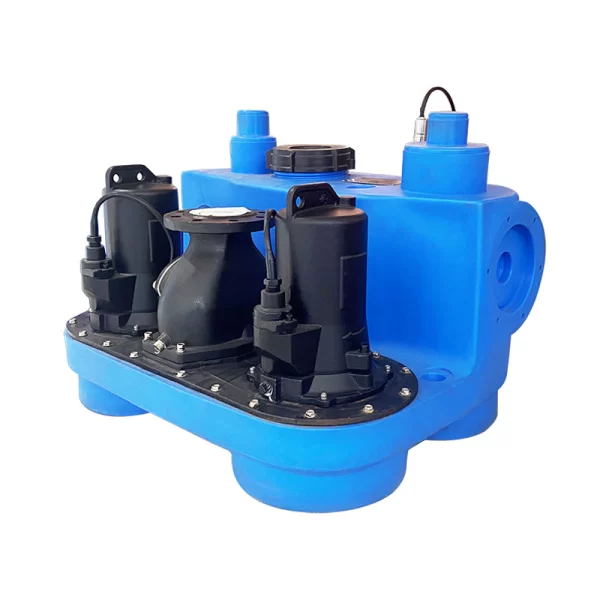
High-rise buildings present a clear use case. Maintaining consistent water pressure across dozens of floors requires precise control that traditional systems struggle to deliver efficiently. In wastewater collection, the Sewage Water Elevating System handles flow rates up to 130 m³/h and heads up to 60 m, making it practical for locations where gravity drainage simply isn’t possible. Subway stations and underground parking structures are typical examples—places where pumping wastewater upward is the only option.
| Application Area | Key Benefit | Example Product | Efficiency Gain (Approx.) | Space Saving (Approx.) |
|---|---|---|---|---|
| Urban Water Supply | Reliable pressure, consistent flow | VFD Controlled Booster System | 30% | 40% |
| Wastewater Collection | Efficient transport, odor control | Sewage Water Elevating System | 25% | 35% |
| Stormwater Drainage | Rapid response to heavy rainfall | Prefabricated Pump Station | 40% | 50% |
| District Heating/Cooling | Optimized circulation, energy efficiency | Single Stage In-Line Circulation Pump | 20% | 30% |
| Commercial Building Services | Stable water pressure, reduced operational cost | Intelligent Digital Driven VFD Booster System | 35% | 45% |
What are the key advantages of integrated room-type pump stations for urban water supply?
Integrated room-type pump stations improve urban water supply through three primary mechanisms: pressure stability, water quality preservation, and distribution efficiency. The VFD Controlled Booster System achieves pressure adjustment accuracy of ≤0.01 MPa while supporting flow ranges up to 1000 m³/h. This precision matters because pressure fluctuations cause water hammer, pipe stress, and inconsistent delivery to end users. Stable pressure also reduces water loss from leaks that worsen under variable conditions. The sealed, controlled environment inside these stations protects water quality by eliminating contamination pathways that exist in open or poorly maintained traditional installations.
You might be interested in learning more about how these systems contribute to urban water infrastructure. Read our article, 《National Booster Water Supply Conference Held in Zhejiang》.
The Technical Edge Behind Room-Type Pump Station Performance
The performance gap between integrated room-type pump stations and traditional installations comes down to three factors: modular construction, intelligent control systems, and material selection.
Modular construction shifts most of the work from the job site to the factory. Components are manufactured, assembled, and tested under controlled conditions before shipping. This approach eliminates weather delays, reduces skilled labor requirements on site, and catches quality issues before they become expensive field problems. Installation becomes a matter of positioning, connecting utilities, and commissioning rather than building from scratch.
Smart control systems, often with IoT connectivity, enable remote monitoring and performance optimization. Operators can track pump status, energy consumption, and system health from a central location. The Intelligent Digital Driven VFD Booster System carries an IP65 protection grade and handles maximum overload capacity of 120%, providing both durability and operational flexibility.
Material choices extend service life in demanding environments. The Prefabricated Pump Station uses fiberglass-reinforced plastic for corrosion resistance, a critical factor when handling wastewater or operating in coastal areas with salt exposure. These materials maintain structural integrity for decades rather than years.
How does the modular design of these pump stations improve project timelines and costs?
Pre-fabrication fundamentally changes project economics. When components arrive ready for installation, on-site construction shrinks from months to weeks or even days. Labor costs drop because fewer workers are needed for shorter periods. Quality improves because factory conditions allow for consistent manufacturing and thorough testing before shipment. Logistics become simpler when a single delivery replaces the coordination of multiple trades and material shipments. The cumulative effect is faster commissioning, lower total project cost, and reduced risk of construction delays.
For a deeper understanding of how modern motors contribute to overall system efficiency, check out 《Optimizing Three Phase Asynchronous Motor Reliability in Pump Systems A Technical Guide》.
Building Water Infrastructure That Lasts
Sustainability in water infrastructure means more than environmental compliance. It means building systems that operate efficiently over decades while adapting to changing conditions. Integrated room-type pump stations contribute to this goal through energy efficiency, compact land use, and intelligent resource management.
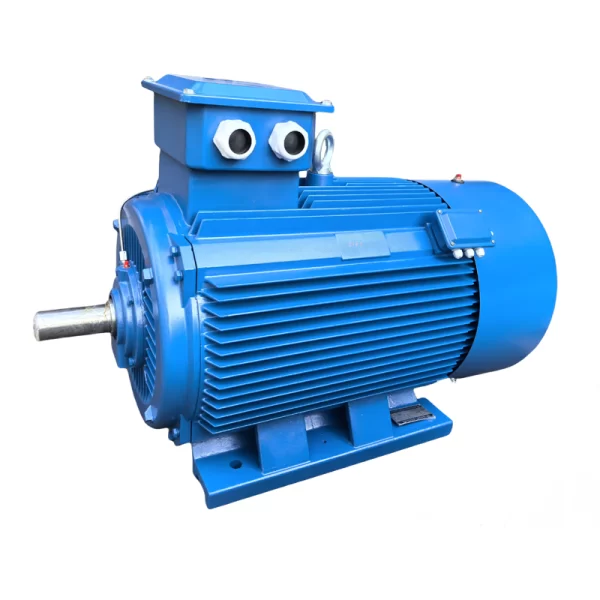
Energy consumption represents the largest operating cost for most pump stations. Advanced motors like the IE4 Three-Phase Electric Motor (IE4 Series, IEC60034/IEC60072 standard) reduce power draw while maintaining output. Variable frequency drives match pump speed to actual demand, avoiding the waste inherent in fixed-speed operation. These efficiency gains compound over the 20-30 year service life of a well-maintained station.
The compact footprint matters in urban contexts where land carries premium value. A smaller station leaves more space for development or green infrastructure. The sealed design also reduces noise and odor, making installations acceptable in locations that would reject traditional pump houses.
Water quality outcomes demonstrate the practical impact of these design choices. The Modular Integrated Water Plant achieves effluent turbidity ≤0.1 NTU and 100% bacteria removal, meeting standards for direct potable use.
Keeping Integrated Pump Stations Running
Long-term performance depends on maintenance practices that match the technology. Integrated room-type pump stations simplify many maintenance tasks through accessible component layouts and remote diagnostic capabilities. The Integrated Room Pump Station design supports unattended operation with intelligent leakage protection, reducing the need for constant human oversight.
Predictive maintenance represents the most significant operational advantage. Smart controls track performance metrics and identify developing problems before they cause failures. A pump showing early signs of bearing wear triggers an alert, allowing scheduled replacement during a planned maintenance window rather than emergency repair during a flood event. This approach minimizes downtime and extends equipment life.
Routine maintenance still matters. Regular inspections verify that seals remain intact, controls respond correctly, and backup systems function as designed. With proper attention, these stations operate efficiently for decades.
What maintenance considerations are important for integrated pump stations in high-density urban areas?
Dense urban environments create specific maintenance challenges. Access becomes complicated when stations sit beneath busy streets or inside crowded building basements. Maintenance teams need clear access routes and sufficient working space, which the compact design must accommodate. Safety protocols address confined space entry, electrical isolation, and coordination with urban traffic. Professional service teams with specialized training handle these complexities more effectively than general contractors. Regulatory compliance also requires documentation and inspection schedules that experienced providers understand.
To learn more about optimizing sewage management, consider reading 《Optimizing Sewage Water Elevating Systems for Modern Infrastructure》.
Finding the Right Partner for Your Pump Station Project
The technology only delivers results when properly specified, installed, and supported. Choosing a manufacturer means evaluating engineering capability, customization flexibility, and long-term service commitment. Custom pump station design addresses the reality that no two projects share identical requirements. Site constraints, flow demands, water quality targets, and operational preferences all vary.
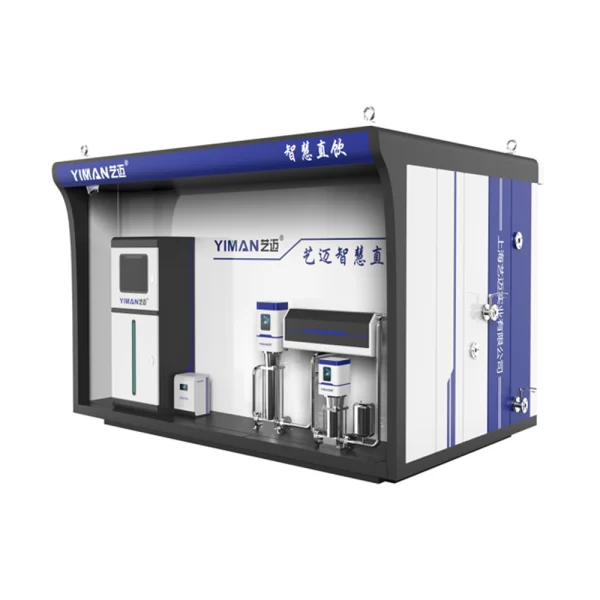
Experience across diverse applications provides confidence that unusual requirements won’t become insurmountable obstacles. Work with the Direct Drinking Water System demonstrates capability in high-purity applications. Projects involving the VFD Controlled Booster System show expertise in pressure management for complex distribution networks. This range of experience translates into practical problem-solving when your project presents unexpected challenges.
Frequently Asked Questions About Integrated Pump Stations
How do integrated room-type pump stations enhance urban flood resilience?
Stormwater-focused integrated pump stations combine high-capacity pumps with automated controls that activate rapidly when sensors detect rising water levels. The sealed construction prevents floodwater from contaminating the equipment, allowing continued operation during the events when pumping matters most. Strategic placement in flood-prone areas becomes practical because the compact footprint fits into constrained urban sites. These capabilities directly improve a city’s ability to move excess water quickly enough to prevent property damage and infrastructure disruption.
Are integrated pump stations suitable for all types of urban development projects?
The modular design adapts to residential, commercial, industrial, and municipal applications. Customization options address specific flow rates, pressure requirements, and site constraints. A pump station serving a residential complex differs from one handling industrial process water, but both benefit from the same core advantages: pre-fabrication quality, intelligent control, and compact installation. The flexibility comes from configuring components to match project needs rather than forcing projects to accommodate equipment limitations.
What is the typical lifespan and maintenance schedule for these advanced pump systems?
Properly installed and maintained integrated room-type pump stations typically operate for 20-30 years. Maintenance schedules depend on application severity and operating hours, but generally include quarterly inspections, annual preventative maintenance, and component replacement as indicated by monitoring data. Smart systems simplify scheduling by tracking actual equipment condition rather than relying solely on calendar intervals. This approach extends service life by catching problems early while avoiding unnecessary maintenance on healthy components.
Can integrated pump stations be remotely monitored and controlled?
Modern integrated pump stations include SCADA systems and IoT connectivity as standard features. Operators monitor real-time performance data, analyze trends, and adjust settings from central control rooms. Multiple stations across a city can be managed by a single team, improving response times and reducing staffing requirements. Remote diagnostics identify many issues without requiring site visits, and when physical intervention is needed, technicians arrive knowing what they’ll find.
Connect with Our Experts
Shanghai Yimai Industrial Co., Ltd. stands as a professional leader in delivering advanced water management solutions. With extensive experience in integrated pre-casting pump stations and intelligent water plants, we are equipped to address the unique challenges of your urban development projects. Contact our experts today to discuss how our innovative, reliable, and sustainable pump station technologies can elevate your next infrastructure endeavor. Reach us at overseas1@yimaipump.com or +86 13482295009 for a personalized consultation.