
VFD Booster System vs. Traditional Pressure Tank: A Comparative Guide
Water pressure problems have a way of revealing themselves at the worst moments. A shower that loses pressure when someone flushes a toilet downstairs, or an irrigation system that can’t maintain consistent flow during peak demand—these aren’t just inconveniences. They point to fundamental choices in how water systems are designed and controlled.
After working through countless installations and troubleshooting sessions, the difference between variable frequency drive booster systems and traditional pressure tank setups becomes clear not just in specifications, but in how they behave day after day under real operating conditions.
How Traditional Pressure Tank Systems Actually Work
The conventional approach pairs a pump with a hydro-pneumatic tank in a straightforward arrangement. The pump runs until tank pressure reaches an upper threshold, then shuts off completely. Water draws from the tank until pressure falls to a lower set point, which triggers the pump to restart. This cycle repeats continuously throughout the day.
The simplicity has appeal. Fewer electronic components mean fewer potential failure points in theory. But the operational reality introduces complications that compound over time. Pressure swings between the high and low set points create noticeable variation at fixtures. The pump experiences repeated hard starts, each drawing significant inrush current and stressing motor windings and mechanical seals.
The VFD Approach to Pressure Control
A VFD Controlled Booster Water Supply System operates on fundamentally different principles. Rather than cycling between full power and complete shutdown, the variable frequency drive continuously adjusts motor speed to match actual demand. Pressure sensors feed real-time data to the controller, which modulates pump output accordingly.
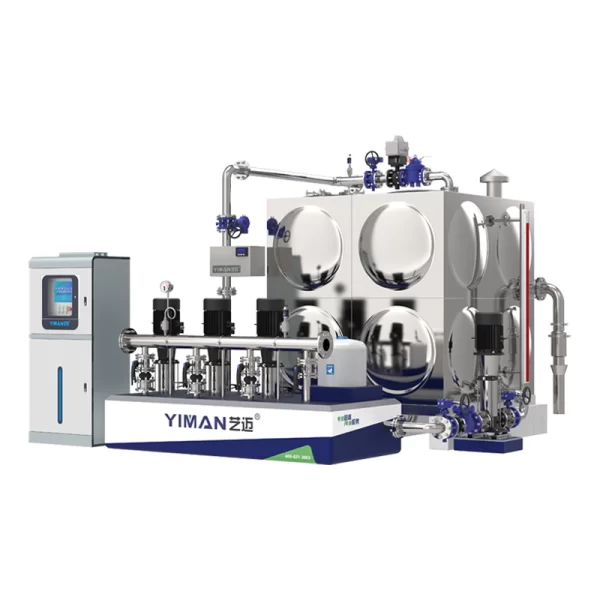
When demand drops, the pump slows down. When multiple fixtures open simultaneously, speed increases to maintain the pressure setpoint. The result is remarkably stable pressure throughout the distribution network, regardless of how usage patterns fluctuate throughout the day.
This responsiveness changes the character of the entire system. Gone are the pressure surges when pumps kick on and the gradual decay as tanks empty. The water supply becomes predictable in a way that traditional systems simply cannot match.
Energy Consumption Tells the Real Story
Operating costs often determine whether an investment makes sense over the long term. Traditional pressure tank systems carry an inherent efficiency penalty built into their design. Every pump start draws high inrush current—typically five to seven times the running current. This happens dozens or hundreds of times daily depending on usage patterns.
Beyond the electrical spike at startup, traditional systems frequently run pumps at full capacity even when demand is modest. A pump sized for peak flow operates at that same intensity whether serving one open faucet or twenty. The excess energy converts to heat and noise rather than useful work.
VFD booster systems eliminate most of this waste. By matching pump speed precisely to demand, they avoid both the inrush penalty and the inefficiency of oversupply. Field measurements consistently show energy reductions between 30% and 50% compared to conventional setups. The savings compound month after month, often recovering the higher initial investment within two to three years.
The reduced electrical stress also extends motor life. Soft starts and stops minimize the thermal cycling that degrades insulation and bearing lubricants. Pumps in VFD systems routinely outlast their traditionally-controlled counterparts by significant margins.
What Users Actually Experience
Technical specifications matter, but the practical impact on daily use often drives purchasing decisions. Traditional pressure tank systems create a distinctive pattern that becomes familiar to anyone who lives or works with them. Pressure drops noticeably as the tank empties, then surges when the pump refills. Showers run cooler as pressure falls, then suddenly hotter when flow increases. The pump cycling creates audible noise that carries through building structures.
Water hammer effects add another dimension to the problem. The sudden flow changes when pumps start and stop generate pressure waves that travel through piping. These manifest as banging sounds and, over time, can stress pipe joints and fittings.
VFD booster systems deliver what amounts to invisible operation. Pressure holds steady regardless of how many fixtures are in use or how demand changes throughout the day. The pump speed adjustments happen smoothly and continuously, eliminating the abrupt transitions that cause hammer and noise. Users simply turn on a tap and get consistent flow—the system handles everything else without calling attention to itself.
Multi-Story Buildings Present Special Challenges
Tall buildings amplify the limitations of traditional pressure systems. Each floor adds static head that the pump must overcome, and demand varies dramatically depending on which floors are drawing water at any given moment. A pressure tank sized for adequate upper-floor pressure often delivers excessive pressure at lower levels, while one sized for lower floors leaves upper floors underserved.
VFD systems handle this complexity through continuous adjustment. Pressure sensors positioned strategically throughout the building provide feedback that allows the controller to maintain target pressure regardless of where demand originates. The pump responds instantly to changes, increasing output when upper floors draw heavily and backing off when usage shifts to lower levels.
Integration with building management systems extends these capabilities further. Scheduling, monitoring, and fault detection become centralized, giving facility managers visibility into system performance and the ability to optimize operation based on occupancy patterns.
Why Traditional Tanks Struggle With Consistent Flow
The fundamental limitation of pressure tanks traces back to their operating principle. The stored volume between high and low pressure setpoints determines how long the system can supply water before the pump must restart. Larger tanks extend this interval but require more space and higher initial cost. Smaller tanks cycle more frequently, accelerating wear on pumps and pressure switches.
Neither option solves the underlying problem of variable pressure. Users experience the full range between setpoints during normal operation. Appliances designed for specific pressure ranges may perform poorly or suffer premature failure when subjected to these swings. Tankless water heaters, in particular, often struggle with the flow variations that traditional systems produce.
| Feature | VFD Booster System | Traditional Pressure Tank System |
|---|---|---|
| Pressure Consistency | Excellent (constant pressure) | Variable (fluctuations, drops, surges) |
| Energy Efficiency | High (demand-based operation, 30-50% savings) | Moderate to Low (on/off cycling, high inrush) |
| Pump Longevity | Extended (reduced cycling, soft starts/stops) | Shorter (frequent cycling, hard starts) |
| Noise Level | Low (smooth operation) | Higher (pump cycling, water hammer) |
| Space Requirements | Compact (no large tank needed) | Larger (requires space for pressure tank) |
Installation and Maintenance Realities
The total cost picture extends well beyond purchase price. Traditional systems require periodic attention to the pressure tank itself—checking air charge, inspecting bladders, and occasionally replacing tanks that have failed. The pump cycling that defines normal operation accelerates wear on seals, bearings, and electrical contacts. Pressure switches require adjustment and eventual replacement.
VFD systems shift the maintenance profile significantly. The electronic drive requires minimal attention beyond keeping it clean and cool. Pumps experience far less mechanical stress, extending intervals between seal and bearing service. Products like the Intelligent Digital Drived VFD Booster System incorporate diagnostic capabilities that identify developing problems before they cause failures.
The compact footprint of VFD systems also simplifies installation. Without a large pressure tank to accommodate, equipment rooms can be smaller or the saved space allocated to other uses. This matters particularly in retrofit situations where existing mechanical rooms have limited capacity.
Matching System Type to Application Requirements
The choice between these approaches depends heavily on specific circumstances. Simple residential installations with modest demand and infrequent usage may function adequately with traditional pressure tanks. The lower initial cost and straightforward operation suit situations where pressure variation is tolerable and energy costs are secondary concerns.
Commercial and industrial applications typically favor VFD systems. Hotels, hospitals, and manufacturing facilities all benefit from the consistent pressure, energy savings, and reduced maintenance that variable speed control provides. Potable water systems serving large populations demand the reliability and performance that VFD technology delivers.
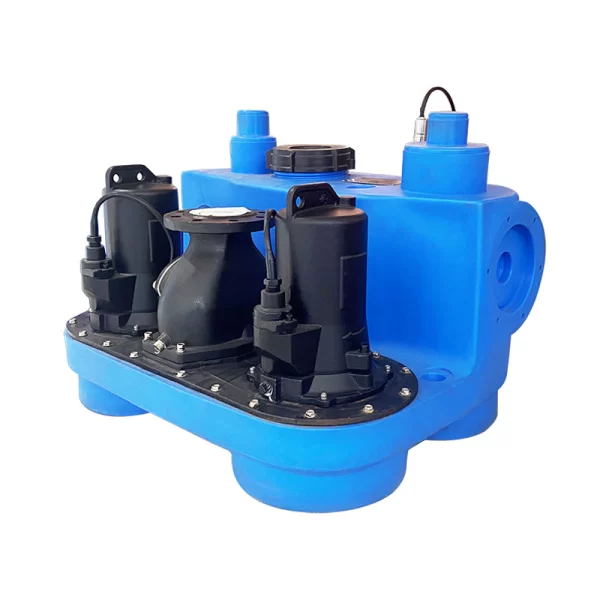
Fire suppression systems requiring precise flow control represent another application where VFD capabilities prove valuable. The ability to maintain exact pressure setpoints regardless of how many sprinkler heads activate can be critical for code compliance and actual fire protection performance.
The VFD Controlled Booster Water Supply System handles flow rates up to 1000 m³/h and pressures to 2.5 MPa, covering the vast majority of building and industrial requirements. This range of capability, combined with the operational advantages already discussed, makes VFD the default choice for most modern water pressure applications.
For deeper insights into pump system reliability, particularly regarding motor selection and maintenance, explore how to ensure peak performance across various industrial applications. If you’re interested, check 《Optimizing Three Phase Asynchronous Motor Reliability in Pump Systems A Technical Guide》.
Take the Next Step Toward Better Water Pressure Management
Shanghai Yimai Industrial Co., Ltd. brings extensive experience in designing and manufacturing VFD booster systems for diverse applications. Our intelligent integrated water plants and booster systems deliver the performance, efficiency, and reliability that modern facilities require. Contact us for a consultation tailored to your specific requirements.
Email: overseas1@yimaipump.com | Phone/WhatsApp: +86 13482295009
What are the long-term cost implications of a VFD booster system compared to a traditional pressure tank?
VFD booster systems typically cost more upfront but deliver lower total ownership costs over their service life. Energy savings of 30-50% accumulate month after month, often recovering the price difference within two to three years. Reduced pump wear means fewer replacements and less maintenance labor. Traditional pressure tanks generate higher electricity bills and require more frequent pump service due to the stress of constant cycling.
Are VFD booster systems more complex to install and maintain than traditional pressure tanks?
Initial setup does require familiarity with electronic drive configuration, which may call for specialized support during commissioning. However, the ongoing maintenance burden is typically lighter than traditional systems. VFD controls are largely self-regulating once properly configured, while pressure tanks need regular air charge checks, bladder inspections, and more frequent pump service. Shanghai Yimai Industrial provides comprehensive technical support for installation and long-term maintenance.
Can a VFD booster system be integrated with existing water infrastructure?
VFD booster systems adapt readily to existing piping and distribution networks. Their compact design and flexible control capabilities allow straightforward upgrades from traditional pump and tank arrangements. Most installations can proceed without extensive modifications to existing infrastructure, making VFD technology an accessible path to modernizing older water pressure systems while improving performance and efficiency.