
Prefabricated Pump Stations for Sewage & Drainage: Project Success
Managing wastewater and stormwater effectively has become one of those baseline expectations in modern development projects. Whether it’s a new residential complex, an industrial facility, or a municipal upgrade, the pumping infrastructure needs to work reliably from day one. Prefabricated pump stations have shifted how these systems get deployed. Instead of months of on-site construction with all the coordination headaches that entails, these factory-assembled units arrive ready for connection. The practical benefits show up quickly in reduced timelines, tighter quality control, and fewer surprises during commissioning.
What Makes Prefabricated Pump Stations Different from Traditional Construction
Prefabricated pump stations are modular, factory-built units engineered for specific applications like wastewater treatment systems and stormwater management. The fundamental difference from conventional on-site construction lies in where the work happens. These integrated pumping technology solutions arrive as complete systems rather than being assembled piece by piece in the field. This approach significantly reduces on-site labor and project timelines.
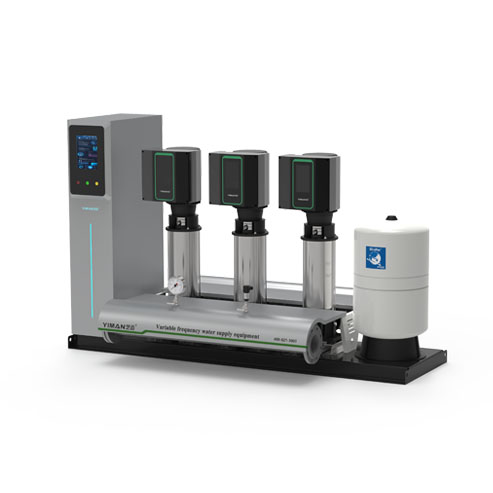
The quality control advantages are substantial. Factory conditions allow for consistent assembly, proper testing before shipment, and standardized components that perform predictably. Shanghai Yimai Industrial Co., Ltd. specializes in these advanced solutions, providing robust and efficient systems engineered for superior performance and longevity. These units prove particularly beneficial in challenging environments where conventional construction faces logistical difficulties or tight schedules.
Design and Engineering Factors That Determine Long-Term Performance
Effective design drives the optimal performance of prefabricated pump stations. This involves careful consideration of pumping station components, hydraulic design, and advanced control systems. Corrosion resistance becomes a critical factor when dealing with various wastewater types, since the wrong material selection can cut system life dramatically.
Proper hydraulic design can reduce energy consumption by up to 30% over the pump station’s lifecycle. That’s not a minor consideration when these systems run continuously for decades. Thorough site assessment ensures seamless integration and long-term reliability, accounting for factors like soil conditions, access requirements, and future capacity needs.
How to Size a Prefabricated Pump Station for Specific Needs
Accurate sizing of a prefabricated pump station determines its efficiency and effectiveness over the long term. This process involves precise pump sizing calculations to determine the required flow rate and storage capacity. Engineers must consider peak flow rates, average flow rates, and potential future expansion.
The consequences of getting this wrong run in both directions. Over-sizing leads to inefficiency because pumps operate outside their optimal range, cycling more frequently and consuming excess energy. Under-sizing can result in system failure and environmental issues when capacity gets overwhelmed during peak demand periods.
What Integrated Control Systems Bring to Pump Station Operations
Integrated control systems offer substantial benefits for pump station management that extend well beyond basic automation. These systems enable remote monitoring and predictive maintenance, reducing downtime by 20% in typical installations. They incorporate SCADA systems for real-time data acquisition and automation for optimized operation.
The practical value shows up in reduced manual intervention and improved overall system reliability. Operators can identify developing problems before they cause failures, schedule maintenance during convenient windows, and maintain detailed performance records for regulatory compliance and optimization.
Installation and Maintenance Practices That Extend System Life
Successful project execution extends beyond design and manufacturing. Meticulous installation, efficient operation, and proactive maintenance determine whether a prefabricated pump station delivers its expected service life. Proper deployment adheres to safety standards and environmental regulations while establishing the foundation for reliable long-term operation.
Regular preventative maintenance schedules extend pump station lifespan by 5-10 years compared to reactive maintenance approaches. This proactive strategy minimizes lifecycle costs and maximizes system uptime by catching wear and potential failures early.
What Maintenance Considerations Matter Most for Modular Pump Station Longevity
Longevity of a modular pump station depends heavily on consistent maintenance practices. Routine inspections of all components, timely component replacement, and regular system diagnostics form the core of an effective maintenance program. This preventative maintenance regimen helps identify potential issues before they escalate into failures that affect operations.
Adhering to these practices significantly extends the system’s lifespan and reduces unexpected failures. The cost difference between scheduled maintenance and emergency repairs typically runs several multiples, not counting the operational disruption and potential environmental consequences of system failures.
For a deeper understanding of how integrated solutions can transform your water management projects, consider reading about the benefits of an 《Integrated Room Pump Station》.
Practical Advantages and Application Range of Prefabricated Systems
Prefabricated pump stations offer numerous advantages over traditional construction methods, including significant cost-effectiveness and accelerated project lifecycle. A municipal project reduced construction time by 40% and costs by 15% using prefabricated pump stations. These systems adapt well to diverse applications such as urban drainage, industrial wastewater, and residential sewage. Their compact design and rapid deployment make them well-suited for modern infrastructure demands.
| Feature | Prefabricated Pump Station | Conventional Pump Station |
|---|---|---|
| Installation Time | Days to Weeks | Months to Years |
| Quality Control | Factory-controlled | On-site variable |
| On-site Labor | Minimal | Extensive |
| Environmental Impact | Reduced | Higher |
| Scalability | High | Moderate |
Our prefabricated pump stations handle processing capacities from 50 to 100,000 m³/day with cylinder diameters from 1200 to 3800 mm. Advanced water hammer protection prevents vibration and noise from backflow, ensuring smooth operation. Construction from fiberglass-reinforced plastic eliminates leakage risks that plague concrete structures over time.
The integrated compact design, intelligent high-efficiency operation, and energy-saving features contribute to easy maintenance and a long service life. CFD-optimized hydraulic design further enhances their environmental friendliness and performance. These Prefabricated Pump Station units serve farmland irrigation, urban sewage collection, industrial wastewater treatment, and rainwater collection in low-lying urban areas.
Partner with Shanghai Yimai Industrial Co., Ltd.
For expert guidance on your next sewage or drainage project, partner with Shanghai Yimai Industrial Co., Ltd. Our integrated prefabricated pump stations are engineered for superior performance, efficiency, and reliability. Contact us today for a tailored consultation and discover how our solutions can optimize your infrastructure needs. Email: overseas1@yimaipump.com | Phone/WhatsApp: +86 13482295009
Frequently Asked Questions About Prefabricated Pump Stations
What are the key advantages of prefabricated pump stations over traditional builds?
Prefabricated pump stations deliver faster installation, reduced on-site construction risks, and higher quality control through factory assembly. Overall project costs typically come in lower as well. Their modular design allows for easier scalability and maintenance, while the streamlined approach minimizes disruption to surrounding areas and accelerates project completion.
How does a prefabricated pump station integrate with existing sewage and drainage networks?
Integrated prefabricated pump stations arrive as complete units requiring only connection to existing inlet/outlet pipes, power supply, and control systems. This minimizes disruption and accelerates project completion for sewage and drainage infrastructure upgrades. The connection points are standardized to work with common pipe sizes and materials, making them practical for modernizing existing networks.
What are the typical lifespan and maintenance requirements for a modern prefabricated pump station?
With proper design, material selection using corrosion-resistant composites, and regular preventative maintenance, a high-quality prefabricated pump station can have a lifespan exceeding 20-30 years. Maintenance typically involves routine inspections of pumps, valves, and control systems, along with periodic cleaning and component checks. Following manufacturer recommendations for service intervals ensures optimal performance throughout the system’s operational life.