Modular Water Plants: Filtration for Turbidity Control
Turbidity has a way of humbling even the most experienced water treatment operators. That cloudiness in raw water — caused by clay, silt, organic debris, and microscopic organisms — looks simple enough, but it creates cascading problems throughout the treatment process. Suspended particles shield pathogens from disinfectants, clog membranes faster than anyone budgets for, and drive up chemical consumption in ways that only show up clearly at year-end reviews. Modular water plants have emerged as a practical response to these challenges, offering the flexibility to match treatment capacity with actual turbidity loads rather than building for worst-case scenarios that may never materialize.
Why Turbidity Matters More Than Most Operators Realize
Turbidity measurement in Nephelometric Turbidity Units (NTU) quantifies how much light scatters when passing through water. The number itself tells only part of the story. What matters operationally is how suspended solids interfere with every downstream process. When turbidity climbs above 5 NTU, disinfection efficiency drops because particles physically shield bacteria and viruses from chlorine contact. This creates a public health gap that no amount of additional chlorine can reliably close.
The membrane fouling problem deserves particular attention. Ultrafiltration and microfiltration systems that should run for months between cleanings may need intervention within weeks when treating high-turbidity source water. Each cleaning cycle stresses the membrane material, shortens its service life, and takes the system offline. The operational challenges compound: more coagulant consumption, higher pumping energy for backwash cycles, and increased sludge volumes that require handling and disposal.
| Turbidity Level (NTU) | Associated Risks |
|---|---|
| < 1 | Generally safe, minimal treatment interference |
| 1-5 | Potential for reduced disinfection efficacy |
| 5-20 | Noticeable cloudiness, increased chemical demand |
| > 20 | Significant treatment challenges, health risks |
| > 100 | Severe impairment of disinfection and filtration |
Filtration Technologies That Actually Remove Suspended Solids
The filtration stage is where turbidity control either succeeds or creates problems for everything that follows. Granular media filtration remains the workhorse approach, using layered beds of sand and anthracite to trap particles as water flows downward. Multi-media configurations improve on this by arranging different grain sizes to maximize the depth of the filter bed that actively captures solids.
Membrane-based systems — ultrafiltration and microfiltration — operate on a different principle entirely. These act as physical barriers with pore sizes small enough to exclude particles, colloids, and even some dissolved organics. The trade-off is higher operating pressure and greater sensitivity to fouling. Cartridge filters serve a different role, typically providing final polishing or targeting specific particle size ranges in industrial applications. Deep bed and pressure filtration systems handle heavier turbidity loads where gravity-fed approaches would struggle. Backwash optimization becomes critical regardless of which technology is deployed; poorly timed or insufficient backwashing leads to premature breakthrough and inconsistent effluent quality.
How Modular Water Plants Achieve Consistent Turbidity Reduction
Modular water plants reduce turbidity through staged treatment that can be configured for specific source water characteristics. Raw water first passes through pre-treatment — typically screening and initial chemical conditioning — before entering the primary filtration modules. The modular architecture allows operators to sequence granular media filtration ahead of membrane systems, protecting the more sensitive membranes from gross solids that would otherwise accelerate fouling.
This integrated approach means each treatment stage operates within its optimal range. The granular filters handle the bulk removal work, reducing turbidity from potentially hundreds of NTU down to single digits. Membrane modules then polish the water to sub-NTU levels. Because modules can be added, bypassed, or reconfigured, the system adapts to seasonal variations in source water quality without requiring complete redesign.
Chemical Treatment as a Force Multiplier for Filtration
Physical filtration alone struggles with fine colloidal particles that remain suspended indefinitely. The coagulation and flocculation process addresses this limitation by chemically altering particle behavior. Coagulants like aluminum sulfate (alum) or ferric chloride neutralize the negative surface charges that keep fine particles repelling each other. Once neutralized, particles begin aggregating.
Polyelectrolyte flocculants accelerate this aggregation by bridging between particles, building larger and denser flocs that settle or filter more readily. Zeta potential measurement provides a window into how effectively coagulation is working — when the measurement approaches zero, particles have lost their repulsive charge and will aggregate. The resulting flocs may be removed through sedimentation, dissolved air flotation, or direct filtration depending on plant configuration. Proper chemical dosing reduces the load on downstream filters, extending run times and reducing backwash frequency.
Designing Modular Plants for Reliable Turbidity Performance
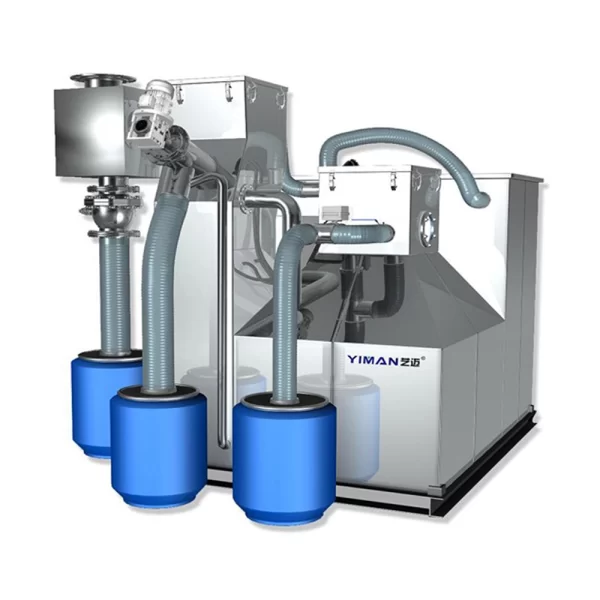
The modular approach to water treatment plant design offers advantages that become apparent during both construction and operation. Rapid deployment matters when communities need treatment capacity quickly — whether for emergency response, seasonal demand spikes, or phased infrastructure development. Scalability allows capacity to grow with actual demand rather than requiring upfront investment for projected future needs that may not materialize.
Strategic module placement determines how effectively the system handles turbidity variations. Pre-treatment modules must reduce gross solids sufficiently to protect downstream equipment. Automation systems monitor turbidity continuously and adjust treatment parameters in real time, maintaining stable effluent quality even when raw water conditions fluctuate. Energy efficiency comes from right-sizing pumps and optimizing process sequences to avoid unnecessary recirculation or over-treatment. Shanghai Yimai Industrial Co., Ltd. designs modular intelligent integrated water plants with production capacities up to 50,000 m³/day, achieving effluent turbidity levels of 0.1 NTU or below.
Key Filtration Technologies for Industrial Turbidity Control
Industrial water treatment applications typically combine multiple filtration technologies based on source water characteristics and required output quality. Granular media filters and multi-media configurations handle bulk turbidity reduction. Ultrafiltration and microfiltration membranes provide the fine particle removal needed for process water applications. Chemical pre-treatment with coagulants and flocculants enhances removal efficiency across all downstream filtration stages. The specific combination depends on whether the application involves wastewater treatment, process water purification, or potable water production — each has different regulatory requirements and operational constraints.
Real-Time Monitoring Changes How Plants Respond to Turbidity
Continuous turbidity monitoring transforms plant operation from reactive to predictive. Online sensors positioned at critical points — raw water intake, post-coagulation, filter effluent, and final discharge — provide immediate feedback on treatment effectiveness. This data flows into SCADA systems that coordinate automated responses through PLC controllers.
When turbidity spikes at the intake, the system can increase coagulant dosing before the slug of dirty water reaches the filters. If filter effluent turbidity begins rising, automated backwash sequences initiate before breakthrough occurs. Predictive maintenance algorithms analyze trends in filter head loss and membrane flux to schedule interventions during planned downtime rather than waiting for failures. Remote diagnostics allow operators to monitor multiple plants from a central location, responding to alarms and adjusting setpoints without traveling to each site. This level of automation reduces manual intervention requirements while maintaining tighter control over effluent quality.
Meeting Regulatory Standards While Reducing Operating Costs
Regulatory compliance drives much of the investment in turbidity control, but the benefits extend beyond avoiding violations. Low turbidity levels are prerequisite for effective disinfection — regulators understand this relationship, which is why turbidity limits exist in the first place. Meeting these standards consistently protects public health and avoids the operational disruptions that come with compliance failures.
The sustainability case for effective turbidity control rests on resource efficiency. Lower chemical consumption means reduced procurement costs and smaller waste streams. Extended filter and membrane life reduces replacement frequency and associated capital outlays. High-quality treated water opens possibilities for reuse applications, reducing demand on freshwater sources. Shanghai Yimai Industrial’s modular integrated water plants achieve 100% bacterial removal rates and 6-log removal of Giardia and Cryptosporidium, exceeding national standards while maintaining the operational efficiency that keeps treatment costs manageable.
The Connection Between Low Turbidity and Plant Longevity
Low turbidity directly protects treatment equipment and extends operational lifespan. Filters and membranes operating on cleaner water experience less stress, require less frequent cleaning, and last longer before replacement becomes necessary. Disinfection systems work more effectively, reducing the temptation to overdose chemicals that can damage downstream equipment. The cumulative effect shows up in maintenance budgets and capital replacement schedules — plants that maintain tight turbidity control consistently outperform those that tolerate higher levels.
Working with Shanghai Yimai Industrial on Turbidity Control Solutions
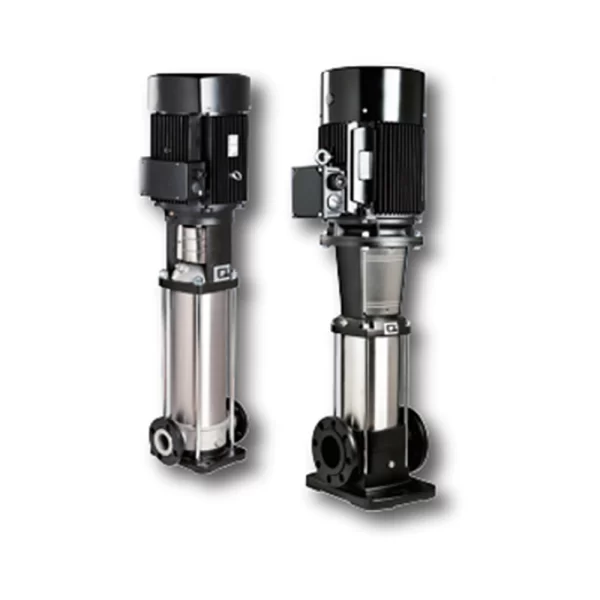
Shanghai Yimai Industrial Co., Ltd. brings together expertise in water pumps, booster systems, and comprehensive treatment technologies to deliver Modular Integrated Water Plant solutions tailored to specific turbidity challenges. Our systems serve applications ranging from small urban and rural centralized water supply to rapid expansion of existing water plants, emergency peak supply situations, and production water for large industrial facilities. The modular approach allows us to match treatment capacity to actual needs while maintaining the flexibility to adapt as conditions change.
Contact our team for a consultation on how modular water treatment can address your specific turbidity control requirements. Email: overseas1@yimaipump.com | Phone/WhatsApp: +86 13482295009
What advantages do modular water plants offer for turbidity control?
Modular water plants provide rapid deployment, scalability, reduced construction timelines, and lower initial capital requirements compared to conventional construction. The pre-engineered design ensures consistent performance across installations, while the modular architecture simplifies maintenance and allows capacity adjustments as needs evolve. These characteristics make modular systems particularly effective for applications requiring reliable suspended solids removal under varying conditions.
How does Shanghai Yimai Industrial ensure system reliability?
Reliability comes from robust engineering, quality component selection, and thorough testing before deployment. Our modular intelligent integrated water plants incorporate advanced water pumps and filtration membranes selected for durability under continuous operation. Each system undergoes performance verification to confirm it meets design specifications. Our technical support team provides ongoing assistance to maintain performance throughout the system’s operational life.
Can modular systems handle variable source water turbidity?
Modular water treatment systems are designed specifically for adaptability. The staged treatment approach — with configurable pre-treatment and filtration modules — allows the system to respond to turbidity variations from seasonal changes, storm events, or upstream disturbances. Automation systems adjust treatment parameters in real time, maintaining consistent output quality even when raw water conditions fluctuate significantly.