
VFD Booster System: Residential Complex Water Pressure Optimization
Maintaining steady water pressure across a residential complex sounds straightforward until you actually try to do it. The physics work against you—demand spikes during morning routines, pressure drops on upper floors, and traditional pumps just run full blast regardless of what’s actually needed. After working through dozens of these installations, the VFD booster system consistently proves itself as the practical answer to these water supply challenges in multi-story buildings. The technology isn’t new, but the way modern systems integrate pressure sensing with motor control has reached a point where constant pressure water supply is genuinely achievable, not just a spec sheet promise.
Why Residential Water Pressure Consistency Actually Matters
Consistent residential water pressure affects daily life in ways most people don’t think about until something goes wrong. Weak showers are the obvious complaint, but the downstream effects run deeper. Dishwashers and washing machines cycle longer when pressure drops, wearing out components faster. Water heaters struggle to maintain temperature when flow rates fluctuate. In high-rise buildings, the challenge compounds—lower floors may see excessive pressure while upper units barely get a trickle during peak hours.
The engineering problem is real. A 20-story building with 200 units experiences wildly different demand patterns throughout the day. Morning rush, evening cooking, late-night quiet—each scenario requires different pump output. Traditional fixed-speed systems handle this by oversizing everything and running constantly, which works but wastes enormous amounts of energy. The plumbing system demands a smarter approach, one that responds to actual conditions rather than worst-case assumptions.
Property managers feel this in maintenance budgets. Water pressure fluctuations stress pipe joints, accelerate valve wear, and trigger more service calls. Residents notice it in their monthly satisfaction surveys. The connection between water supply reliability and property value isn’t abstract—it shows up in retention rates and rental premiums.
The Mechanics Behind VFD Booster System Performance
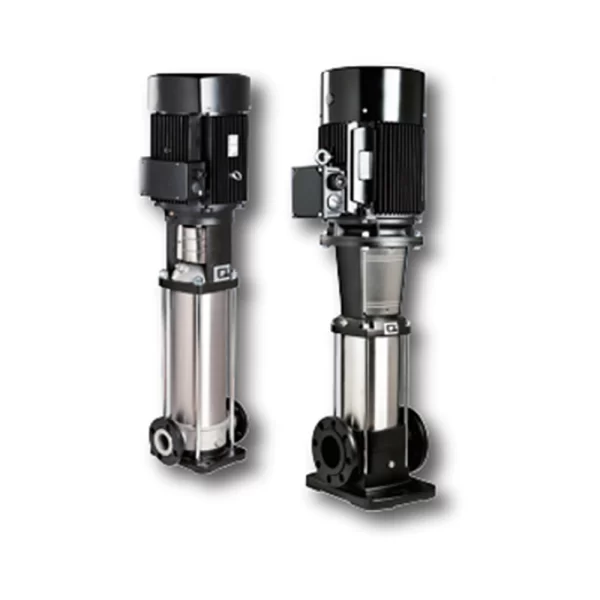
Intelligent Digital Drived VFD Booster System work by varying motor speed to match real-time demand, which sounds simple but represents a fundamental shift from how pumps traditionally operate. A conventional booster pump runs at fixed speed, pushing water at maximum capacity whether one faucet is open or fifty. The excess pressure gets dumped through bypass valves or simply stresses the system.
Variable frequency drive technology changes this equation. The VFD controller continuously reads pressure sensor data and adjusts motor frequency accordingly. When demand drops—say, during mid-afternoon when most residents are at work—the pump slows down, consuming less power while maintaining target pressure. When demand spikes, the system ramps up smoothly rather than cycling on and off.
This motor speed control approach delivers constant pressure control without the mechanical shock of traditional systems. The pump doesn’t slam from zero to full speed; it accelerates gradually, reducing stress on bearings, seals, and electrical components. The result is demand-driven operation that optimizes both energy efficiency and equipment longevity.
What Makes Up a Complete VFD Constant Pressure System
The VFD controller sits at the heart of the system, processing sensor inputs and commanding motor output. Modern controllers handle multiple pumps simultaneously, staging them on and off as demand requires. This pump sequencing prevents any single unit from bearing excessive runtime while ensuring adequate capacity during peak periods.
Pressure sensors provide the feedback loop that makes everything work. Positioned at strategic points in the distribution network, they report real-time conditions back to the controller. Sensor accuracy matters—a drift of even a few PSI can cause the system to hunt or overshoot, wasting energy and stressing components.
The control panel integrates everything into a manageable interface. Operators can view current status, adjust setpoints, review historical data, and respond to fault conditions. Better panels include remote monitoring capabilities, allowing property managers to check system health from anywhere. Shanghai Yimai Industrial Co., Ltd. builds these systems with industrial-grade sensors and controllers rated for continuous operation in demanding environments.
Real Energy Savings From VFD Implementation
The energy savings from VFD booster systems aren’t theoretical—they show up on utility bills. Traditional fixed-speed pumps consume full power whenever they run, regardless of actual demand. Since residential demand varies dramatically throughout the day, this means significant power consumption reduction potential.
Field data consistently shows 30-50% electricity reduction compared to fixed-speed alternatives. The exact savings depend on demand patterns, system sizing, and baseline efficiency, but the direction is always the same. A mid-size residential complex running older booster pumps might spend $15,000 annually on pumping electricity. Cutting that by 40% means $6,000 back in the operating budget every year.
The maintenance benefits compound these savings. Soft start/stop operation eliminates the inrush current spikes that stress motor windings. Gradual speed changes reduce mechanical shock to pump seals and bearings. Systems that would need major overhauls every five years under traditional operation often run eight or ten years between rebuilds with VFD control.
Return on investment typically falls in the three to five year range, depending on local electricity rates and existing system efficiency. The lifecycle cost advantage grows over time as avoided maintenance and extended equipment life accumulate. For property owners focused on sustainable building practices, the reduced carbon footprint provides additional value beyond direct cost savings.
Building Long-Term Reliability Into Water Infrastructure
System reliability in residential water supply isn’t just about avoiding breakdowns—it’s about maintaining consistent service quality over years of operation. VFD booster systems contribute to this reliability through several mechanisms.
The soft start/stop function deserves particular attention. Every time a traditional pump starts, it experiences mechanical and electrical stress equivalent to hours of normal operation. The sudden torque loads bearings, the inrush current heats windings, and the pressure surge stresses pipes and valves. VFD-controlled starts eliminate this shock, spreading the acceleration over several seconds and dramatically reducing wear.
Modern VFD systems include sophisticated fault detection that catches problems early. Unusual vibration patterns, temperature rises, or pressure anomalies trigger alerts before they become failures. This pump protection capability enables preventive maintenance rather than emergency repairs. Remote monitoring extends this further, allowing technicians to review system diagnostics without site visits.
The practical result is fewer service interruptions and more predictable maintenance scheduling. Residents experience consistent water pressure without the periodic outages that plague poorly maintained systems. Property managers can budget maintenance costs with confidence rather than facing unexpected repair bills.
How One Complex Solved Its Pressure Problems
A residential development in an expanding urban district struggled with water pressure issues that had persisted since construction. Upper-floor residents complained constantly about weak showers and slow-filling appliances. Lower floors occasionally saw pressure spikes that stressed fixtures. The existing fixed-speed booster pumps ran continuously, driving up energy costs while failing to solve the fundamental problem.
The property management team evaluated several options before selecting a VFD Controlled Booster Water Supply System designed by Shanghai Yimai Industrial Co., Ltd. The solution included multiple VFD-controlled pumps configured for automatic staging, pressure sensors at multiple distribution points, and a control system with remote monitoring capability.
Installation required careful coordination to minimize service disruption, but the transition completed over a single weekend. Commissioning involved fine-tuning pressure setpoints and pump staging parameters to match the building’s specific demand patterns.
The measured results validated the investment. Pressure variation across floors dropped by over 80%, with upper units finally receiving consistent flow. Energy consumption for water pumping fell approximately 35% compared to the previous year. Maintenance calls related to water pressure essentially disappeared from the service log. The remote monitoring capability proved valuable during the first months, allowing quick parameter adjustments as the system learned the building’s demand patterns.
Resident satisfaction surveys showed marked improvement in water-related questions. The property manager noted that the reduced complaint volume freed staff time for other priorities. The project demonstrated what VFD booster system implementation can achieve when properly designed and executed.
Start Improving Your Building’s Water System
Residential complexes deserve water infrastructure that performs reliably and efficiently. Shanghai Yimai Industrial Co., Ltd. designs VFD booster systems matched to specific building requirements, addressing the unique challenges of each installation. Whether you’re upgrading aging equipment or planning new construction, our engineering team can develop a solution that delivers consistent water pressure while reducing operational costs. Reach out to discuss your project requirements and explore what modern VFD technology can accomplish for your property.
Email: overseas1@yimaipump.com | Phone/WhatsApp: +86 13482295009
Frequently Asked Questions About VFD Booster Systems
How do VFD booster systems reduce energy consumption in residential buildings?
VFD booster systems cut energy use by running pumps only as fast as current demand requires. When fewer faucets are open, the motor slows down and draws less power. Traditional fixed-speed pumps run at full capacity regardless of actual need, wasting electricity during low-demand periods. The variable frequency drive continuously adjusts motor speed based on pressure sensor feedback, matching output to real conditions. Most installations see 30-50% reduction in pumping electricity costs compared to conventional systems.
What are the key components of a VFD constant pressure water supply system?
The system centers on the variable frequency drive controller, which processes pressure data and commands motor speed. High-efficiency booster pumps—often multiple units for redundancy and staging—provide the actual water movement. Pressure sensors positioned throughout the distribution network report real-time conditions back to the controller. A control panel ties everything together, providing operator interface, system diagnostics, and fault indication. These components work as an integrated system to maintain target pressure regardless of demand fluctuations.
What maintenance is required for VFD booster systems in residential complexes?
VFD systems generally need less maintenance than traditional setups because the soft start/stop operation reduces mechanical wear. Routine tasks include inspecting pump seals and bearings, verifying pressure sensor calibration, cleaning intake filters, and checking VFD parameter settings. Most systems benefit from quarterly inspections with more thorough annual reviews. The remote monitoring capabilities built into modern controllers help identify developing issues before they cause failures, allowing maintenance to be scheduled rather than reactive.