
Prefabricated Pump Station: Urban Development Case Study
Urban infrastructure projects rarely go smoothly. Between permit delays, unexpected soil conditions, and the sheer complexity of coordinating multiple contractors, traditional pump station construction can stretch timelines by months. I’ve watched projects stall because a concrete pour got rained out or because specialized labor wasn’t available when needed. Prefabricated pump stations sidestep many of these headaches by shifting most of the work off-site, where weather and scheduling conflicts don’t derail progress. For cities racing to keep pace with population growth, this approach has become less of an option and more of a necessity.
Why Modular Pump Solutions Make Sense for Growing Cities
Rapid urbanization puts enormous strain on existing drainage and wastewater networks. Conventional pump station construction demands extensive on-site work—excavation, formwork, curing time, equipment installation—all happening in sequence. Each step depends on the previous one finishing without problems, which rarely happens in practice.
Modular pumping systems flip this sequence. A prefabricated pump station arrives at the site largely complete, manufactured under controlled factory conditions where quality stays consistent and delays from weather or material shortages don’t exist. Installation time drops from months to weeks, sometimes days. This matters when urban development timelines leave no room for slippage.
The practical benefit extends beyond speed. Less time on-site means less disruption to traffic, fewer complaints from neighboring businesses, and lower risk of the cascading delays that plague complex urban projects. For maintaining urban drainage systems and managing wastewater in cities that can’t afford service gaps, this reliability is worth paying attention to.
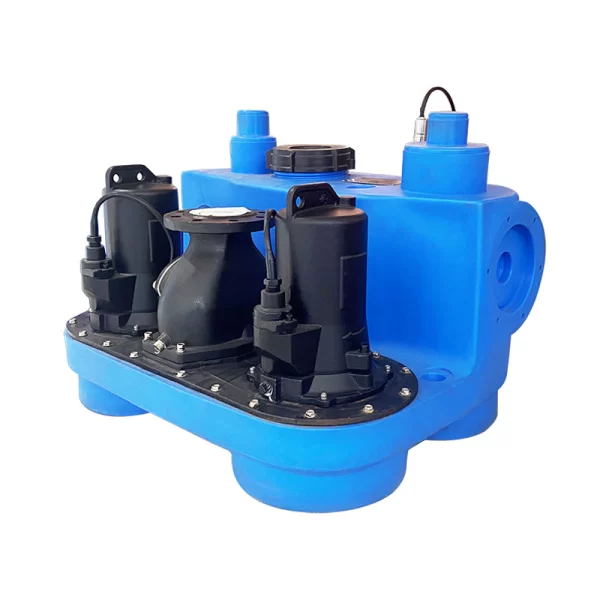
How Underground Installations Solve Urban Space Problems
Finding room for new infrastructure in dense urban areas is genuinely difficult. Traditional pump houses need substantial above-ground footprints—space that simply doesn’t exist in many city centers. Property values, existing utilities, and zoning restrictions all conspire against conventional approaches.
Underground pump stations offer a practical workaround. Their compact design allows installation beneath parking lots, building basements, or public plazas without consuming valuable surface area. The visible footprint shrinks to access hatches and ventilation, leaving the land above available for its intended purpose.
This underground approach proves especially useful where gravity drainage isn’t possible. A Sewage Water Elevating System installed in a basement or below-grade parking structure can lift wastewater to the municipal sewer line without requiring above-ground construction. The flexibility in placement opens options that traditional designs simply can’t match.
What Makes These Systems Reliable Over Time
Effective wastewater management depends on equipment that works consistently, year after year, without constant attention. Prefabricated pump stations build this reliability into their design through several deliberate choices.
Smart control systems optimize pump operation automatically, adjusting to flow conditions rather than running at fixed settings. Remote monitoring catches problems before they become failures—a pressure drop or unusual vibration pattern triggers an alert, allowing maintenance crews to respond proactively rather than reactively.
Material selection matters enormously for long-term performance. Fiberglass-reinforced plastic resists the corrosive environment inside a pump station far better than traditional materials. Wastewater contains hydrogen sulfide and other compounds that attack concrete and steel; FRP shrugs off this chemical assault. The result is equipment that maintains its structural integrity for decades rather than degrading steadily from the day it’s installed.
These design choices also contribute to energy efficiency in pumping operations. Variable frequency drives match pump output to actual demand, avoiding the energy waste of oversized pumps running at constant speed. Over a twenty-year service life, these efficiency gains add up to substantial operational savings.
| Feature | Traditional Pump Station | Prefabricated Pump Station |
|---|---|---|
| Installation Time | Months | Days/Weeks |
| On-site Labor | High | Low |
| Footprint | Large, above-ground | Compact, often underground |
| Material Durability | Variable | High, corrosion-resistant |
| Maintenance Frequency | Higher | Lower, predictive |
Cutting Project Timelines Without Cutting Corners
Speed matters in urban infrastructure, but not at the expense of quality. Prefabricated pump stations achieve faster deployment through parallel processing rather than shortcuts.
While crews prepare the installation site—excavating, setting the foundation, running utility connections—the pump station itself is being manufactured and tested at the factory. These activities happen simultaneously instead of sequentially. When the site is ready, a largely complete unit arrives and gets set in place. Final connections and commissioning take days, not months.
This compressed timeline delivers real benefits beyond schedule optimization. Less time spent on active construction means less disruption to surrounding areas. Traffic detours end sooner. Noise and dust affect neighbors for weeks instead of months. For urban development projects where community relations matter, these considerations carry weight.
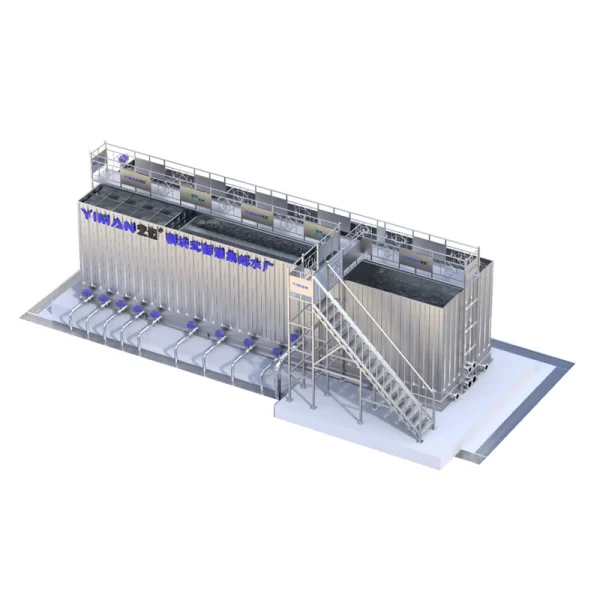
For further insights into optimizing infrastructure projects, consider reading 《Water Plant in 3 to 6 Months the Land Liberating Yimai Modular Revolution》.
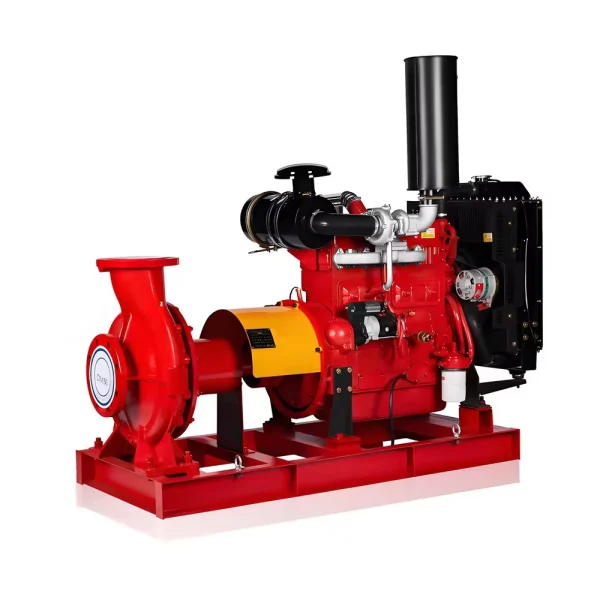
Environmental Performance and Regulatory Compliance
Modern urban development faces increasing scrutiny on environmental impact. Prefabricated pump stations address these concerns through both their manufacturing process and their operational characteristics.
Factory production generates less waste than on-site construction. Material usage is optimized, offcuts get recycled, and quality control prevents the rework that wastes resources. Transportation emissions exist, but they’re typically lower than the cumulative impact of multiple material deliveries and equipment mobilizations for traditional construction.
The sealed design of a prefabricated pump station prevents the leaks that can contaminate soil and groundwater. Fiberglass-reinforced plastic doesn’t corrode or crack the way concrete can over time, maintaining containment integrity throughout the equipment’s service life. For wastewater applications, this leak-proof construction isn’t just good practice—it’s essential for meeting regulatory compliance standards.
These characteristics align with sustainable urban planning objectives. Cities increasingly require infrastructure that minimizes environmental footprint while delivering reliable service. A prefabricated pump station checks both boxes.
Connecting New Equipment to Existing Networks
Integrating new infrastructure into established urban systems presents genuine challenges. Pipe sizes vary. Control protocols differ between generations of equipment. Physical site constraints limit connection options.
Prefabricated pump stations handle these integration challenges through customizable design. Each unit can be configured for specific inlet and outlet dimensions, matching existing pipe networks without requiring extensive modifications. Control systems accommodate various communication protocols, allowing the new equipment to interface with existing SCADA systems or operate independently as needed.
This adaptability reduces both cost and disruption during installation. Rather than rebuilding portions of the existing network to accommodate standardized equipment, the prefabricated pump station adapts to what’s already in place. The result is smoother urban infrastructure integration with less risk of unintended consequences.
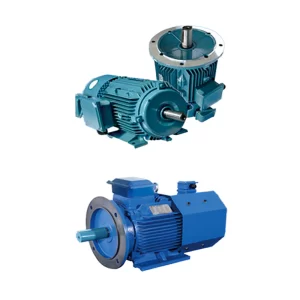
To understand the benefits of advanced motor technology in such systems, explore 《Why Permanent Magnet Electric Motor Stand Out Efficiency Power and Durability》.
Frequently Asked Questions About Prefabricated Pump Stations
How do lifecycle costs compare between prefabricated and traditional pump stations?
A Prefabricated Pump Station typically costs less to operate over its service life than a traditional build. The savings come from several sources: energy-efficient components reduce utility bills, corrosion-resistant materials minimize repair frequency, and remote monitoring enables predictive maintenance that prevents expensive emergency repairs. Initial purchase prices may be comparable or slightly higher, but the twenty-year cost picture usually favors the prefabricated approach.
What does integration with existing infrastructure actually involve?
Each prefabricated pump station gets engineered for its specific installation context. This means matching pipe diameters to existing connections, configuring control systems to communicate with whatever monitoring equipment is already in place, and designing the physical layout to fit available space. The modular nature of these systems makes this customization straightforward rather than exceptional. Most installations connect to existing urban drainage and wastewater networks with minimal modification to the surrounding infrastructure.
What maintenance do compact integrated pump systems require?
Maintenance requirements are deliberately minimized through design choices. Remote monitoring catches developing problems early, often before they cause service interruptions. Access panels provide easy entry to components that need periodic attention. Self-cleaning features in the wet well reduce manual cleaning frequency. The net result is fewer site visits, shorter service intervals, and lower overall maintenance burden compared to traditional pump houses—particularly those installed underground where access is inherently more difficult.
Partner with Shanghai Yimai for Your Urban Infrastructure Needs
Shanghai Yimai Industrial Co., Ltd. manufactures integrated pre-casting pump stations and comprehensive water management solutions designed for the demands of modern urban development. Our modular intelligent systems deliver the efficiency, reliability, and sustainability that infrastructure projects require. Contact us to discuss how these solutions might address your specific project challenges.
Email: overseas1@yimaipump.com | Phone/WhatsApp: +86 13482295009