Boost Water Pressure: Hotel & Commercial Building Solutions
Water pressure problems in hotels and commercial buildings rarely announce themselves politely. They show up as guest complaints about weak showers, as cooling systems struggling during peak hours, or as maintenance calls that pile up faster than anyone anticipated. After working through dozens of these situations, one pattern becomes clear: the buildings that invest in proper booster systems early spend far less time and money chasing pressure issues later.
Why Pressure Consistency Matters More Than Most Building Managers Realize
Multi-story buildings face a physics problem that municipal water supplies were never designed to solve. The pressure that works fine at street level drops predictably as water climbs each floor. Add peak demand periods—morning showers in a hotel, lunch rush in an office building—and the math gets worse quickly.
The consequences extend beyond inconvenience. In hotels, low shower pressure generates the kind of reviews that directly affect booking rates. In commercial buildings, inconsistent pressure can interrupt cooling systems, damage equipment designed for stable supply conditions, and create sanitation concerns that invite regulatory attention.
Older infrastructure compounds these challenges. Many commercial buildings operate on plumbing systems designed decades ago, when occupancy densities and water-dependent equipment were both lower. The gap between what municipal supply delivers and what modern buildings actually need has widened considerably.
| Impact Category | Hotel Operations | Commercial Building Operations |
|---|---|---|
| Guest/Tenant | Low shower pressure, slow toilet refill | Inconsistent fixture performance, discomfort |
| Operational | Appliance malfunction, increased water waste | Process interruptions, equipment damage |
| Financial | Negative reviews, potential revenue loss | Higher utility bills, repair costs |
| Reputational | Damaged brand image, customer dissatisfaction | Reduced tenant appeal, operational liabilities |
What Modern Water Pressure Booster Systems Actually Deliver
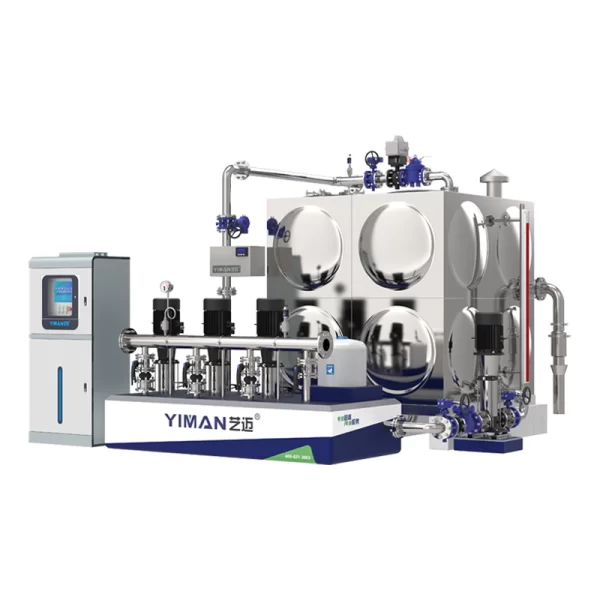
The technology gap between older constant-speed pumps and current VFD-controlled systems is substantial. Modern water pressure booster systems adjust output continuously based on real-time demand rather than running at full capacity regardless of need.
Our Intelligent Digital Driven VFD Booster System handles flow ranges from 5 to 900+ m³/h with heads reaching 15 to 200 m. The IP65 protection grade makes it suitable for mechanical rooms where moisture and dust are facts of life. These specifications matter because they determine whether a system can actually handle the demand profile of a specific building.
The energy savings are significant and measurable. VFD booster systems typically reduce energy consumption by 30-50% compared to traditional constant-speed pumps. For a building running pumps continuously, that percentage translates to meaningful reductions in utility costs and carbon footprint.
The Engineering Behind VFD Efficiency Gains
Variable Frequency Drive technology works by adjusting motor speed to match actual water demand at any given moment. When demand drops—late night in a hotel, weekends in an office building—the system reduces output proportionally rather than wasting energy maintaining pressure no one needs.
This demand-matching approach produces secondary benefits beyond energy savings. Pumps running at appropriate speeds experience less mechanical stress, which extends component life and reduces maintenance frequency. Our VFD Controlled Booster System manages flow ranges up to 1000 m³/h with pressure adjustment accuracy of ≤0.01 MPa. That precision prevents the pressure spikes and drops that accelerate wear on both the booster system and downstream plumbing.
For technical details on motor reliability in pump applications, 《Optimizing Three Phase Asynchronous Motor Reliability in Pump Systems A Technical Guide》 covers the engineering considerations in depth.
Matching System Capacity to Building Requirements
Undersizing a water pressure booster system creates obvious problems—the building never achieves adequate pressure during peak demand. Oversizing creates subtler issues: wasted capital, higher energy consumption, and equipment operating outside its optimal efficiency range.
Proper sizing requires specific data about the building. Height determines the static head the system must overcome. Fixture count and type establish baseline demand. Peak usage patterns—which vary dramatically between hotels, office buildings, and mixed-use properties—determine the surge capacity needed. Available mechanical room space often constrains equipment options in urban properties where square footage carries premium value.
Our VFD Controlled Booster System uses modular design principles that accommodate various commercial applications. High-rise buildings, large public facilities, and properties with unusual demand profiles can all be served by configuring appropriate combinations of pump capacity and control systems.
The VFD Controlled Booster Water Supply System offers the flexibility to match system specifications to project requirements rather than forcing buildings to adapt to equipment limitations.
Getting Installation Right and Keeping Systems Running
Installation quality determines whether a water pressure booster system delivers its design performance or becomes a source of ongoing problems. Integration with existing plumbing and electrical infrastructure requires experienced engineering judgment, particularly in older buildings where documentation may be incomplete or inaccurate.
Proactive maintenance extends commercial booster pump system lifespan by approximately 30% compared to reactive approaches. That extension represents significant value given the capital cost of these systems and the disruption involved in replacement.
Maintenance Practices That Actually Prevent Problems
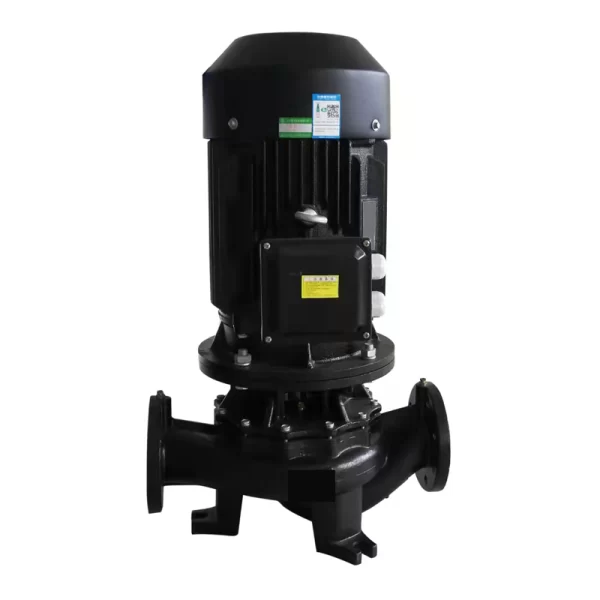
Effective maintenance follows a structured schedule rather than responding to failures after they occur. Pump motors—including our IE3 Three-Phase Electric Motor and IE4 Three-Phase Electric Motor options—require regular inspection for wear indicators and early corrosion signs.
Pressure transducers and flow meters need periodic calibration to maintain accurate system response. Drift in sensor readings causes the control system to make decisions based on incorrect data, leading to either inadequate pressure or wasted energy.
Annual inspection of pump seals and bearings catches degradation before it causes failures. Strainer and filter cleaning prevents the gradual flow restrictions that reduce system capacity over time. These scheduled inspections cost far less than emergency repairs and the associated downtime.
The Financial Case for Energy-Efficient Booster Systems
Energy-efficient booster systems generate returns through multiple channels. Reduced utility bills provide the most direct and measurable benefit, with VFD systems typically paying back their premium over constant-speed alternatives within two to four years depending on usage patterns and local energy costs.
Sustainability benefits extend beyond direct cost savings. Many commercial properties now track and report carbon footprint metrics, and water system efficiency contributes meaningfully to those numbers. Some jurisdictions offer incentives for energy-efficient building systems that can accelerate payback periods.
Constant water pressure in high-rise commercial buildings serves purposes beyond comfort. Fire suppression systems depend on predictable pressure to function correctly. Plumbing fixtures designed for specific pressure ranges perform poorly and wear faster when supply conditions vary. The operational case for pressure consistency strengthens as buildings become more dependent on water-using equipment.
Building Water Systems That Handle Future Demands
Intelligent water management systems represent the direction commercial buildings are heading. IoT-enabled pumping solutions provide remote monitoring capabilities that allow problems to be identified before they affect building operations. Integration with building management systems enables coordinated control across HVAC, electrical, and water infrastructure.
Real-time data analysis supports predictive maintenance approaches that schedule service based on actual equipment condition rather than arbitrary time intervals. Automated adjustments optimize water distribution continuously, responding to changing demand patterns without manual intervention.
These capabilities matter most in high-rise water distribution applications where the consequences of system failures are most severe and the complexity of optimization is highest.
Working with Shanghai Yimai Industrial
Shanghai Yimai Industrial Co., Ltd. develops water pressure booster systems for commercial properties that need reliable, efficient water supply infrastructure. Our engineering team provides consultation services that match system specifications to actual building requirements rather than applying generic solutions.
Contact us for project-specific recommendations: overseas1@yimaipump.com | +86 13482295009.
What are the primary benefits of installing a water pressure booster system in a commercial building?
A properly specified water pressure booster system delivers consistent pressure across all floors and outlets regardless of demand fluctuations. Tenants and guests experience reliable fixture performance. Building operations avoid the equipment damage and process interruptions that inconsistent pressure causes. VFD-controlled systems add energy savings that reduce operating costs over the system’s lifetime.
How do Shanghai Yimai Industrial’s booster systems contribute to energy efficiency in hotels?
Our booster water systems use Variable Frequency Drive technology to match pump output to actual demand. When a hotel operates at partial occupancy or during low-demand hours, the system reduces energy consumption proportionally rather than running at full capacity. The Intelligent Digital Drived VFD Booster System demonstrates this approach, delivering the pressure hotels need while minimizing the energy required to produce it.
Can Yimai’s water pressure booster systems be integrated with existing building management systems?
Our booster water systems support integration with building management systems through standard communication protocols. This integration enables centralized monitoring, remote diagnostics, and coordinated control with other building systems. Properties gain visibility into water system performance and the ability to respond to issues before they affect operations.