Direct Drinking Water Systems: Design, Filtration, and Safety Compliance
Getting clean drinking water from the tap sounds simple until you see what goes into making it happen. The path from source to glass involves filtration stages, pressure management, contamination risks, and regulatory requirements that shift depending on where you operate. I’ve watched projects stall because someone underestimated raw water variability or picked components that couldn’t handle seasonal demand swings. Direct drinking water systems demand more than assembling good parts. They require understanding how those parts interact under real conditions, where source quality fluctuates and consumption patterns rarely match projections.
Design Decisions That Shape Long-Term System Performance
System design determines whether a direct drinking water installation runs smoothly for decades or becomes a maintenance headache within years. The starting point is always source water analysis. Surface water, groundwater, and municipal supplies each present different contamination profiles, seasonal variations, and treatment demands. A system designed for stable municipal input will struggle with well water that carries variable mineral loads after heavy rainfall.
Projected demand calculations need realistic buffers. Residential developments often see consumption spike during morning and evening hours, while industrial facilities may have steady draws punctuated by process-driven surges. Building in 15-20% capacity headroom prevents the chronic underperformance that plagues systems designed to exact specifications.
Scalability matters more than most initial budgets acknowledge. Adding capacity later typically costs more than building it in from the start, but overbuilding creates inefficiencies. The balance requires honest conversations about growth projections and phased expansion options.
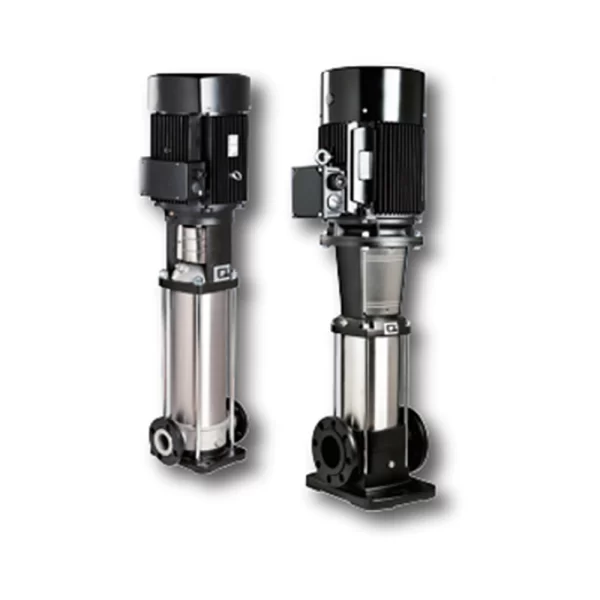
Pump selection directly affects both performance and operating costs. A Vertical Multi Stage Centrifugal Pump handles the pressure demands of multi-story buildings efficiently, while a Intelligent Digital Drived VFD Booster System adjusts output to match real-time demand, cutting energy waste during low-consumption periods. Matching pump characteristics to actual hydraulic requirements prevents the oversizing that drives up electricity bills and the undersizing that leaves upper floors with inadequate pressure.
Components That Determine System Reliability
Direct drinking water systems depend on components working together rather than individually excelling. Pre-filtration units catch sediment and larger particles before they reach sensitive downstream equipment. Skipping adequate pre-treatment to save costs usually backfires when membranes foul prematurely or pumps wear faster than expected.
Storage tanks serve as buffers between supply and demand, but sizing them requires balancing retention time against water quality. Water sitting too long in tanks can develop bacterial growth or lose residual disinfectant protection. Too little storage leaves the system vulnerable to supply interruptions or demand spikes.
Distribution piping materials affect both water quality and system longevity. Corrosion-resistant materials cost more upfront but avoid the contamination and leak problems that cheaper alternatives develop over time. Pipe sizing calculations must account for friction losses, especially in systems serving multiple floors or extended horizontal runs.
System automation ties these elements together, enabling coordinated operation and fault detection. Sensors monitoring pressure, flow, and quality parameters feed control systems that adjust pump speeds, trigger backwash cycles, and alert operators to developing problems before they become failures.
Filtration Technologies That Actually Remove What Matters
The filtration stages in a direct drinking water system each target specific contaminant categories. Understanding what each technology does—and doesn’t do—prevents both gaps in treatment and redundant over-treatment.
Sediment filters handle particles down to roughly 5 microns, protecting downstream equipment but doing nothing for dissolved contaminants. Activated carbon adsorbs chlorine, organic compounds, and many taste and odor issues. Its effectiveness depends on contact time and carbon quality, with spent media requiring regular replacement based on throughput rather than calendar schedules.
Ultrafiltration membranes operate in the 0.01-0.1 micron range, removing bacteria, protozoa, and most viruses through physical exclusion. They don’t remove dissolved salts or small organic molecules. Nanofiltration bridges the gap between ultrafiltration and reverse osmosis, selectively removing divalent ions and larger dissolved organics while allowing monovalent ions to pass.
Reverse osmosis represents the most thorough barrier, rejecting 95-99% of dissolved solids including salts, heavy metals, and most organic compounds. The trade-off is higher energy consumption and the generation of concentrate streams requiring disposal. RO systems also strip beneficial minerals, sometimes necessitating remineralization for taste and health considerations.
UV disinfection provides germicidal treatment without chemical addition, effective against chlorine-resistant organisms like Cryptosporidium. Its limitation is that it provides no residual protection—water leaving a UV unit can be recontaminated if distribution system integrity is compromised.
Selecting Filtration Based on Source Water Challenges
Source water characteristics should drive filtration technology selection rather than defaulting to maximum treatment. Municipal supplies with consistent quality may need only polishing filtration and UV backup. Groundwater with high hardness might require nanofiltration or softening. Surface water sources with seasonal turbidity spikes demand robust pre-treatment and possibly ultrafiltration.
Biofouling presents ongoing challenges for membrane systems, particularly in warmer climates or with source water containing organic nutrients. Prevention strategies include adequate pre-treatment, periodic cleaning protocols, and sometimes continuous low-dose biocide addition. Ignoring biofouling control leads to declining membrane performance and shortened replacement intervals.
Advanced oxidation processes handle contaminants that resist conventional treatment, including certain pharmaceuticals, pesticides, and industrial chemicals. These systems generate hydroxyl radicals through combinations of ozone, hydrogen peroxide, and UV light. They’re typically reserved for specific contamination challenges rather than routine treatment due to their complexity and operating costs.
Meeting Regulatory Requirements Without Over-Engineering
Water quality regulations establish minimum safety thresholds, but compliance involves more than meeting numbers on a report. Regulatory frameworks vary significantly between jurisdictions, and systems serving multiple markets may need to satisfy the most stringent applicable standard.
WHO guidelines provide international benchmarks that many national regulations reference or exceed. EPA standards govern U.S. systems with specific maximum contaminant levels and treatment technique requirements. European directives establish their own parameters, sometimes stricter than WHO recommendations for certain substances.
Compliance documentation requires systematic record-keeping of treatment performance, maintenance activities, and water quality testing results. Regulatory audits examine not just current compliance but historical trends and corrective action responses. Systems without adequate documentation face enforcement actions even when actual water quality meets standards.
Risk assessment frameworks like HACCP (Hazard Analysis Critical Control Points) provide structured approaches to identifying and controlling safety hazards. Originally developed for food safety, HACCP principles translate effectively to water treatment, establishing critical control points where monitoring and intervention prevent contamination from reaching consumers.
Adapting to Evolving Standards
Regulatory standards don’t remain static. Emerging contaminant research drives periodic additions to regulated substance lists. PFAS compounds, for example, have moved from unregulated to strictly limited in many jurisdictions within the past decade. Systems designed without flexibility for treatment upgrades face costly retrofits when new requirements take effect.
Continuous monitoring requirements have expanded beyond traditional parameters like turbidity and chlorine residual. Online analyzers for specific contaminants, real-time data logging, and automated compliance reporting are becoming standard expectations rather than optional enhancements.
The legal consequences of non-compliance extend beyond fines to potential criminal liability for responsible parties, civil suits from affected consumers, and reputational damage that can threaten business viability. Investing in robust compliance systems provides insurance against these risks while ensuring actual public health protection.
Maintaining Performance Through Operational Discipline
Operational practices determine whether a well-designed system delivers its intended performance over time. Maintenance protocols must balance thoroughness against operational disruption, scheduling interventions during low-demand periods when possible.
Predictive maintenance approaches use performance trending to anticipate component failures before they occur. Declining pump efficiency, increasing differential pressure across filters, or gradual changes in treated water quality all signal developing problems. Addressing these indicators during planned maintenance windows avoids emergency repairs and service interruptions.
Remote monitoring capabilities enable oversight of distributed systems without constant on-site presence. Sensors transmitting real-time data to central control rooms or cloud platforms allow rapid response to anomalies. Alert thresholds must be calibrated carefully—too sensitive triggers alarm fatigue, too lenient misses genuine problems.
Energy consumption represents a significant operating cost for direct drinking water systems, particularly those employing reverse osmosis or extensive pumping. Variable frequency drives on pumps match energy use to actual demand rather than running at full capacity continuously. Heat recovery from RO concentrate streams can offset heating costs in some applications. Regular efficiency audits identify degradation and optimization opportunities.
Corrosion control protects both equipment and water quality. Internal pipe corrosion releases metals into treated water while reducing flow capacity and eventually causing leaks. Cathodic protection, corrosion-resistant materials, and water chemistry management all contribute to corrosion prevention. The specific approach depends on materials present and water characteristics.
Emerging Technologies Reshaping Water Treatment
Technological advancement continues transforming what’s possible in direct drinking water treatment. Artificial intelligence applications are moving from research into practical deployment, enabling pattern recognition in complex data streams that human operators would miss.
AI-powered demand forecasting improves pump scheduling and storage management by predicting consumption patterns from historical data, weather forecasts, and event calendars. Fault detection algorithms identify developing equipment problems from subtle performance changes, enabling intervention before failures occur.
Decentralized treatment approaches challenge the traditional model of centralized plants serving large distribution networks. Smaller treatment units located closer to end users reduce distribution infrastructure requirements and transmission losses. A Modular Integrated Water Plant exemplifies this approach, providing complete treatment capability in a compact, relocatable package suitable for remote communities, temporary installations, or phased development projects.
Membrane technology continues advancing, with new materials offering improved rejection characteristics, lower fouling tendency, and reduced energy requirements. Forward osmosis and membrane distillation represent emerging alternatives to conventional reverse osmosis for specific applications.
Sensor technology improvements enable monitoring parameters previously requiring laboratory analysis. Real-time detection of specific contaminants, microbial indicators, and treatment byproducts provides faster feedback for process control and compliance verification.
Working With Partners Who Understand System Complexity
Direct drinking water systems involve too many interacting variables for generic solutions. Source water characteristics, demand patterns, regulatory requirements, space constraints, and budget limitations all influence optimal system configuration. Partners who understand these interactions deliver better outcomes than suppliers focused on individual components.
Shanghai Yimai Industrial Co., Ltd. brings integrated expertise spanning system design, component selection, and regulatory compliance. Our Modular Integrated Water Plant solutions address the growing demand for flexible, scalable treatment capacity. Booster systems incorporating intelligent controls optimize energy use while maintaining consistent pressure throughout distribution networks.
Engineering support extends beyond initial design to commissioning, operator training, and ongoing technical assistance. Systems perform best when operators understand not just procedures but the reasoning behind them, enabling appropriate responses to unexpected conditions.
Frequently Asked Questions
What factors most influence direct drinking water system design choices?
Source water quality drives most design decisions because it determines which contaminants require removal and which treatment technologies apply. A groundwater source with high mineral content needs different treatment than surface water with seasonal turbidity variations. Flow rate requirements establish equipment sizing, while regulatory compliance dictates minimum treatment standards. Energy costs influence technology selection where multiple approaches could achieve similar results, and available space constrains physical configurations. Future expansion plans should factor into initial design to avoid costly retrofits.
How does Shanghai Yimai Industrial verify safety in its direct drinking water solutions?
Safety verification starts with component selection, using certified materials that meet international standards for potable water contact. Multi-stage filtration provides redundant barriers against contamination, so single-point failures don’t compromise water quality. Manufacturing quality control includes pressure testing, leak detection, and performance verification before shipment. Installed systems incorporate monitoring points that enable operators to verify treatment effectiveness continuously. Our engineering team designs to exceed minimum regulatory requirements, building in safety margins that account for source water variability and equipment aging.
Which filtration methods work best for industrial-scale direct drinking water?
The most effective approach combines multiple technologies targeting different contaminant categories. Reverse osmosis provides comprehensive dissolved solids removal, typically achieving 95-99% rejection of salts, heavy metals, and most organic compounds. Ultrafiltration serves as an effective barrier against bacteria, protozoa, and viruses through physical size exclusion. UV disinfection adds germicidal treatment without chemical residuals. Activated carbon filtration removes chlorine, organic compounds, and taste and odor issues. Sediment pre-filtration protects downstream equipment from particulate damage. The specific combination depends on source water analysis and treated water quality targets.
For direct drinking water system design, advanced filtration integration, and regulatory compliance support, Shanghai Yimai Industrial Co., Ltd. offers the technical depth and practical experience these projects demand. Our integrated booster systems and modular water plants deliver reliable performance across diverse applications. Contact us to discuss your specific requirements and explore solutions matched to your operational context. Email: overseas1@yimaipump.com | Phone/WhatsApp: +86 13482295009