Industrial Pressure Booster Systems: Ensuring Facility Water Stability
Industrial facilities live or die by their water pressure. I’ve watched production lines grind to a halt because incoming municipal supply dropped during peak hours, and I’ve seen equipment fail prematurely from the constant stress of pressure swings. Pressure booster systems exist to solve exactly this problem. They stabilize water delivery regardless of what’s happening upstream or how much demand fluctuates downstream. When properly specified and maintained, these systems protect equipment, prevent process disruptions, and keep operations running without the costly surprises that come from unstable supply.
How Industrial Pressure Booster Systems Actually Work
Industrial pressure booster systems maintain constant water pressure even when demand spikes or incoming supply wavers. The basic principle is straightforward, but the execution requires several components working together precisely.
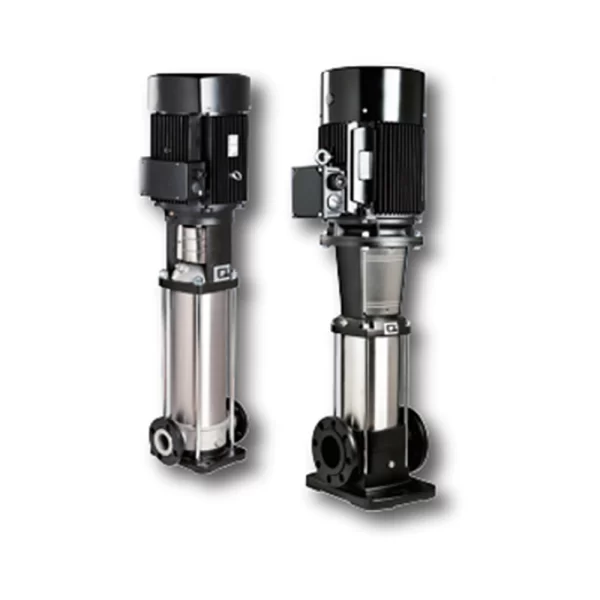
At the foundation, you have the pumps themselves. Most industrial applications use either centrifugal or vertical multi-stage configurations, chosen based on the head and flow requirements of the specific facility. A Vertical Multi-Stage Centrifugal Pump can reach a maximum head of 350 meters and handle flow rates up to 335 m³/h, which covers most high-pressure industrial scenarios.
The real intelligence of modern pressure booster systems lives in the variable frequency drive. The VFD controls pump speed in real time, ramping up when demand increases and backing off when it drops. This dynamic response is what keeps pressure constant throughout the facility rather than letting it swing with every valve that opens or closes.
A central control panel ties everything together, processing data from pressure sensors positioned at strategic points in the pipeline. These sensors feed continuous readings back to the VFD and control logic, creating a closed-loop system that responds to actual conditions rather than operating blindly.
Expansion tanks round out the system. They absorb minor pressure fluctuations and provide a small water reserve that reduces pump cycling. Less cycling means longer pump life and better overall efficiency.
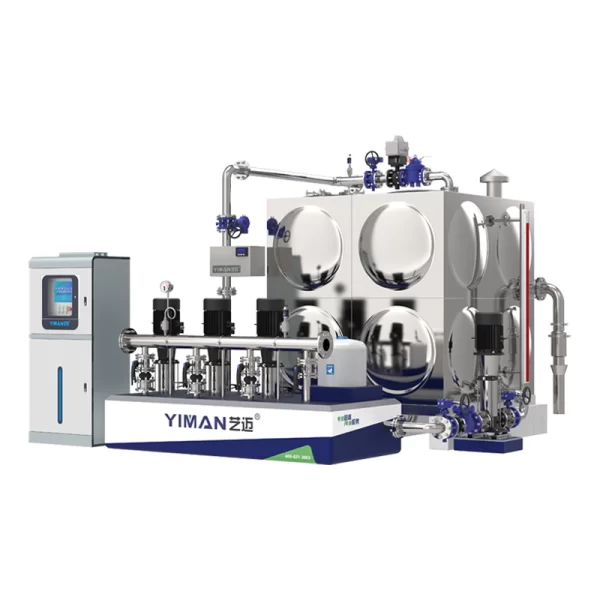
The Intelligent Digital Drived VFD Booster System demonstrates this integration well, achieving pressure adjustment accuracy within 0.01 MPa while handling flows exceeding 900 m³/h.
The Real Cost of Inconsistent Water Pressure
Pressure instability creates problems that compound quickly. Equipment designed to operate within specific pressure ranges will tolerate occasional variations, but chronic fluctuations accelerate wear on seals, valves, and mechanical components. Protection systems that should prevent damage start failing when they’re constantly triggered.
Water hammer is perhaps the most dramatic consequence. These pressure surges occur when flow stops or changes direction abruptly, sending shockwaves through piping that can rupture joints and damage equipment far from the original disturbance. Facilities with unstable pressure experience water hammer events more frequently, and the cumulative damage adds up.
Energy waste is less visible but equally costly. When pressure drops, pumps work harder to compensate. When it spikes, relief valves dump water and energy. Neither scenario is efficient, and both increase operating costs while contributing to unnecessary water consumption.
Beyond the mechanical issues, inconsistent pressure undermines process control. Manufacturing operations that depend on precise water delivery produce inconsistent results when that delivery varies. Quality suffers, compliance becomes harder to maintain, and downtime increases.
What Stable Pressure Actually Delivers
Pressure booster systems that maintain consistent output address all of these problems simultaneously. Energy consumption drops because pumps operate at optimal efficiency rather than constantly compensating for fluctuations. Equipment lasts longer because mechanical stress stays within design parameters. Processes run more reliably because water delivery becomes predictable.
The return on investment comes from multiple sources: lower utility bills, reduced maintenance costs, fewer production interruptions, and extended equipment life. Facilities that track these metrics before and after installation typically see the system pay for itself within a reasonable timeframe.
For more detail on energy performance, 《Perfect Pressure with 40 Less Energy the Yimai VFD Controlled Booster System》 covers the efficiency gains from VFD integration.
Matching the System to Your Facility
Selecting a pressure booster system requires understanding both what you need and what you’re working with. The process starts with application requirements: what flow rates do your operations demand, what pressure levels must you maintain, and how much does demand vary throughout a typical operating cycle?
System sizing matters enormously. An undersized system fails to meet peak demand, forcing compromises in operations. An oversized system wastes capital upfront and energy continuously, running inefficiently because it’s never operating near its design point.
Pump selection depends on the specific characteristics of your application. Centrifugal pumps handle most general industrial needs well. Vertical multi-stage configurations excel when you need higher pressures without excessive footprint. Material selection becomes critical when handling aggressive fluids or operating in corrosive environments.
Modern systems increasingly incorporate smart controls and remote monitoring. These features enable real-time performance tracking, predictive maintenance alerts, and remote troubleshooting. For facilities with limited on-site technical staff, these capabilities can significantly reduce response times when issues arise.
| Feature | Intelligent Digital Driven VFD Booster System | Vertical Multi-Stage Centrifugal Pump | Single Stage End Suction Volute Pump |
|---|---|---|---|
| Max Flow Rate | 900+ m³/h | 335 m³/h | 4000 m³/h |
| Max Head | 200 m | 350 m | 150 m |
| Pressure Adjustment | ≤0.01 MPa | N/A | N/A |
| Applications | Residential, Public, Commercial, Industrial | Water Supply, Industrial, Water Treatment | HVAC, Water Treatment, Industrial |
VFD Technology and Energy Performance
VFD technology fundamentally changes how pressure booster systems consume energy. Traditional systems run pumps at constant speed, using throttling valves or bypass loops to match output to demand. This approach wastes energy whenever demand falls below maximum.
Variable frequency drives eliminate this waste by adjusting pump speed directly. When demand drops to 70% of maximum, the pump runs at reduced speed rather than full speed with throttled output. The energy savings follow the affinity laws: reducing speed by 30% cuts power consumption by roughly 65%. These aren’t theoretical numbers. Facilities that retrofit VFD controls onto existing systems routinely see energy reductions of 30-50%.
Installation Considerations That Affect Long-Term Performance
Getting the installation right determines whether the system performs as designed or becomes a maintenance headache. Space constraints matter. Pressure booster systems need room for service access, and cramming equipment into tight spaces makes routine maintenance difficult and emergency repairs nearly impossible.
Noise and vibration require attention, particularly in facilities where workers spend extended periods nearby. Proper mounting, vibration isolation, and acoustic treatment prevent the system from becoming a workplace nuisance or contributing to structural fatigue.
Piping design affects efficiency directly. Undersized pipes, excessive bends, and poor valve placement create pressure losses that the system must overcome. Electrical installation must meet all applicable codes and provide adequate protection for the control electronics.
Keeping Systems Running at Peak Performance
Advanced features in modern pressure booster systems make maintenance more predictable and less disruptive. Predictive maintenance capabilities use sensor data and analytics to identify developing problems before they cause failures. Bearing wear, seal degradation, and electrical issues often produce detectable signatures well before they become critical.
IoT integration enables remote monitoring and diagnostics. Technicians can review system performance, identify anomalies, and often diagnose problems without traveling to the site. This capability is particularly valuable for facilities in remote locations or those with limited on-site technical expertise.
Practical Maintenance Requirements
Even with advanced monitoring, pressure booster systems need regular hands-on attention. Visual inspections catch problems that sensors might miss: minor leaks, corrosion, loose connections, and physical damage. Pressure sensor calibration should be verified periodically since drift in these readings affects system control accuracy.
Pump components wear over time. Mechanical seals, impellers, and bearings all have finite service lives. Tracking operating hours and performance trends helps predict when replacement becomes necessary. Keeping critical spare parts on hand reduces downtime when components do fail.
Service contracts with experienced providers ensure that maintenance happens on schedule and that complex repairs get handled by qualified technicians. The cost of these contracts is typically small compared to the cost of extended downtime from a major failure.
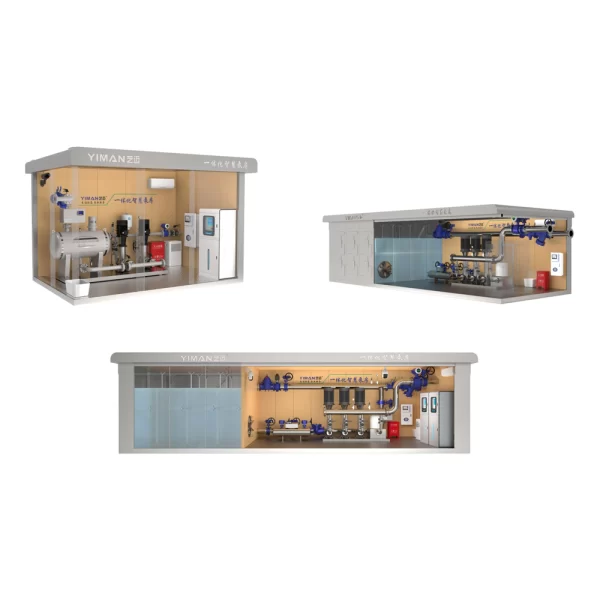
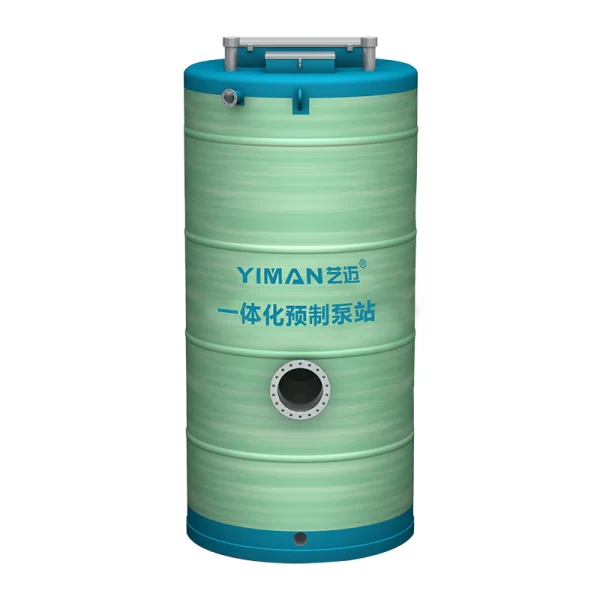
For integrated pump station considerations, 《Prefabricated Pump Station Revolutionizing Urban Drainage with Speed and Intelligence》 provides additional perspective.
Shanghai Yimai Industrial Capabilities
Shanghai Yimai Industrial Co., Ltd. manufactures industrial water pumps and integrated pressure booster systems. Our production includes electrical motors and complete pumping solutions designed for industrial applications.
We provide customized engineering to match specific operational requirements. Each system design considers the facility’s existing infrastructure, operational demands, and performance targets. Our manufacturing processes ensure that components meet durability and performance standards, from the Intelligent Digital Drived VFD Booster System to the VFD Controlled Booster System.
Our approach combines engineering precision with practical execution. We design systems that work reliably in real-world conditions, not just on paper.
For insight into our production processes, 《Russian Customers In Depth Visit to Yimai Witnessing the Core Production Techniques of Motors and Pumps》 documents a recent facility visit.
Start the Conversation
If your facility struggles with pressure stability or you’re planning infrastructure upgrades, we can help you evaluate options and design a system that fits your requirements. Contact our team for a technical consultation.
Email: overseas1@yimaipump.com
Phone/WhatsApp: +86 13482295009
Frequently Asked Questions About Industrial Pressure Booster Systems
What measurable improvements can I expect from installing a pressure booster system?
Facilities typically see three categories of improvement. Energy costs drop because VFD-controlled pumps match output to demand rather than running at constant full speed. Equipment maintenance costs decrease because stable pressure reduces mechanical stress on valves, seals, and connected machinery. Production reliability improves because consistent water delivery eliminates pressure-related process variations. The specific numbers depend on your current conditions and how severe your existing pressure problems are.
How does VFD technology reduce energy consumption in pressure booster systems?
Variable frequency drives adjust pump motor speed to match actual demand. When your facility needs 60% of maximum flow, the pump runs at reduced speed rather than full speed with throttled output. The physics work in your favor here: power consumption drops faster than speed does. A 30% reduction in pump speed typically yields roughly 65% reduction in power consumption. This relationship makes VFD control dramatically more efficient than traditional constant-speed operation with mechanical flow control.
What information do I need to specify a pressure booster system correctly?
Start with your flow requirements: what’s your peak demand, your average demand, and how quickly does demand change? Define your pressure targets: what minimum pressure must you maintain, and what’s the maximum allowable pressure? Document your incoming supply conditions: what pressure and flow does your source provide, and how much does it vary? Finally, consider your physical constraints: available space, electrical capacity, noise sensitivity, and any specific material requirements based on water quality or environmental conditions.
What does routine maintenance involve for industrial pressure booster systems?
Regular maintenance includes visual inspection of all components, verification of pressure sensor accuracy, and monitoring of pump performance parameters like vibration, temperature, and power consumption. Mechanical seals and bearings require periodic replacement based on operating hours and condition monitoring. Control system software may need updates, and electrical connections should be checked for tightness and corrosion. Most facilities benefit from quarterly inspections with more comprehensive annual service.
Can systems be customized for unusual facility requirements?
Yes. We regularly design systems for facilities with space constraints, unusual pressure or flow requirements, specific material compatibility needs, or integration requirements with existing control systems. The engineering process starts with understanding your specific situation and constraints, then develops a solution that addresses those requirements rather than forcing a standard product into an application it wasn’t designed for.