Sewage Lifting Stations: Engineering Reliable Wastewater Flow
Sewage lifting stations solve a problem most people never think about until something goes wrong. When wastewater can’t flow downhill on its own, these systems step in to push it where it needs to go. I’ve seen projects stall for weeks because someone underestimated the complexity of getting sewage from point A to point B across flat terrain or up from a basement level. The engineering behind these stations touches everything from pump selection to wet well sizing to control system integration. Getting any piece wrong means backups, failures, and expensive fixes down the road.
How Sewage Lifting Stations Actually Work
Sewage lifting stations exist because gravity doesn’t always cooperate. When wastewater needs to travel uphill or cover long horizontal distances, pumps create the pressure that gravity can’t provide. This stands in direct contrast to traditional wastewater collection systems where pipes simply slope downward and let physics do the work.
Most stations use a two-chamber approach. The wet well collects incoming wastewater, while the dry well houses the pumping equipment away from the sewage itself. Wastewater flows into the wet well and accumulates until level sensors detect a preset threshold. At that point, submersible pumps or other wastewater pumps kick in and push the sewage through pressure mains toward treatment facilities or main sewer connections.
The hydraulic design determines whether this process runs smoothly or becomes a maintenance headache. Pump efficiency depends on matching equipment to actual flow conditions, and system longevity hinges on getting the basics right from the start. These pump station basics form the foundation for reliable wastewater transport across any terrain.
Critical Components That Keep Sewage Lifting Stations Running
Every sewage lifting station relies on components working together without weak links. Submersible pumps handle the heavy lifting, often fitted with non-clog impellers that can pass solids without jamming. Level sensors track wastewater accumulation and trigger pump activation at the right moments. Control panels coordinate everything, while alarm systems flag problems before they escalate into failures.
The wet well design determines storage capacity and pump cycling frequency. Some installations use separate dry well stations to house equipment, though compact configurations combine both functions. Valve systems manage flow direction and prevent backflow during pump shutdowns. Modern stations increasingly incorporate SCADA integration for centralized monitoring across multiple sites.
Shanghai Yimai Industrial Co., Ltd. supplies high-performance water pumps and energy-efficient motors for these applications. Smart pump technology adds another layer of capability, enabling predictive maintenance and operational optimization that reduces both downtime and energy consumption.
Submersible Pumps Drive the Entire Operation
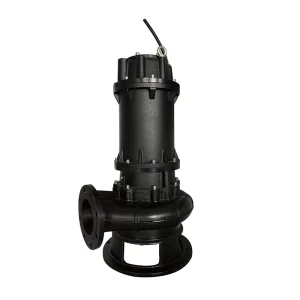
Submersible pumps sit at the center of any sewage lifting station, designed to operate while fully submerged in wastewater. Their construction must withstand continuous exposure to corrosive and abrasive conditions while handling whatever solids flow through the system.
Different applications call for different pump configurations. Non-clog pumps with open impellers work well for general municipal sewage. Vortex impellers create a swirling action that keeps solids suspended and moving rather than accumulating in the pump chamber. Grinder pumps macerate solids before pumping, which suits applications where the discharge piping has smaller diameters or longer runs.
Choosing the wrong pump type leads to frequent clogging, premature wear, or inadequate flow rates. Our wastewater pumps are engineered for the specific demands of sewage applications, balancing pump efficiency with the reliability needed for continuous operation.
Control Systems That Think Ahead
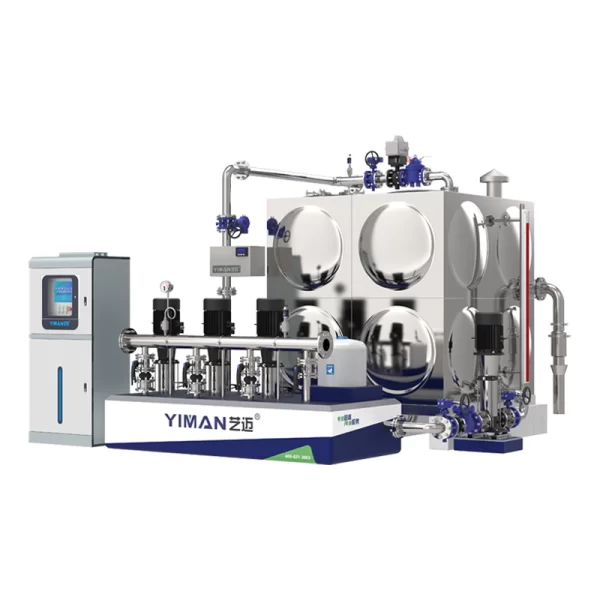
Intelligent control systems transform sewage lifting stations from simple pump-and-pipe arrangements into responsive infrastructure. PLC control automates pump cycling based on real-time level control data, eliminating the need for manual intervention during normal operation.
SCADA systems extend this capability across entire networks, enabling remote monitoring of multiple stations from a central location. Operators can track performance metrics, respond to fault detection alerts, and manage alarm conditions without traveling to each site. This centralized approach catches problems early and reduces response times when issues arise.
Smart pump technology takes monitoring further by analyzing operational patterns to predict maintenance needs before failures occur. Energy optimization algorithms adjust pump operation to minimize power consumption while maintaining required flow rates.
Designing Sewage Lifting Stations That Perform Under Real Conditions
Design decisions made early in a project determine whether a sewage lifting station performs reliably for decades or struggles from day one. Hydraulic calculations must account for actual flow conditions, not just theoretical averages. Peak flow rates during high-usage periods or storm events can exceed normal flows by several times, and the system must handle these surges without backing up.
Wet well volume requires careful balancing. Too small, and pumps cycle excessively, wearing out motors and controls prematurely. Too large, and sewage sits long enough to become septic, creating odor problems and accelerating corrosion. Retention time calculations help find the right balance for specific applications.
Head loss through the piping system affects pump selection directly. Every bend, valve, and length of pipe adds resistance that pumps must overcome. Pump selection curves match equipment capabilities to these system requirements, ensuring pumps operate near their efficiency peaks rather than struggling at the edges of their performance envelopes.
Environmental regulations add another layer of requirements that vary by jurisdiction and application type. Municipal wastewater, industrial applications, and residential sewage systems each face different standards and present different challenges. Storm water management and flood control applications introduce additional variables.
| Parameter | Municipal Wastewater | Industrial Applications | Residential Sewage |
|---|---|---|---|
| Flow Rate | High, Variable | High, Consistent/Batch | Low, Intermittent |
| Solids Handling | High | Very High (abrasive/chemical) | Medium |
| Control System | SCADA, Redundancy | Advanced PLC, Alarms | Basic, Level-based |
| Material | Durable, Corrosion-Resistant | Chemical-Resistant, Heavy-Duty | Standard |
| Maintenance | Scheduled, Predictive | Frequent, Specialized | Routine |
Shanghai Yimai Industrial Co., Ltd. develops customized solutions including integrated pre-casting pump stations tailored to specific project requirements.
Making Installation and Maintenance Work Together
Proper installation guidelines and commissioning procedures set the stage for everything that follows. Manufacturer specifications exist for good reasons. Correct alignment prevents premature bearing wear. Proper sealing keeps wastewater where it belongs. Sound electrical connections avoid the intermittent failures that frustrate troubleshooting efforts.
Once a sewage lifting station enters service, operational efficiency depends on consistent monitoring and maintenance discipline. Preventative maintenance extends system longevity and minimizes the unplanned downtime that disrupts wastewater flow and creates emergency situations.
Routine inspections should cover pumps, motors, level sensors, and control panels. Wet well cleaning prevents solids accumulation that reduces effective volume and creates blockages. Troubleshooting common issues before they escalate keeps small problems from becoming major failures.
Spare parts management deserves more attention than it typically receives. Having critical components on hand reduces repair times from days to hours. Service contracts provide access to specialized expertise and often include preventive maintenance schedules that catch developing problems early. This proactive approach protects the investment and keeps the total cost of ownership under control over the system’s operating life.
Why Integrated and Modular Stations Make Sense
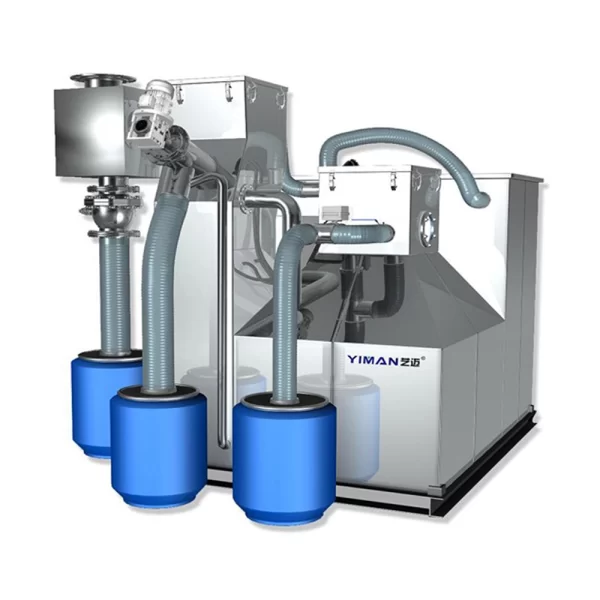
Traditional site-built sewage lifting stations require extensive civil works, coordination among multiple trades, and lengthy construction schedules. Integrated pump station and modular design approaches change this equation significantly.
Pre-fabricated stations arrive as complete units, ready for connection to incoming and outgoing piping. This quick installation approach reduces on-site construction time dramatically. Reduced civil works means less excavation, less concrete, and fewer opportunities for weather delays or construction errors.
Quality control improves when components are assembled and tested under factory conditions rather than in the field. Every connection can be verified, every pump can be run through its paces, and any issues can be resolved before the unit ships.
The compact footprint of modular design solutions fits urban environments where space comes at a premium. Intelligent integration brings advanced monitoring and control capabilities into a standardized package.
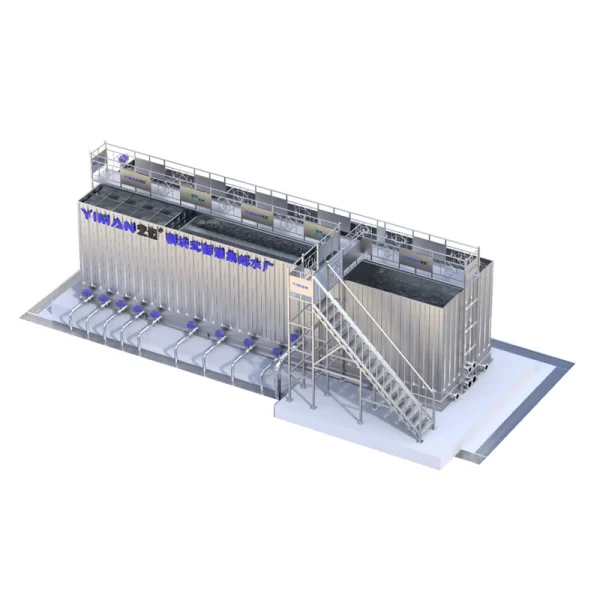
Shanghai Yimai Industrial Co., Ltd.’s integrated pre-casting pump stations deliver these advantages while meeting diverse project requirements. The cost-effectiveness shows up in faster deployment, reduced construction risk, and enhanced operational performance over the system’s lifetime.
Frequently Asked Questions About Sewage Lifting Stations
What is the primary purpose of a sewage lifting station?
A sewage lifting station collects and transfers wastewater from lower elevations to higher points or distant main sewer lines when gravity flow cannot do the job. These stations prevent sewage backup and maintain continuous wastewater removal, which makes them fundamental to sewage elevating systems in areas with challenging terrain. Urban development in flat regions or locations with high water tables often depends on these systems to function at all.
How often should a sewage lifting station be maintained?
Maintenance frequency depends on usage intensity and system configuration. Most stations benefit from quarterly inspections with comprehensive servicing every one to three years. Inspections should cover pumps, level sensors, control panels, and wet well cleanliness. Catching blockages early prevents the cascading failures that turn routine maintenance into emergency repairs. Preventative maintenance consistently extends system life beyond what reactive approaches achieve.
What factors influence the cost of a sewage lifting station?
Several variables drive sewage lifting station costs. Capacity requirements including flow rate and head determine pump sizing. Pump type selection, whether submersible pumps with non-clog impellers or specialized grinder units, affects equipment costs. Wet well material and dimensions, control system sophistication from basic level controls to full PLC and SCADA systems, installation complexity, and site-specific conditions all contribute. Integrated pre-casting pump stations often reduce total project costs through faster installation and lower long-term operating expenses.
Can sewage lifting stations handle industrial wastewater?
Specialized sewage lifting stations handle industrial wastewater effectively when designed for the specific effluent characteristics involved. Industrial applications often involve abrasive solids, aggressive chemicals, or elevated temperatures that would destroy standard equipment. Heavy-duty construction, corrosion-resistant materials, and robust control systems tailored to the application ensure reliable performance. Material selection becomes particularly important when chemical resistance requirements exceed what standard components can provide.
What are the benefits of choosing an integrated pre-casting pump station?
Integrated pre-casting pump stations compress project timelines through factory pre-assembly. Quality control improves because testing happens before shipment rather than after installation. On-site construction costs drop along with installation time. The smaller footprint suits constrained sites. Enhanced durability comes from controlled manufacturing conditions. These stations provide complete, ready-to-install solutions for efficient sewage lifting and wastewater management, often incorporating intelligent features that optimize performance and reduce total cost of ownership over the system’s operating life.
Partner with Shanghai Yimai for Advanced Wastewater Solutions
For expert consultation on designing, specifying, or optimizing your sewage lifting station requirements, contact Shanghai Yimai Industrial Co., Ltd. Our specialized engineering team provides robust, energy-efficient, and intelligent wastewater management solutions, including integrated pre-casting pump stations and high-performance water pumps. Partner with us for reliable infrastructure that meets the highest standards. Email: overseas1@yimaipump.com | Phone/WhatsApp: +86 13482295009
If you’re interested, check out these related articles:
Electric Motors for Sale A Buyers Guide to Industrial Performance
Modular Integrated Water Plant The Future of Smart Water Management Revolutionizing Efficiency and Sustainability
The 2025 Inner Mongolia Urban Water Supply Exhibition
Vertical Turbine Fire Fighting Pump Ensuring Uncompromised Safety