Choosing the Right Lifting System for Your Building: A Comprehensive Guide
Selecting the right lifting system for a building isn’t a simple buy-and-install decision—it’s one you feel every day in uptime, energy bills, and peace of mind. As an after-sales engineer, I’ve seen setups that quietly deliver for years and others that trigger late-night service calls because a pump was mismatched or a control scheme was overlooked. With that perspective, we’ve distilled the practical essentials—how to align system type, sizing, materials, and controls—so building managers, engineers, and architects can choose solutions that are safe, efficient, and economical over the long haul.
Understanding the Critical Role of Lifting Systems in Modern Buildings
Modern buildings rely heavily on efficient fluid management for various functions, including water supply, wastewater removal, and heating/cooling. The lifting system, essentially a pump or a network of pumps and associated controls, forms the backbone of these operations. Its performance directly influences occupant comfort, building integrity, and environmental compliance.
1. Why proper lifting system selection is vital for building efficiency and safety
Proper selection of a lifting system ensures reliable fluid transfer, which is fundamental to a building’s functionality. An accurately sized and specified system operates efficiently, minimizing energy consumption and operational costs. Furthermore, it safeguards against system failures, which can lead to significant disruptions, property damage, and potential health hazards. For instance, in high-rise buildings, consistent water pressure is crucial for daily use and fire suppression. In industrial settings, the correct system ensures process continuity and worker safety.
2. Common challenges faced with inadequate lifting solutions
Inadequate lifting solutions often result in a cascade of problems. Oversized pumps waste energy and incur higher capital costs, while undersized pumps struggle to meet demand, leading to frequent cycling, premature wear, and inconsistent service. Incorrect material selection can cause corrosion or erosion, particularly with aggressive fluids, resulting in costly repairs and downtime. Moreover, a poorly chosen system may fail to comply with local regulations, leading to fines or operational shutdowns. These challenges underscore the importance of a thorough and informed selection process.
Identifying Your Building’s Specific Lifting Needs and Requirements
Before evaluating specific lifting systems, we must precisely define the building’s unique requirements. This involves a detailed analysis of the application, the fluid characteristics, and the environmental constraints.
1. Assessing building type and primary function
The type of building dictates the primary function of its lifting systems. Residential buildings require consistent domestic water pressure and efficient sewage removal. Commercial properties, such as hotels or offices, demand reliable HVAC circulation and potentially specialized water features. Industrial facilities often need robust systems for process water, wastewater, or even chemical transfer. Each building type presents distinct demands that influence system design.
2. Analyzing fluid types and characteristics (e.g., sewage, clean water, industrial liquids)
The nature of the fluid being pumped is a paramount consideration. Clean water applications, like potable water supply, require pumps made from materials that prevent contamination. Wastewater or sewage, which often contains solids and corrosive elements, necessitates pumps with robust impellers and corrosion-resistant components. Industrial liquids may involve extreme temperatures, high viscosities, or aggressive chemicals, demanding specialized pump designs and materials. For example, our Sewage Water Elevating System is specifically designed for handling wastewater effectively.
3. Determining required flow rates and head pressures
Flow rate (volume of fluid moved per unit time) and head pressure (the vertical distance or pressure a pump can lift fluid) are fundamental hydraulic parameters. We calculate these based on the building’s peak demand, pipe network design, and the number of discharge points. Accurate calculations ensure the pump can deliver the necessary volume and pressure without overworking or underperforming. These parameters directly influence pump sizing and motor power.
4. Considering space constraints and installation environments
Physical space limitations and environmental conditions impact system choice. Compact urban environments may benefit from integrated or prefabricated solutions. Underground installations require systems designed for submersible operation or with specific protection grades against moisture and dust. Ambient temperature, vibration, and noise levels also play a role in selecting appropriate equipment and its placement.
If you need further insights into optimizing your wastewater management, you might find Optimizing Your Sewage Elevating System for Peak Performance particularly useful.
Exploring Different Types of Lifting Systems and Their Applications
Shanghai Yimai Industrial Co., Ltd. offers a comprehensive range of lifting systems designed for diverse building applications. Understanding the strengths of each system helps in making an informed decision.
1. How sewage lifting systems manage wastewater effectively
Sewage Water Elevating Systems are crucial for buildings where wastewater cannot flow by gravity to the main sewer line. These systems collect sewage in a sump or tank and pump it to a higher elevation or a distant discharge point. They feature robust pumps capable of handling solids and fibrous materials, often equipped with cutting mechanisms to prevent clogging. Our systems are designed for reliability in challenging environments like subway stations and underground malls.
| Model | Max Flow Rate | Max Head | Application Fields |
|---|---|---|---|
| YMWM | Up to 130 m³/h | Up to 60 m | Subway stations, underground shopping malls, parking lots; general wastewater transfer where gravity drainage isn’t feasible |
| YMWP | Up to 130 m³/h | Up to 60 m | Sewage sumps, basements, underground garages; solids-handling with anti-clogging features |
| YMWB | Up to 130 m³/h | Up to 60 m | Commercial/municipal lift points; long-distance or elevated discharge to main sewers |
Choosing the right lifting system for a building is not merely a purchase; it is a long-term investment in its operational efficiency, safety, and overall value. As an after-sales engineer, I frequently witness the consequences of both informed and uninformed decisions. We understand the critical nature of these systems, whether for water supply, wastewater management, or specialized industrial applications. We aim to guide you through the essential considerations to ensure your selection meets your building’s precise needs.
Understanding the Critical Role of Lifting Systems in Modern Buildings
Modern buildings are complex ecosystems where various fluid transfer processes are indispensable. From ensuring potable water reaches every tap to efficiently removing wastewater, lifting systems—primarily pumps and their associated controls—are the unsung heroes. These systems maintain hygiene, provide comfort, and support critical operations within the structure.
1. Why proper lifting system selection is vital for building efficiency and safety
Properly selecting a lifting system directly impacts a building’s operational efficiency and the safety of its occupants. An optimally chosen system operates at peak performance, minimizing energy consumption and reducing wear and tear on components. This translates into lower utility bills and decreased maintenance costs over the system’s lifespan. More importantly, reliable fluid transfer prevents potential hazards such as water shortages, sewage backups, or insufficient water pressure for fire suppression. For example, in a high-rise residential building, a robust water booster system ensures adequate pressure on the top floors, while in a hospital, uninterrupted water supply is critical for sanitation and medical procedures.
2. Common challenges faced with inadequate lifting solutions
Inadequate lifting solutions can lead to a host of operational and financial difficulties. Common issues include:
* Energy Waste: Oversized pumps consume excessive electricity, while undersized pumps run flat-out and fail early.
* Frequent Breakdowns: Mismatched systems see higher mechanical stress, more failures, and unplanned downtime.
* Inconsistent Performance: Pressure and flow swings disrupt day-to-day use and critical services.
* Compliance Issues: Falling short of codes or environmental rules can mean fines or forced retrofits.
* Environmental Impact: Inefficient operation raises both emissions and water waste.
These challenges highlight why the selection process must be thorough and evidence-based.
Identifying Your Building’s Specific Lifting Needs and Requirements
A successful lifting system begins with a comprehensive understanding of the building’s unique characteristics and demands. This foundational step ensures that subsequent equipment choices are appropriate and effective.
1. Assessing building type and primary function
The architectural and functional classification of a building is the initial determinant for its lifting system requirements.
* Residential Buildings: Consistent domestic water pressure and efficient sewage removal.
* Commercial Buildings (e.g., offices, hotels): Reliable HVAC circulation, potable water, and often features like fountains or large kitchen drainage.
* Industrial Facilities: Process water, cooling, chemical transfer, or heavy-duty wastewater handling, often with material compatibility requirements.
* Public Infrastructure (e.g., subway stations, parking lots): Robust Sewage Water Elevating Systems and drainage to prevent flooding.
2. Analyzing fluid types and characteristics (e.g., sewage, clean water, industrial liquids)
The properties of the fluid to be transported heavily influence pump material and design.
* Clean Water: Non-corrosive materials (e.g., stainless steel, coated cast iron) to preserve water quality.
* Sewage/Wastewater: Solids, abrasives, corrosives—open/vortex impellers, hardened internals, specialized seals to prevent clogging and wear.
* Industrial Liquids: Corrosive/viscous/extreme temperatures—special alloys, specific seal types, sometimes explosion-proof motors. For high-temperature service, a Heat Conducting Oil Pump circulates thermal oil up to 350°C.
3. Determining required flow rates and head pressures
Accurate calculation of flow and head is non-negotiable.
1. Flow Rate (Q): m³/h or GPM, based on summed fixture/process demand at peak.
2. Head Pressure (H): Total dynamic head—static lift plus friction losses in pipes, fittings, and valves—expressed in meters or PSI.
These define the operating point on the pump curve and drive motor sizing.
4. Considering space constraints and installation environments
The physical environment of installation plays a significant role.
* Space Limitations: Tight sites often benefit from Integrated Room Type Pump Stations or Prefabricated Pump Stations with compact footprints.
* Environmental Factors: Ambient temperature, humidity, dust, or corrosive atmospheres guide IP rating and materials.
* Noise and Vibration: In occupied spaces, prioritize low-noise, low-vibration equipment.
If you’re weighing wastewater strategies, Optimizing Your Sewage Elevating System for Peak Performance is a helpful companion read.
Exploring Different Types of Lifting Systems and Their Applications
Shanghai Yimai Industrial Co., Ltd. offers a diverse portfolio of lifting systems, each optimized for specific applications and operational demands.
1. How sewage lifting systems manage wastewater effectively
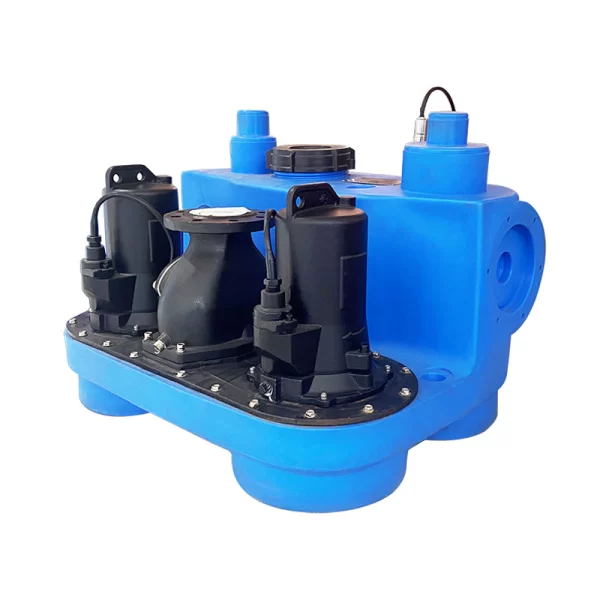
Sewage Water Elevating Systems are engineered to transport wastewater from areas below gravity sewer lines to higher discharge points. Our systems, such as models YMWM, YMWP, and YMWB, handle up to 130 m³/h flow and 60 m head. They are vital for locations like subway stations, underground shopping malls, and parking lots where traditional gravity drainage is unfeasible. These systems typically feature submersible pumps with robust impellers to manage solids, ensuring reliable and clog-free operation.
2. The benefits of intelligent digital driven VFD booster systems for water supply
Intelligent Digital Drived VFD Booster Systems deliver constant pressure by matching pump speed to real-time demand via VFDs. The upsides are significant: energy savings, smoother operation, and longer equipment life. Our range covers 5 to 900+ m³/h and 15 to 200 m heads, with IP65 protection and 120% overload capacity—well-suited to high-rises, residential communities, and commercial complexes. Expect stable, efficient water delivery with fewer starts/stops.
For more information on intelligent pressure management, consider reading VFD Controlled Booster System Intelligent Pressure Management for Energy and Water Savings.
3. Utilizing prefabricated and integrated room pump stations for compact solutions
Prefabricated Pump Stations and Integrated Room Type Pump Stations offer compact, all-in-one solutions for various pumping needs.
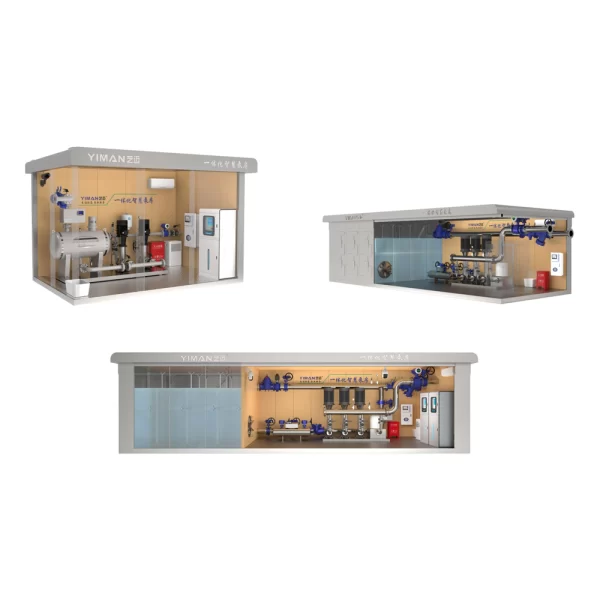
* Prefabricated Pump Stations: Factory-built units—often FRP—bundling pumps, controls, and piping. They shorten on-site work, cut costs, and arrive ready to connect. Features include water hammer protection, intelligent operation, and long service life, ideal for urban sewage collection and industrial wastewater.
* Integrated Room Type Pump Stations: Compact, easy-to-install systems for secondary water supply in urban residential areas or rural upgrades. Energy-saving, secure, and equipped with intelligent leakage protection; quiet enough for unattended operation.
Both options save space, simplify deployment, and support sustainable operations.
For a deeper dive into these innovative solutions, we recommend Integrated Prefabricated Pump Stations The Smart Sustainable Choice for Modern Infrastructure.
4. When vertical multi-stage centrifugal pumps are the optimal choice
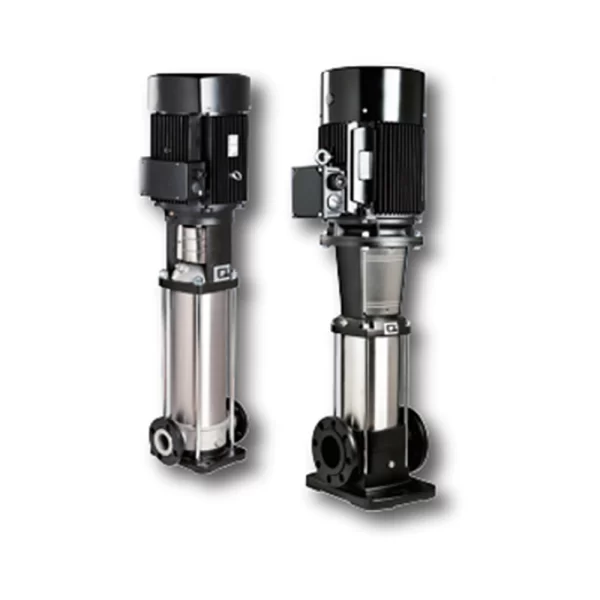
Vertical Multi Stage Centrifugal Pumps thrive where high head is required at moderate flow. Multi-stage hydraulics build pressure efficiently across stacked impellers, and the vertical form factor saves floor space. Our YD and YDS models handle up to 335 m³/h and 350 m head for clean, non-flammable liquids—common in high-rise pressurization, process water, fire protection, and HVAC.
5. Understanding split casing double suction pumps for large-scale water transfer
Split Casing Double Suction Pumps excel in large-flow, low-to-medium head duties. The double-suction impeller balances axial thrust, easing bearing loads and extending life. Split casings make maintenance straightforward—no need to disturb piping to access internals. Our YMS line reaches 3975 m³/h and 230 m head for water plants, power stations, industrial supply, and irrigation with clean, low-viscosity liquids.
You can explore more about these powerful pumps in Split Casing Double Suction Pump High Efficiency Fluid Handling for Demanding Industrial Applications.
6. The role of single stage in-line circulation pumps in HVAC and hot water systems
Single Stage In Line Circulation Pumps are purpose-built for circulating clean, low-viscosity liquids in closed loops—HVAC, chilled water, and domestic hot water. In-line piping simplifies installation and conserves space. Our IL models deliver up to 700 m³/h and 150 m head, handling media from -25 to 140°C with quiet, reliable operation that keeps circulation steady.
Key Technical Parameters and Features to Evaluate for Optimal Performance
Beyond selecting the general type, digging into technical parameters safeguards performance, longevity, and cost-efficiency.
1. Comparing maximum flow rates and heads across different systems
Match Qmax and Hmax against calculated building demands.
* Flow Rate: Ensure the system meets peak loads without short cycling. A VFD Controlled Booster Water Supply System modulates output to trim energy use.
* Head: Confirm the pump overcomes total dynamic head—both static lift and friction losses—so discharge pressure remains adequate.
2. Evaluating pump casing and impeller materials for durability and media compatibility
Material choices directly affect service life and hygiene.
* Pump Casing: Cast iron (general water), stainless steel (corrosive or hygienic duty), ductile iron (higher pressures).
* Impeller: Cast iron, bronze (ZCuSn10Zn2), or stainless (SS304/SS316L), selected for abrasiveness/corrosiveness. Many Vertical Multi Stage Centrifugal Pumps offer configurable materials for casing, impeller, and shaft.
3. Understanding seal types: mechanical seals vs. gland seals
Shaft sealing prevents leakage and protects bearings.
* Mechanical Seals: Tight sealing with minimal leakage across wide fluid/pressure ranges; less frequent adjustment, more complex replacement.
* Gland (Packing) Seals: Simpler, tolerant of minor misalignment; allow controlled leakage for lubrication and need periodic adjustment.
Choose based on fluid properties, pressure, and maintenance philosophy.
4. Assessing power requirements and energy efficiency (e.g., VFD control)
Energy is a major lifecycle cost.
* Motor Power: Size to the duty point—oversizing burns energy and budget.
* Efficiency: Favor IE3/IE4 motors. Intelligent Digital Drived VFD Booster Systems and VFD Controlled Booster Systems trim consumption by matching speed to demand, especially during off-peak periods.
5. Considering protection grades and ambient operating conditions
Environment matters for reliability.
* Protection Grade (IP): Match dust/water exposure. Many Intelligent Digital Drived VFD Booster Systems feature IP65 enclosures for dusty or wet areas.
* Ambient Temperature: Verify motors and controls are rated for site conditions.
* Relative Humidity: Ensure proper sealing/venting to protect electrical components.
Making an Informed Decision: A Step-by-Step Selection Process
The selection of a lifting system is a systematic process that combines technical analysis with practical considerations.
1. Matching system capabilities to your building’s demand profile
- Define Demand: Peak and average flow plus head requirements.
- Identify Fluid Characteristics: Type, temperature, viscosity, and chemistry.
- Consider Application: Align needs with sewage, booster, or circulation duties.
- Review Product Specifications: Compare curves, materials, and features across candidate models.
2. Evaluating long-term operational costs and maintenance requirements
- Energy Consumption: Estimate costs from motor efficiency and run-hours; VFD strategies usually lower lifetime kWh.
- Maintenance Schedule: Prefer accessible designs and ready spares to cut downtime.
- Component Durability: Weigh impeller/seal life in abrasive or corrosive service.
3. Prioritizing system reliability and safety features
- Redundancy: Use duty/standby or multi-pump arrays for critical services.
- Monitoring and Control: Real-time data, fault alarms, and remote access improve uptime. Our Intelligent Digital Drived VFD Booster Systems include internal CAN and external RS485 communication.
- Safety Standards: Check applicable certifications and compliance, especially for hazardous fluids/environments.
- Protection Features: Dry-run, overload, and anti-freeze safeguards are especially valuable in Integrated Room Type Pump Stations.
4. Consulting with experts for tailored recommendations
Engage experienced engineers and suppliers to validate calculations and tailor selections to your site and budget. Shanghai Yimai Industrial Co., Ltd. provides technical consultation backed by broad product coverage and field experience, so you can specify a solution that’s efficient, robust, and right-sized.
For a comprehensive guide on selecting the right pump, Picking the Right Water Pump A Step by Step Selection Guide offers additional valuable information.
Get Expert Guidance for Your Building’s Lifting System
Choosing the optimal lifting system requires careful consideration of numerous technical and operational factors. Our team at Shanghai Yimai Industrial Co., Ltd. possesses the expertise to guide you through this complex process, ensuring you select a solution that delivers efficiency, reliability, and long-term value. We provide a wide range of high-quality pumps and integrated systems tailored to your specific building requirements.
Contact us today for a consultation or to request a detailed product catalog.
Email: tony@yimaipump.com
Phone/WhatsApp: +86 134 8229 5009
About the Author
As a Senior SEO Content Strategist for Shanghai Yimai Industrial Co., Ltd., I specialize in translating complex engineering concepts into accessible, informative content. My background in industrial pump and motor systems, combined with a deep understanding of SEO best practices, allows me to provide valuable insights for building managers, facility engineers, architects, and procurement professionals. My goal is to empower our clients with the knowledge needed to make informed decisions for their infrastructure projects.
FAQs
1. What is the primary difference between a sewage lifting system and a booster system?
A Sewage Water Elevating System collects and pumps wastewater—often with solids—from a low point to a higher drainage line. A booster system, such as a VFD Controlled Booster Water Supply System, raises and maintains pressure in a clean water network so all fixtures, especially on upper floors, receive adequate flow.
2. How do I determine the correct flow rate and head for my building’s lifting system?
Start by calculating total demand across fixtures and processes at peak usage, then determine total dynamic head: static elevation change plus friction losses through the piping network. A hydraulic engineer or pump specialist can model this accurately and match your duty point to a pump curve with the right margin.
3. Are VFD-controlled booster systems more energy-efficient than traditional systems?
Yes. VFD Controlled Booster Water Supply Systems modulate motor speed to match demand, avoiding the waste of fixed-speed pumps that run full-out during low-load periods. The result is lower power draw, reduced mechanical stress, and longer service life.
4. What are the advantages of using a prefabricated pump station?
Prefabricated Pump Stations install faster because they arrive pre-assembled, cutting on-site construction and commissioning time. They typically include advanced controls, water hammer protection, and durable FRP structures for long, low-maintenance service with a compact footprint.
5. How often should a building’s lifting system be maintained?
It depends on usage and media, but a solid baseline is monthly inspections, quarterly or semi-annual preventative maintenance, and annual comprehensive service by qualified technicians. This cadence keeps performance on spec and helps catch issues before they become costly failures.