Comprehensive Guide to Oil-Water Separator Maintenance
Keeping oil-water separators in reliable shape pays off in cleaner discharge, steadier operations, and fewer headaches. I’ve seen small oversights turn into fines and downtime, while a steady, proactive maintenance rhythm preserves separation quality and extends service life. This lays out why these systems matter, how they work, the maintenance cadence that prevents surprises, practical cleaning steps, troubleshooting, and where Shanghai Yimai Industrial’s solutions help protect performance and the environment.
Understanding the Importance of Regular Oil-Water Separator Maintenance
1. The Critical Role of Oil-Water Separators in Industrial Operations
Oil-water separators (OWS) are indispensable components in numerous industrial processes, including manufacturing, petrochemical, and food processing. These systems effectively remove oils, greases, and suspended solids from wastewater streams before discharge. This separation prevents environmental pollution, protects downstream equipment, and often allows for the recovery of valuable resources. Effective separation ensures compliance with stringent environmental regulations, which are becoming increasingly strict globally.
2. Consequences of Neglecting Oil-Water Separator Maintenance
Neglecting OWS maintenance can lead to severe operational and environmental repercussions. Reduced separation efficiency results in contaminated discharge, leading to potential fines and legal actions. Untreated wastewater can damage subsequent treatment stages or discharge points. Furthermore, neglected systems often experience premature component failure, leading to expensive repairs, increased downtime, and higher operational costs. Regular maintenance is a cost-effective strategy to avoid these significant issues.
Key Components and Operational Principles of Oil-Water Separators
1. Exploring the Design and Functionality of Oil-Water Separator Systems
Oil-water separators operate on fundamental physical principles, primarily gravity differential and coalescence. Most systems consist of an inlet, separation chamber, oil collection area, sludge accumulation zone, and an outlet. The inlet design often slows down the influent to promote laminar flow, which is necessary for effective separation. Within the separation chamber, coalescing media or plates facilitate the aggregation of smaller oil droplets into larger ones, accelerating their rise to the surface. Sludge, being denser, settles at the bottom.
2. Identifying Common Types of Oil-Water Separators and Their Mechanisms
Various types of oil-water separators exist, each suited for specific applications and contaminant loads. Gravity separators, such as API (American Petroleum Institute) and CPI (Corrugated Plate Interceptor) separators, rely on density differences. CPI separators, for instance, utilize closely spaced corrugated plates to enhance the surface area for oil droplet coalescence, improving separation efficiency in a smaller footprint. Other advanced systems include dissolved air flotation (DAF) units, which use air bubbles to float oil and suspended solids to the surface, and membrane filtration systems for finer separation. The selection of a specific type depends on the wastewater characteristics and desired effluent quality.
Establishing a Proactive Oil-Water Separator Maintenance Schedule
A well-structured maintenance schedule is paramount for the continuous and efficient operation of oil-water separators. This schedule should integrate daily checks with more extensive monthly, quarterly, and annual tasks. Proactive maintenance minimizes unexpected failures and ensures regulatory compliance. We recommend adhering strictly to manufacturer guidelines while also adapting the schedule to specific operational demands and wastewater characteristics.
1. Daily and Weekly Checks for Optimal Performance
Daily and weekly inspections are the first line of defense against operational issues.
1. Visually check the oil and sludge levels in the separator daily to prevent overflow or excessive accumulation.
2. Observe the effluent quality for any visible oil sheen or suspended solids, indicating potential problems.
3. Verify proper functioning of oil skimmers and pumps, ensuring they operate without obstruction.
4. Inspect the inlet and outlet pipes for blockages or leaks, which can compromise flow and efficiency.
5. Record all observations and measurements in a logbook to track performance trends over time.
2. Monthly and Quarterly Inspections for System Integrity
Monthly and quarterly inspections involve more detailed checks to assess the overall system integrity.
1. Measure the thickness of the oil layer and sludge blanket to determine the need for removal.
2. Inspect coalescing plates or media for fouling, damage, or displacement.
3. Check all valves and gauges for proper operation and calibration.
4. Examine internal coatings and structural components for signs of corrosion or wear.
5. Test alarms and safety shut-off systems to ensure they function correctly in an emergency.
6. Review maintenance logs to identify recurring issues or patterns that require attention.
If you’re interested, check 《Oil Water Separator System Efficient and Eco Friendly Compliance for Industrial Wastewater》.
3. Annual Overhauls and Preventative Maintenance Tasks
Annual overhauls are thorough procedures designed to restore the separator to its peak operating condition.
1. Completely drain and clean the separator tank, removing all accumulated oil, sludge, and debris.
2. Inspect and clean or replace coalescing media, as their condition directly impacts separation efficiency.
3. Examine all internal components, including baffles, weirs, and diffusers, for structural integrity.
4. Service or replace pumps, skimmers, and other mechanical parts as needed.
5. Recalibrate sensors and control systems to ensure accurate monitoring and operation.
6. Conduct a thorough pressure test (if applicable) to check for leaks and structural integrity.
7. Repaint or recoat internal surfaces to prevent corrosion and extend the unit’s lifespan.
Step-by-Step Procedures for Effective Oil-Water Separator Cleaning
Effective cleaning is a cornerstone of oil-water separator maintenance, directly impacting its performance and longevity. Proper procedures ensure the safe removal of contaminants and prevent operational bottlenecks. We outline the critical steps involved in cleaning, from initial draining to detailed component maintenance.
1. Safely Draining and Disposing of Separated Oil and Sludge
Safe and compliant disposal of separated oil and sludge is a critical first step.
1. Ensure all necessary personal protective equipment (PPE) is worn, including gloves, eye protection, and respiratory masks.
2. Isolate the separator by closing inlet and outlet valves to prevent further flow.
3. Activate the oil skimmer or pump to remove the accumulated oil layer into a designated storage container.
4. Open the sludge drain valve to remove the settled sludge, directing it to an appropriate disposal or treatment facility.
5. Monitor the draining process to prevent spills and ensure complete removal of contaminants.
6. Adhere to local environmental regulations for the disposal of hazardous waste.
2. Techniques for Cleaning Coalescing Plates and Filter Media
Coalescing plates and filter media are key for efficient oil separation and require careful cleaning.
1. Remove coalescing plates or filter cartridges from the separator, following manufacturer instructions.
2. Use a high-pressure washer or steam cleaner to dislodge accumulated oil and solids from the media.
3. For heavily fouled media, soak them in a suitable degreasing solution before pressure washing.
4. Inspect the cleaned media for any damage, such as cracks or warping, and replace them if necessary.
5. Reinstall the cleaned or new media carefully, ensuring proper alignment and seating.
6. Document the cleaning process and any replacements in the maintenance log.
3. Best Practices for Tank Cleaning and Sediment Removal
Thorough tank cleaning and sediment removal are necessary during annual overhauls.
1. After draining, use a vacuum truck or manual methods to remove any remaining sludge and sediment from the tank bottom.
2. Pressure wash the interior surfaces of the tank, including walls and baffles, to remove residual oil and grime.
3. Inspect the tank’s internal lining for damage or corrosion and perform necessary repairs.
4. Rinse the tank thoroughly with clean water to remove all cleaning agents and debris.
5. Ensure proper ventilation during cleaning to disperse fumes and provide a safe working environment.
6. Verify the tank is completely dry before returning it to service, especially if recoating is planned.
Troubleshooting Common Issues in Oil-Water Separator Systems
Even with diligent maintenance, oil-water separators can encounter issues that impact their performance. Identifying and resolving these common problems promptly is key to maintain efficiency and compliance. We provide practical guidance on troubleshooting key operational challenges.
1. Addressing Reduced Separation Efficiency and Oil Carryover
Reduced separation efficiency often manifests as visible oil in the effluent or a persistent oil sheen.
1. Check the influent flow rate to ensure it does not exceed the separator’s design capacity.
2. Inspect coalescing plates or media for fouling or damage, which can impede oil droplet coalescence.
3. Verify the oil skimmer or collection mechanism functions correctly, removing oil before it can re-entrain.
4. Analyze the wastewater characteristics for changes in oil type, temperature, or the presence of emulsifying agents.
5. Ensure the separator’s internal baffles and weirs are correctly positioned and free from blockages.
6. Consider adjusting the pH or adding demulsifiers if persistent emulsions are present.
2. Diagnosing and Resolving Clogging and Flow Restrictions
Clogging and flow restrictions reduce the system’s hydraulic capacity and can lead to overflows.
1. Inspect the inlet screen and primary settling chamber for excessive accumulation of solids or debris.
2. Examine internal piping and transfer lines for blockages caused by sludge buildup or foreign objects.
3. Clean or backwash coalescing media if they are obstructed by solids or viscous oil.
4. Check pumps and valves for mechanical failures or obstructions that restrict flow.
5. Implement a more frequent sludge removal schedule if solid accumulation is a recurring problem.
6. Consider installing a pre-treatment screen or grit chamber to reduce solids entering the separator.
3. Managing Odor Problems and Biological Growth Within the Separator
Odor problems and biological growth indicate anaerobic conditions or inadequate cleaning.
1. Increase the frequency of sludge removal to prevent the decomposition of organic matter.
2. Ensure proper ventilation of the separator to allow for gas exchange and reduce stagnant air.
3. Clean the tank thoroughly, including all internal surfaces, to remove biological films and residue.
4. Consider periodic shock chlorination or other biocide treatments if biological growth is severe.
5. Investigate the source of organic load in the influent and implement upstream controls if possible.
6. Maintain consistent flow and avoid prolonged periods of inactivity, which can foster anaerobic conditions.
Integrating Shanghai Yimai Industrial’s Oil-Water Separator Systems for Enhanced Performance
Shanghai Yimai Industrial Co., Ltd. specializes in advanced water treatment solutions, including highly efficient oil-water separator systems. Our commitment to innovation and quality ensures that our products meet the demanding requirements of modern industrial operations. We design our systems for ease of maintenance, reliability, and superior separation performance.
1. Overview of Yimai’s Advanced Oil-Water Separation Technology
Yimai’s oil-water separator systems incorporate cutting-edge technology to achieve high separation efficiency. Our designs prioritize robust construction and intelligent control, minimizing operational complexities. We utilize advanced coalescing media and optimized flow dynamics to effectively remove free and emulsified oils. These systems are engineered to handle diverse industrial wastewater streams, ensuring consistent compliance with environmental standards.
2. Maximizing Efficiency and Longevity with Yimai’s YMGY Model
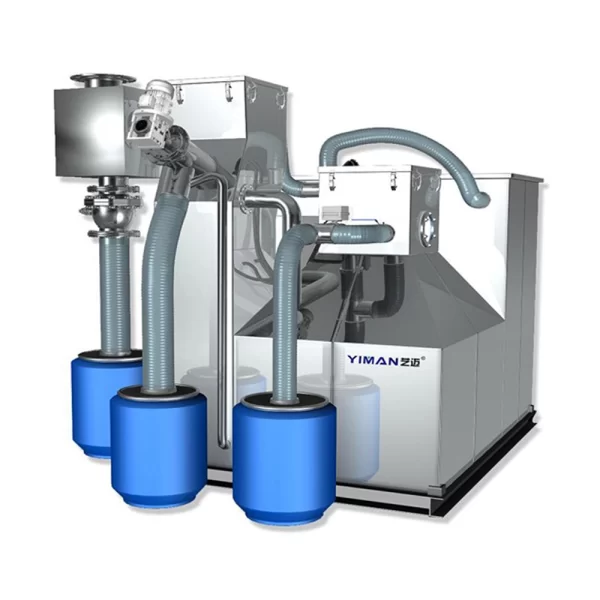
Our YMGY Oil-Water Separator System is a prime example of our dedication to performance and durability. This model features a high-efficiency design with optimized internal structures that facilitate rapid oil-water separation.
| Parameter | Specification (YMGY Model) |
|---|---|
| Treatment Capacity | 10 / 15 / 20 / 25 / 30 / 35 / 40 / 50 m³/h |
| Max Head | 30 m |
| Max Heating Temperature | 60 ℃ |
| Application Fields | Catering, shopping malls, hotels, schools, hospitals, food processing |
The YMGY model is built with corrosion-resistant materials, extending its operational lifespan even in harsh industrial environments. Its modular design simplifies installation and maintenance, reducing labor and downtime. The system’s intelligent controls allow for precise monitoring and adjustment, ensuring optimal performance with minimal manual intervention.
3. Expert Support and Service for Yimai Oil-Water Separator Systems
We provide full support and service for all Yimai oil-water separator systems. Our team of experienced engineers offers installation assistance, operational training, and ongoing technical support. We understand the critical nature of these systems and ensure prompt response to any service needs. Our goal is to maximize your system’s uptime and efficiency, providing peace of mind through reliable performance and expert care.
Inquire About Our Solutions
Ensuring the longevity and efficiency of your oil-water separator system is a critical investment in your operational sustainability and environmental compliance. We invite you to connect with Shanghai Yimai Industrial Co., Ltd. to explore how our advanced solutions and expert support can optimize your wastewater treatment processes. Our team is ready to provide tailored advice and high-quality equipment to meet your specific industrial needs.
Email: overseas1@yimaipump.com
Phone/WhatsApp: +86 13482295009
FAQs
1. How often should I inspect my oil-water separator?
We recommend daily visual inspections for oil and sludge levels, effluent quality, and pump operation. More detailed monthly checks should include coalescing media, valves, and structural integrity. Annual overhauls involve a complete drain, clean, and inspection of all components to ensure optimal performance.
2. What are the signs that my oil-water separator needs immediate maintenance?
Key indicators include a visible oil sheen in the effluent, reduced flow rates, frequent overflows, unusual odors, or the presence of excessive sludge. These signs suggest a decline in separation efficiency or potential blockages, requiring immediate attention to prevent further issues.
3. Can I perform all maintenance tasks myself, or do I need professional help?
Routine daily and weekly checks can often be performed by trained in-house personnel. However, complex tasks such as annual overhauls, media replacement, or troubleshooting intricate mechanical or electrical issues often require professional expertise. Consulting with the manufacturer or certified technicians ensures proper execution and system integrity.
4. What is the typical lifespan of an oil-water separator with proper maintenance?
With diligent and proper maintenance, an oil-water separator can last 15 to 25 years or even longer. Regular cleaning, timely replacement of worn components, and adherence to manufacturer guidelines significantly extend the equipment’s operational life, maximizing your investment.
5. How does Yimai’s Oil-Water Separator System contribute to easier maintenance?
Yimai’s Oil-Water Separator System (YMGY model) features a modular design for simplified access to internal components. We use corrosion-resistant materials to reduce wear and tear. Additionally, our intelligent control systems provide real-time monitoring and diagnostics, allowing for proactive maintenance and minimizing manual intervention.