Comprehensive Steps in Industrial Solid Waste Treatment: A Guide
Managing industrial solid waste is complex work that blends regulation, risk, and real opportunities for recovery. From what we’ve seen, results improve when the whole chain is treated as one system: collection and segregation, pre-treatment, advanced physical, chemical, biological, and thermal processes, then resource recovery and final disposal. This overview walks through those stages and the tools that help turn difficult waste streams into safer outputs and, when possible, valuable resources.
Understanding Industrial Solid Waste: Definition, Types, and Environmental Impact
Industrial solid waste covers a wide span of discarded materials from industrial processes. Its makeup ranges from inert construction debris to highly hazardous chemical byproducts. Sorting these differences correctly is the backbone of sound treatment and disposal planning.
1. What Constitutes Industrial Solid Waste?
Industrial solid waste includes any unwanted or discarded material from manufacturing, mining, agricultural, and commercial operations. These materials are classified based on their properties and potential hazards. For instance, non-hazardous waste might include paper, plastic, and scrap metal, while hazardous waste contains toxic, corrosive, or flammable substances. Proper classification dictates handling, treatment, and disposal protocols. If you’re interested, check 《Sewage Treatment Conference for Environmental Protection Seminar Attended by Yimai Industrial》.
2. The Pressing Need for Effective Waste Treatment
Improper industrial waste disposal threatens environmental health and human well-being. Soil, water, and air can be contaminated, leading to long-term ecological damage and public health crises. Effective waste treatment mitigates these risks, conserves natural resources, and supports a circular economy. Stringent environmental regulations also require robust treatment solutions to avoid legal repercussions and financial penalties.
The Foundational Stages: Collection, Segregation, and Pre-Treatment of Industrial Waste
Efficient waste management starts with precise collection, careful segregation, and fit-for-purpose pre-treatment. Getting these steps right shapes effectiveness and cost across everything that follows.
1. Efficient Waste Collection and Transportation Strategies
Optimized collection and transportation minimize operational costs and environmental impact. We tailor collection schedules and routes to waste volume, type, and generation points. Specialized vehicles and containers keep transport safe and compliant on the way to treatment facilities. Thoughtful planning also trims fuel use and eases congestion.
2. Crucial Role of Segregation and Sorting for Resource Recovery
Segregation at the source is paramount for maximizing resource recovery. Separating waste streams into categories like recyclables, hazardous materials, and general waste enhances the efficiency of downstream processing. This step reduces contamination, improves the quality of recovered materials, and lowers disposal volumes. Effective sorting directly contributes to a more sustainable waste management system. If you’re interested, check 《Organic Waste Treatment System Turning Waste into Resources for a Circular Economy》.
3. Initial Pre-Treatment: Reducing Volume and Preparing for Further Processing
Pre-treatment reduces volume, adjusts physical characteristics, and prepares materials for advanced treatment or disposal. Common methods include shredding, compacting, and dewatering. Shredding reduces bulky items to manageable sizes for handling and processing.
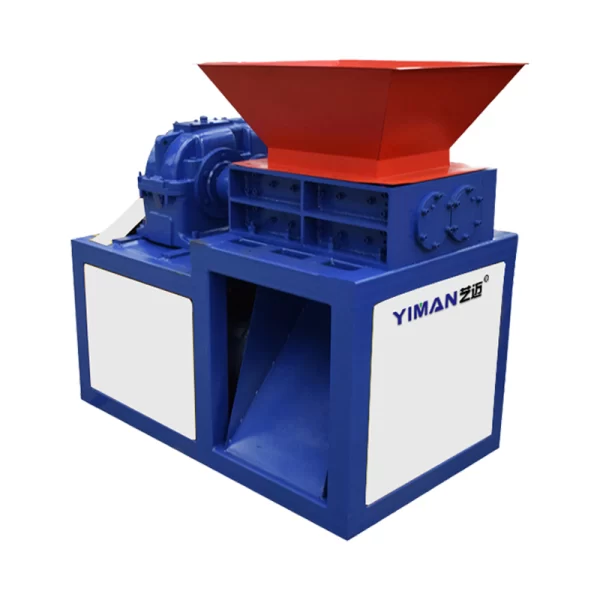
Our Double Shaft Shredder Machine (YMPS model) handles various industrial waste types, including construction, industrial, household, municipal, garden, medical, and kitchen waste. It features a treatment capacity ranging from 500 to 10,000 kg/h and produces a broken particle size of 6 to 10 mm. This reduction in size facilitates subsequent processing steps like material separation and energy recovery.
Advanced Treatment Methods: Transforming Industrial Solid Waste for Safety and Sustainability
After collection and pre-treatment, advanced methods neutralize hazards, recover resources, or ready materials for final disposal. Selection depends on composition and the intended outcome.
1. Physical and Mechanical Treatment Techniques
Physical and mechanical treatments change waste without altering its chemistry. Compaction, baling, and mechanical separation are common. Compaction reduces volume; baling prepares materials for transport or storage. Screens, magnets, and air classifiers mechanically sort different components.
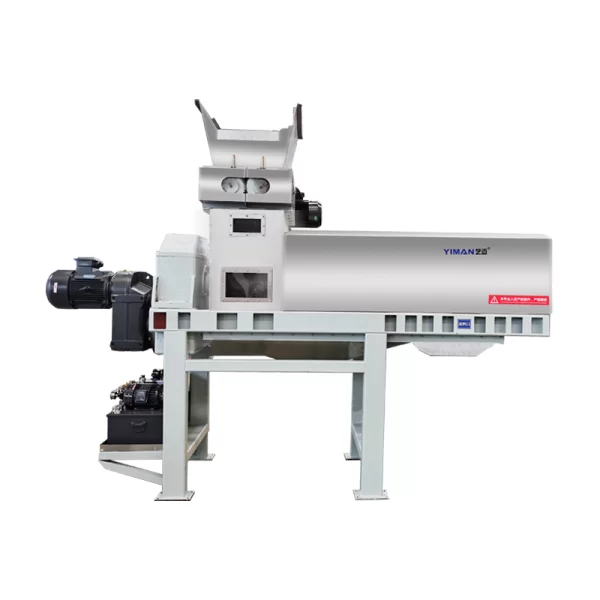
The Double Helix Continuous Presser (YMYZJ model) plays an integral role in dewatering and compacting various waste streams. It achieves a decrement rate of 50% and can process 500 to 10,000 kg/h, reducing material moisture content by 50%. This machine is applicable in garbage disposal, fruit and vegetable processing, medicine extraction, and food processing. If you’re interested, check 《Organic Waste Treatment System 90 Resource Conversion Powering the Zero Waste Revolution》.
2. Chemical and Biological Treatment Approaches
Chemical and biological treatments modify chemical or biological properties to make waste safer or easier to manage. Chemical routes include neutralization, precipitation, and oxidation. Biological options such as composting and anaerobic digestion use microorganisms to break down organic matter, particularly effective for liquid and semi-solid industrial wastes.
3. Thermal Treatment: Energy Recovery and Volume Reduction
Thermal processes apply high temperatures to cut volume and, in some cases, recover energy. Common methods include incineration, pyrolysis, and gasification. Incineration produces heat for electricity. Pyrolysis and gasification, in oxygen-limited conditions, convert waste into fuel gases or oils. The result is major volume reduction with potential energy returns.
Resource Recovery and Final Disposal: Maximizing Value and Minimizing Environmental Footprint
The end goals are clear: recover valuable resources and ensure safe, compliant disposal of what remains. This aligns with circular economy principles, easing pressure on virgin materials and limiting environmental impact.
1. Recovering Valuable Resources from Waste Streams
Resource recovery extracts useful materials or energy from waste. That includes recycling metals, plastics, and paper, and converting organics into compost or biogas. Advanced material recovery facilities (MRFs) use automated sorting to separate mixed streams efficiently. Strong recovery programs cut landfill dependence and generate economic value.
2. Safe and Compliant Final Disposal Methods
Despite extensive recovery efforts, some residual waste always remains. Safe and compliant final disposal is critical to prevent environmental contamination. Landfilling, when necessary, must adhere to strict engineering and regulatory standards, including leachate collection and gas management systems. Engineered storage facilities are designed for hazardous waste, ensuring long-term containment. Proper disposal protects ecosystems and public health.
Innovations and Future Trends in Industrial Solid Waste Treatment
Industrial solid waste treatment keeps moving forward as technology advances and environmental expectations rise. The focus is on intelligent systems, circular models, and ambitious zero-waste programs.
1. The Rise of Intelligent and Automated Waste Management Systems
Intelligent and automated systems improve efficiency, accuracy, and safety. Sensors, AI, and robotics enable automated sorting, real-time monitoring, and optimized control. Automation reduces manual labor, raises recovery rates, and limits exposure to hazardous materials.
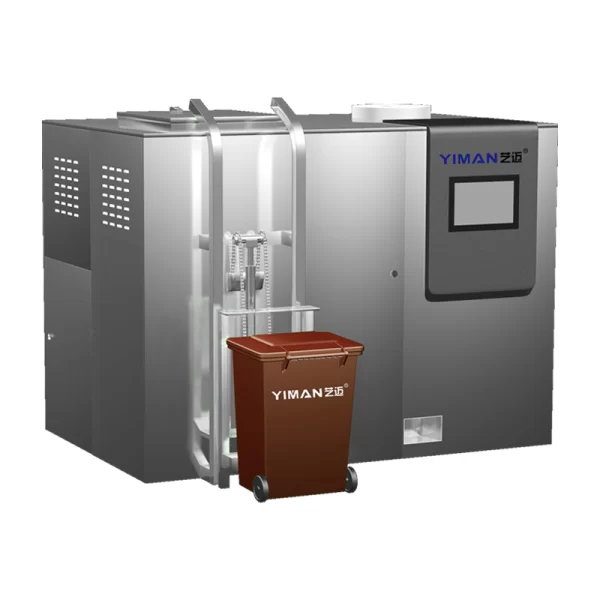
The Intelligent Waste Food Treatment System (YMGC-CR / YMGC-CM models) exemplify this trend. It offers treatment capacities from 50 to 3000 kg per cycle with an 85-90% decrement rate. This system reduces waste volume significantly and provides oil/water separation efficiency of ≥90%, making it suitable for hospitals, offices, schools, and supermarkets. If you’re interested, check 《Waste Food Treatment System Redefining Resource Recycling Through Innovation》.
2. Embracing Circular Economy Principles and Zero-Waste Initiatives
The circular economy model aims to keep resources in use for as long as possible, extracting maximum value from them while in use, then recovering and regenerating products and materials at the end of each service life. Zero-waste initiatives complement this by striving to eliminate waste generation entirely. These approaches drive innovation in product design, manufacturing processes, and waste treatment technologies, fostering a more sustainable industrial ecosystem.
Connect with Shanghai Yimai Industrial Co., Ltd.
Explore Shanghai Yimai Industrial Co., Ltd.’s range of industrial waste treatment solutions, including advanced shredders, presser machines, and complete waste management systems. Contact us today for a consultation tailored to your specific industrial needs.
Email: overseas1@yimaipump.com
Phone/WhatsApp: +86 13482295009
What is the most critical step in industrial solid waste treatment?
While all steps matter, effective segregation and pre-treatment (including shredding and pressing) are often considered the most critical. They significantly reduce waste volume, prepare materials for further processing, and enhance the efficiency of subsequent treatment stages, ultimately impacting resource recovery and disposal costs. Shanghai Yimai’s double-shaft shredders and continuous presser machines are designed to optimize these initial stages.
How do regulations impact industrial solid waste treatment?
Regulations play a pivotal role by setting standards for waste classification, treatment methods, and disposal. Compliance is mandatory to avoid penalties and ensure environmental protection. Understanding local and international regulations is essential for designing and implementing effective waste management strategies. Our systems are designed to help industries meet stringent environmental standards.
Can industrial solid waste be fully recycled or recovered?
While complete recycling is often challenging due to the diverse and complex nature of industrial waste, significant portions can be recovered. Advanced sorting, shredding, and pressing technologies, along with chemical and thermal processes, enable the extraction of valuable materials and energy. Shanghai Yimai’s solutions aim to maximize resource recovery and minimize residual waste.
What are the benefits of investing in advanced industrial waste treatment systems?
Investing in advanced systems offers multiple benefits, including reduced operational costs through waste volume reduction and resource recovery, enhanced environmental compliance, improved public image, and potential revenue generation from recycled materials or energy. Systems like those offered by Shanghai Yimai provide efficient, sustainable, and cost-effective solutions for modern industrial challenges.